Cancer Research UK Lung Cancer Centre of Excellence, University College London Cancer Institute, London, UK.
Cancer Evolution and Genome Instability Laboratory, The Francis Crick Institute, London, UK.
Nature. 2023 Apr;616(7957):553-562. doi: 10.1038/s41586-023-05776-4. Epub 2023 Apr 13.
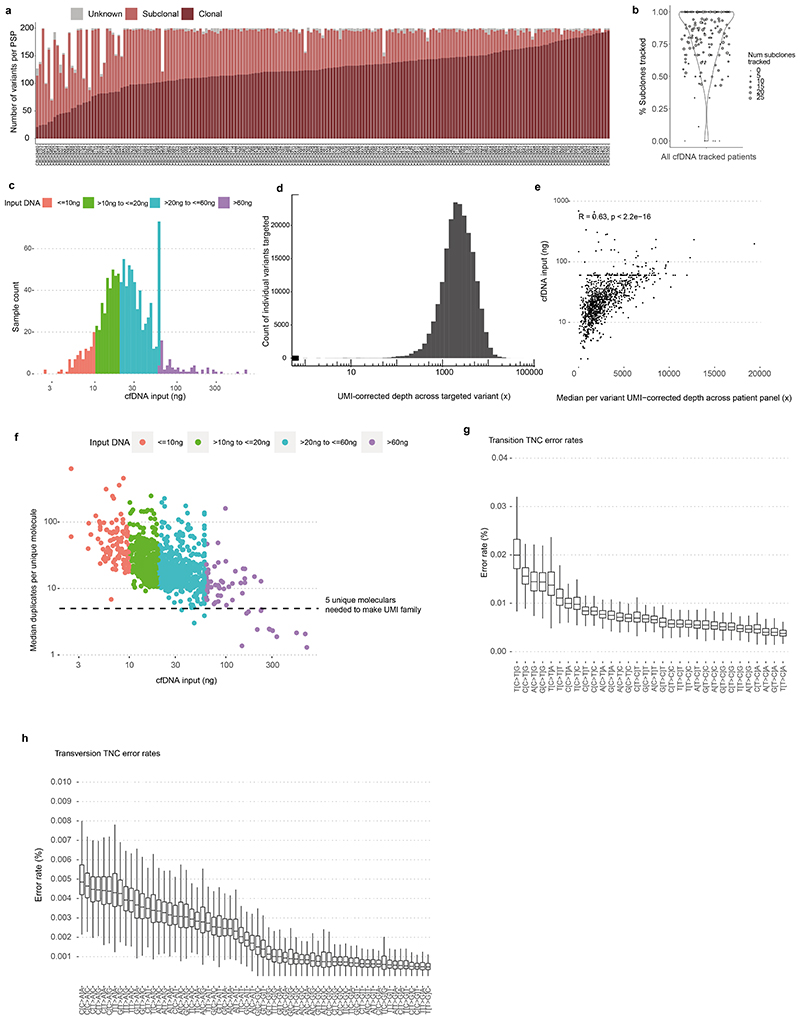
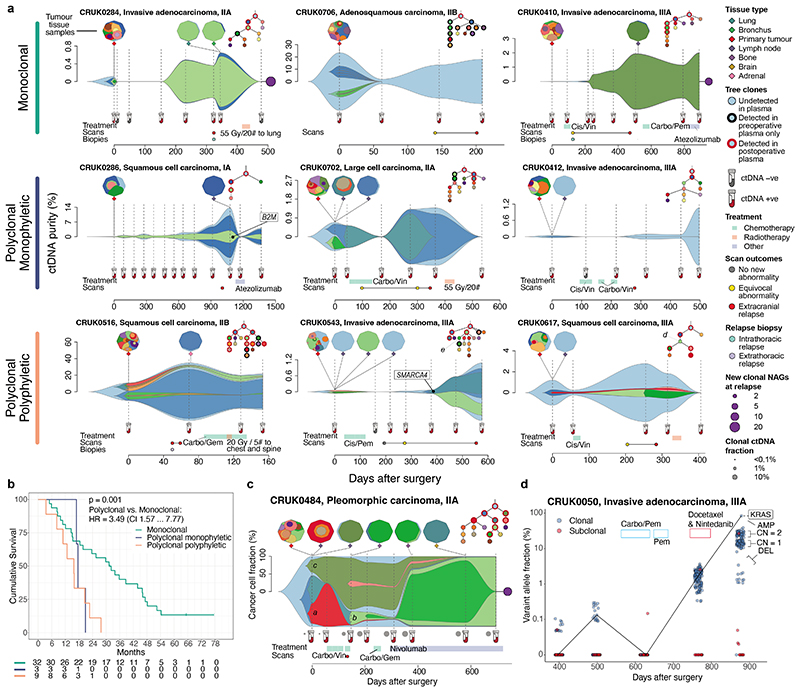
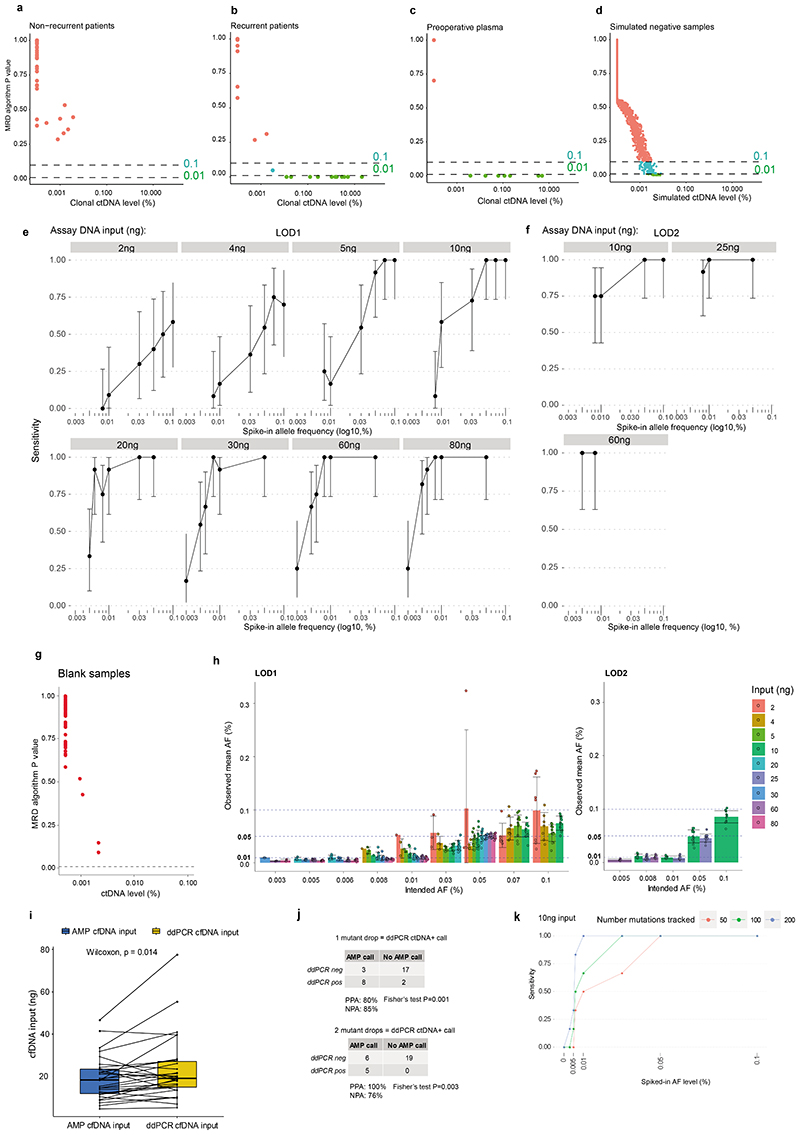
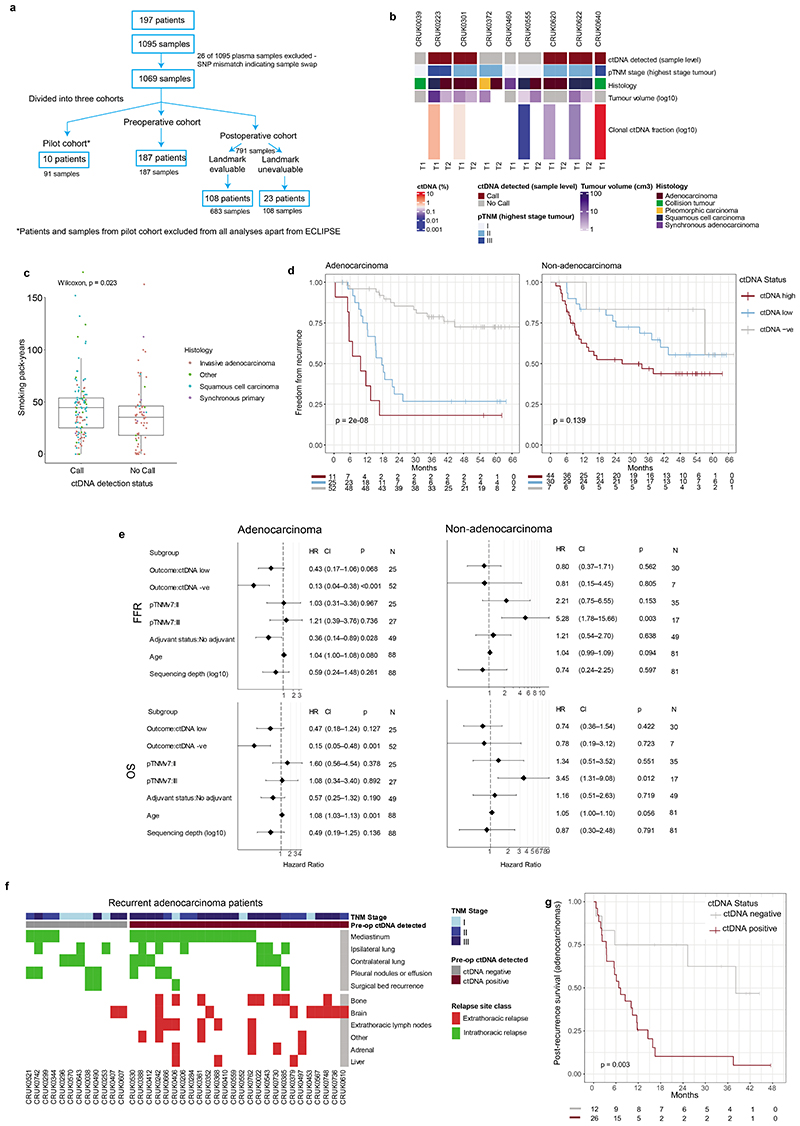
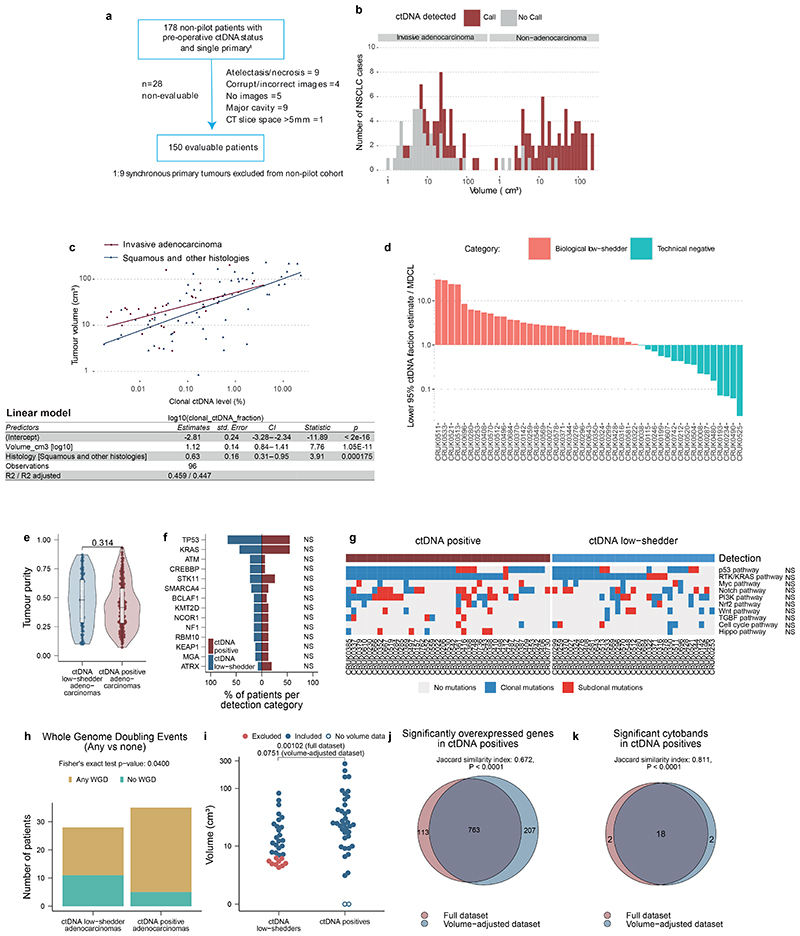
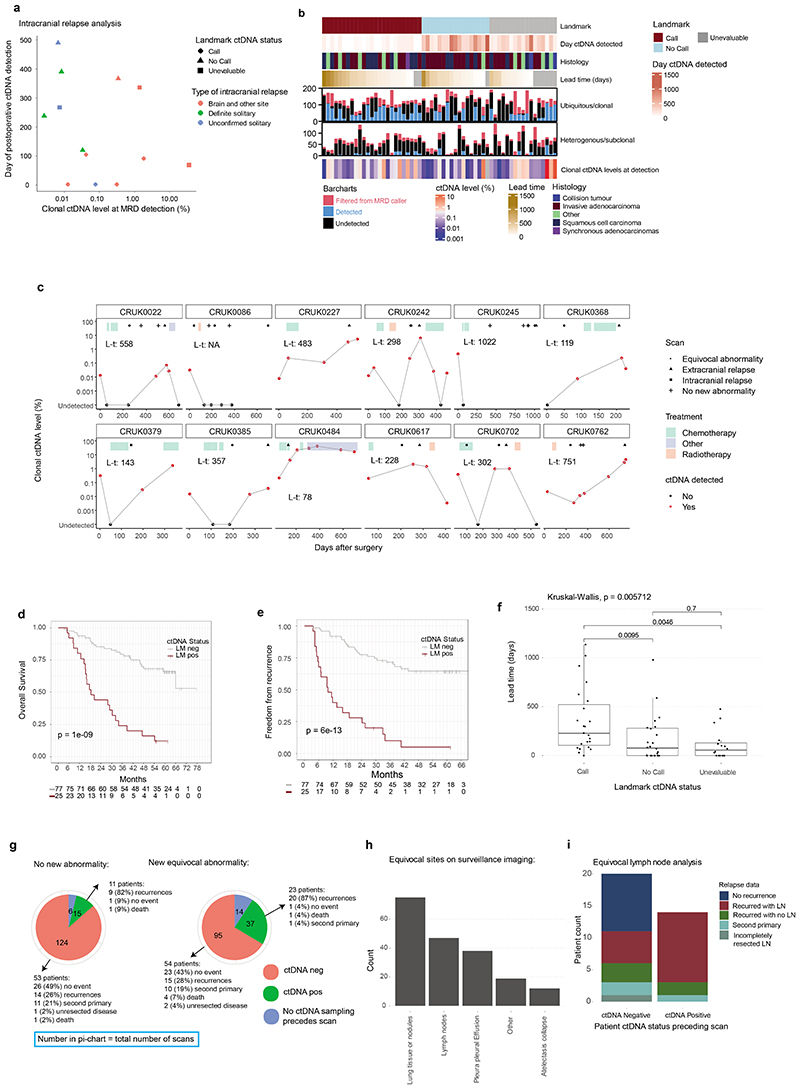
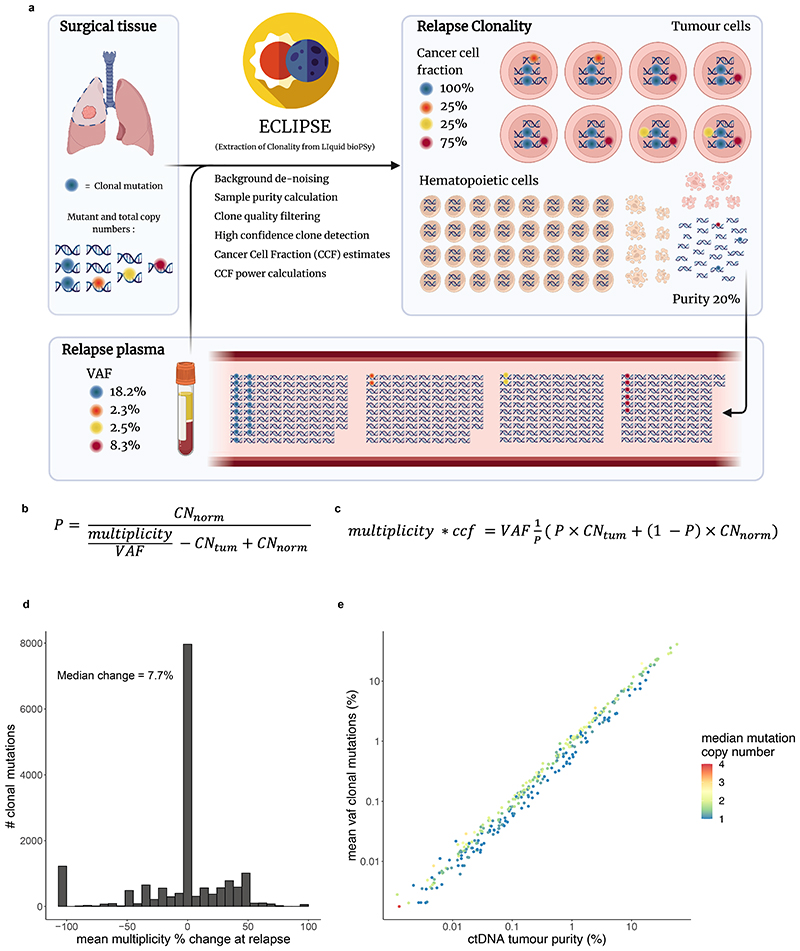
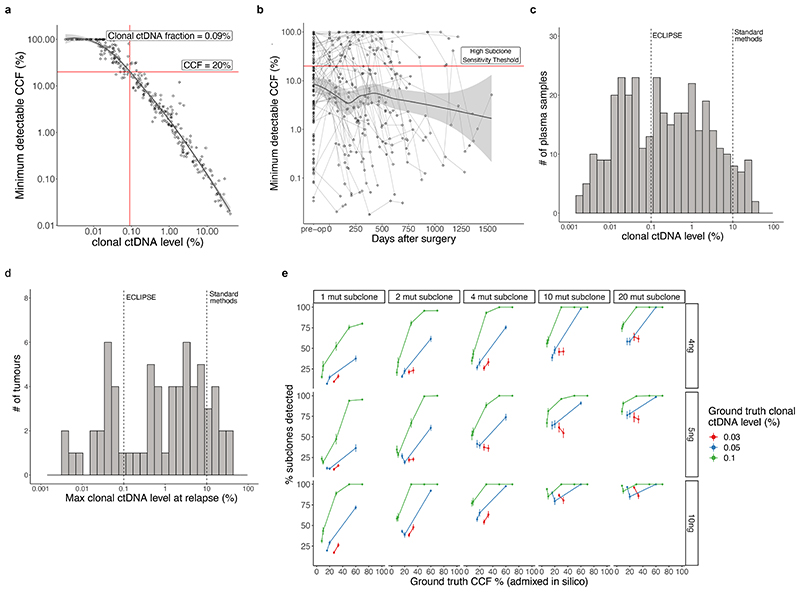
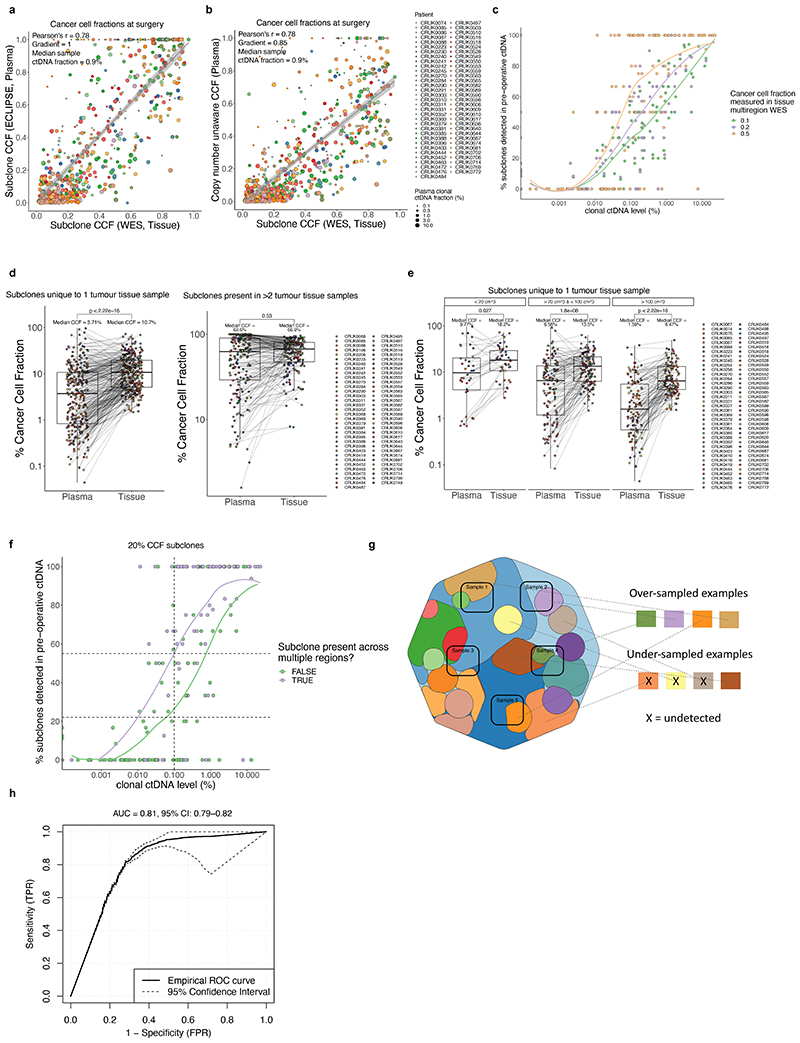
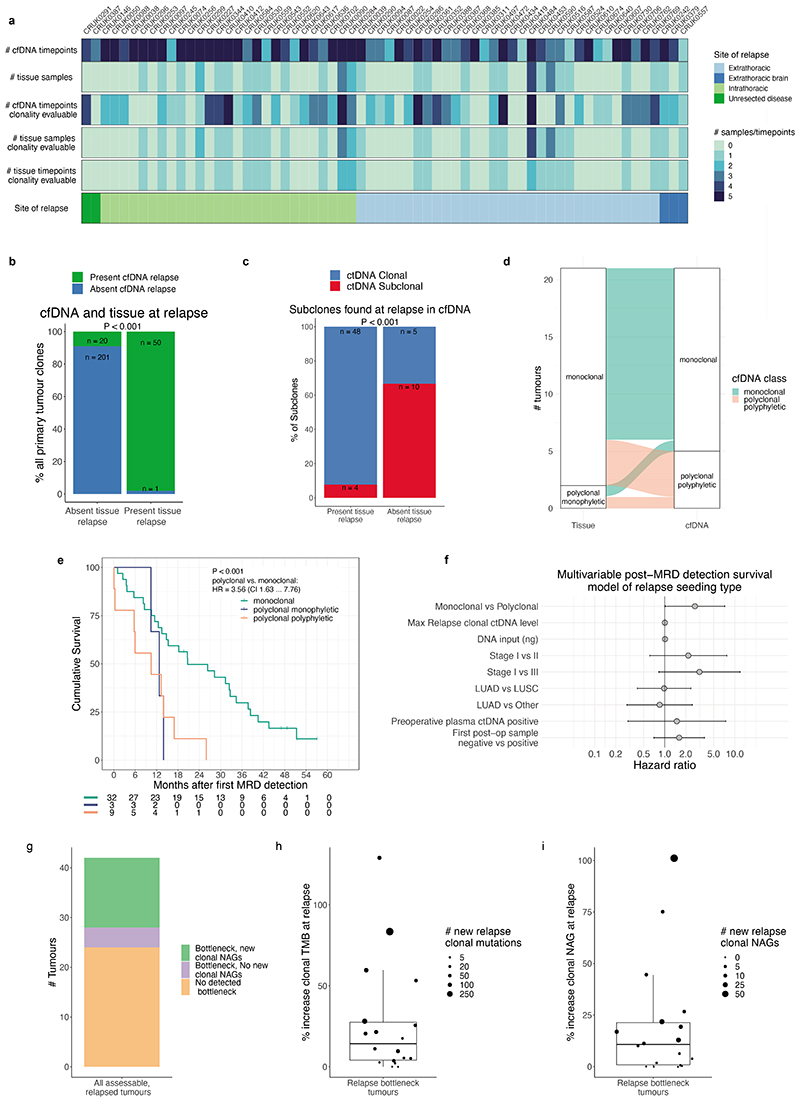
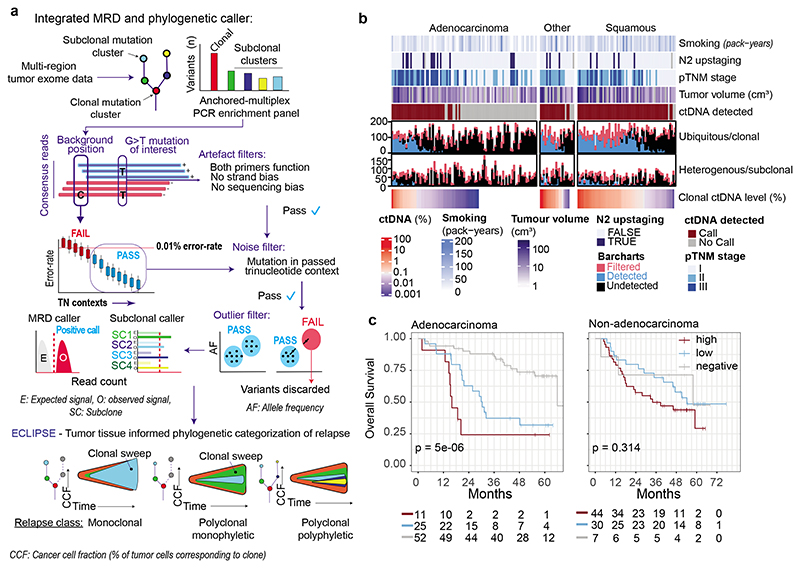
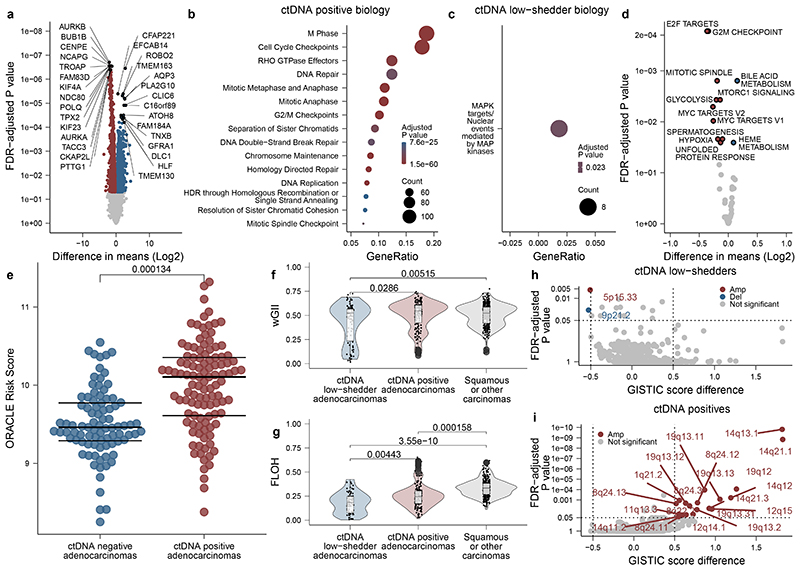
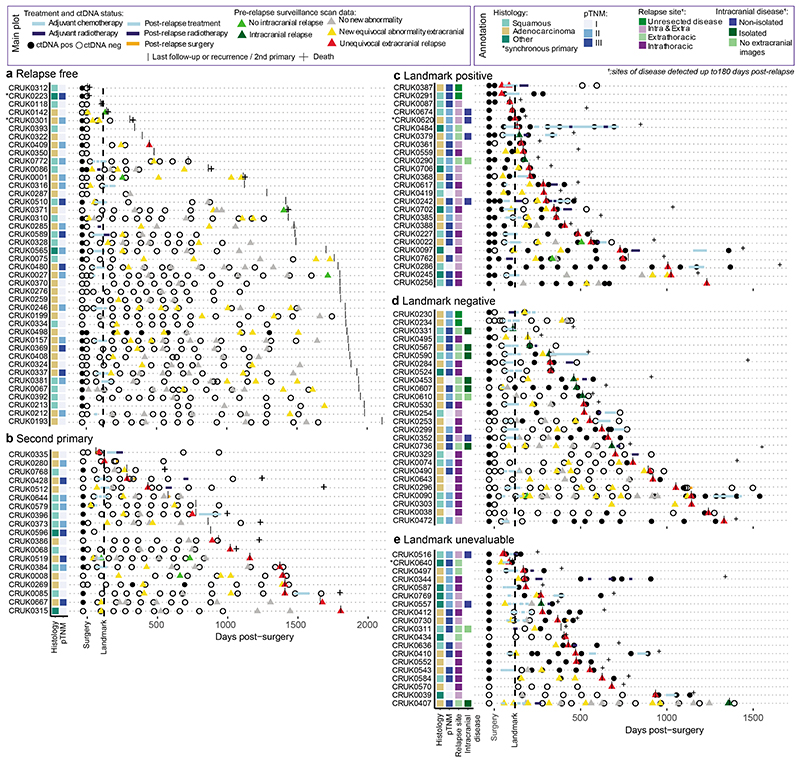
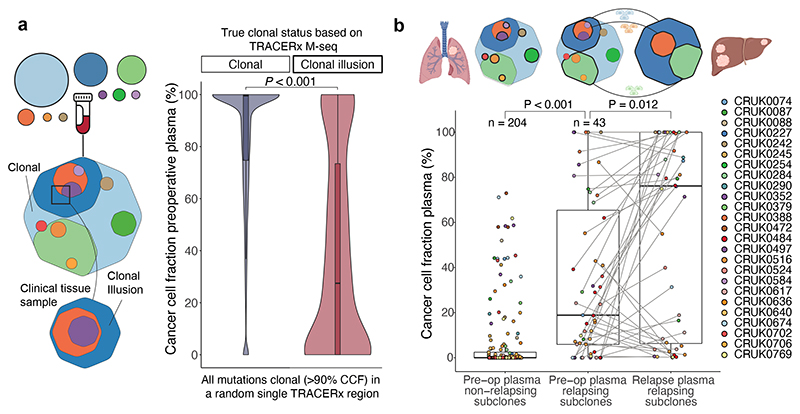
Circulating tumour DNA (ctDNA) can be used to detect and profile residual tumour cells persisting after curative intent therapy. The study of large patient cohorts incorporating longitudinal plasma sampling and extended follow-up is required to determine the role of ctDNA as a phylogenetic biomarker of relapse in early-stage non-small-cell lung cancer (NSCLC). Here we developed ctDNA methods tracking a median of 200 mutations identified in resected NSCLC tissue across 1,069 plasma samples collected from 197 patients enrolled in the TRACERx study. A lack of preoperative ctDNA detection distinguished biologically indolent lung adenocarcinoma with good clinical outcome. Postoperative plasma analyses were interpreted within the context of standard-of-care radiological surveillance and administration of cytotoxic adjuvant therapy. Landmark analyses of plasma samples collected within 120 days after surgery revealed ctDNA detection in 25% of patients, including 49% of all patients who experienced clinical relapse; 3 to 6 monthly ctDNA surveillance identified impending disease relapse in an additional 20% of landmark-negative patients. We developed a bioinformatic tool (ECLIPSE) for non-invasive tracking of subclonal architecture at low ctDNA levels. ECLIPSE identified patients with polyclonal metastatic dissemination, which was associated with a poor clinical outcome. By measuring subclone cancer cell fractions in preoperative plasma, we found that subclones seeding future metastases were significantly more expanded compared with non-metastatic subclones. Our findings will support (neo)adjuvant trial advances and provide insights into the process of metastatic dissemination using low-ctDNA-level liquid biopsy.
循环肿瘤 DNA(ctDNA)可用于检测和分析根治性治疗后持续存在的残留肿瘤细胞。需要对大量患者队列进行研究,包括纵向血浆采样和延长随访,以确定 ctDNA 作为早期非小细胞肺癌(NSCLC)复发的系统发生生物标志物的作用。在这里,我们开发了 ctDNA 方法,可追踪在 TRACERx 研究中招募的 197 名患者的 1069 个血浆样本中检测到的中位数为 200 个在切除的 NSCLC 组织中鉴定出的突变。缺乏术前 ctDNA 检测可区分生物学惰性的肺腺癌和具有良好临床结果的肿瘤。术后血浆分析是在标准影像学监测和细胞毒性辅助治疗的背景下进行解释的。对手术后 120 天内采集的血浆样本进行的里程碑分析显示,25%的患者检测到 ctDNA,包括所有经历临床复发的患者的 49%;3 至 6 个月的 ctDNA 监测在另外 20%的里程碑阴性患者中发现了即将发生的疾病复发。我们开发了一种用于在低 ctDNA 水平下进行亚克隆结构无创跟踪的生物信息学工具(ECLIPSE)。ECLIPSE 识别出具有多克隆转移性播散的患者,其临床结局较差。通过测量术前血浆中的亚克隆癌细胞分数,我们发现播种未来转移的亚克隆明显比非转移性亚克隆扩张得更大。我们的研究结果将支持(新)辅助试验的进展,并提供有关使用低 ctDNA 水平液体活检进行转移扩散过程的见解。