Centre for Motor Neuron Disease Research, Macquarie Medical School, Macquarie University, Sydney, NSW, 2109, Australia.
La Trobe Institute for Molecular Science, La Trobe University, Bundoora, Melbourne, VIC, 3086, Australia.
Transl Neurodegener. 2023 Apr 14;12(1):18. doi: 10.1186/s40035-023-00350-4.
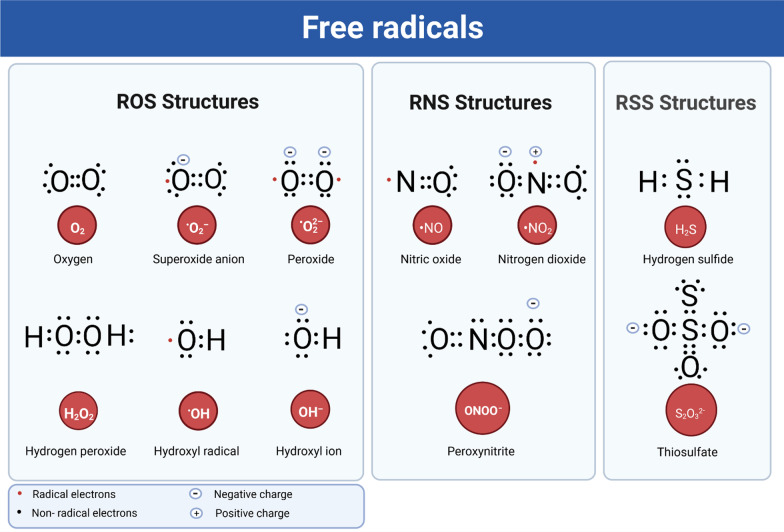
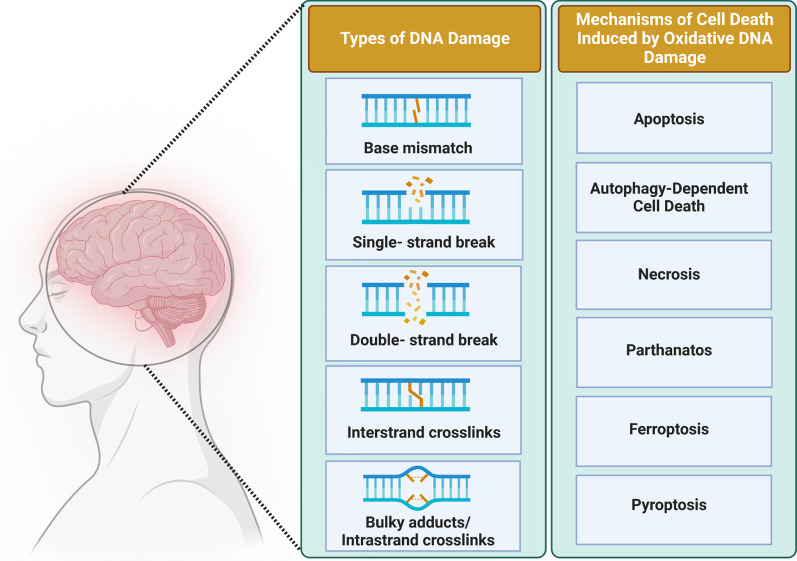
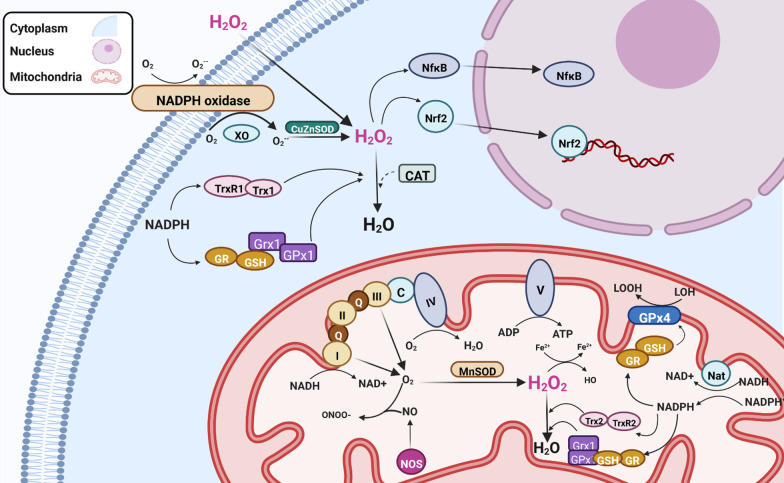
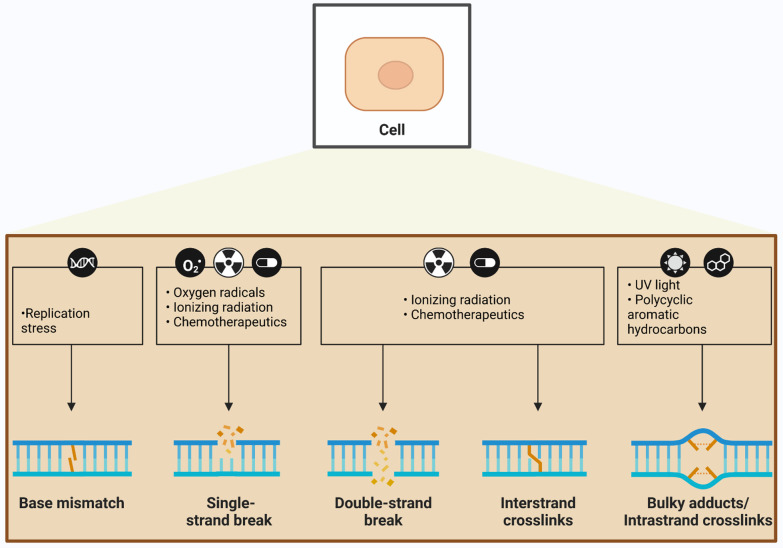
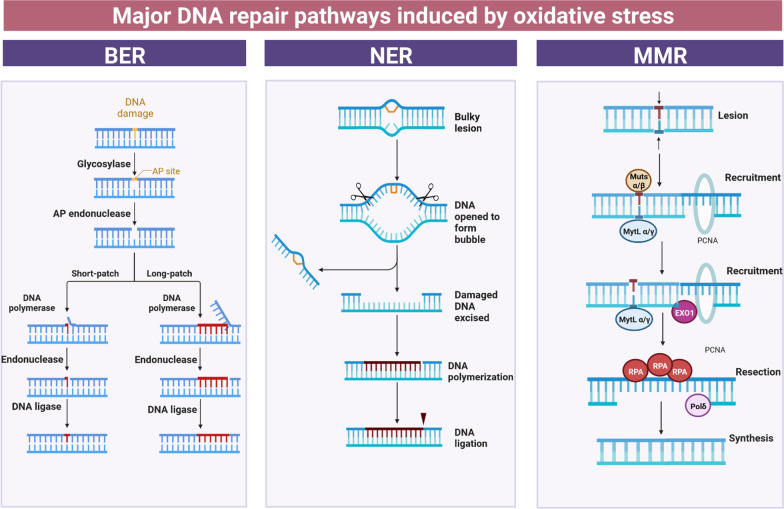
Redox homeostasis refers to the balance between the production of reactive oxygen species (ROS) as well as reactive nitrogen species (RNS), and their elimination by antioxidants. It is linked to all important cellular activities and oxidative stress is a result of imbalance between pro-oxidants and antioxidant species. Oxidative stress perturbs many cellular activities, including processes that maintain the integrity of DNA. Nucleic acids are highly reactive and therefore particularly susceptible to damage. The DNA damage response detects and repairs these DNA lesions. Efficient DNA repair processes are therefore essential for maintaining cellular viability, but they decline considerably during aging. DNA damage and deficiencies in DNA repair are increasingly described in age-related neurodegenerative diseases, such as Alzheimer's disease, Parkinson's disease, amyotrophic lateral sclerosis and Huntington's disease. Furthermore, oxidative stress has long been associated with these conditions. Moreover, both redox dysregulation and DNA damage increase significantly during aging, which is the biggest risk factor for neurodegenerative diseases. However, the links between redox dysfunction and DNA damage, and their joint contributions to pathophysiology in these conditions, are only just emerging. This review will discuss these associations and address the increasing evidence for redox dysregulation as an important and major source of DNA damage in neurodegenerative disorders. Understanding these connections may facilitate a better understanding of disease mechanisms, and ultimately lead to the design of better therapeutic strategies based on preventing both redox dysregulation and DNA damage.
氧化还原平衡是指活性氧(ROS)和活性氮(RNS)的产生与抗氧化剂的清除之间的平衡。它与所有重要的细胞活动有关,氧化应激是促氧化剂和抗氧化剂之间失衡的结果。氧化应激扰乱了许多细胞活动,包括维持 DNA 完整性的过程。核酸具有很高的反应性,因此特别容易受到损伤。DNA 损伤反应检测和修复这些 DNA 损伤。因此,有效的 DNA 修复过程对于维持细胞活力至关重要,但在衰老过程中会大大下降。在与年龄相关的神经退行性疾病(如阿尔茨海默病、帕金森病、肌萎缩侧索硬化症和亨廷顿病)中,越来越多的人描述了 DNA 损伤和 DNA 修复缺陷。此外,氧化应激长期以来一直与这些疾病有关。此外,氧化还原失调和 DNA 损伤在衰老过程中显著增加,这是神经退行性疾病的最大风险因素。然而,氧化还原功能障碍与 DNA 损伤之间的联系,以及它们在这些疾病的病理生理学中的联合作用,才刚刚开始显现。本文将讨论这些关联,并探讨氧化还原失调作为神经退行性疾病中 DNA 损伤的重要和主要来源的证据越来越多。了解这些联系可能有助于更好地理解疾病机制,并最终导致设计更好的治疗策略,以预防氧化还原失调和 DNA 损伤。