Braun School of Public Health, Hebrew University of Jerusalem, Jerusalem, Israel.
Department of Occupational Medicine, Clalit Health Services, Jerusalem District, Jerusalem, Israel.
Int Arch Occup Environ Health. 2023 Jul;96(5):771-784. doi: 10.1007/s00420-023-01975-8. Epub 2023 Apr 14.
To investigate the annual rate of NIHL in Israel, a modern economy with relatively low industrial hazardous noise exposure. To review international protocols of hearing surveillance. To recommend an effective, efficient, hearing screening frequency protocol.
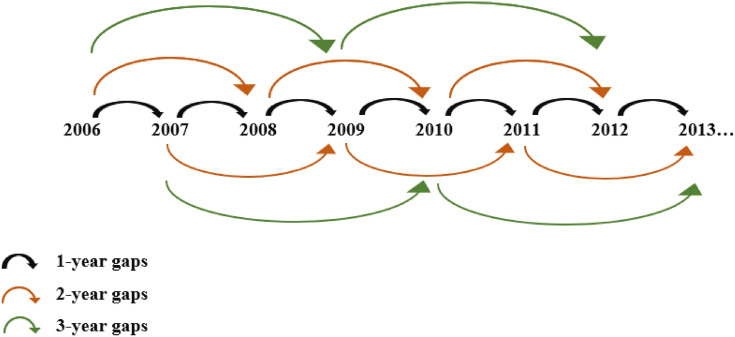
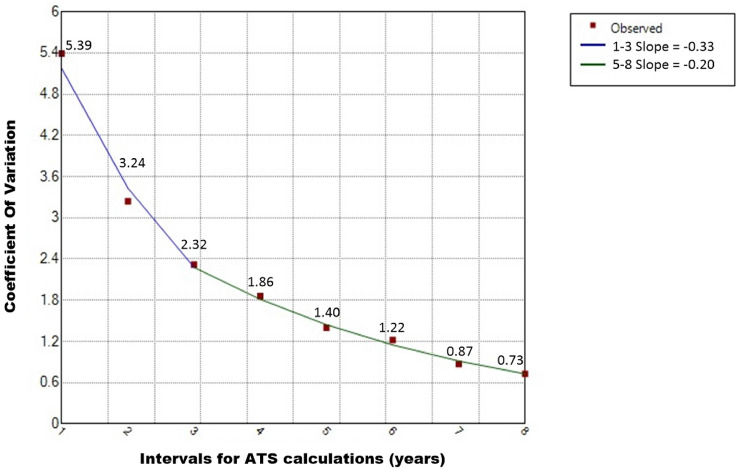
A historical cohort study was conducted. Audiometric surveillance data from the Jerusalem occupational medicine registry of male employees in various industries from 2006 to 2017 were used. Mean individual annual threshold shifts simulating 1-8 checkup interval years were calculated. Joinpoint regression analysis was used to assess the interval in which the slope of the calculated ATS variability moderates significantly.
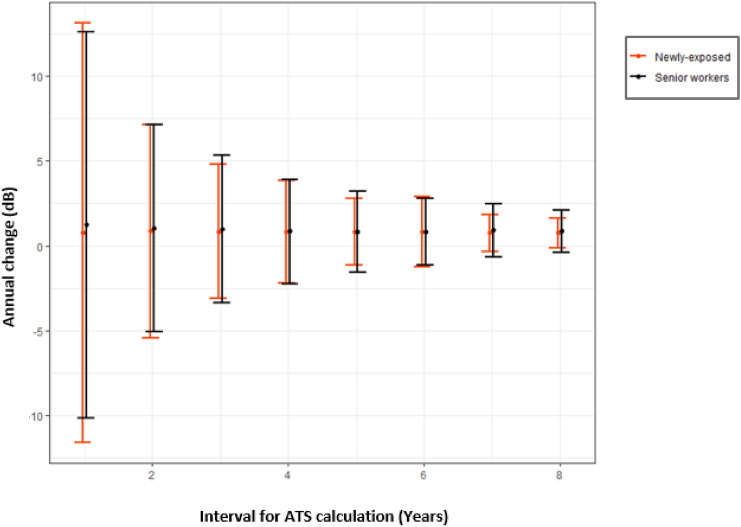
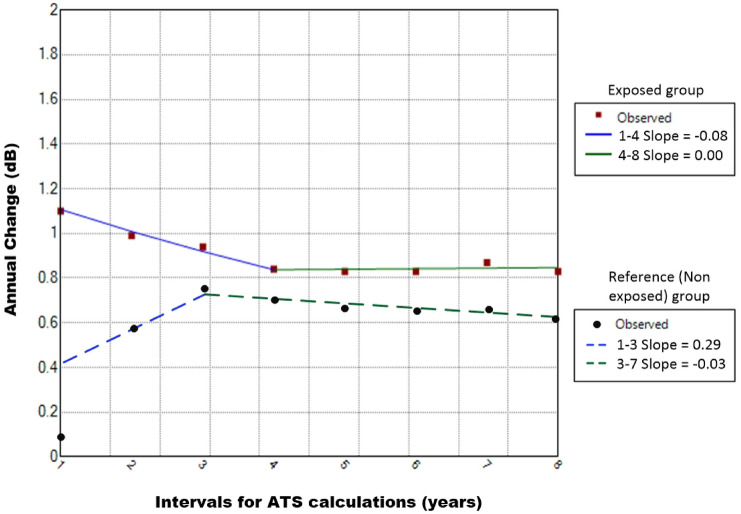
A total of 263 noise-exposed workers and 93 workers in the comparison group produced 1913 audiograms for analysis. Among the noise-exposed workers, using the 1-4 kHz average, threshold shifts stabilized from 3 years onwards at around 1 dB per year in all age groups and 0.83 dB in the stratum younger than 50 years. No enhanced decline was detected in the first years of exposure.
Although most countries conduct annual hearing surveillance, hearing threshold shifts of noise-exposed workers become more accurate and show less variability when calculated at 3-year checkup intervals onwards than shorter intervals. Since margins of errors of the test method are much larger than the annual shift found, screening schedule that enables each subsequent test to identify a real deterioration in hearing is necessary. Triennial audiometric screening would be a better surveillance frequency for noise-exposed workers younger than 50 years of age in the category of 85-95 dBL without other known risk factors.
调查以色列的噪声性听力损失(NIHL)年发生率。以色列是一个现代化经济体,工业危险噪声暴露相对较低。审查听力监测的国际方案。建议有效的、高效的听力筛查频率方案。
进行了一项历史性队列研究。使用了 2006 年至 2017 年来自不同行业的男性员工耶路撒冷职业医学登记处的听力监测数据。计算模拟 1-8 次检查间隔年的个体平均年阈移。使用 Joinpoint 回归分析评估计算出的 ATS 变化率斜率明显变化的间隔。
共有 263 名噪声暴露工人和 93 名对照组工人共产生了 1913 份听力图进行分析。在噪声暴露工人中,使用 1-4 kHz 平均值,所有年龄组的阈移从 3 年开始稳定在每年约 1 dB,50 岁以下人群的阈移为 0.83 dB。在接触噪声的最初几年,没有发现听力下降加速。
尽管大多数国家都进行了年度听力监测,但在接触噪声的工人中,3 年检查间隔的听力阈值变化比更短的间隔更准确,变化也更小。由于测试方法的误差幅度远大于发现的年度变化幅度,因此需要制定能够识别听力实际恶化的筛查方案。对于无其他已知危险因素、85-95 dBL 级别的 50 岁以下噪声暴露工人,每 3 年进行一次听力筛查是一种更好的监测频率。