Department of Respiratory, The First People's Hospital of Zigong City, No.42, Shangyihao Road, Ziliujing District, Zigong City, 643000, Sichuan, China.
Medical School, Nantong University, Nantong, 226001, Jiangsu, China.
World J Surg Oncol. 2023 Apr 14;21(1):132. doi: 10.1186/s12957-023-02928-8.
RNA-binding motif protein 14 (RBM14) is upregulated in a variety of tumors. However, the expression and biological role of RBM14 in lung cancer remain unclear.
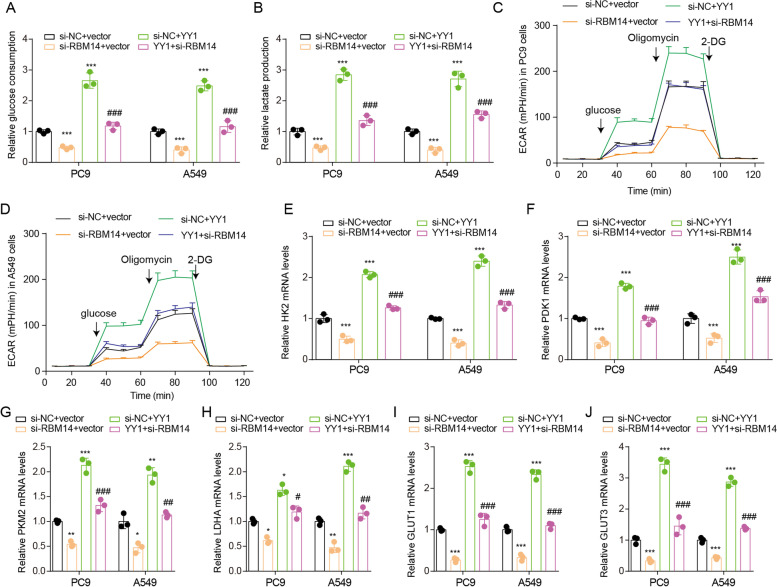
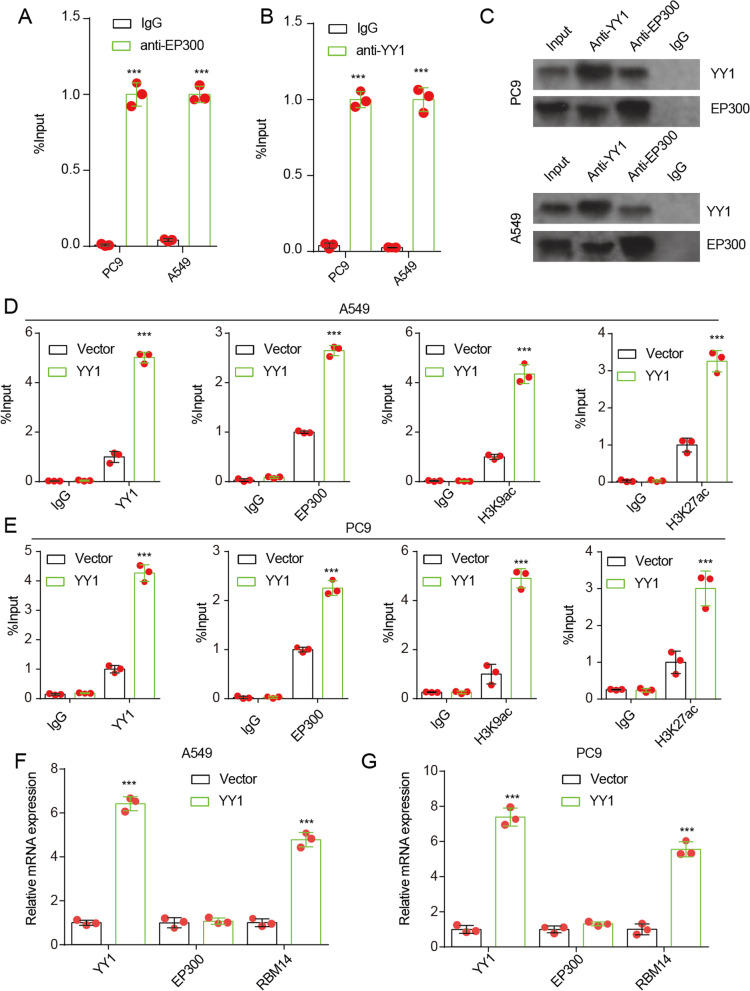
Chromatin immunoprecipitation and PCR were carried out to measure the levels of sedimentary YY1, EP300, H3K9ac, and H3K27ac in the RBM14 promoter. Co-immunoprecipitation was used to verify the interaction between YY1 and EP300. Glycolysis was investigated according to glucose consumption, lactate production, and the extracellular acidification rate (ECAR).
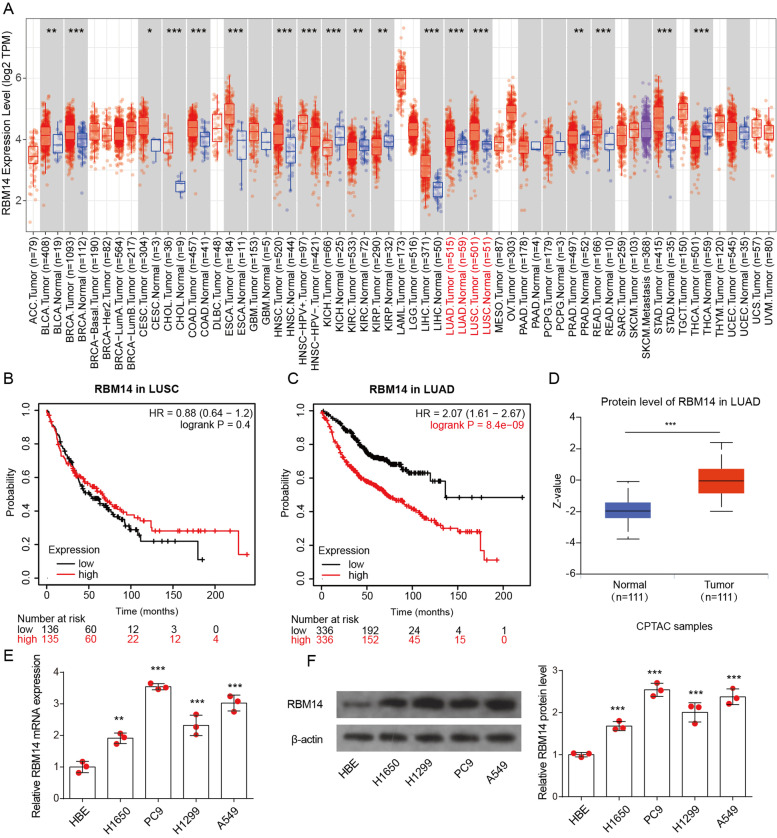
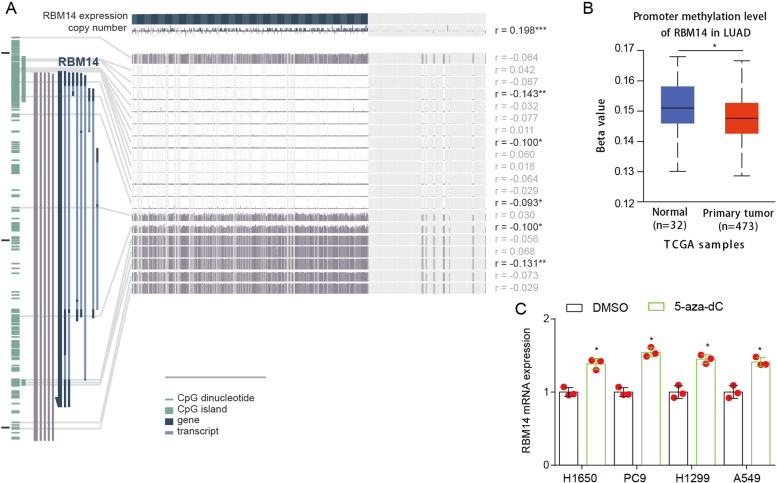
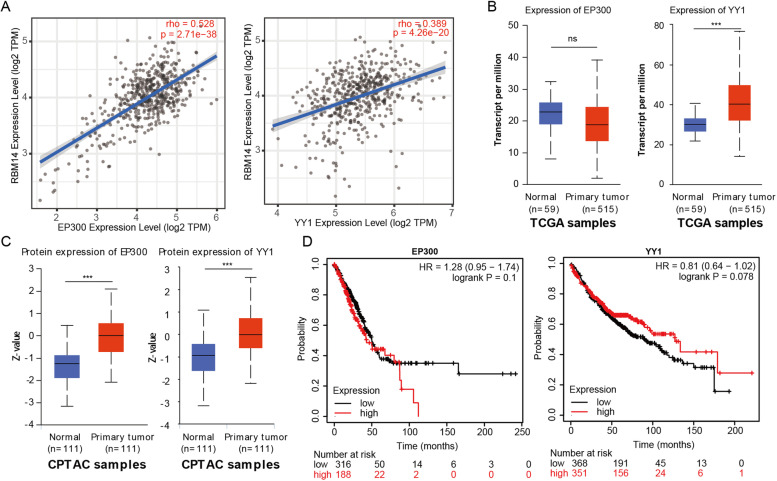
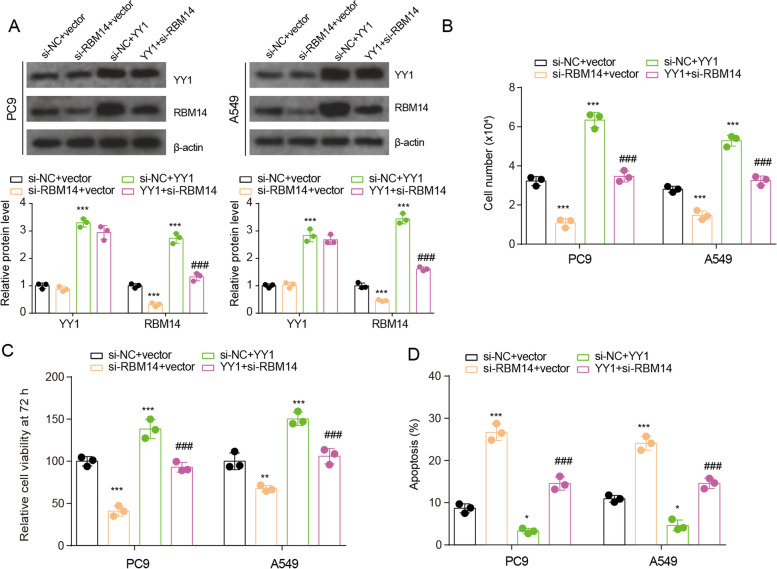
RBM14 level is increased in lung adenocarcinoma (LUAD) cells. The increased RBM14 expression was correlated with TP53 mutation and individual cancer stages. A high level of RBM14 predicted a poorer overall survival of LUAD patients. The upregulated RBM14 in LUAD is induced by DNA methylation and histone acetylation. The transcription factor YY1 directly binds to EP300 and recruits EP300 to the promoter regions of RBM14, which further enhances H3K27 acetylation and promotes RBM14 expression. YY1-induced upregulation of RBM14 promoted cell growth and inhibited apoptosis by affecting the reprogramming of glycolysis.
These results indicated that epigenetically activated RBM14 regulated growth and apoptosis by regulating the reprogramming of glycolysis and RBM14 may serve as a promising biomarker and therapeutic target for LUAD.
RNA 结合基序蛋白 14(RBM14)在多种肿瘤中上调。然而,RBM14 在肺癌中的表达和生物学作用尚不清楚。
采用染色质免疫沉淀和 PCR 检测 RBM14 启动子中 YY1、EP300、H3K9ac 和 H3K27ac 的沉降水平。共免疫沉淀验证 YY1 和 EP300 之间的相互作用。根据葡萄糖消耗、乳酸生成和细胞外酸化率(ECAR)研究糖酵解。
RBM14 水平在肺腺癌(LUAD)细胞中增加。增加的 RBM14 表达与 TP53 突变和个体癌症分期相关。高水平的 RBM14 预测 LUAD 患者总体生存率较差。LUAD 中上调的 RBM14 是由 DNA 甲基化和组蛋白乙酰化诱导的。转录因子 YY1 直接与 EP300 结合,并将 EP300 募集到 RBM14 的启动子区域,进一步增强 H3K27 乙酰化,促进 RBM14 表达。YY1 诱导的 RBM14 上调通过影响糖酵解的重编程促进细胞生长和抑制细胞凋亡。
这些结果表明,表观遗传激活的 RBM14 通过调节糖酵解的重编程来调节生长和凋亡,RBM14 可能作为 LUAD 的有前途的生物标志物和治疗靶点。