Hugh Sinclair Unit of Human Nutrition, and Institute for Cardiovascular and Metabolic Research, Department of Food and Nutritional Science, University of Reading, Whiteknights, Pepper Lane, Harry Nursten Building, Reading, UK.
Department of Molecular Epidemiology, German Institute of Human Nutrition Potsdam-Rehbruecke, Nuthetal, Germany; German Center for Diabetes Research (DZD), München-Neuherberg, Germany.
Am J Clin Nutr. 2023 Jun;117(6):1248-1261. doi: 10.1016/j.ajcnut.2023.03.024. Epub 2023 Apr 11.
The effects of replacing dietary saturated fatty acids (SFAs) with monounsaturated fatty acids (MUFAs) and/or polyunsaturated fatty acids (PUFAs) on the plasma lipidome in relation to the cardiometabolic disease (CMD) risk is poorly understood.
We aimed to assess the impact of substituting dietary SFAs with unsaturated fatty acids (UFAs) on the plasma lipidome and examine the relationship between lipid metabolites modulated by diet and CMD risk.
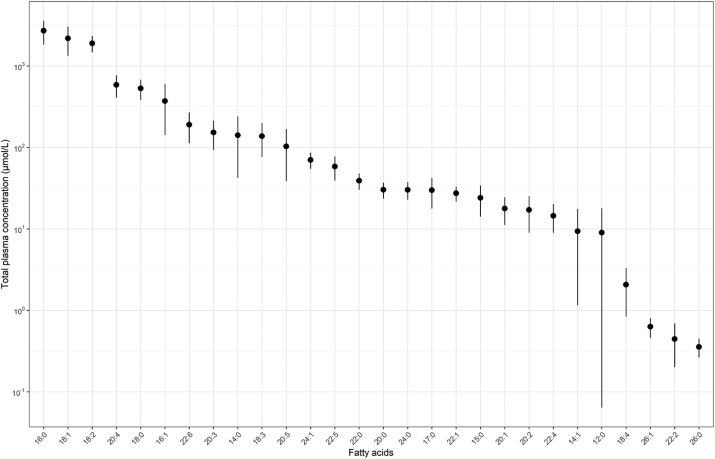
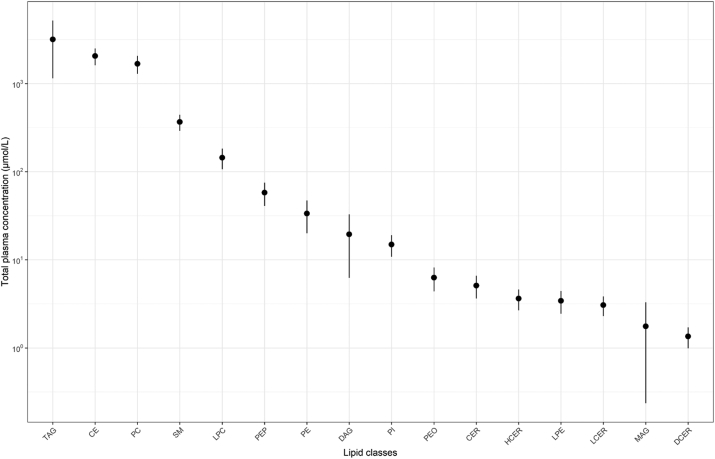
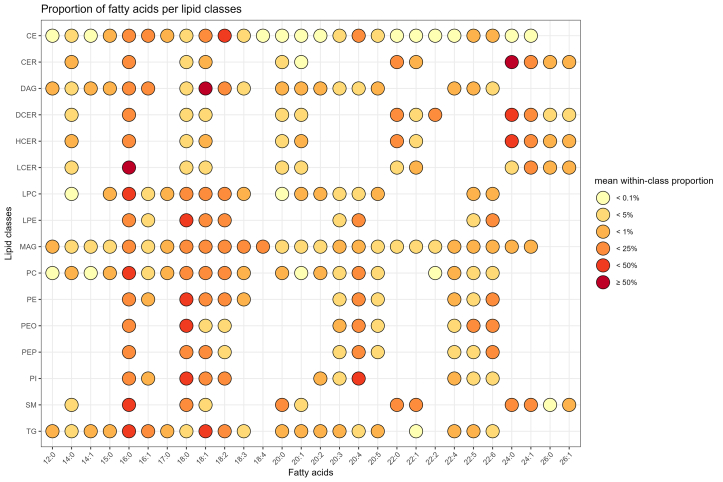
Plasma fatty acid (FA) concentrations among 16 lipid classes (within-class FAs) were measured in a subgroup from the Dietary Intervention and VAScular function (DIVAS) parallel randomized controlled trial (n = 113/195), which consisted of three 16-wk diets enriched in SFAs (target SFA:MUFA:n-6PUFA ratio = 17:11:4% total energy [TE]), MUFAs (9:19:4% TE), or a MUFA/PUFA mixture (9:13:10% TE). Similar lipidomics analyses were conducted in the European Prospective Investigation into Cancer and Nutrition (EPIC)-Potsdam study (specific case/cohorts: n = 775/1886 for type 2 diabetes [T2D], n = 551/1671 for cardiovascular disease [CVD]). Multiple linear regression and multivariable Cox models identified within-class FAs sensitive to replacement of dietary SFA with UFA in DIVAS and their association with CMD risk in EPIC-Potsdam. Elastic-net regression models identified within-class FAs associated with changes in CMD risk markers post-DIVAS interventions.
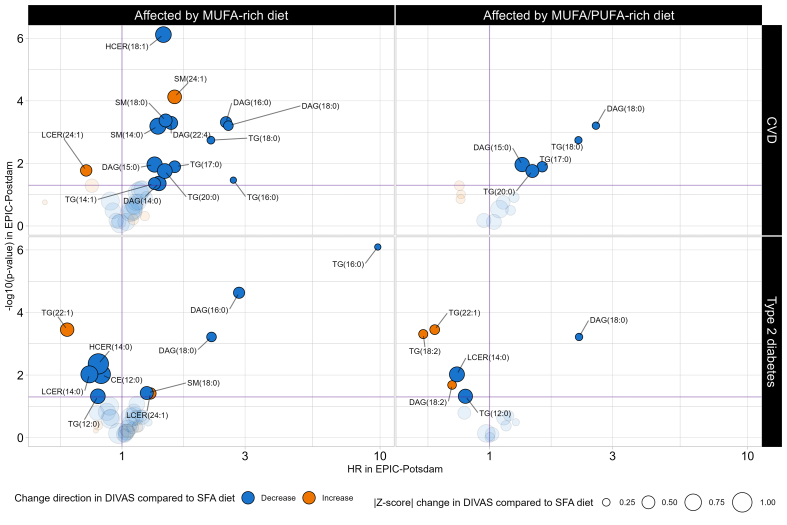
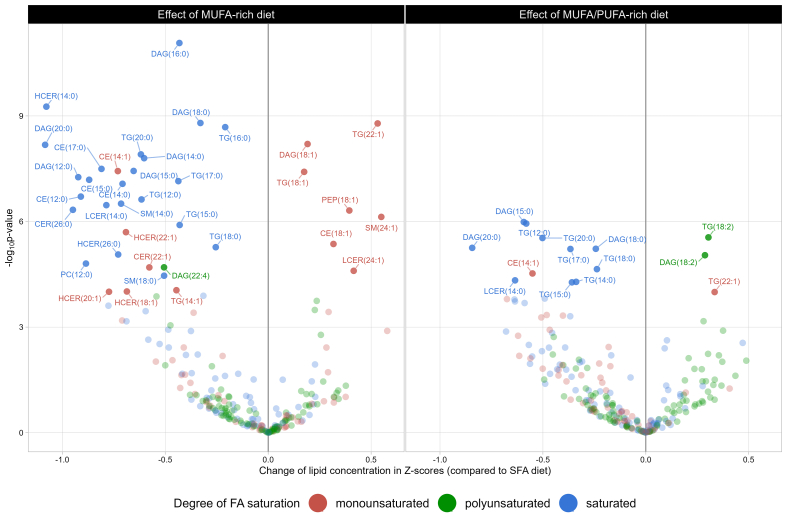
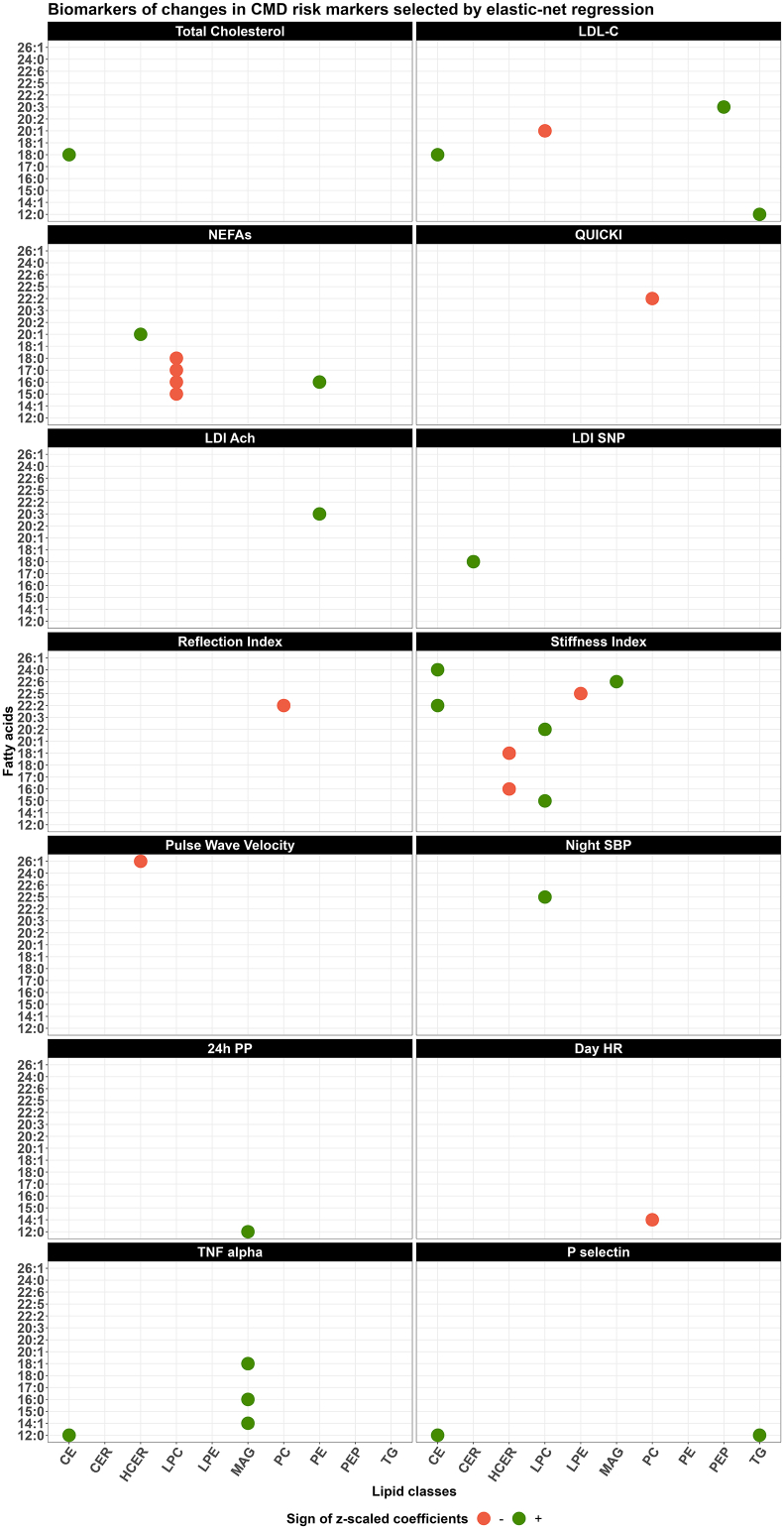
DIVAS high-UFA interventions reduced plasma within-class FAs associated with a higher CVD risk in EPIC-Potsdam, especially SFA-containing glycerolipids and sphingolipids (e.g., diacylglycerol (20:0) z-score = -1.08; SE = 0.17; P value < 10), whereas they increased those inversely associated with CVD risk. The results on T2D were less clear. Specific sphingolipids and phospholipids were associated with changes in markers of endothelial function and ambulatory blood pressure, whereas higher low-density lipoprotein cholesterol concentrations were characterized by higher plasma glycerolipids containing lauric and stearic acids.
These results suggest a mediating role of plasma lipid metabolites in the association between dietary fat and CMD risk. Future research combining interventional and observational findings will further our understanding of the role of dietary fat in CMD etiology. This trial was registered in ClinicalTrials.gov as NCT01478958.
用单不饱和脂肪酸(MUFAs)和/或多不饱和脂肪酸(PUFAs)替代膳食饱和脂肪酸(SFAs)对血浆脂质组与代谢性心血管疾病(CMD)风险的影响尚不清楚。
我们旨在评估用不饱和脂肪酸(UFAs)替代膳食 SFAs 对血浆脂质组的影响,并研究饮食调节的脂质代谢物与 CMD 风险之间的关系。
在 Dietary Intervention and Vascular function(DIVAS)平行随机对照试验(n=195 人,分为富含 SFAs[目标 SFA:MUFA:n-6PUFA 比=17:11:4%总能量(TE)]、MUFAs(9:19:4%TE)或 MUFA/PUFA 混合物(9:13:10%TE)的三种 16 周饮食的亚组中,测量了 16 种脂质类别的血浆脂肪酸(FA)浓度(类内 FA)。在欧洲癌症与营养前瞻性调查(EPIC)-波茨坦研究中进行了类似的脂质组学分析(特定病例/队列:T2D 的 n=775/1886,CVD 的 n=551/1671)。多元线性回归和多变量 Cox 模型确定了 DIVAS 中替代膳食 SFA 的类内 FA 敏感,以及它们与 EPIC-Potsdam 中 CMD 风险的关联。弹性网络回归模型确定了与 DIVAS 干预后 CMD 风险标志物变化相关的类内 FA。
DIVAS 高 UFA 干预降低了与 EPIC-Potsdam 中 CVD 风险较高相关的类内 FA,特别是含有 SFA 的甘油磷脂和鞘脂(例如,二酰基甘油(20:0)z 分数=-1.08;SE=0.17;P 值<10),而增加了与 CVD 风险呈负相关的类内 FA。T2D 的结果不太清楚。特定的鞘脂和磷脂与内皮功能和动态血压标志物的变化相关,而较高的低密度脂蛋白胆固醇浓度与含有月桂酸和硬脂酸的血浆甘油磷脂有关。
这些结果表明,血浆脂质代谢物在膳食脂肪与 CMD 风险之间的关联中起中介作用。结合干预性和观察性研究的结果将进一步加深我们对膳食脂肪在 CMD 病因学中的作用的理解。该试验在 ClinicalTrials.gov 上注册为 NCT01478958。