Liu Zhixin, Chen Shuai, Jia Wenming, Qian Ye, Yang Xiaoqi, Zhang Minfa, Fang Tianhe, Liu Heng
Department of Orthopedics, Qilu Hospital of Shandong University, Jinan, Shandong, China.
NHC Key Laboratory of Otorhinolaryngology, Qilu Hospital of Shandong University, Jinan, Shandong, China.
Front Oncol. 2023 Mar 30;13:1113781. doi: 10.3389/fonc.2023.1113781. eCollection 2023.
Coiled-coil domain containing 60 (CCDC60) is a member of the CCDC family, which participates in the progression of many types of cancer. However, the prognostic value of CCDC60 in head and neck squamous cell carcinoma (HNSC) and its function in tumor immunity remain unclear.
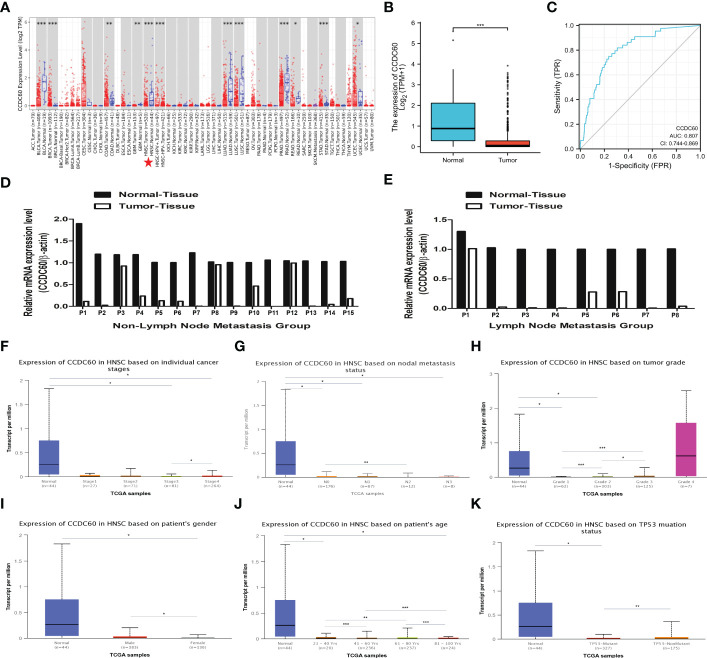
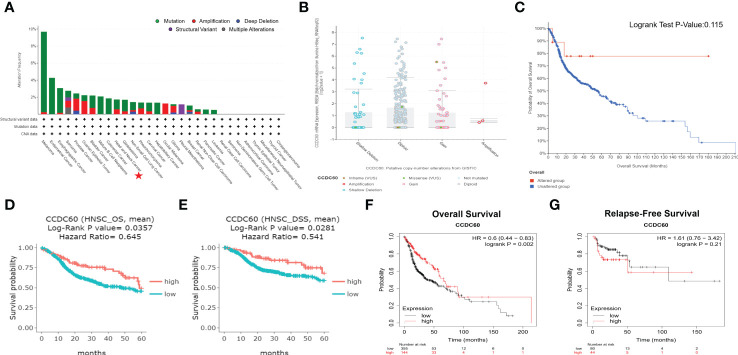
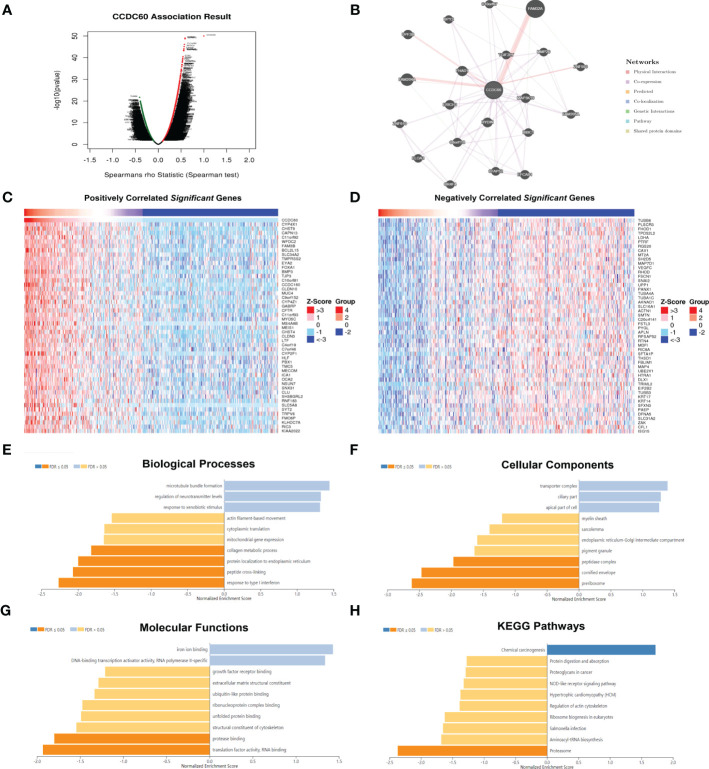
CCDC60 expression and its prognostic potential in HNSC were evaluated by bioinformatics approaches, which was validated in human HNSC samples. Genetic alteration analysis of CCDC60 and the underlying biological function of CCDC60 related co-expressed genes in HNSC were analyzed. The impact of CCDC60 on the regulation of immune infiltration in HNSC was comprehensively investigated. , a series of functional assays on CCDC60 were performed in HNSC cells.
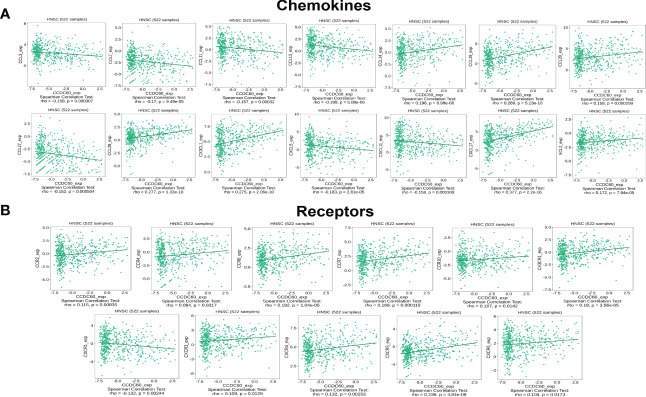
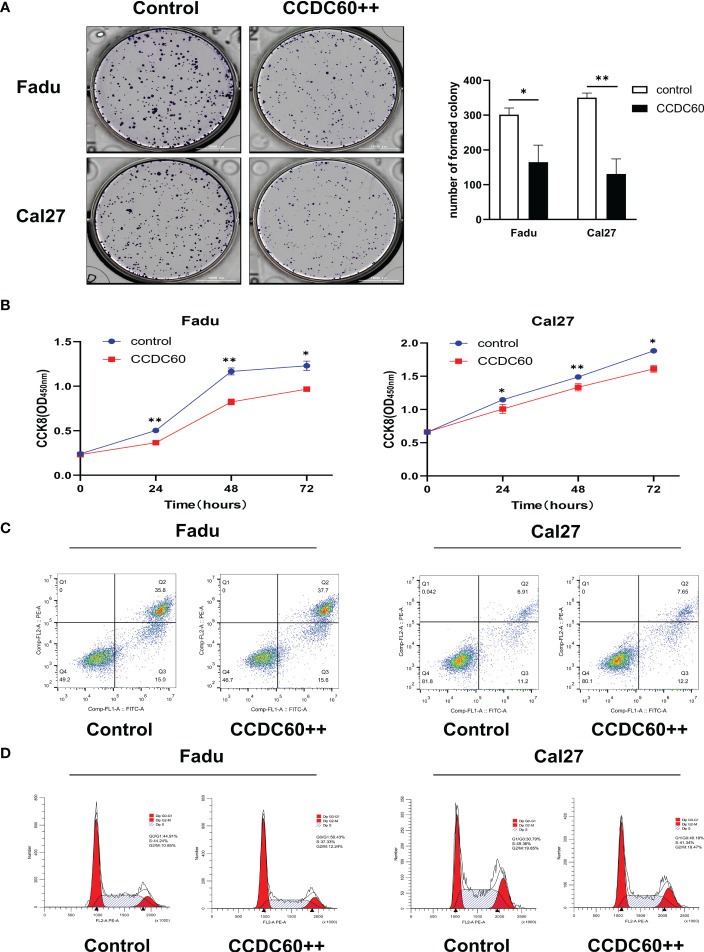
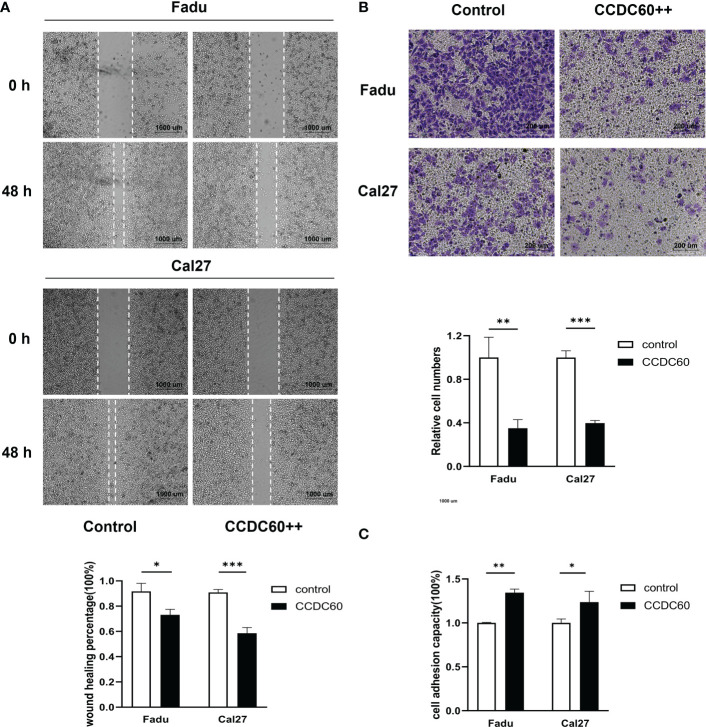
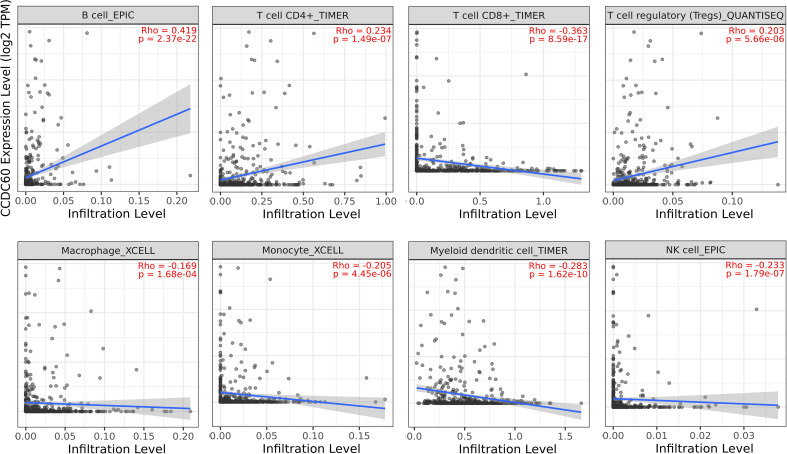
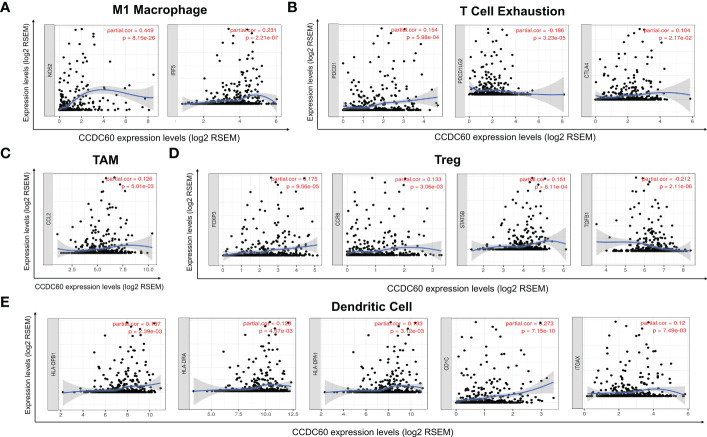
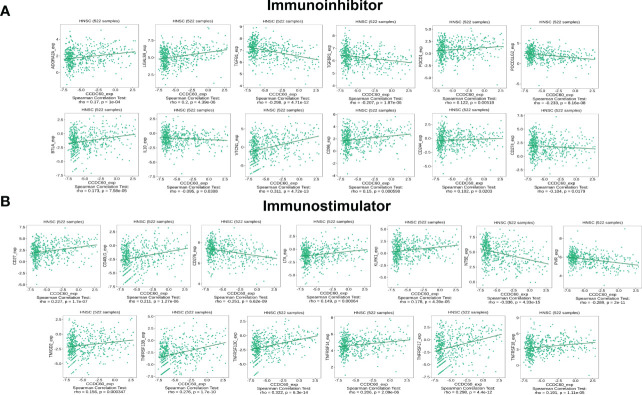
Our study has indicated that compared with the adjacent normal tissues, CCDC60 expression was considerably downregulated in HNSC tissues. High CCDC60 expression was connected with favorable outcome of HNSC patients, and its prognostic significance was examined by distinct clinical characteristics. We identified the CCDC60-related co-expression genes, which were mainly enriched in the NOD-like receptor signaling pathway associated with the inhibition of tumor growth, leading to a better prognosis of HNSC patients. , CCDC60 overexpression significantly inhibited the growth, migration and invasiveness but regulated cell cycle progression, and promoted cell adhesion of Fadu and Cal27 cells. Additionally, high CCDC60 expression had strong connections with the infiltrating levels of immune cells, immune marker sets, immunomodulators and chemokines in HNSC, suggesting that targeting CCDC60 could be a promising strategy to enhance the efficacy of immunotherapy for HNSC patients.
Tumor suppressor CCDC60 may be identified as a prognostic and immune-related indicator in HNSC, which had the potential functions in regulating the immune infiltration of HNSC and improving the response to immunotherapy for HNSC patients.
含卷曲螺旋结构域蛋白60(CCDC60)是CCDC家族的成员之一,参与多种癌症的进展。然而,CCDC60在头颈部鳞状细胞癌(HNSC)中的预后价值及其在肿瘤免疫中的作用仍不清楚。
采用生物信息学方法评估CCDC60在HNSC中的表达及其预后潜力,并在人HNSC样本中进行验证。分析了CCDC60的基因改变以及HNSC中与CCDC60相关的共表达基因的潜在生物学功能。全面研究了CCDC60对HNSC免疫浸润调节的影响。此外,在HNSC细胞中对CCDC60进行了一系列功能测定。
我们的研究表明,与相邻正常组织相比,CCDC60在HNSC组织中的表达明显下调。CCDC60高表达与HNSC患者的良好预后相关,并且通过不同的临床特征检验了其预后意义。我们鉴定了与CCDC60相关的共表达基因,这些基因主要富集在与抑制肿瘤生长相关的NOD样受体信号通路中,从而导致HNSC患者预后更好。此外,CCDC60过表达显著抑制了Fadu和Cal27细胞的生长、迁移和侵袭,但调节了细胞周期进程,并促进了细胞黏附。此外,CCDC60高表达与HNSC中免疫细胞、免疫标志物集、免疫调节剂和趋化因子的浸润水平密切相关,这表明靶向CCDC60可能是提高HNSC患者免疫治疗疗效的一种有前景的策略。
肿瘤抑制因子CCDC60可能被鉴定为HNSC中的一种预后和免疫相关指标,其在调节HNSC的免疫浸润和改善HNSC患者对免疫治疗的反应方面具有潜在功能。