IEEE Trans Neural Syst Rehabil Eng. 2023;31:2132-2139. doi: 10.1109/TNSRE.2023.3267807. Epub 2023 May 2.
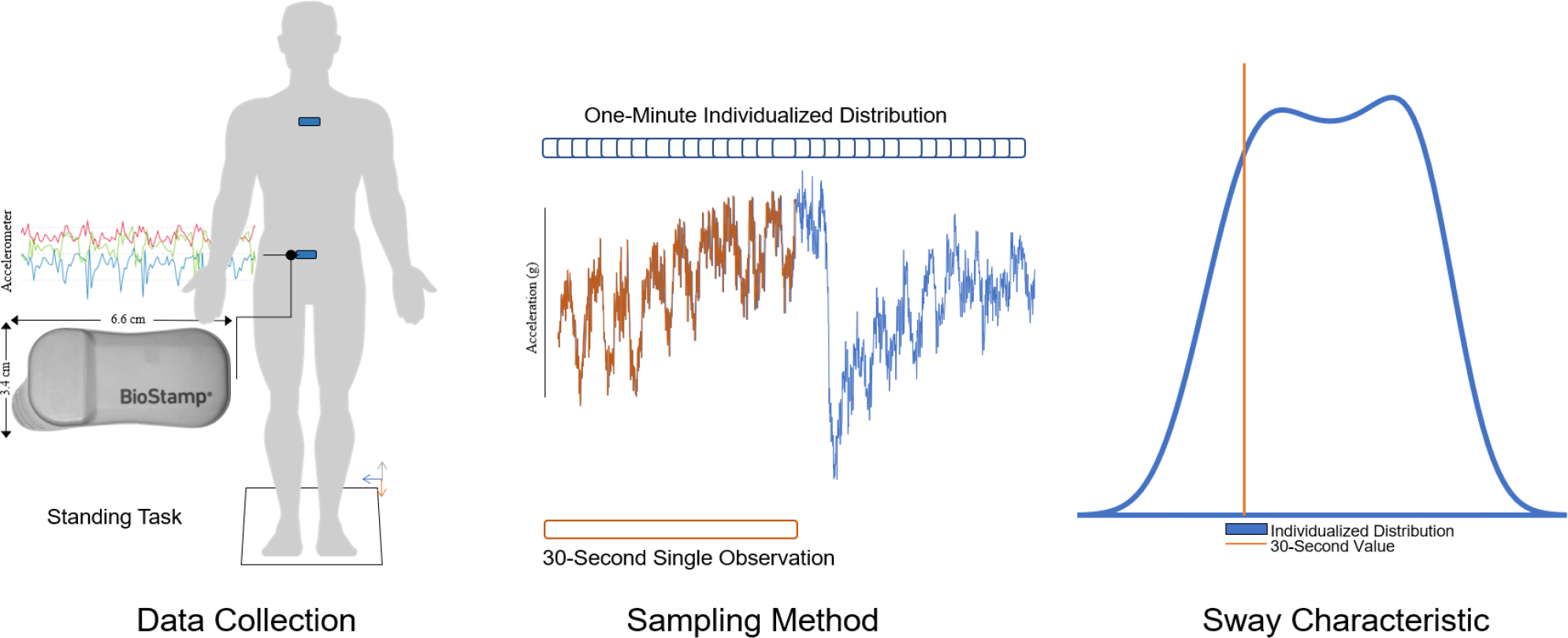
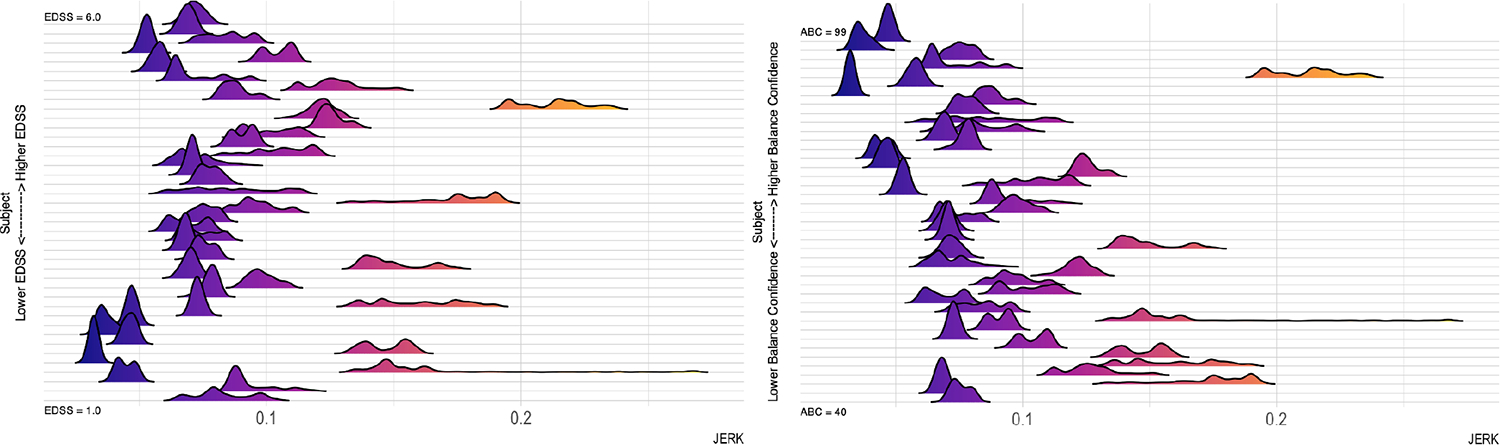
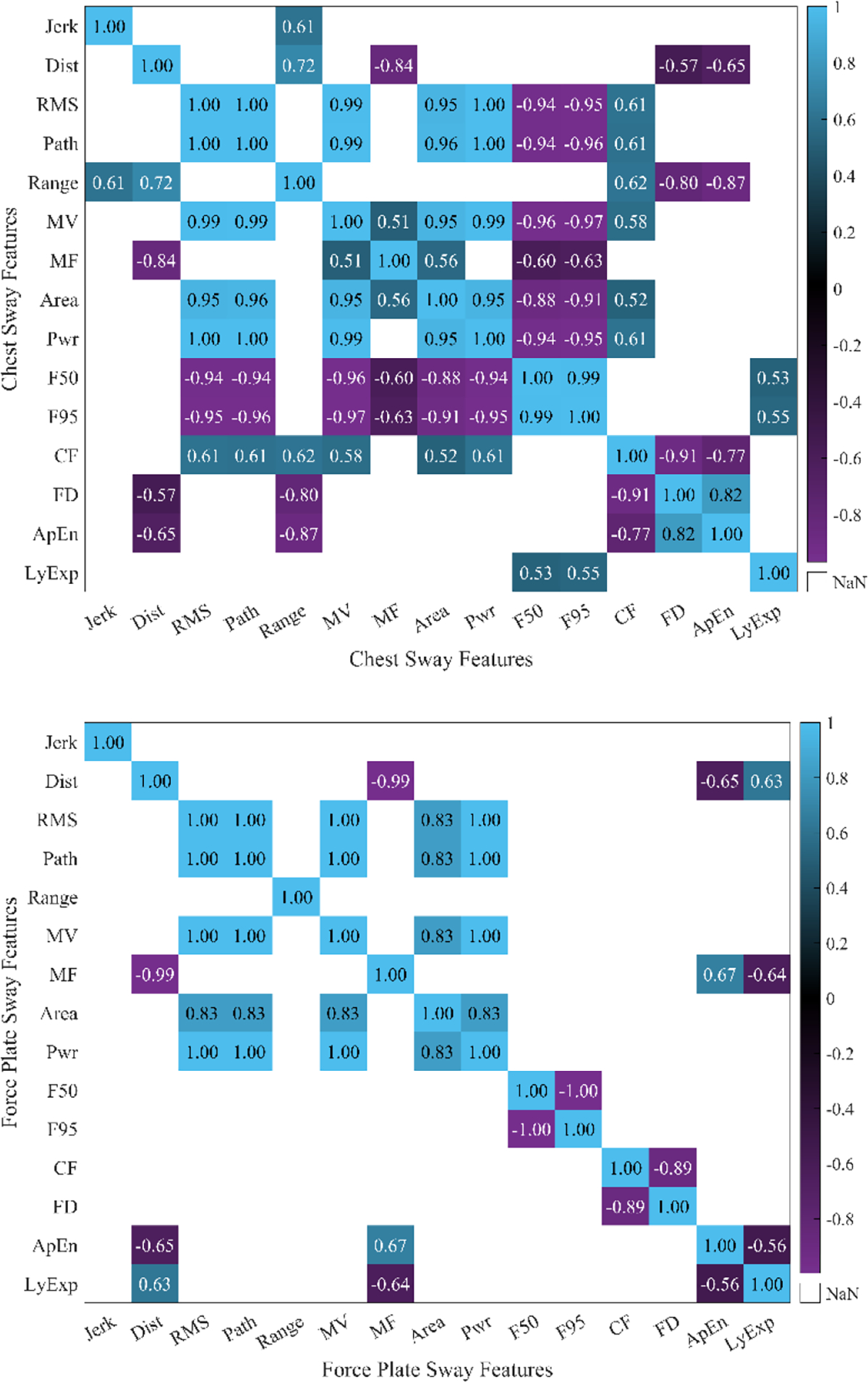
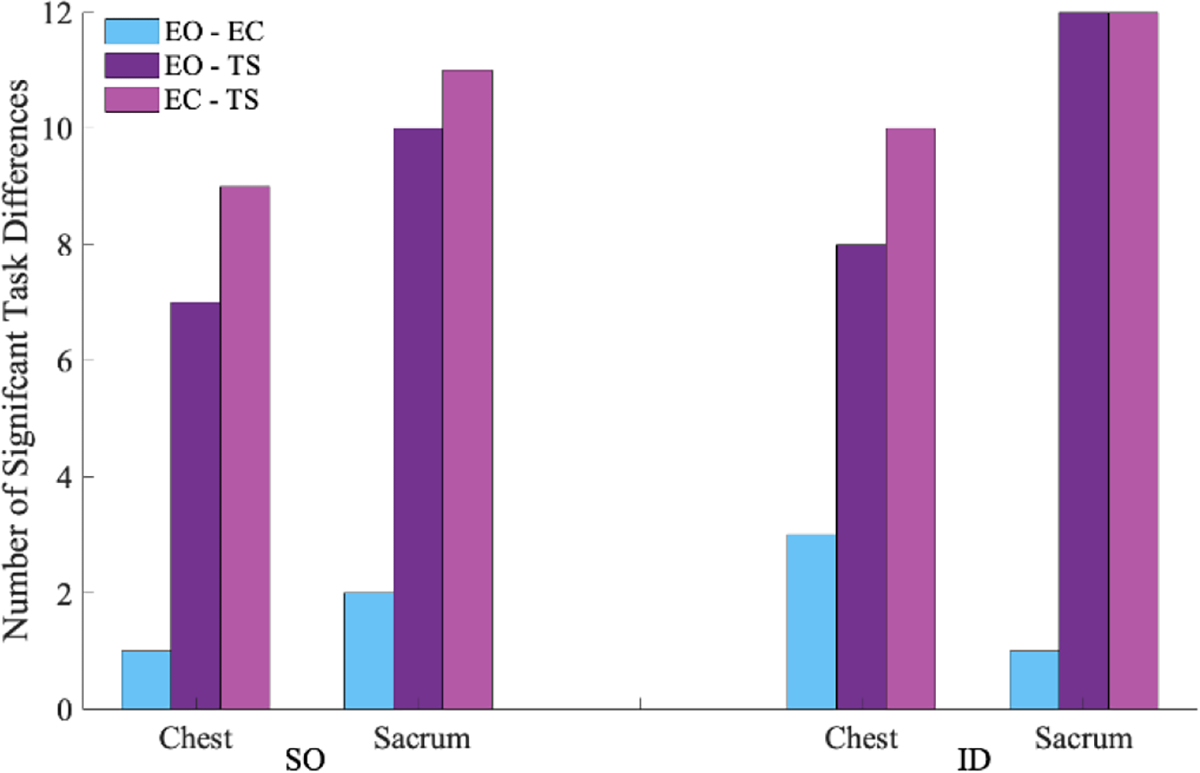
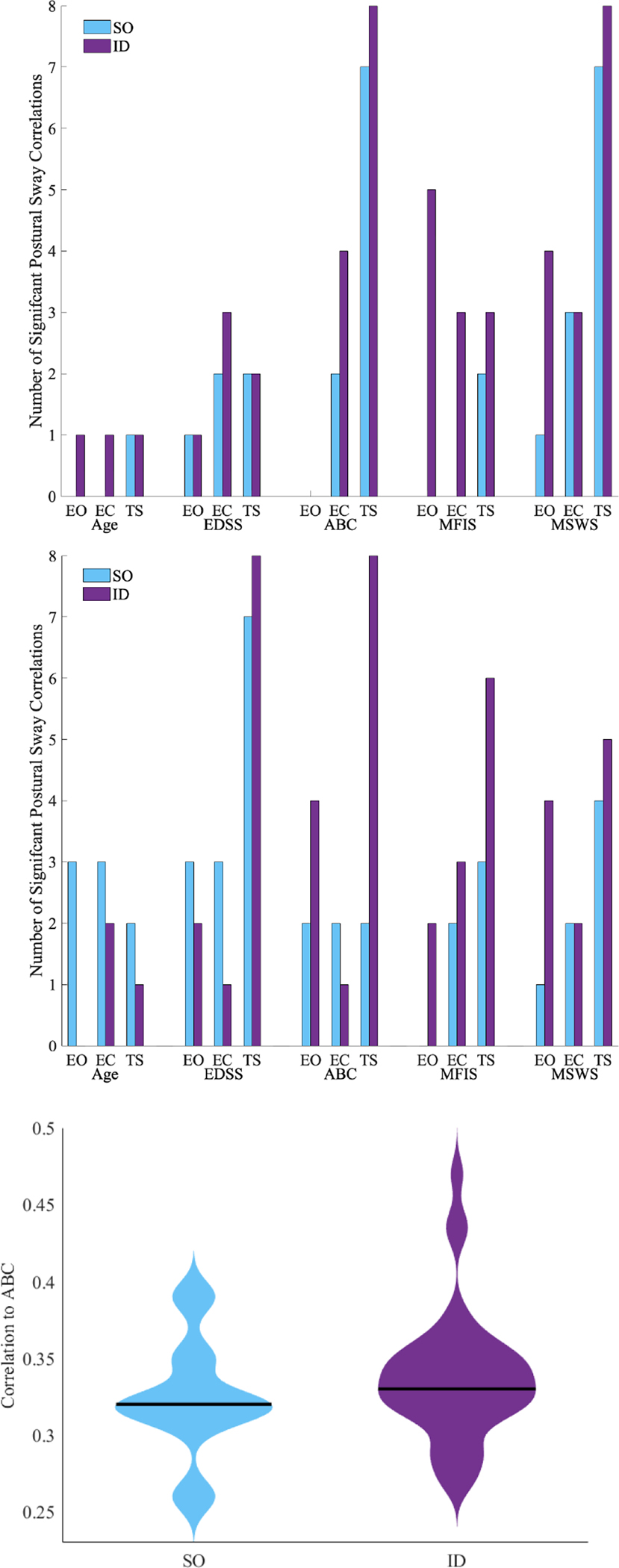
Typical assessments of balance impairment are subjective or require data from cumbersome and expensive force platforms. Researchers have utilized lower back (sacrum) accelerometers to enable more accessible, objective measurement of postural sway for use in balance assessment. However, new sensor patches are broadly being deployed on the chest for cardiac monitoring, opening a need to determine if measurements from these devices can similarly inform balance assessment. Our aim in this work is to validate postural sway measurements from a chest accelerometer. To establish concurrent validity, we considered data from 16 persons with multiple sclerosis (PwMS) asked to stand on a force platform while also wearing sensor patches on the sacrum and chest. We found five of 15 postural sway features derived from the chest and sacrum were significantly correlated with force platform-derived features, which is in line with prior sacrum-derived findings. Clinical significance was established using a sample of 39 PwMS who performed eyes-open, eyes-closed, and tandem standing tasks. This cohort was stratified by fall status and completed several patient-reported measures (PRM) of balance and mobility impairment. We also compared sway features derived from a single 30-second period to those derived from a one-minute period with a sliding window to create individualized distributions of each postural sway feature (ID method). We find traditional computation of sway features from the chest is sensitive to changes in PRMs and task differences. Distribution characteristics from the ID method establish additional relationships with PRMs, detect differences in more tasks, and distinguish between fall status groups. Overall, the chest was found to be a valid location to monitor postural sway and we recommend utilizing the ID method over single-observation analyses.
平衡障碍的典型评估要么是主观的,要么需要来自繁琐且昂贵的力台的数据。研究人员利用下背部(骶骨)加速度计来实现更易获取、更客观的姿势摆动测量,以用于平衡评估。然而,新的传感器贴片正广泛部署在胸部用于心脏监测,这就需要确定这些设备的测量值是否同样可以为平衡评估提供信息。我们在这项工作中的目的是验证来自胸部加速度计的姿势摆动测量值。为了建立同时效度,我们考虑了来自 16 名多发性硬化症患者的数据,这些患者在力台上站立时,同时在骶骨和胸部佩戴传感器贴片。我们发现,来自胸部和骶骨的 15 个姿势摆动特征中的 5 个与力台衍生特征显著相关,这与之前的骶骨衍生发现一致。使用 39 名多发性硬化症患者的样本来建立临床意义,这些患者进行了睁眼、闭眼和并足站立任务。该队列按跌倒状态分层,并完成了几项平衡和移动障碍的患者报告测量(PRM)。我们还将来自单个 30 秒时间段的摆动特征与来自具有滑动窗口的一分钟时间段的特征进行了比较,以创建每个姿势摆动特征的个体分布(ID 方法)。我们发现,传统的胸部摆动特征计算对 PRM 和任务差异的变化很敏感。ID 方法的分布特征与 PRM 建立了额外的关系,检测到更多任务的差异,并区分了跌倒状态组。总的来说,胸部被发现是监测姿势摆动的有效位置,我们建议使用 ID 方法而不是单次观察分析。