College of Medicine and Health, University of Exeter, Exeter, EX1 2LU, UK.
South West Peninsular ILD Service, Royal Devon University Healthcare NHS Foundation Trust, Barrack Road, Exeter, EX2 5DW, UK.
Orphanet J Rare Dis. 2023 Apr 17;18(1):84. doi: 10.1186/s13023-023-02682-w.
The diversity of patient experiences of orphan drug development has until recently been overlooked, with the existing literature reporting the experience of some patients and not others. The current evidence base (the best available current research) is dominated by quantitative surveys and patient reported outcome measures defined by researchers. Where research that uses qualitative methods of data collection and analysis has been conducted, patient experiences have been studied using content analysis and automatic textual analysis, rather than in-depth qualitative analytical methods. Systematic reviews of patient engagement in orphan drug development have also excluded qualitative studies. The aim of this paper is to review qualitative literature about how patients and other members of the public engage with orphan drug development.
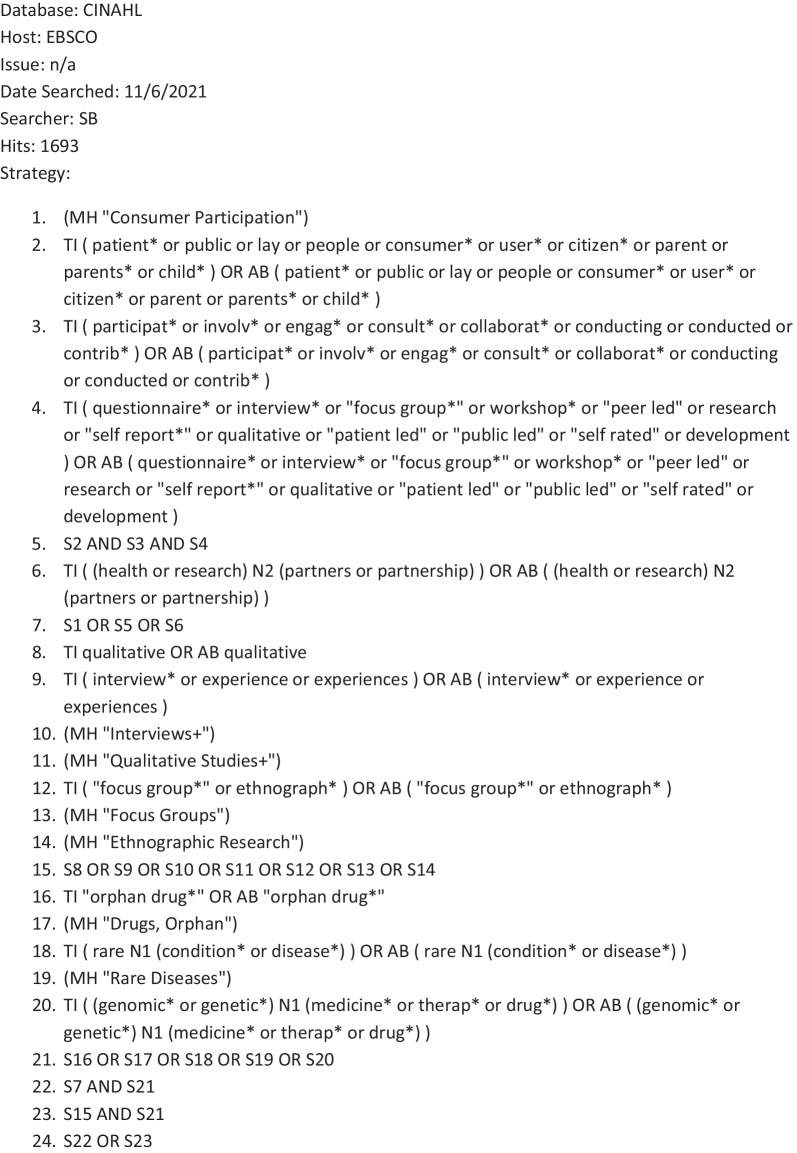
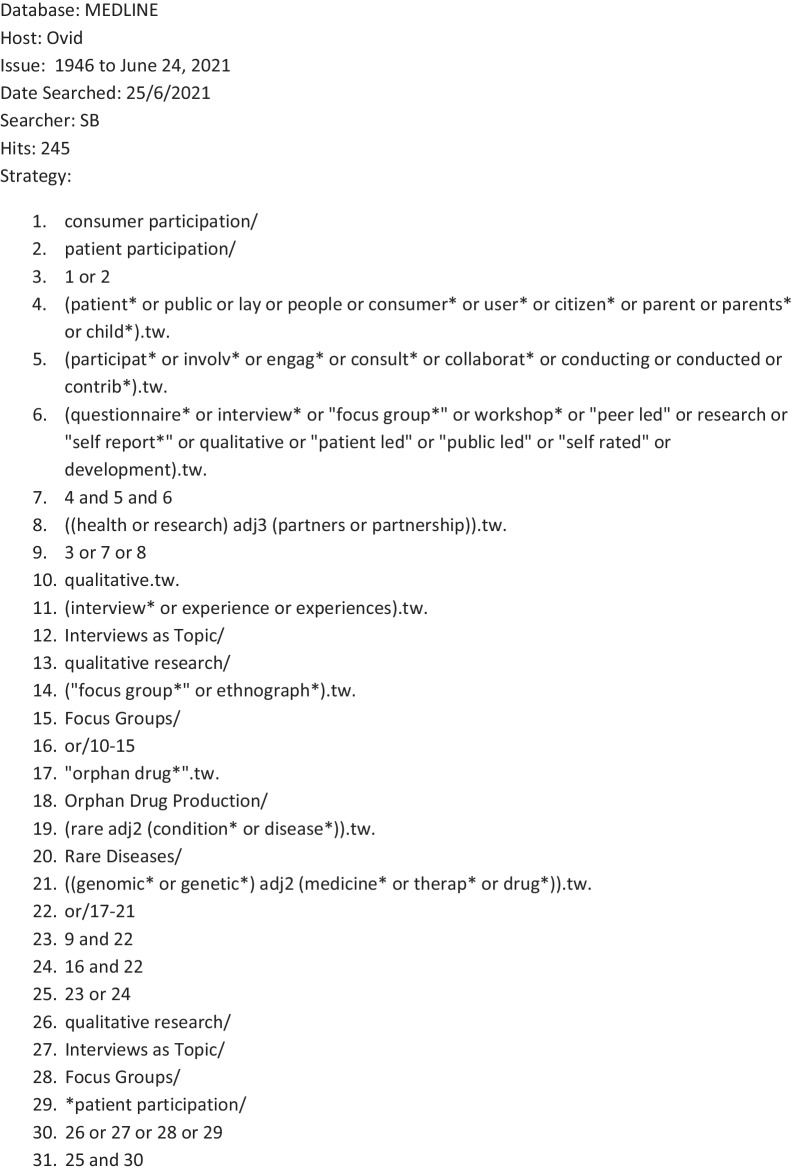
We conducted a systematic search of qualitative papers describing a range of patient engagement practices and experiences were identified and screened. Included papers were appraised using a validated tool (CASP), supplemented by reporting guidance (COREQ), by two independent researchers.
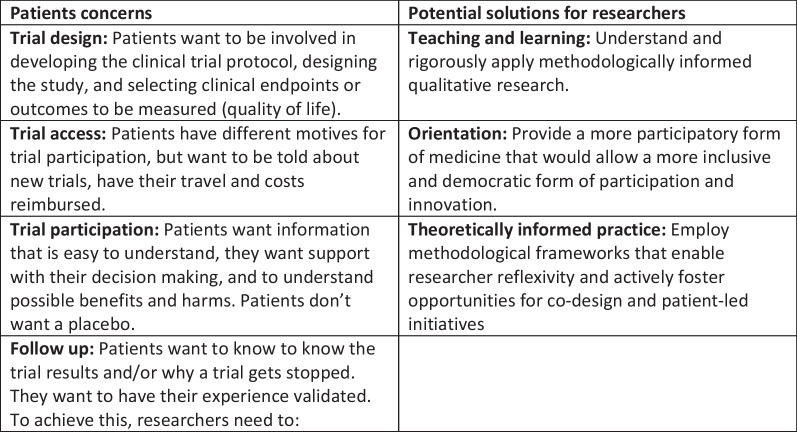
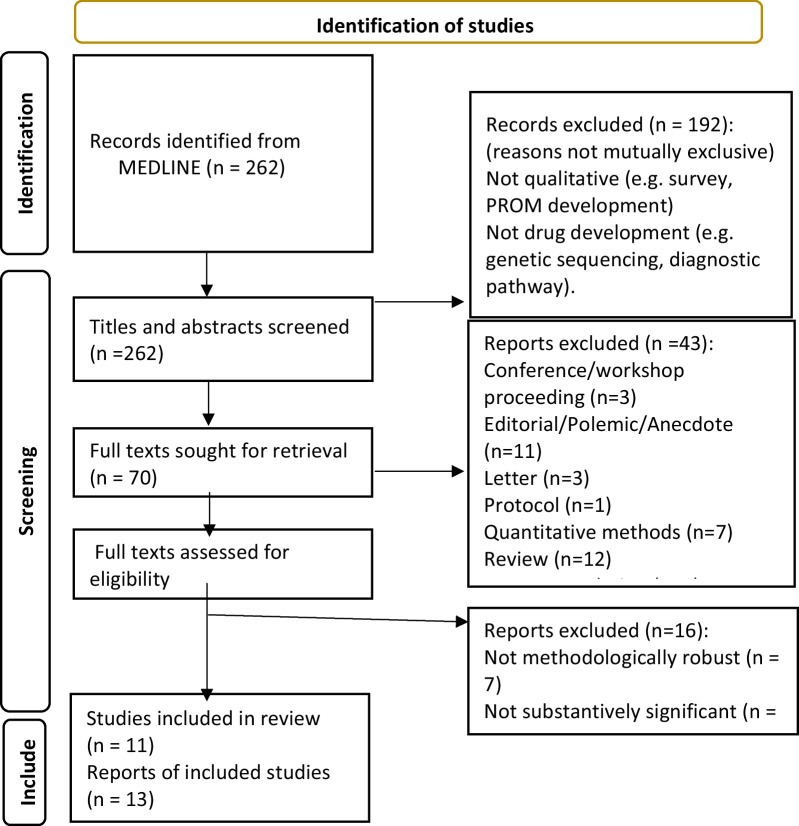
262 papers were identified. Thirteen papers reported a range of methods of qualitative data collection. Many conflated patient and public involvement and engagement (PPIE) with qualitative research. Patients were typically recruited via their physician or patient organisations. We identified an absence of overarching philosophical or methodological frameworks, limited details of informed consent processes, and an absence of recognisable methods of data analysis. Our narrative synthesis suggests that patients and caregivers need to be involved in all aspects of trial design, including the selection of clinical endpoints that capture a wider range of outcomes, the identification of means to widen access to trial participation, the development of patient facing materials to optimise their decision making, and patients included in the dissemination of trial results.
This narrative qualitative synthesis identified the explicit need for methodological rigour in research with patients with rare diseases (e.g. appropriate and innovative use of qualitative methods or PPIE, rather than their conflation); strenuous efforts to capture the perspectives of under-served, under-researched or seldom listened to communities with experience of rare diseases (e.g. creative recruitment and wider adoption of post-colonial practices); and a re-alignment of the research agenda (e.g. the use of co-design to enable patients to set the agenda, rather than respond to what they are being offered).
直到最近,患者在孤儿药开发过程中的体验的多样性一直被忽视,现有文献仅报道了部分患者的体验,而不是全部。当前的证据基础(当前可获得的最佳研究)主要由定量调查和研究人员定义的患者报告结果衡量标准主导。在使用定性数据收集和分析方法进行研究的地方,患者体验使用内容分析和自动文本分析进行研究,而不是使用深入的定性分析方法。关于患者参与孤儿药开发的系统评价也排除了定性研究。本文旨在回顾关于患者和其他公众如何参与孤儿药开发的定性文献。
我们对描述各种患者参与实践和体验的定性论文进行了系统搜索,确定并筛选了符合条件的论文。两名独立的研究人员使用经过验证的工具(CASP)并辅以报告指南(COREQ)对纳入的论文进行评估。
共确定了 262 篇论文。13 篇论文报告了一系列定性数据收集方法。许多人将患者和公众参与(PPIE)与定性研究混为一谈。患者通常通过他们的医生或患者组织招募。我们发现缺乏总体哲学或方法论框架、知情同意过程的详细信息有限,以及缺乏可识别的数据分析方法。我们的叙述性综合表明,患者和照顾者需要参与试验设计的各个方面,包括选择更广泛的结果捕获临床终点,确定扩大试验参与的途径,开发优化决策的患者面向材料,以及将患者纳入试验结果的传播。
这项叙述性定性综合研究明确需要对患有罕见疾病的患者进行更严格的研究(例如,适当和创新地使用定性方法或 PPIE,而不是将其混淆);努力捕捉服务不足、研究不足或很少听取有罕见疾病经验的社区的观点(例如,创造性的招募和更广泛地采用后殖民实践);以及重新调整研究议程(例如,使用共同设计使患者能够设定议程,而不是对他们提供的内容做出回应)。