Division of Pulmonary and Critical Care Medicine, Department of Medicine, Northwestern University Feinberg School of Medicine, Chicago, Illinois, USA.
Department of Chemical and Biological Engineering, Northwestern University, McCormick School of Engineering, Evanston, Illinois, USA.
J Clin Invest. 2023 Jun 15;133(12):e170682. doi: 10.1172/JCI170682.
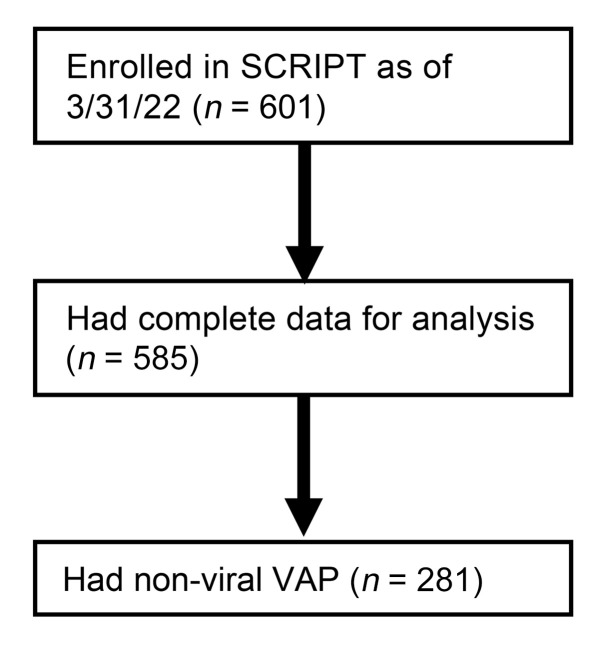
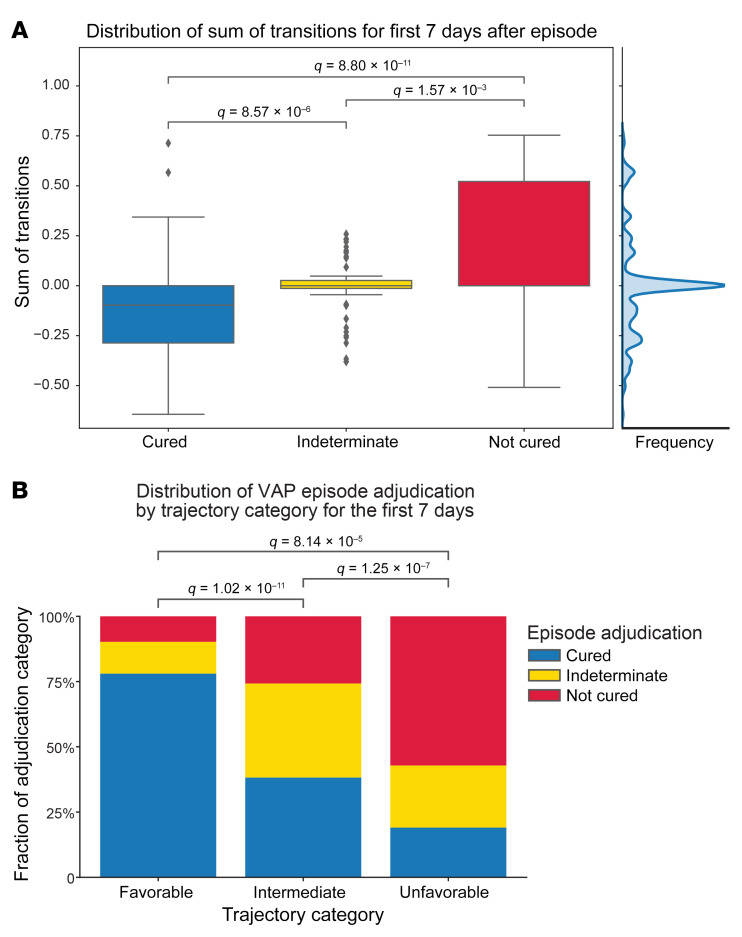
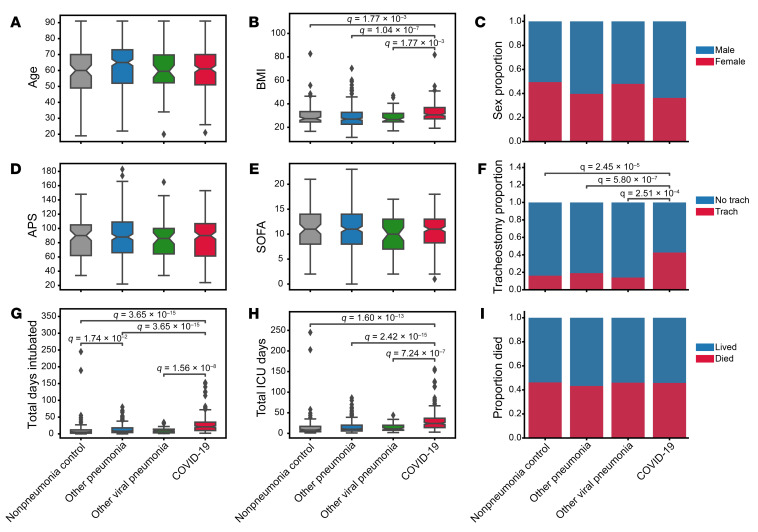
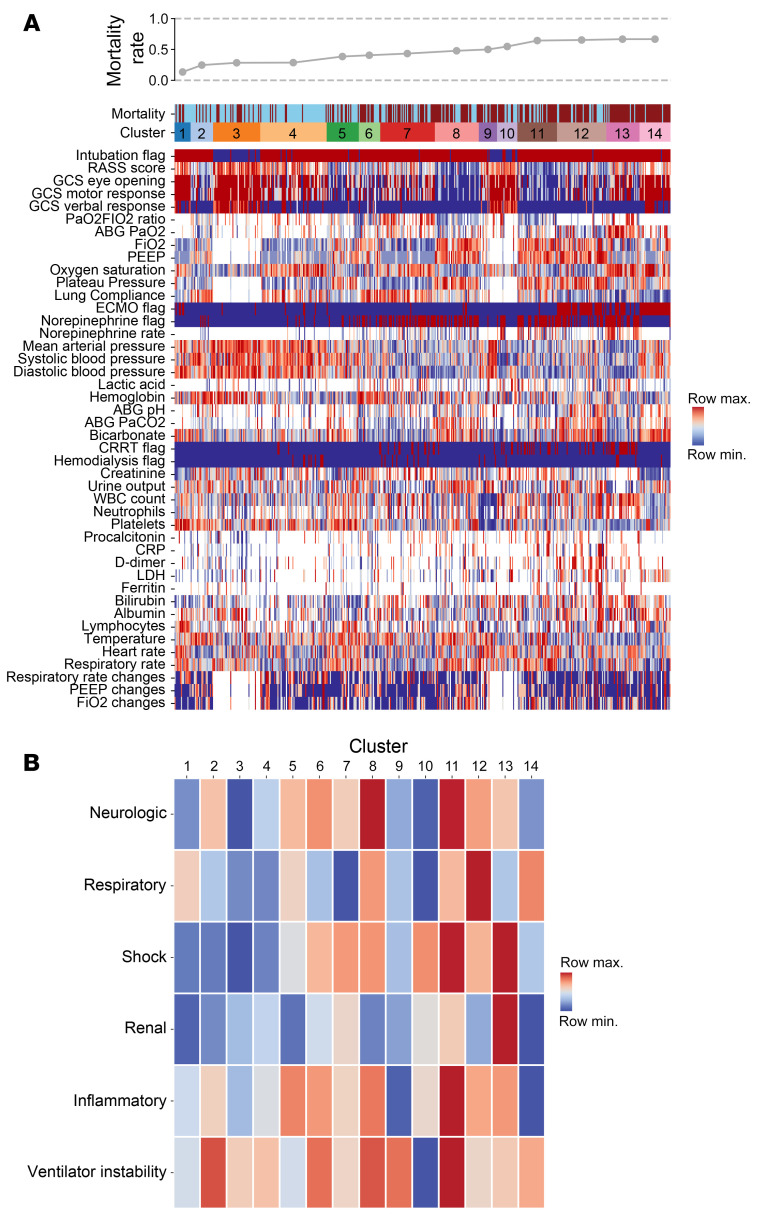
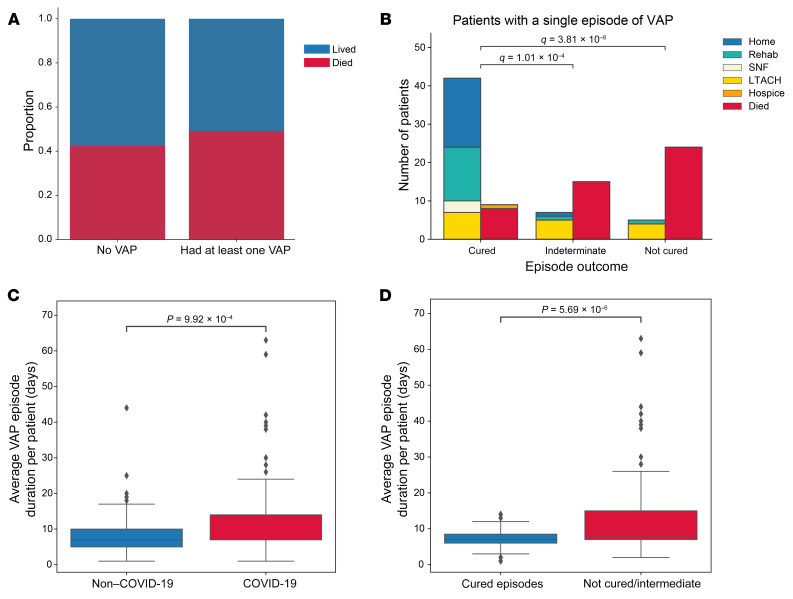
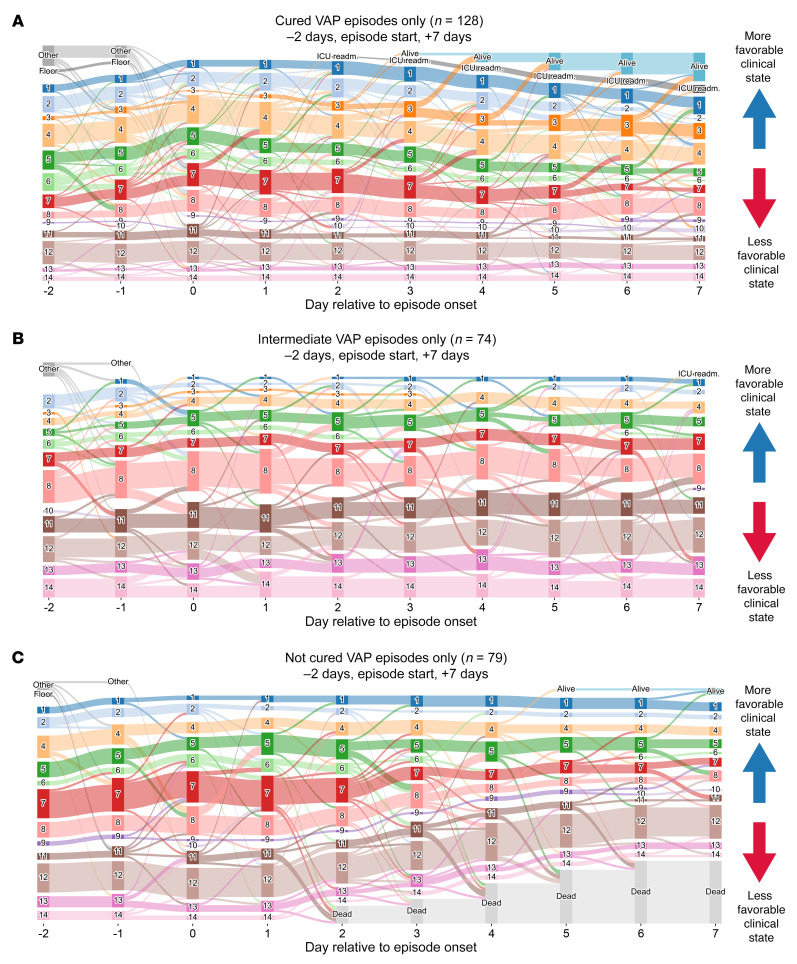
BACKGROUNDDespite guidelines promoting the prevention and aggressive treatment of ventilator-associated pneumonia (VAP), the importance of VAP as a driver of outcomes in mechanically ventilated patients, including patients with severe COVID-19, remains unclear. We aimed to determine the contribution of unsuccessful treatment of VAP to mortality for patients with severe pneumonia.METHODSWe performed a single-center, prospective cohort study of 585 mechanically ventilated patients with severe pneumonia and respiratory failure, 190 of whom had COVID-19, who underwent at least 1 bronchoalveolar lavage. A panel of intensive care unit (ICU) physicians adjudicated the pneumonia episodes and endpoints on the basis of clinical and microbiological data. Given the relatively long ICU length of stay (LOS) among patients with COVID-19, we developed a machine-learning approach called CarpeDiem, which grouped similar ICU patient-days into clinical states based on electronic health record data.RESULTSCarpeDiem revealed that the long ICU LOS among patients with COVID-19 was attributable to long stays in clinical states characterized primarily by respiratory failure. While VAP was not associated with mortality overall, the mortality rate was higher for patients with 1 episode of unsuccessfully treated VAP compared with those with successfully treated VAP (76.4% versus 17.6%, P < 0.001). For all patients, including those with COVID-19, CarpeDiem demonstrated that unresolving VAP was associated with a transitions to clinical states associated with higher mortality.CONCLUSIONSUnsuccessful treatment of VAP is associated with higher mortality. The relatively long LOS for patients with COVID-19 was primarily due to prolonged respiratory failure, placing them at higher risk of VAP.FUNDINGNational Institute of Allergy and Infectious Diseases (NIAID), NIH grant U19AI135964; National Heart, Lung, and Blood Institute (NHLBI), NIH grants R01HL147575, R01HL149883, R01HL153122, R01HL153312, R01HL154686, R01HL158139, P01HL071643, and P01HL154998; National Heart, Lung, and Blood Institute (NHLBI), NIH training grants T32HL076139 and F32HL162377; National Institute on Aging (NIA), NIH grants K99AG068544, R21AG075423, and P01AG049665; National Library of Medicine (NLM), NIH grant R01LM013337; National Center for Advancing Translational Sciences (NCATS), NIH grant U01TR003528; Veterans Affairs grant I01CX001777; Chicago Biomedical Consortium grant; Northwestern University Dixon Translational Science Award; Simpson Querrey Lung Institute for Translational Science (SQLIFTS); Canning Thoracic Institute of Northwestern Medicine.
尽管指南提倡预防和积极治疗呼吸机相关性肺炎(VAP),但 VAP 作为机械通气患者(包括严重 COVID-19 患者)结局的驱动因素的重要性仍不清楚。我们旨在确定治疗 VAP 失败对严重肺炎机械通气患者死亡率的影响。
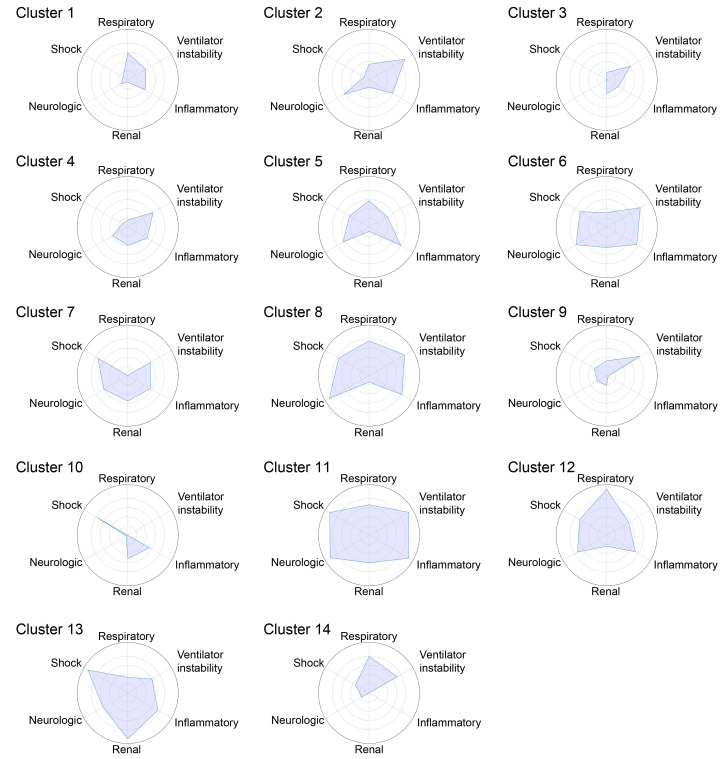
我们对 585 名患有严重肺炎和呼吸衰竭的机械通气患者进行了一项单中心前瞻性队列研究,其中 190 名患者患有 COVID-19,他们至少进行了 1 次支气管肺泡灌洗。一组 ICU 医生根据临床和微生物学数据对肺炎发作和终点进行了裁决。鉴于 COVID-19 患者的 ICU 住院时间(LOS)相对较长,我们开发了一种称为 CarpeDiem 的机器学习方法,该方法基于电子健康记录数据,根据临床状态将相似的 ICU 患者日分组。
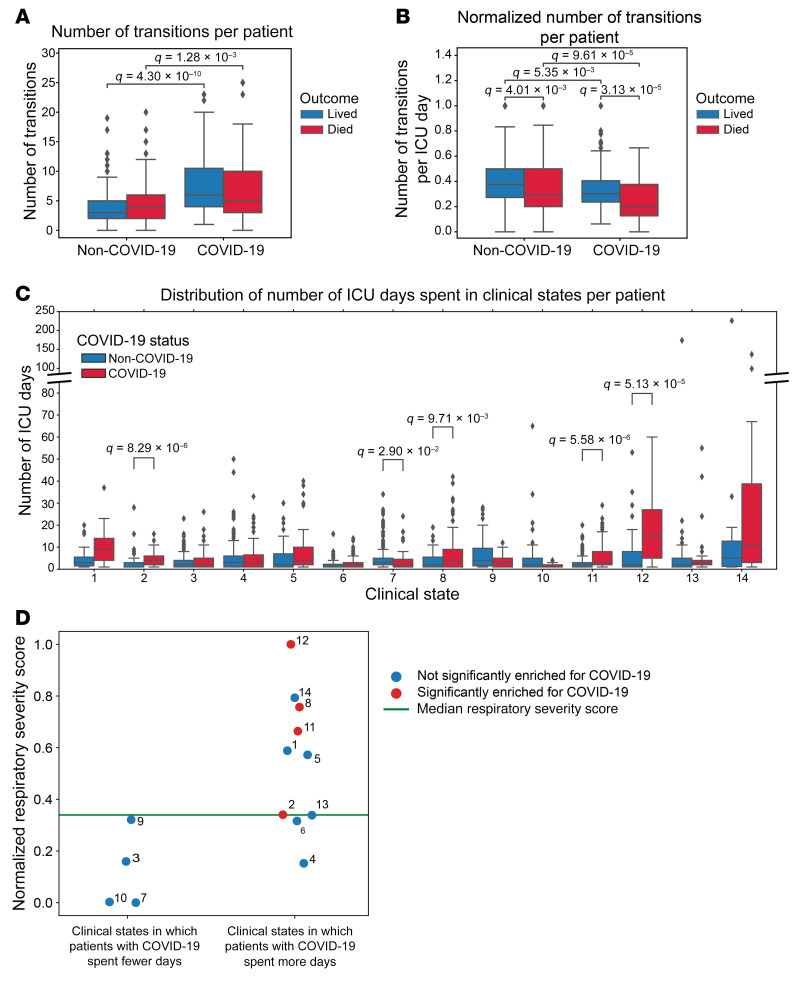
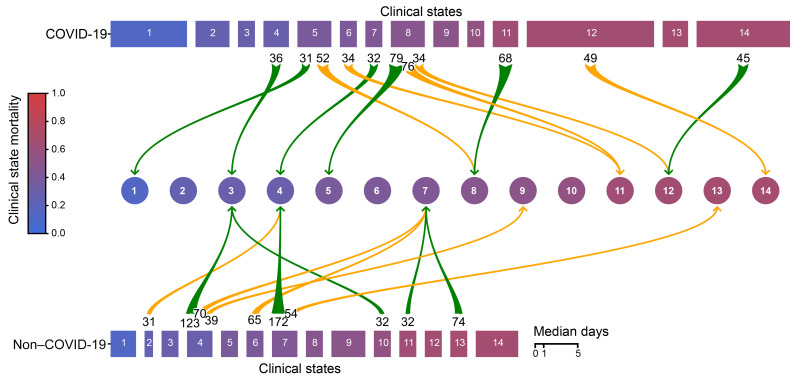
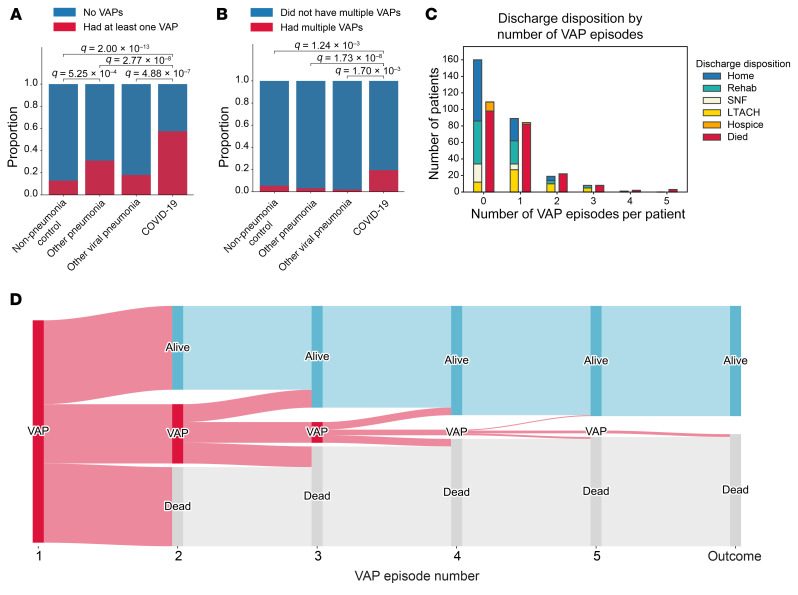
CarpeDiem 显示,COVID-19 患者的 ICU 长 LOS 归因于以呼吸衰竭为主要特征的临床状态的长时间停留。虽然 VAP 与总体死亡率无关,但与成功治疗 VAP 的患者相比,1 次治疗失败的 VAP 患者的死亡率更高(76.4%比 17.6%,P<0.001)。对于所有患者,包括 COVID-19 患者,CarpeDiem 表明未解决的 VAP 与死亡率较高的临床状态转变有关。
治疗 VAP 失败与死亡率升高有关。COVID-19 患者较长的 LOS 主要是由于呼吸衰竭时间延长,使他们面临更高的 VAP 风险。
美国国立过敏和传染病研究所(NIAID),NIH 资助 U19AI135964;美国国立心肺血液研究所(NHLBI),NIH 资助 R01HL147575、R01HL149883、R01HL153122、R01HL153312、R01HL154686、R01HL158139、P01HL071643 和 P01HL154998;美国国立心肺血液研究所(NHLBI),NIH 培训资助 T32HL076139 和 F32HL162377;美国国家老龄化研究所(NIA),NIH 资助 K99AG068544、R21AG075423 和 P01AG049665;美国国家医学图书馆(NLM),NIH 资助 R01LM013337;美国国立推进转化科学中心(NCATS),NIH 资助 U01TR003528;退伍军人事务部资助 I01CX001777;芝加哥生物医学联盟资助;西北大学 Dixon 转化科学奖;辛普森奎雷肺研究所转化科学(SQLIFTS);西北医学坎宁胸科研究所。