Smithsonian Environmental Research Center, Edgewater, USA.
Miami University of Ohio, Oxford, USA.
Photochem Photobiol Sci. 2023 May;22(5):1093-1127. doi: 10.1007/s43630-023-00370-z. Epub 2023 May 2.
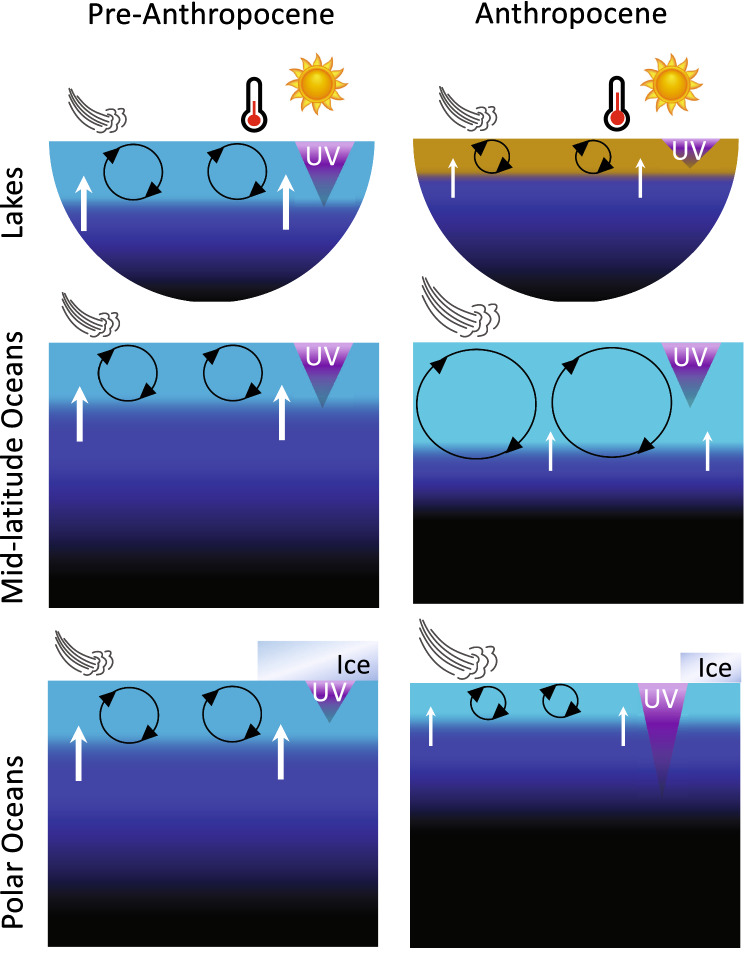
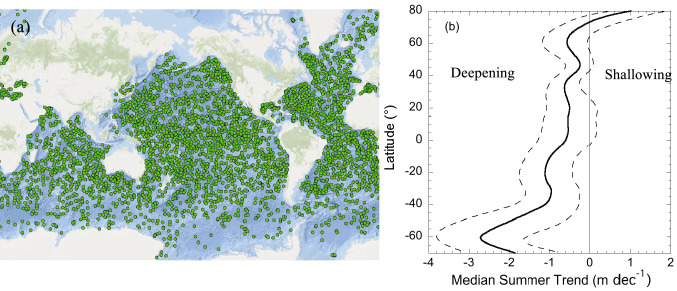
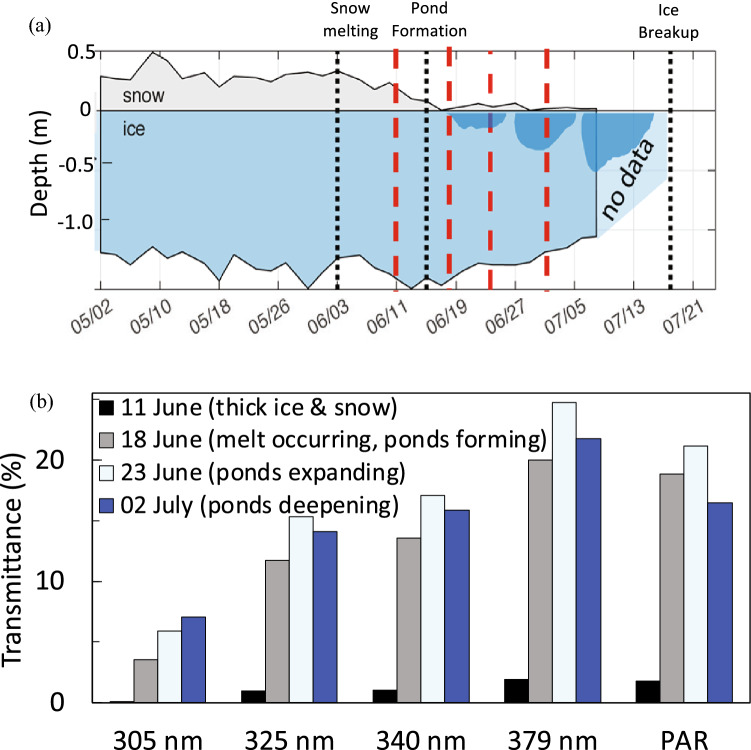
Variations in stratospheric ozone and changes in the aquatic environment by climate change and human activity are modifying the exposure of aquatic ecosystems to UV radiation. These shifts in exposure have consequences for the distributions of species, biogeochemical cycles, and services provided by aquatic ecosystems. This Quadrennial Assessment presents the latest knowledge on the multi-faceted interactions between the effects of UV irradiation and climate change, and other anthropogenic activities, and how these conditions are changing aquatic ecosystems. Climate change results in variations in the depth of mixing, the thickness of ice cover, the duration of ice-free conditions and inputs of dissolved organic matter, all of which can either increase or decrease exposure to UV radiation. Anthropogenic activities release oil, UV filters in sunscreens, and microplastics into the aquatic environment that are then modified by UV radiation, frequently amplifying adverse effects on aquatic organisms and their environments. The impacts of these changes in combination with factors such as warming and ocean acidification are considered for aquatic micro-organisms, macroalgae, plants, and animals (floating, swimming, and attached). Minimising the disruptive consequences of these effects on critical services provided by the world's rivers, lakes and oceans (freshwater supply, recreation, transport, and food security) will not only require continued adherence to the Montreal Protocol but also a wider inclusion of solar UV radiation and its effects in studies and/or models of aquatic ecosystems under conditions of the future global climate.
平流层臭氧的变化以及气候变化和人类活动对水生态系统产生的影响正在改变水生态系统暴露在紫外辐射下的情况。这种暴露的变化会对物种分布、生物地球化学循环和水生态系统提供的服务产生影响。本《四年一度评估报告》介绍了紫外辐射与气候变化以及其他人为活动影响之间多方面相互作用的最新知识,以及这些条件如何改变水生态系统。气候变化导致混合深度、冰盖厚度、无冰期持续时间和溶解有机物的输入发生变化,所有这些都可能增加或减少紫外线辐射的暴露。人为活动将石油、防晒霜中的紫外线过滤器和微塑料释放到水生态系统中,然后受到紫外线辐射的影响,经常放大对水生生物及其环境的不利影响。这些变化与升温、海洋酸化等因素结合起来,对水生微生物、大型藻类、植物和动物(浮游、游泳和附着)产生影响。为了减轻这些影响对世界河流、湖泊和海洋提供的关键服务的破坏性后果(淡水供应、娱乐、运输和粮食安全),不仅需要继续遵守《蒙特利尔议定书》,还需要更广泛地将太阳紫外线辐射及其在未来全球气候条件下水生生态系统的研究和/或模型中的影响纳入考虑。