Center for Cognition and Sociality, Institute for Basic Science, Daejeon, 34126, Republic of Korea.
Graduate School of Medical Science and Engineering, Korea Advanced Institute of Science and Technology, Daejeon, 34141, Republic of Korea.
Nat Commun. 2023 May 5;14(1):2597. doi: 10.1038/s41467-023-38338-3.
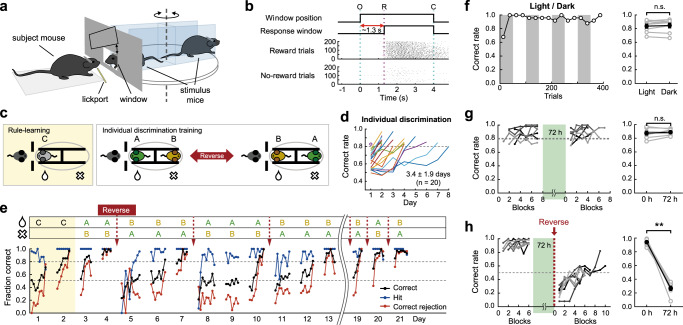
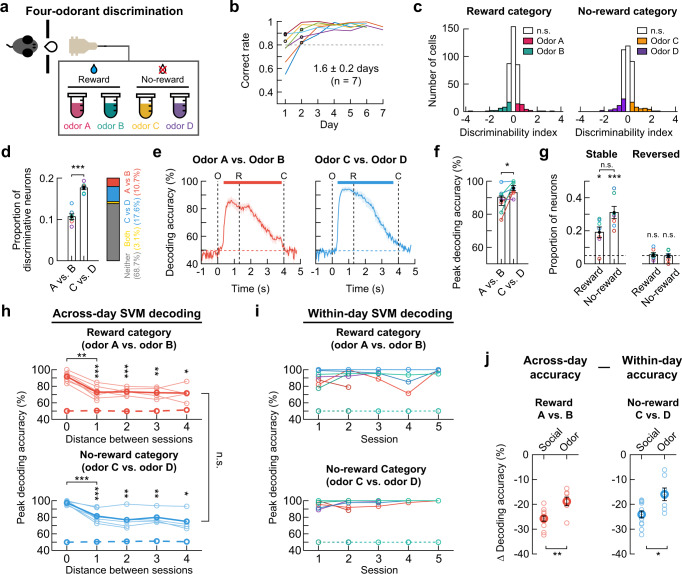
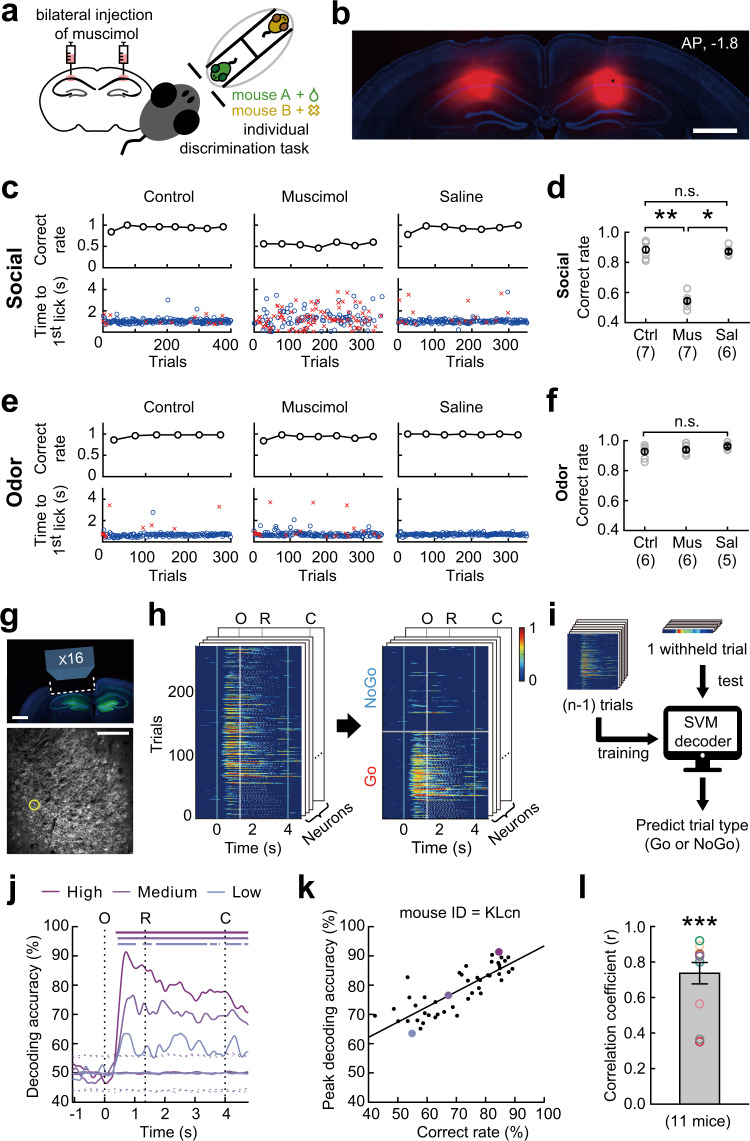
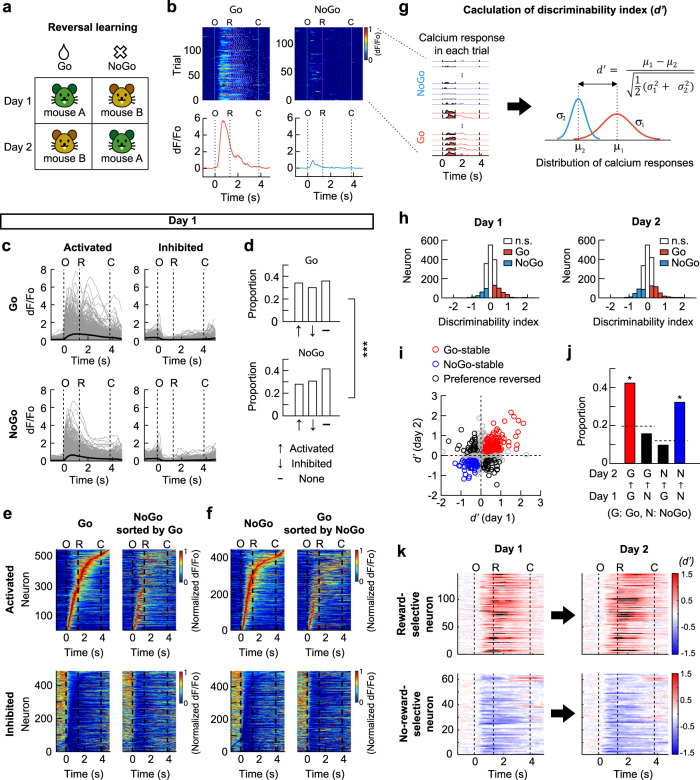
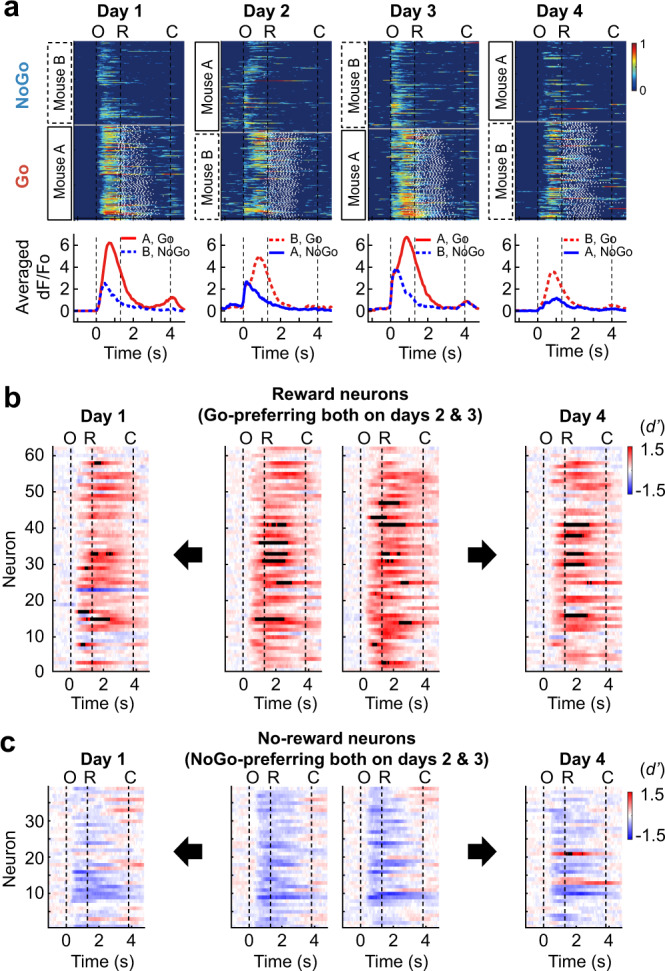
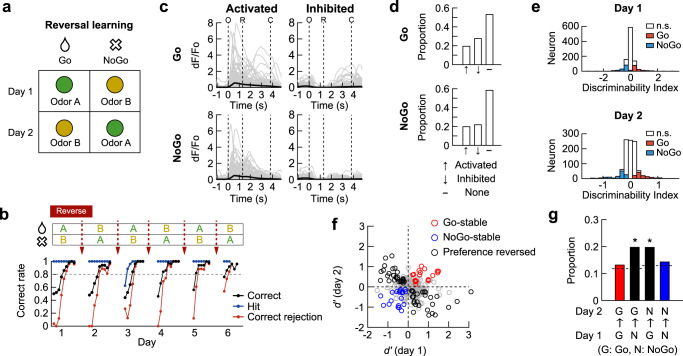
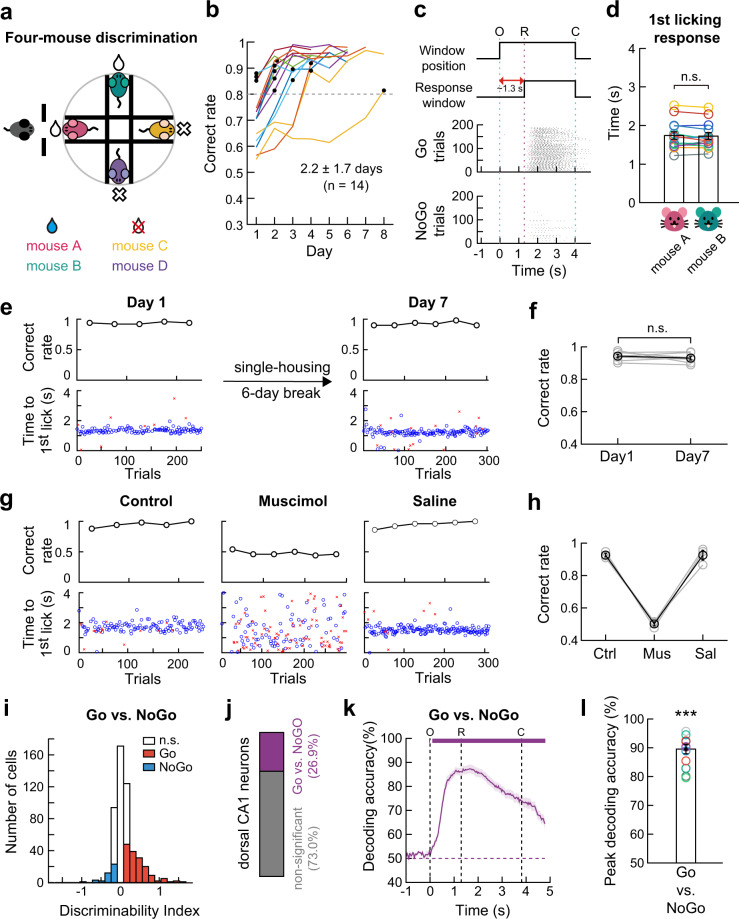
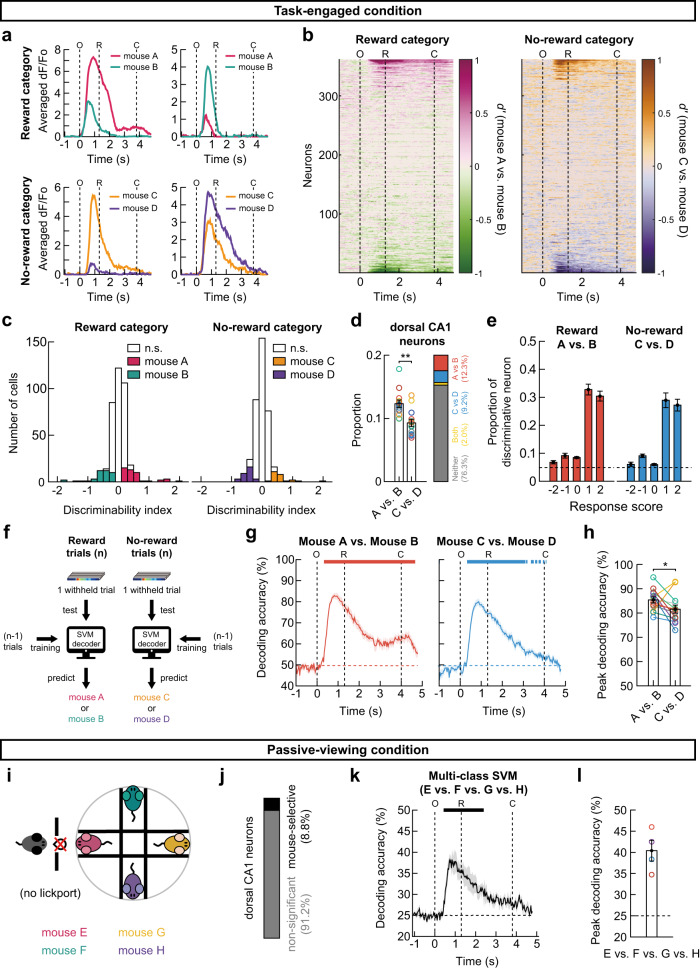
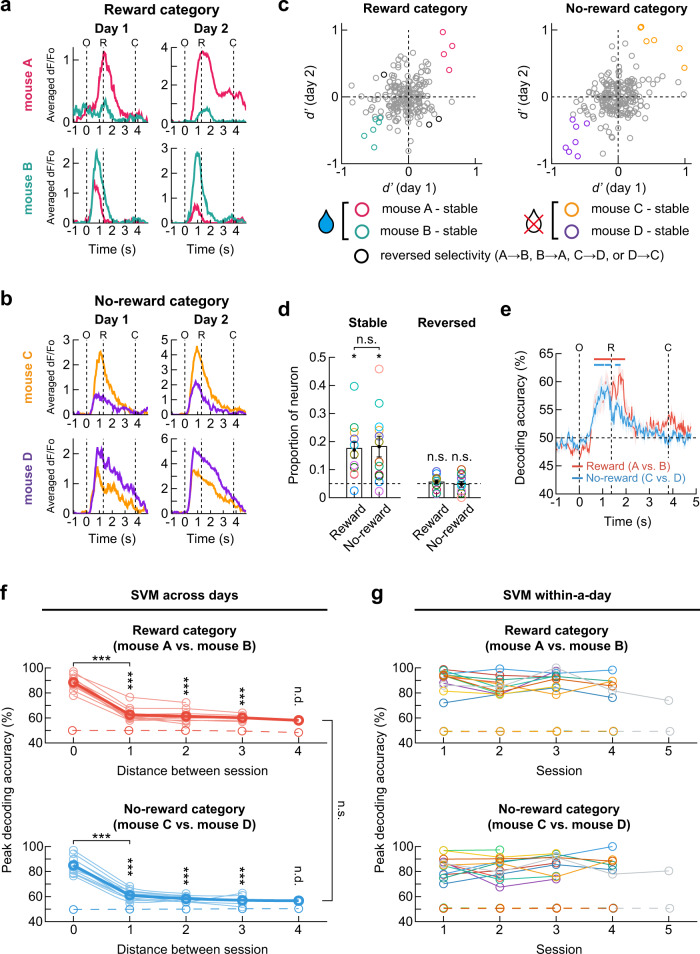
Recognizing an individual and retrieving and updating the value information assigned to the individual are fundamental abilities for establishing social relationships. To understand the neural mechanisms underlying the association between social identity and reward value, we developed Go-NoGo social discrimination paradigms that required male subject mice to distinguish between familiar mice based on their individually unique characteristics and associate them with reward availability. We found that mice could discriminate individual conspecifics through a brief nose-to-nose investigation, and this ability depended on the dorsal hippocampus. Two-photon calcium imaging revealed that dorsal CA1 hippocampal neurons represented reward expectation during social, but not non-social tasks, and these activities were maintained over days regardless of the identity of the associated mouse. Furthermore, a dynamically changing subset of hippocampal CA1 neurons discriminated between individual mice with high accuracy. Our findings suggest that the neuronal activities in CA1 provide possible neural substrates for associative social memory.
识别个体并检索和更新分配给个体的值信息是建立社会关系的基本能力。为了了解社会身份与奖励价值之间的关联的神经机制,我们开发了 Go-NoGo 社会辨别范式,要求雄性实验小鼠根据其独特的个体特征区分熟悉的老鼠,并将其与奖励的可用性联系起来。我们发现,老鼠可以通过短暂的鼻对鼻调查来区分同种个体,这种能力依赖于背侧海马体。双光子钙成像显示,背侧 CA1 海马神经元在社会但非非社会任务中代表奖励预期,并且这些活动在几天内保持不变,无论相关老鼠的身份如何。此外,海马 CA1 中的一组动态变化的神经元以高精度区分个体老鼠。我们的研究结果表明,CA1 中的神经元活动为联想社会记忆提供了可能的神经基础。