Department of Orthopaedics, First Affiliated Hospital of Naval Medical University, No. 168 Changhai Road, Shanghai, People's Republic of China.
Department of Orthopedic Surgery and Neurosurgery, No. 906 Hospital of the People's Liberation Army, Ningbo, Zhejiang, People's Republic of China.
J Orthop Surg Res. 2023 May 8;18(1):339. doi: 10.1186/s13018-023-03818-1.
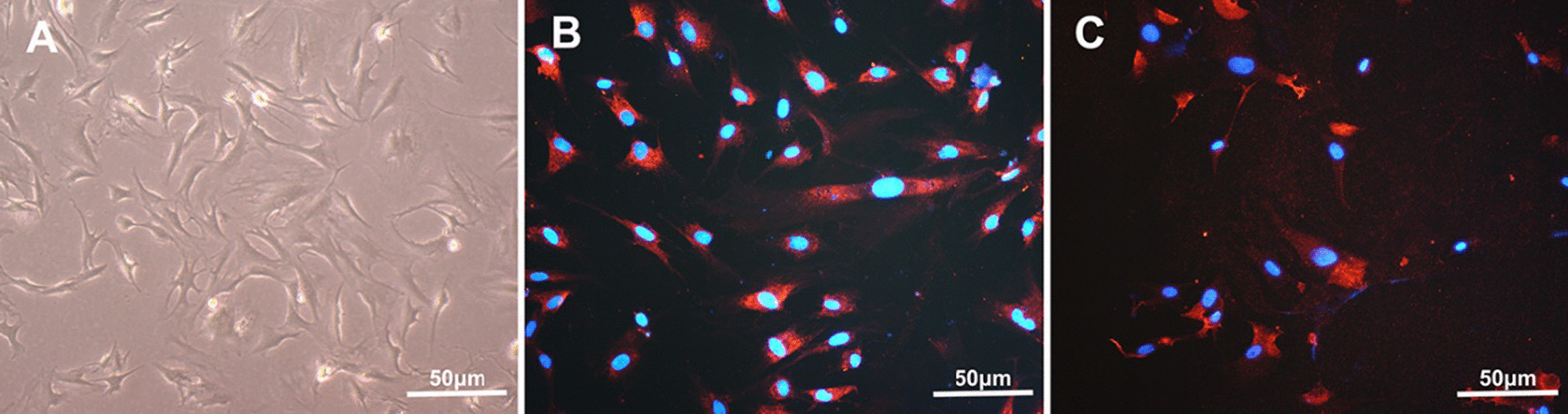
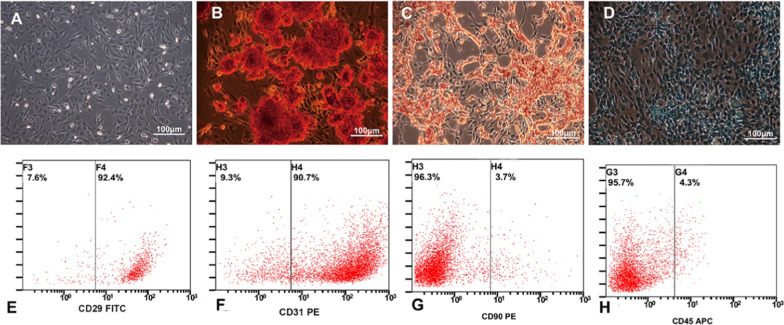
Hypoxia can promote stem cell proliferation and migration through HIF-1α. Hypoxia can regulate cellular endoplasmic reticulum (ER) stress. Some studies have reported the relationship among hypoxia, HIF-α, and ER stress, however, while little is known about HIF-α and ER stress in ADSCs under hypoxic conditions. The purpose of the study was to investigate the role and relationship of hypoxic conditions, HIF-1α and ER stress in regulating adipose mesenchymal stem cells (ADSCs) proliferation, migration, and NPC-like differentiation.
ADSCs were pretreated with hypoxia, HIF-1α gene transfection, and HIF-1α gene silence. The ADSCs proliferation, migration, and NPC-like differentiation were assessed. The expression of HIF-1α in ADSCs was regulated; then, the changes of ER stress level in ADSCs were observed to investigate the relationship between ER stress and HIF-1α in ADSCs under hypoxic conditions.
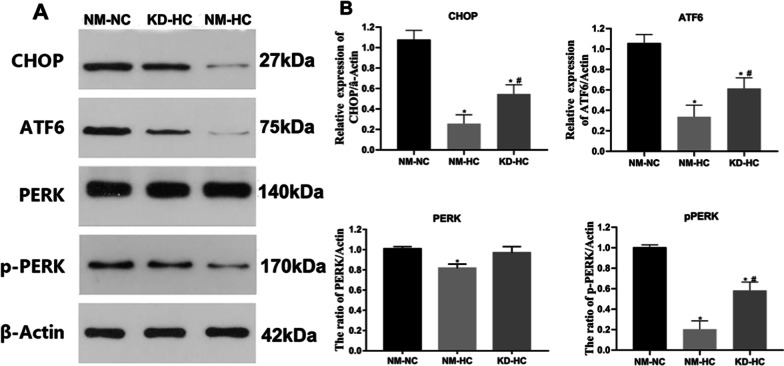
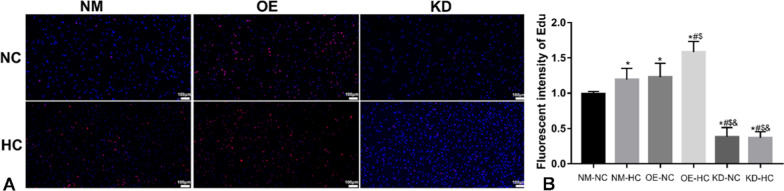
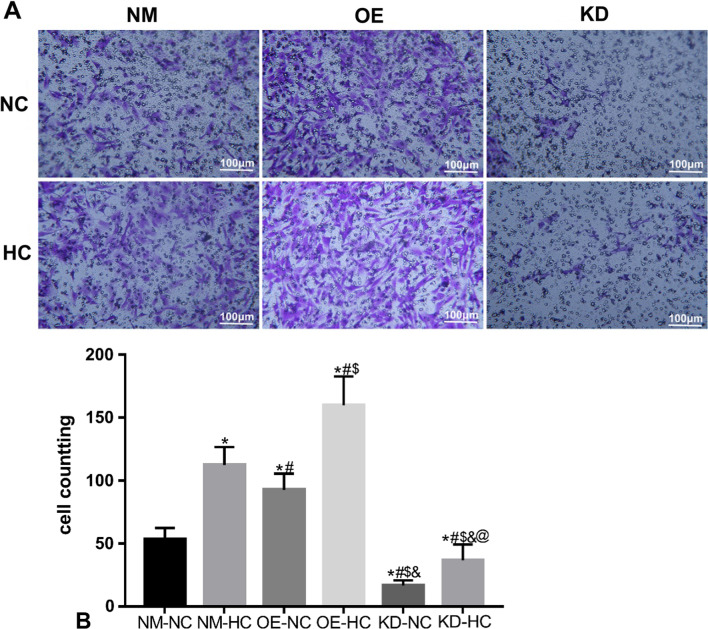
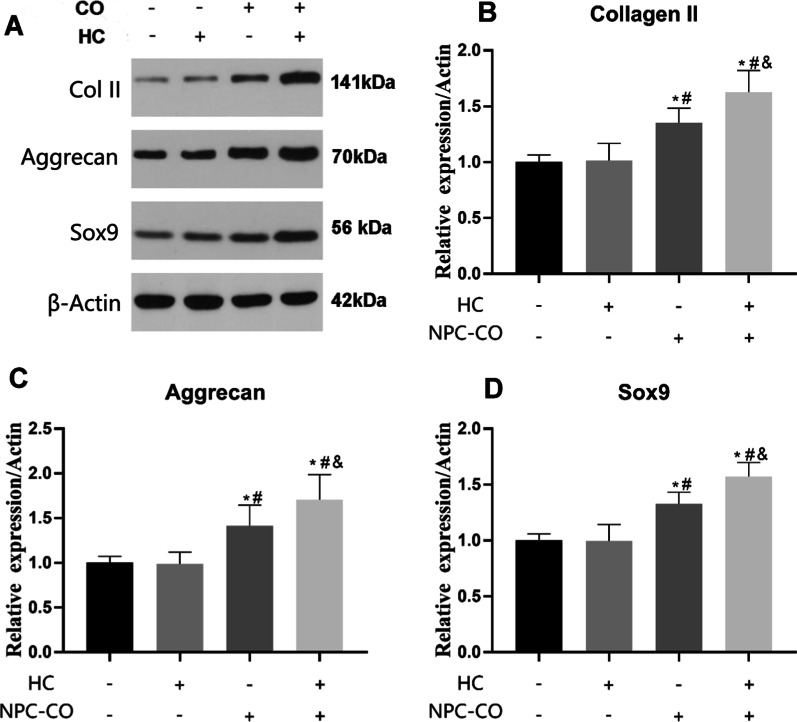
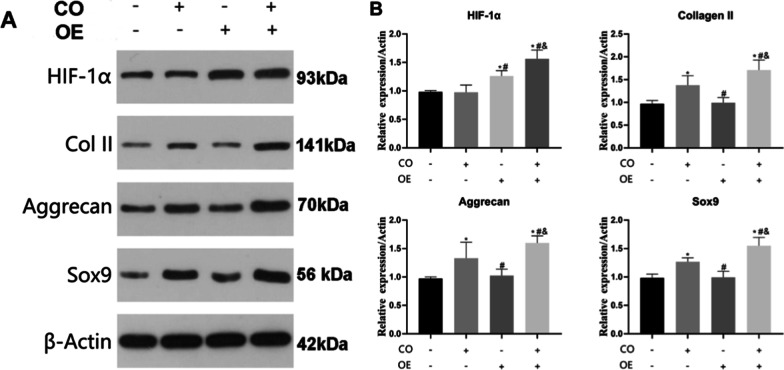
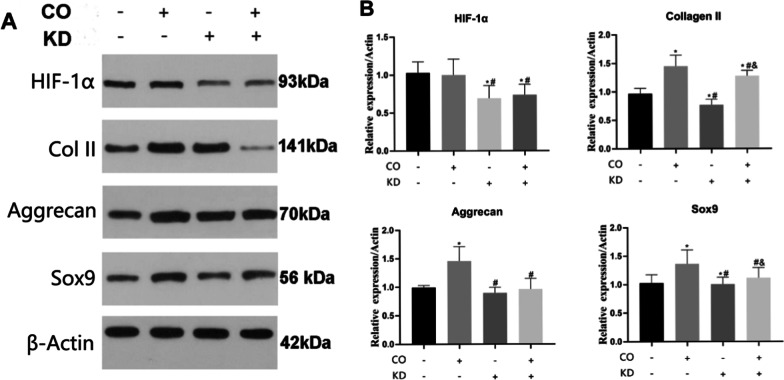
The cell proliferation and migration assay results show that hypoxia and HIF-1α overexpression can significantly increase the ADSCs proliferation and migration, while HIF-1α inhibition can significantly decrease the ADSCs proliferation and migration. The HIF-1α and co-cultured with NPCs played an important role in the directional differentiation of ADSCs into NPCs. The hypoxia-regulated ER stress in ADSCs through the HIF-1α pathway, thereby regulating the cellular state of ADSCs, was also observed.
Hypoxia and HIF-1α play important roles in proliferation, migration, and NPC-like differentiation of ADSCs. This study provides preliminary evidence that HIF-1α-regulated ER stress thus affects ADSCs proliferation, migration, and differentiation. Therefore, HIF-1α and ER may serve as key points to improve the efficacy of ADSCs in treating disc degeneration.
缺氧可通过 HIF-1α 促进干细胞增殖和迁移。缺氧可以调节细胞内质网(ER)应激。一些研究报道了缺氧、HIF-α 和 ER 应激之间的关系,然而,在缺氧条件下,HIF-α 和 ER 应激在 ADSC 中的情况知之甚少。本研究旨在探讨缺氧条件下 HIF-1α 和 ER 应激在调节脂肪间充质干细胞(ADSCs)增殖、迁移和 NPC 样分化中的作用和关系。
ADSCs 经缺氧、HIF-1α 基因转染和 HIF-1α 基因沉默预处理,评估 ADSCs 增殖、迁移和 NPC 样分化。调节 ADSCs 中 HIF-1α 的表达,观察 ADSCs 中 ER 应激水平的变化,探讨缺氧条件下 ER 应激与 HIF-1α 之间的关系。
细胞增殖和迁移实验结果表明,缺氧和 HIF-1α 过表达可显著增加 ADSCs 的增殖和迁移,而 HIF-1α 抑制可显著降低 ADSCs 的增殖和迁移。HIF-1α 及其与 NPC 的共培养在 ADSCs 向 NPC 的定向分化中起重要作用。还观察到缺氧通过 HIF-1α 途径调节 ADSCs 中的 ER 应激,从而调节 ADSCs 的细胞状态。
缺氧和 HIF-1α 在 ADSCs 的增殖、迁移和 NPC 样分化中发挥重要作用。本研究初步证明 HIF-1α 调节的 ER 应激影响 ADSCs 的增殖、迁移和分化。因此,HIF-1α 和 ER 可能成为提高 ADSCs 治疗椎间盘退变疗效的关键点。