Safety Science Research Laboratories, Kao Corporation, 2606 Ichikai, Haga, Tochigi, 321-3497, Japan.
Household Products Research Laboratories, Kao Corporation, 1334 Minato, Wakayama, Wakayama, 640-8580, Japan.
Sci Rep. 2023 May 10;13(1):7611. doi: 10.1038/s41598-023-34501-4.
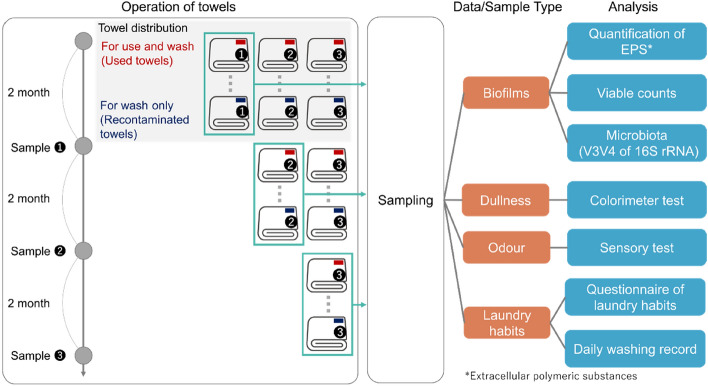
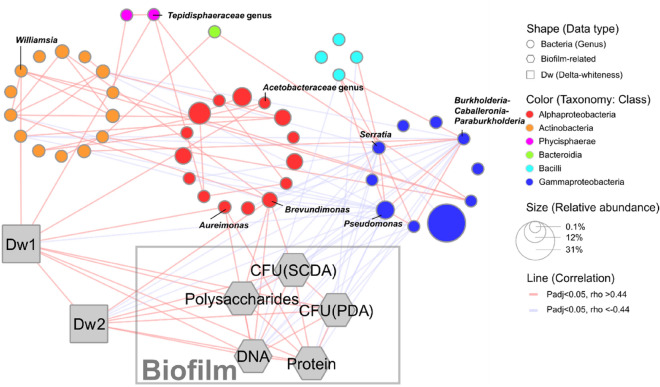
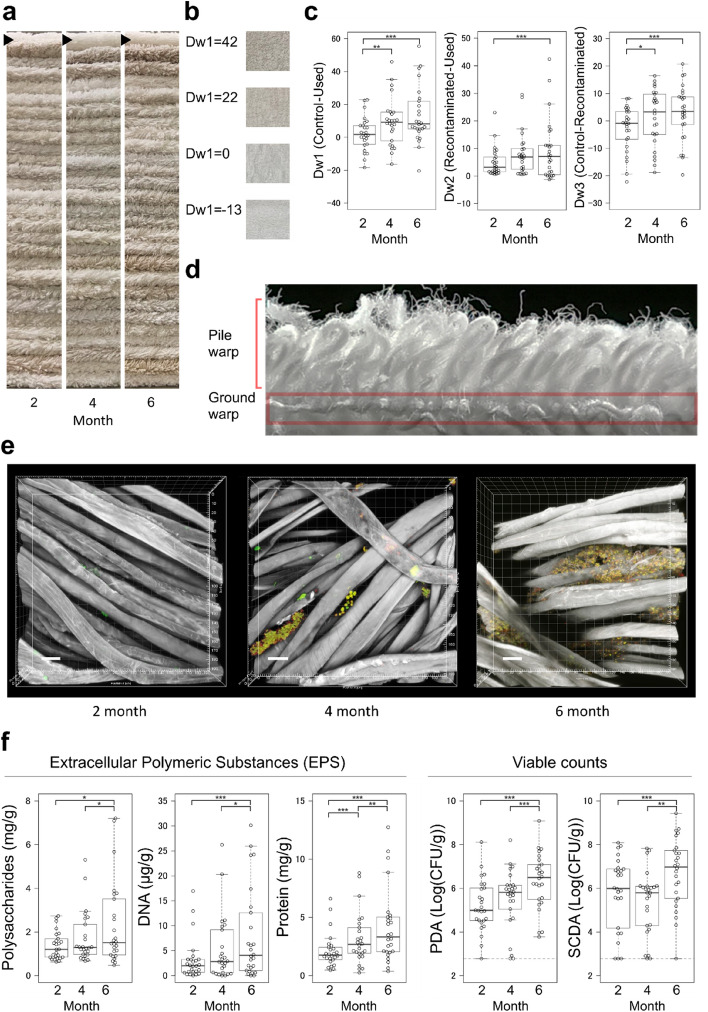
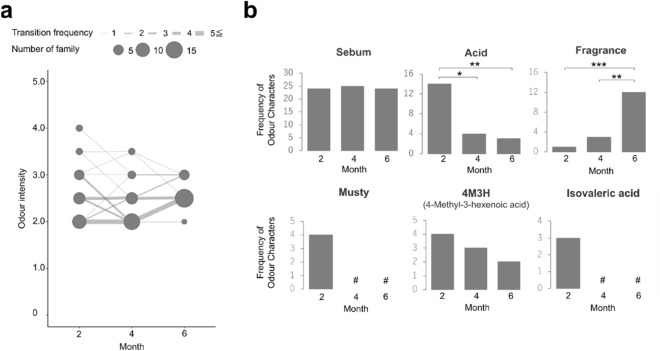
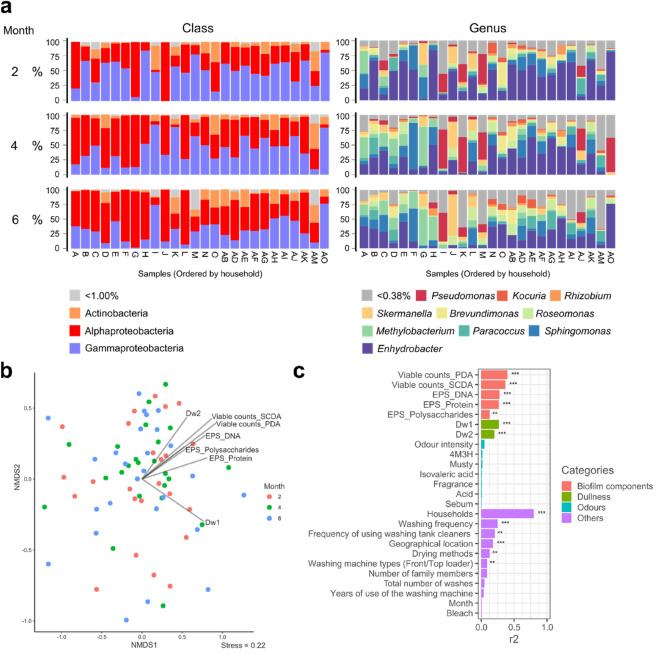
Towels differ remarkably from other textile products in their fibre structure and usage, and microbial behaviours on towels remain underexplored. Thus, we evaluated biofilm formation on towels during use for 6 months in daily life and analysed its relationship with odour, dullness, and laundry habits. The towels exhibited odour and dullness after 2 months of use and biofilm structures were observed over the 6 months, especially in the ground warp part. Polysaccharides, proteins, nucleic acids, and viable counts on the towels increased over time. The microbiota was significantly different from that on human skin and clothing. Several species of Alphaproteobacteria were correlated with dullness intensity and the quantity of biofilm components. Therefore, bacterial species that specifically adapt to the towel fibre environment could form biofilms. Our results demonstrate bacterial diversity in textile products and suggest careful consideration of the textile fibre material, structure, and usage pattern to control bacterial communities.
毛巾在纤维结构和用途上与其他纺织品有显著差异,而毛巾上微生物的行为仍未得到充分研究。因此,我们评估了日常生活中使用 6 个月的毛巾上生物膜的形成情况,并分析了其与气味、暗淡和洗衣习惯的关系。使用 2 个月后,毛巾开始有异味且变得暗淡无光,在 6 个月的时间里,观察到了生物膜结构,尤其是在底经部分。随着时间的推移,毛巾上的多糖、蛋白质、核酸和活菌数不断增加。毛巾上的微生物群与人体皮肤和衣物上的微生物群明显不同。几种α变形菌与暗淡强度和生物膜成分的数量相关。因此,能够专门适应毛巾纤维环境的细菌物种可能会形成生物膜。我们的研究结果表明纺织品产品中的细菌多样性,并建议仔细考虑纺织品纤维材料、结构和使用方式,以控制细菌群落。