Bockmühl Dirk P, Schages Jan, Rehberg Laura
Rhine-Waal University of Applied Sciences, Faculty of Life Sciences, Hygiene and Microbiology, Marie-Curie-Str. 1, 47533 Kleve, Germany.
Microb Cell. 2019 Jul 1;6(7):299-306. doi: 10.15698/mic2019.07.682.
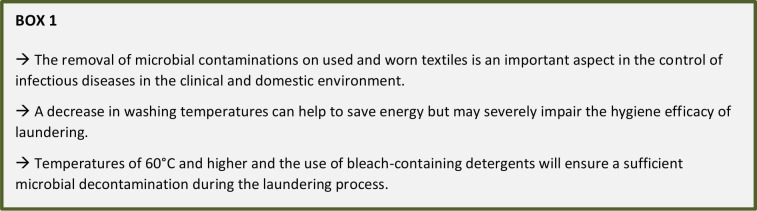
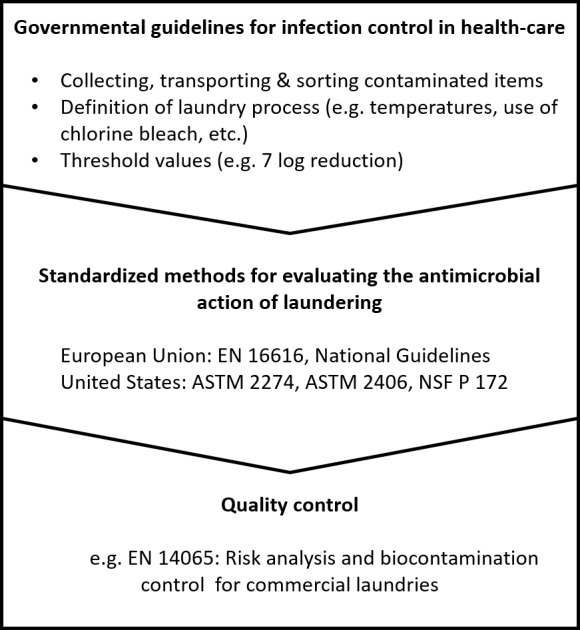
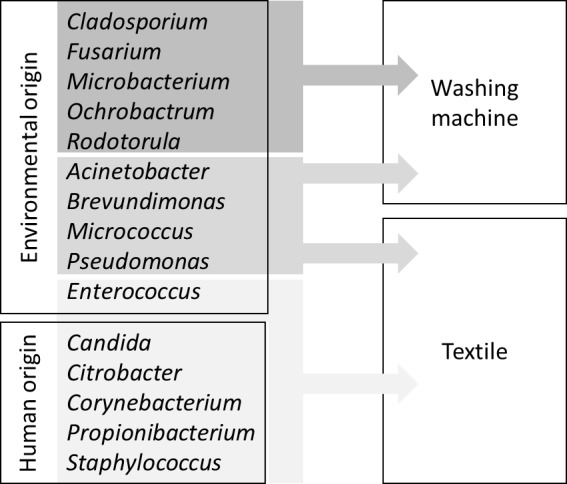
The elimination of microbial contaminations from textile is an important aspect of laundering apart from the removal of stains and dirt from used and worn textiles. Although the framework for institutional laundering is well regulated to ensure hygienic cleanliness via the use of e.g. high temperatures and bleaching agents, there are several open points, especially in domestic laundering. In both cases, energy efficiency of appliances is a main driver for innovation and has resulted in a general decrease in washing temperatures which in turn can impact the antimicrobial efficacy of laundering. Thus, the different factors influencing the input and removal of microbial cells in the laundering process and possible adverse effects of microbial contaminants in the washing machine and on the textiles as well as suitable counteractions are discussed in this article, focusing on the clinical area but also considering the domestic environment, which will gain importance in the future, e.g. by the increase of elderly and ill persons being cared for at home.
除了去除使用过和穿着过的纺织品上的污渍和污垢外,消除纺织品上的微生物污染是洗涤的一个重要方面。虽然机构洗涤的框架受到严格监管,以通过使用例如高温和漂白剂来确保卫生清洁,但仍存在几个未解决的问题,特别是在家庭洗涤方面。在这两种情况下,电器的能源效率是创新的主要驱动力,导致洗涤温度普遍降低,这反过来又会影响洗涤的抗菌效果。因此,本文讨论了影响洗涤过程中微生物细胞输入和去除的不同因素、洗衣机和纺织品上微生物污染物可能产生的不利影响以及合适的应对措施,重点关注临床领域,但也考虑到家庭环境,未来随着在家中接受护理的老年人和病人数量的增加,家庭环境将变得更加重要。