State Key Laboratory of Trauma, Burns and Combined Injury, Shock and Transfusion Department, Daping Hospital, Army Medical University, Chongqing, China.
Department of Anesthesiology, Daping Hospital, Army Medical University, Chongqing, China.
Front Immunol. 2023 Apr 27;14:1181697. doi: 10.3389/fimmu.2023.1181697. eCollection 2023.
To identify differentially expressed lipid metabolism-related genes (DE-LMRGs) responsible for immune dysfunction in sepsis.
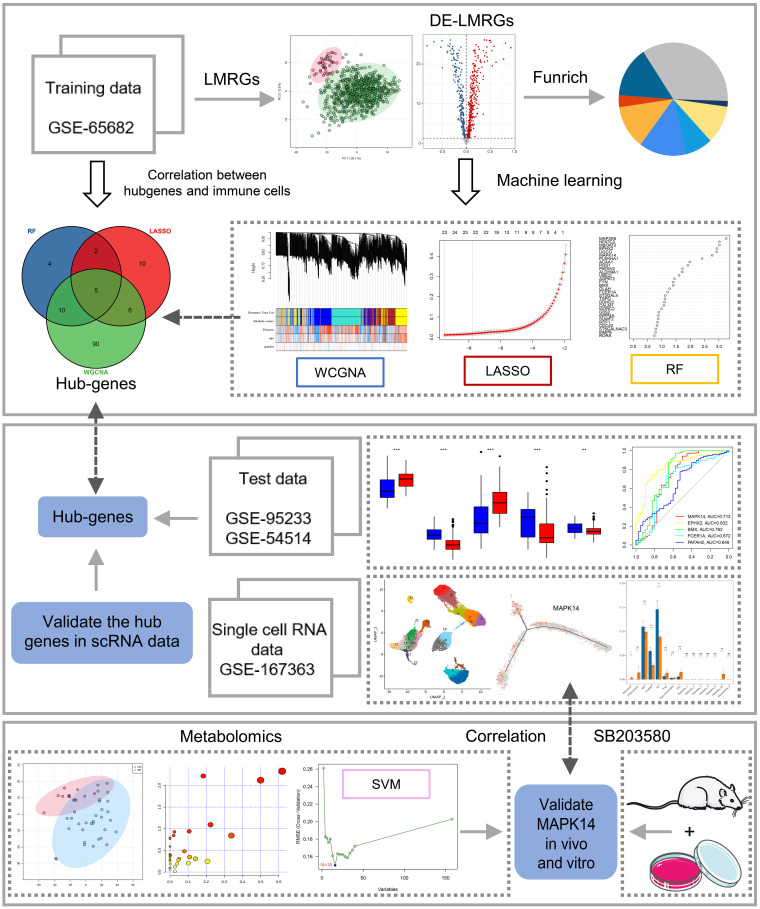
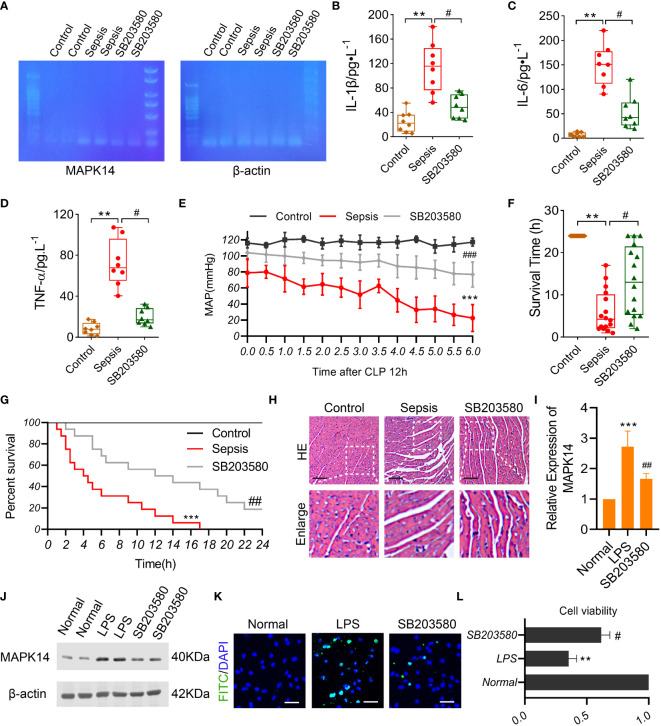
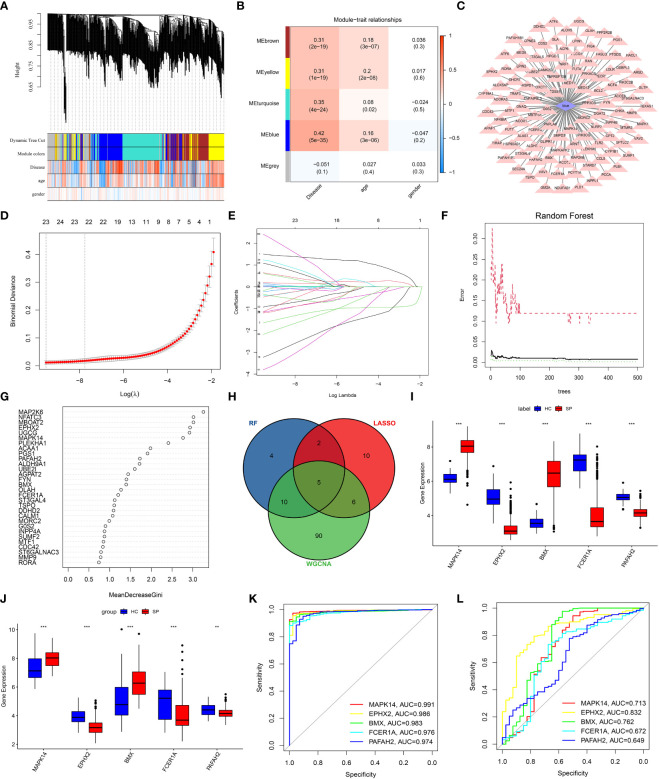
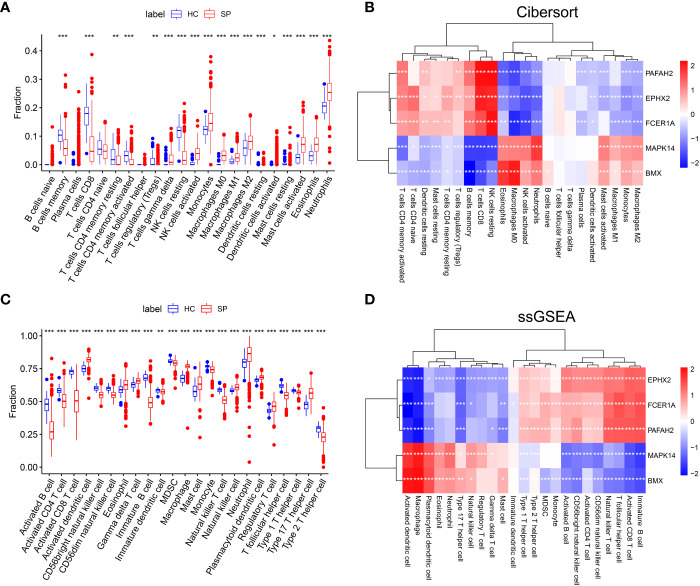
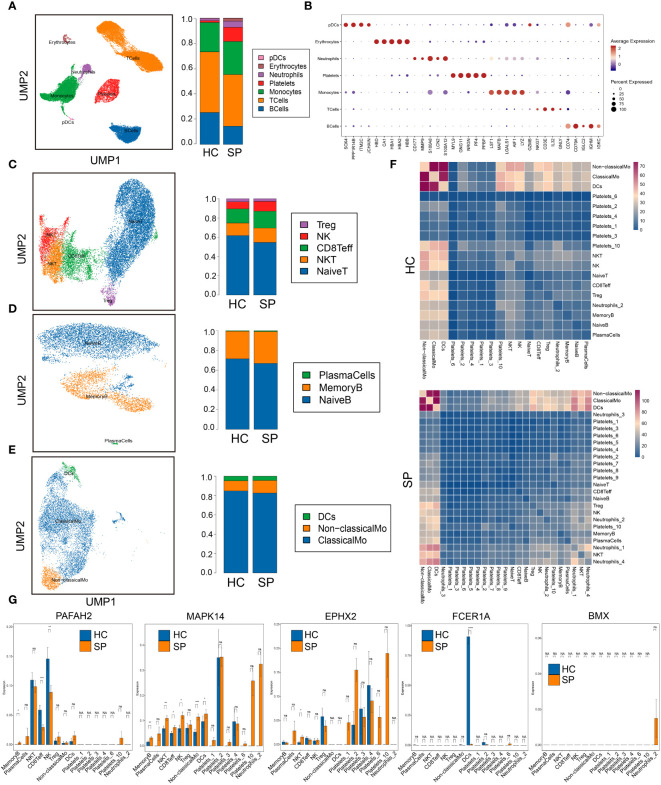
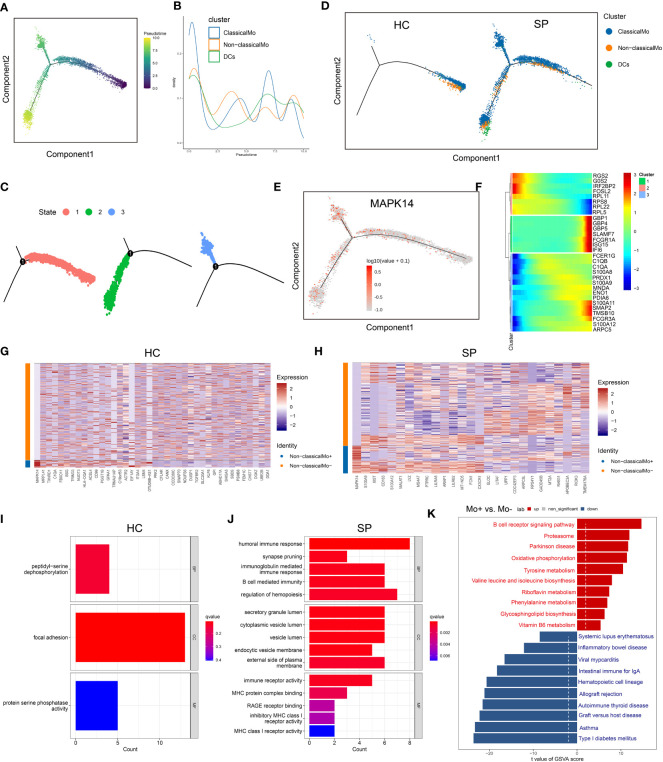
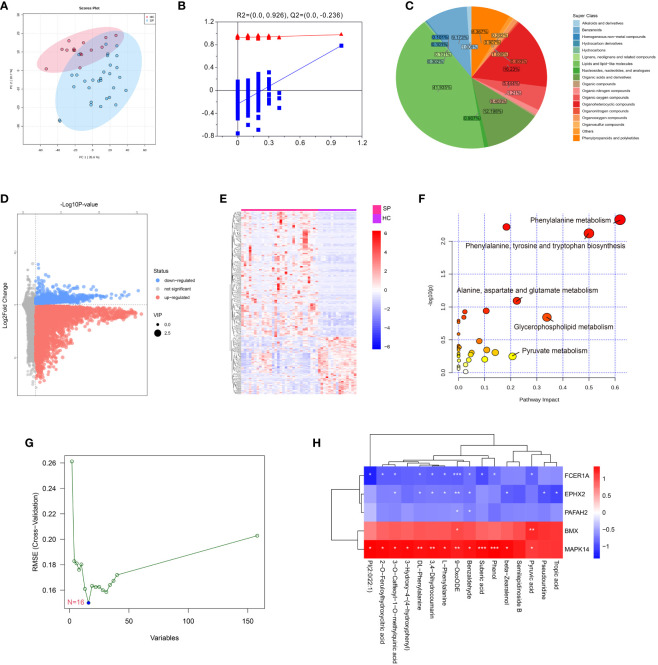
The lipid metabolism-related hub genes were screened using machine learning algorithms, and the immune cell infiltration of these hub genes were assessed by CIBERSORT and Single-sample GSEA. Next, the immune function of these hub genes at the single-cell level were validated by comparing multiregional immune landscapes between septic patients (SP) and healthy control (HC). Then, the support vector machine-recursive feature elimination (SVM-RFE) algorithm was conducted to compare the significantly altered metabolites critical to hub genes between SP and HC. Furthermore, the role of the key hub gene was verified in sepsis rats and LPS-induced cardiomyocytes, respectively.
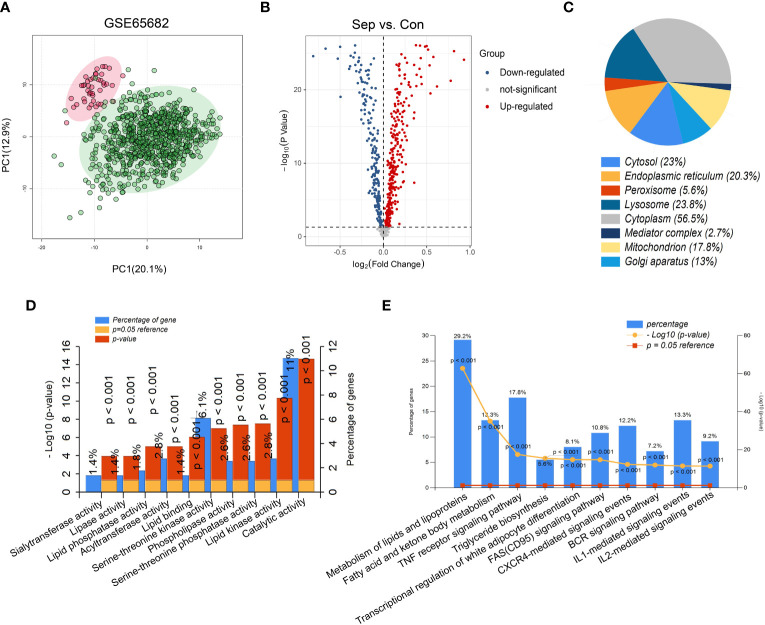
A total of 508 DE-LMRGs were identified between SP and HC, and 5 hub genes relevant to lipid metabolism (, and ) were screened. Then, we found an immunosuppressive microenvironment in sepsis. The role of hub genes in immune cells was further confirmed by the single-cell RNA landscape. Moreover, significantly altered metabolites were mainly enriched in lipid metabolism-related signaling pathways and were associated with Finally, inhibiting decreased the levels of inflammatory cytokines and improved the survival and myocardial injury of sepsis.
The lipid metabolism-related hub genes may have great potential in prognosis prediction and precise treatment for sepsis patients.
为了确定与免疫功能障碍相关的差异表达脂质代谢相关基因(DE-LMRGs)在脓毒症中的作用。
采用机器学习算法筛选脂质代谢相关枢纽基因,通过 CIBERSORT 和单样本 GSEA 评估这些枢纽基因的免疫细胞浸润情况。接下来,通过比较脓毒症患者(SP)和健康对照(HC)之间的多区域免疫图谱,验证这些枢纽基因在单细胞水平上的免疫功能。然后,通过支持向量机递归特征消除(SVM-RFE)算法比较 SP 和 HC 之间关键枢纽基因的显著改变代谢物。此外,分别在脓毒症大鼠和 LPS 诱导的心肌细胞中验证关键枢纽基因的作用。
共鉴定出 SP 和 HC 之间的 508 个差异表达脂质代谢相关基因(DE-LMRGs),筛选出 5 个与脂质代谢相关的枢纽基因(、和)。然后,我们发现脓毒症中存在免疫抑制微环境。通过单细胞 RNA 图谱进一步证实了枢纽基因在免疫细胞中的作用。此外,显著改变的代谢物主要富集在脂质代谢相关信号通路中,并与 最后,抑制 降低了炎症细胞因子的水平,并提高了脓毒症大鼠的存活率和心肌损伤。
与脂质代谢相关的枢纽基因在脓毒症患者的预后预测和精准治疗中可能具有很大的潜力。