Calcaterra Valeria, Verduci Elvira, Milanta Chiara, Agostinelli Marta, Todisco Carolina Federica, Bona Federica, Dolor Jonabel, La Mendola Alice, Tosi Martina, Zuccotti Gianvincenzo
Pediatrics and Adolescentology Unit, Department of Internal Medicine, University of Pavia, 27100 Pavia, Italy.
Pediatric Department, Buzzi Children's Hospital, 20154 Milan, Italy.
Children (Basel). 2023 Apr 7;10(4):695. doi: 10.3390/children10040695.
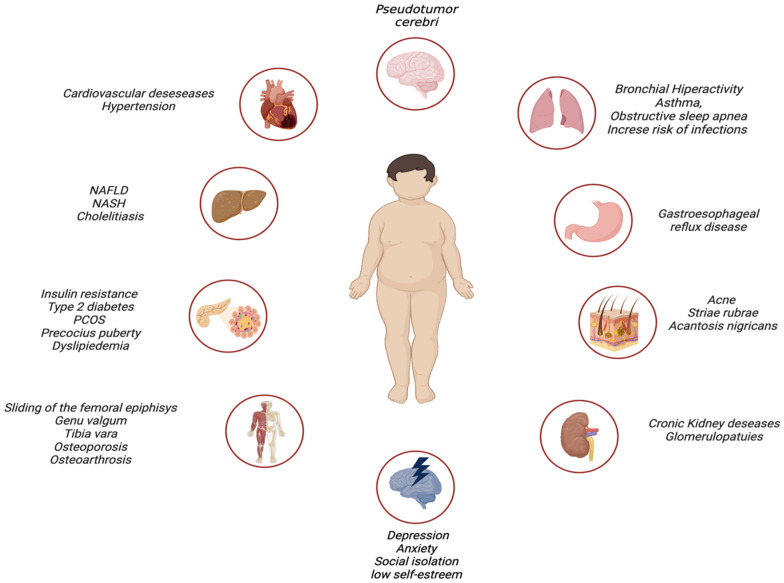
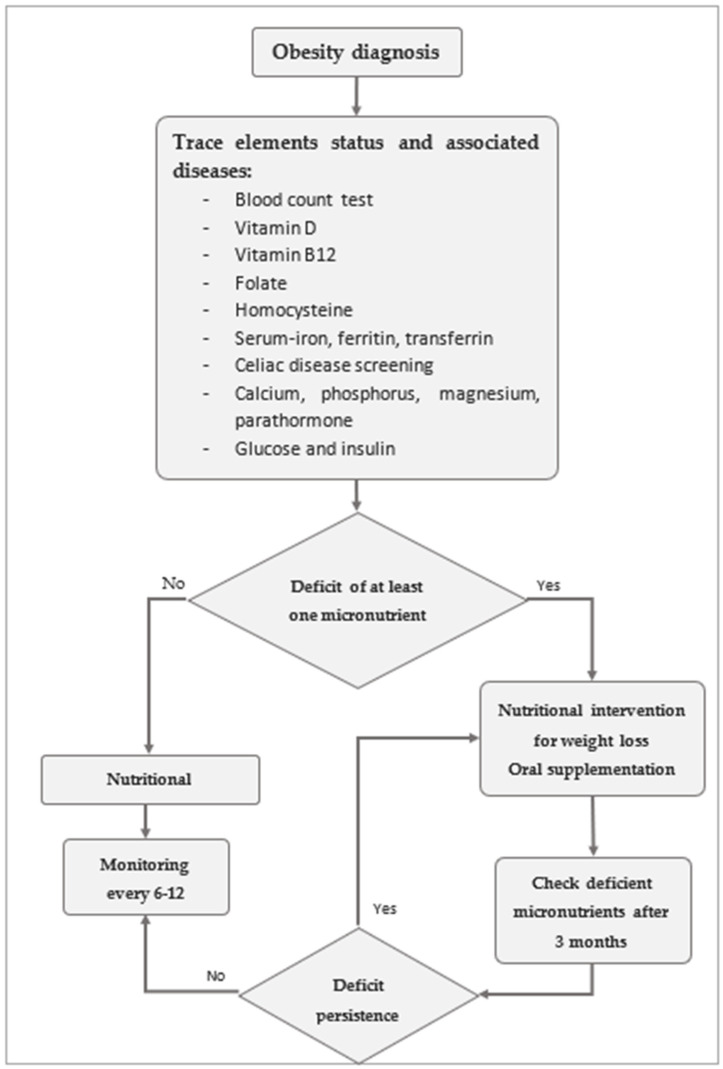
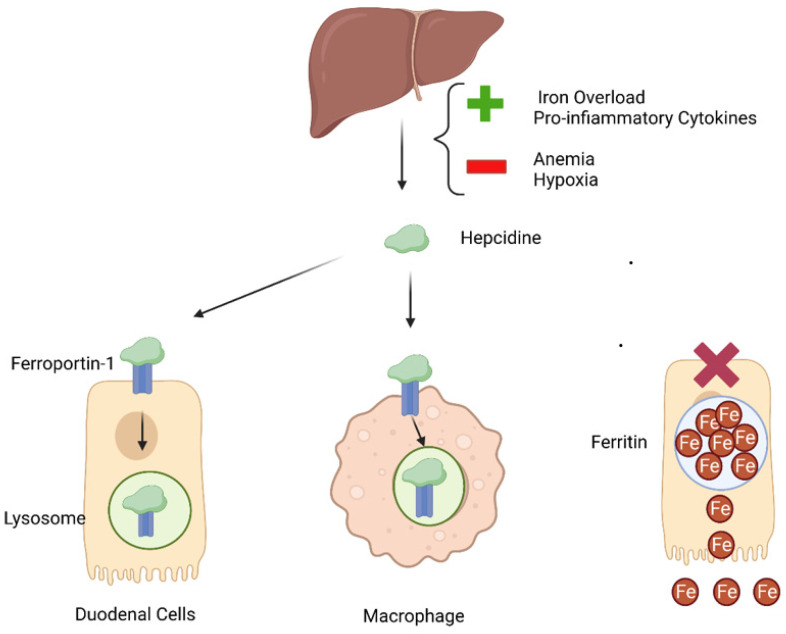
Childhood obesity represents a serious public health burden. Despite excessive dietary consumption, children with obesity present high rates of micronutrient deficiencies, such as deficiencies in minerals and specific vitamins; micronutrient deficiencies may have a pathogenic role in obesity-related metabolic comorbidities. In this narrative review, we analyzed the main deficiencies associated with obesity, their clinical consequences, and the evidence about a possible supplementation. Iron; vitamins A, B, C, D, and E; folic acid; zinc; and copper deficiencies represent the most common deficient microelements. The relationship between obesity and multiple micronutrient deficiencies remains unclear, and different mechanisms have been proposed. The medical care plan for pediatric obesity should include food choices with high nutritional content as part of a crucial approach to obesity-related complications. Unfortunately, only a few studies are available regarding the efficacy of oral supplementation or weight loss for treating them; thus, continuous nutritional monitoring is necessary.
儿童肥胖是一项严重的公共卫生负担。尽管存在过度饮食摄入,但肥胖儿童中微量营养素缺乏率很高,如矿物质和特定维生素缺乏;微量营养素缺乏可能在肥胖相关的代谢合并症中起致病作用。在这篇叙述性综述中,我们分析了与肥胖相关的主要缺乏症、它们的临床后果以及关于可能进行补充的证据。铁;维生素A、B、C、D和E;叶酸;锌;以及铜缺乏是最常见的缺乏微量元素。肥胖与多种微量营养素缺乏之间的关系仍不清楚,并且已经提出了不同的机制。儿童肥胖的医疗护理计划应包括选择营养丰富的食物,这是应对肥胖相关并发症的关键方法的一部分。不幸的是,关于口服补充剂或减肥治疗这些缺乏症的疗效,仅有少数研究;因此,持续的营养监测是必要的。