Department of Clinical Sciences, Computational Biology Unit, University of Bergen, Bergen, Norway.
Biol Sex Differ. 2023 May 24;14(1):36. doi: 10.1186/s13293-023-00515-w.
Sexual dimorphism is highly prominent in mammals with many physiological and behavioral differences between male and female form of the species. Accordingly, the fundamental social and cultural stratification factors for humans is sex. The sex differences are thought to emerge from a combination of genetic and environmental factors. It distinguishes individuals most prominently on the reproductive traits, but also affects many of the other related traits and manifest in different disease susceptibilities and treatment responses across sexes. Sex differences in brain have raised a lot of controversy due to small and sometimes contradictory sex-specific effects. Many studies have been published to identify sex-biased genes in one or several brain regions, but the assessment of the robustness of these studies is missing. We therefore collected huge amount of publicly available transcriptomic data to first estimate whether consistent sex differences exist and further explore their likely origin and functional significance.
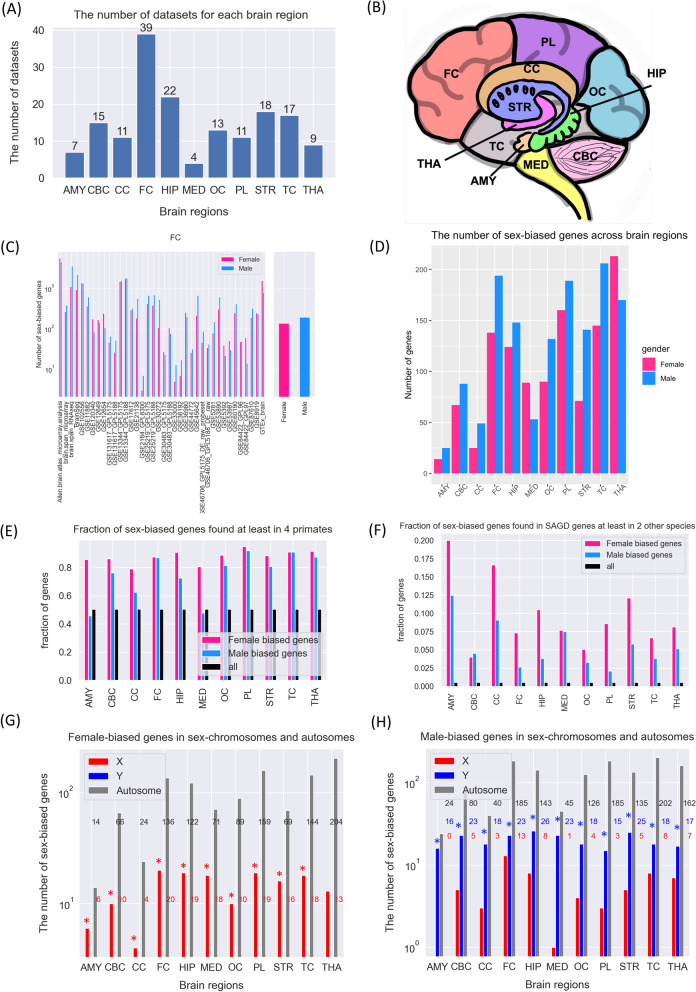
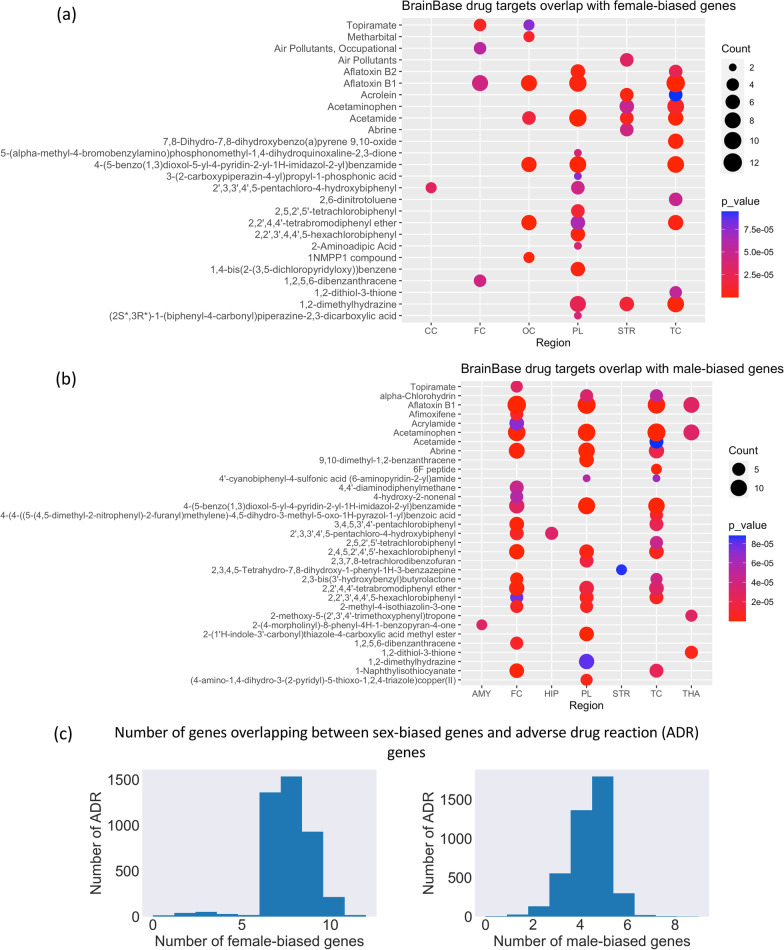
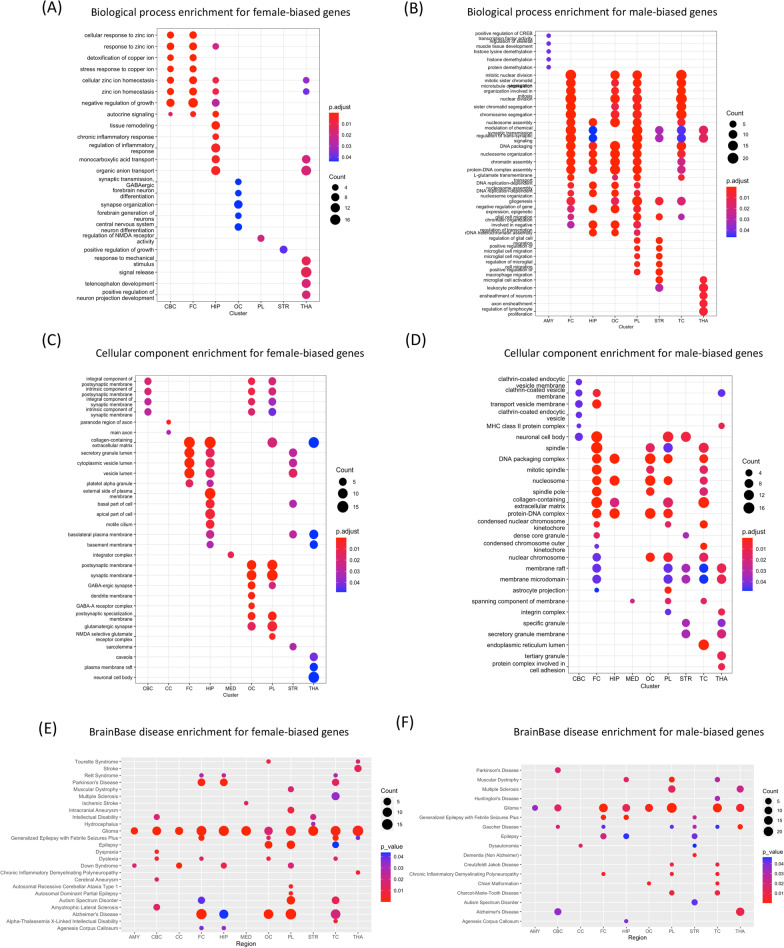
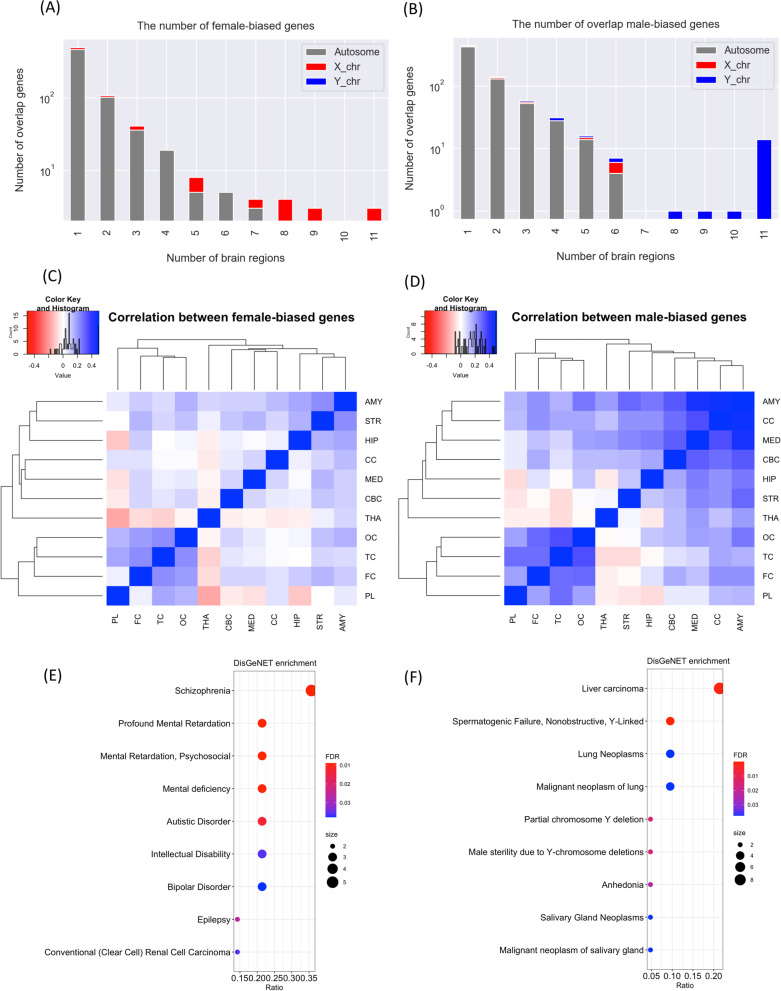
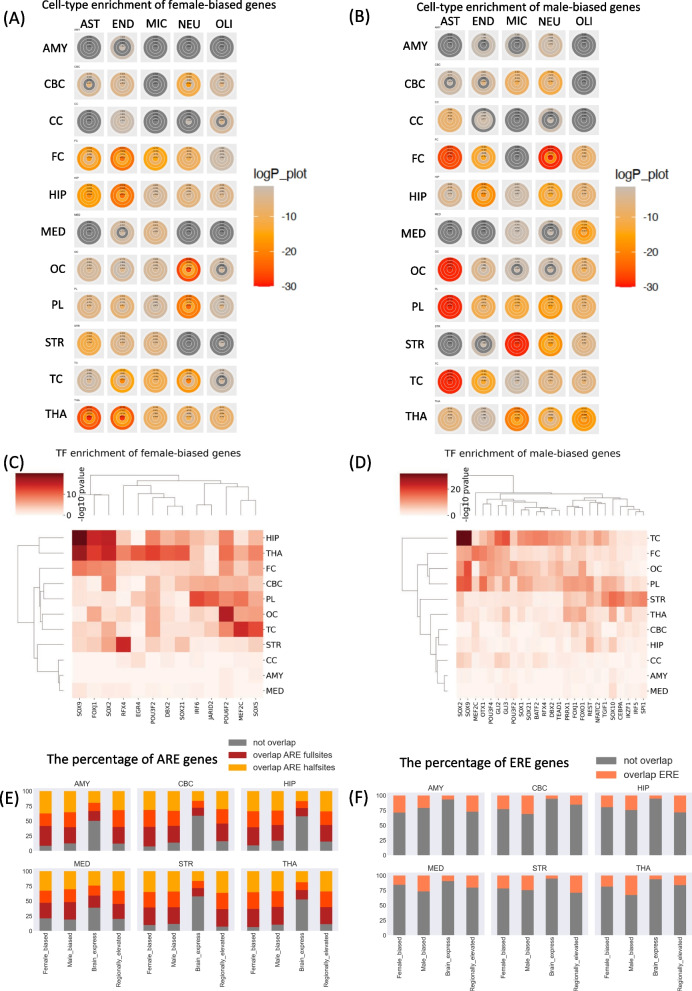
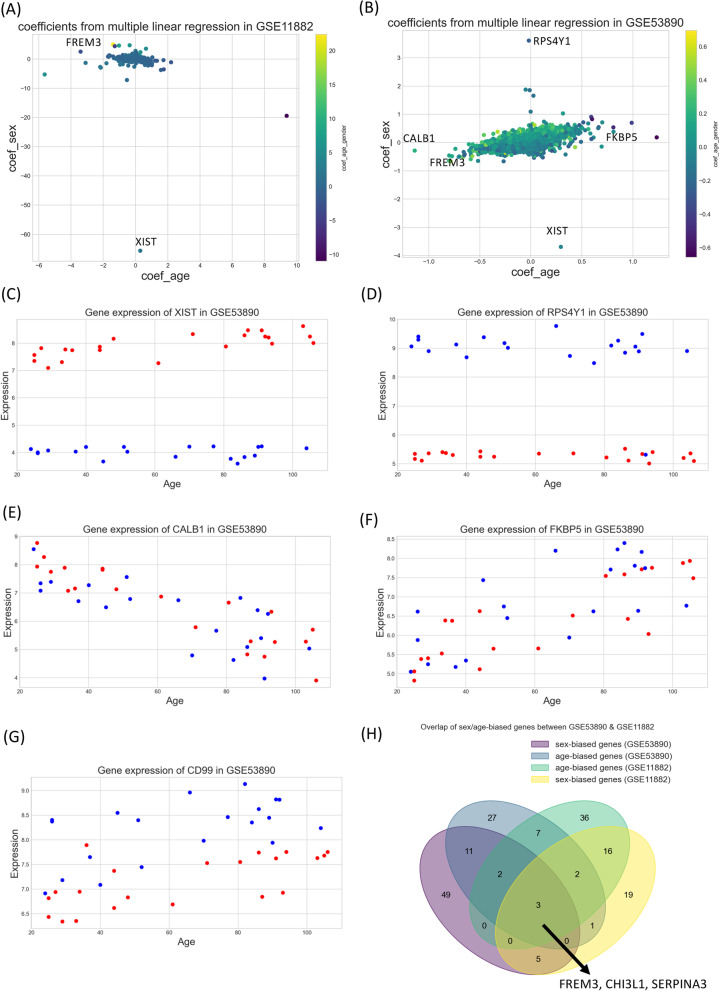
In order to systematically characterise sex-specific differences across human brain regions, we collected transcription profiles for more than 16,000 samples from 46 datasets across 11 brain regions. By systematic integration of the data from multiple studies, we identified robust transcription level differences in human brain across to identify male-biased and female-biased genes in each brain region. Firstly, both male and female-biased genes were highly conserved across primates and showed a high overlap with sex-biased genes in other species. Female-biased genes were enriched for neuron-associated processes while male-biased genes were enriched for membranes and nuclear structures. Male-biased genes were enriched on the Y chromosome while female-biased genes were enriched on the X chromosome, which included X chromosome inactivation escapees explaining the origins of some sex differences. Male-biased genes were enriched for mitotic processes while female-biased genes were enriched for synaptic membrane and lumen. Finally, sex-biased genes were enriched for drug-targets and more female-biased genes were affected by adverse drug reactions than male-biased genes. In summary, by building a comprehensive resource of sex differences across human brain regions at gene expression level, we explored their likely origin and functional significance. We have also developed a web resource to make the entire analysis available for the scientific community for further exploration, available at https://joshiapps.cbu.uib.no/SRB_app/.
性二态性在哺乳动物中非常显著,物种的雄性和雌性形式之间存在许多生理和行为差异。因此,人类的基本社会和文化分层因素是性别。性别差异被认为来自遗传和环境因素的结合。它最突出地将个体区分在生殖特征上,但也影响许多其他相关特征,并在性别之间表现出不同的疾病易感性和治疗反应。由于性别特异性效应较小且有时相互矛盾,大脑中的性别差异引起了很多争议。许多研究已经发表,以确定一个或多个脑区的性别偏倚基因,但这些研究的稳健性评估却缺失了。因此,我们收集了大量公开可用的转录组数据,首先估计是否存在一致的性别差异,并进一步探索其可能的起源和功能意义。
为了系统地描述人类大脑区域的性别特异性差异,我们从 11 个大脑区域的 46 个数据集收集了超过 16000 个样本的转录谱。通过对来自多个研究的数据进行系统整合,我们确定了人类大脑中稳定的转录水平差异,以识别每个脑区的雄性偏倚和雌性偏倚基因。首先,雄性偏倚和雌性偏倚基因在灵长类动物中高度保守,并与其他物种中的性别偏倚基因高度重叠。雌性偏倚基因富集了与神经元相关的过程,而雄性偏倚基因富集了膜和核结构。雄性偏倚基因富集在 Y 染色体上,而雌性偏倚基因富集在 X 染色体上,其中包括解释一些性别差异起源的 X 染色体失活逃逸基因。雄性偏倚基因富集于有丝分裂过程,而雌性偏倚基因富集于突触膜和腔。最后,性别偏倚基因富集于药物靶点,并且受不良药物反应影响的雌性偏倚基因多于雄性偏倚基因。总之,通过构建人类大脑区域基因表达水平性别差异的综合资源,我们探索了其可能的起源和功能意义。我们还开发了一个网络资源,将整个分析提供给科学界进行进一步探索,网址为 https://joshiapps.cbu.uib.no/SRB_app/。