Department of Paediatrics and Adolescent Medicine, LKS Faculty of Medicine, The University of Hong Kong, 21 Sassoon Road, Pokfulam, Hong Kong.
Biol Sex Differ. 2017 Nov 2;8(1):35. doi: 10.1186/s13293-017-0156-4.
Sex is an important but understudied factor in the genetics of human diseases. Analyses using a combination of gene expression data, ENCODE data, and evolutionary data of sex-biased gene expression in human tissues can give insight into the regulatory and evolutionary forces acting on sex-biased genes.
In this study, we analyzed the differentially expressed genes between males and females. On the X chromosome, we used a novel method and investigated the status of genes that escape X-chromosome inactivation (escape genes), taking into account the clonality of lymphoblastoid cell lines (LCLs). To investigate the regulation of sex-biased differentially expressed genes (sDEG), we conducted pathway and transcription factor enrichment analyses on the sDEGs, as well as analyses on the genomic distribution of sDEGs. Evolutionary analyses were also conducted on both sDEGs and escape genes.
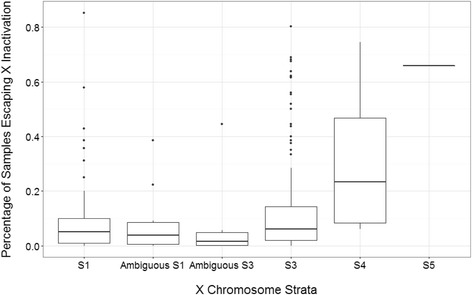
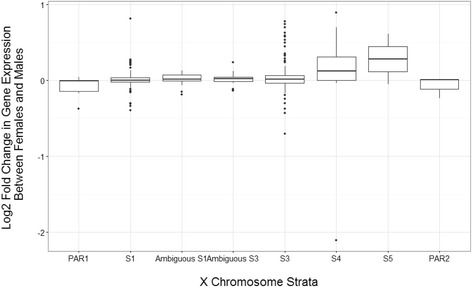
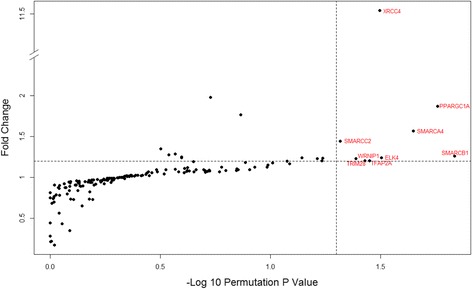
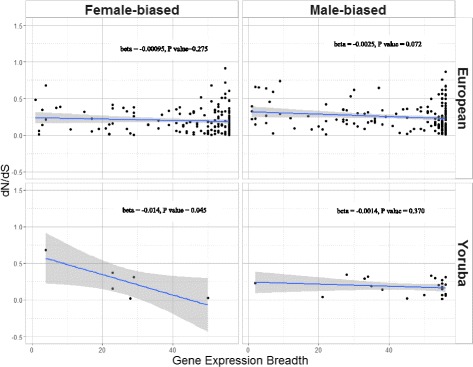
Genome-wide, we characterized differential gene expression between sexes in 462 RNA-seq samples and identified 587 sex-biased genes, or 3.2% of the genes surveyed. On the X chromosome, sDEGs were distributed in evolutionary strata in a similar pattern as escape genes. We found a trend of negative correlation between the gene expression breadth and nonsynonymous over synonymous mutation (dN/dS) ratios, showing a possible pleiotropic constraint on evolution of genes. Genome-wide, nine transcription factors were found enriched in binding to the regions surrounding the transcription start sites of female-biased genes. Many pathways and protein domains were enriched in sex-biased genes, some of which hint at sex-biased physiological processes.
These findings lend insight into the regulatory and evolutionary forces shaping sex-biased gene expression and their involvement in the physiological and pathological processes in human health and diseases.
性别是人类疾病遗传学中一个重要但研究不足的因素。利用基因表达数据、ENCODE 数据以及人类组织中性别偏倚基因表达的进化数据相结合的分析方法,可以深入了解调节和进化力量对性别偏倚基因的作用。
在本研究中,我们分析了男性和女性之间差异表达的基因。在 X 染色体上,我们使用了一种新方法,研究了逃避 X 染色体失活(逃逸基因)的基因状态,同时考虑了淋巴母细胞系(LCL)的克隆性。为了研究性别偏倚差异表达基因(sDEG)的调控,我们对 sDEGs 进行了途径和转录因子富集分析,以及 sDEGs 基因组分布分析。我们还对 sDEGs 和逃逸基因进行了进化分析。
在 462 个 RNA-seq 样本中,我们全面描述了性别间的全基因组基因表达差异,鉴定出 587 个性别偏倚基因,占调查基因的 3.2%。在 X 染色体上,sDEGs 的进化层分布与逃逸基因相似。我们发现基因表达广度与非同义突变与同义突变(dN/dS)比值之间存在负相关趋势,表明基因进化可能存在多效性约束。在全基因组范围内,发现有 9 个转录因子富集在女性偏倚基因转录起始位点周围区域结合。许多途径和蛋白质结构域在性别偏倚基因中富集,其中一些提示了性别偏倚的生理过程。
这些发现深入了解了调节和进化力量对性别偏倚基因表达的塑造及其在人类健康和疾病的生理和病理过程中的作用。