Mouse Cancer Genetics Program, Center for Cancer Research, National Cancer Institute, Frederick, MD 21702, USA.
Morningside Graduate School of Biomedical Sciences, UMass Chan Medical School, Worcester, MA 01605, USA.
Cell Rep. 2023 Jun 27;42(6):112557. doi: 10.1016/j.celrep.2023.112557. Epub 2023 May 23.
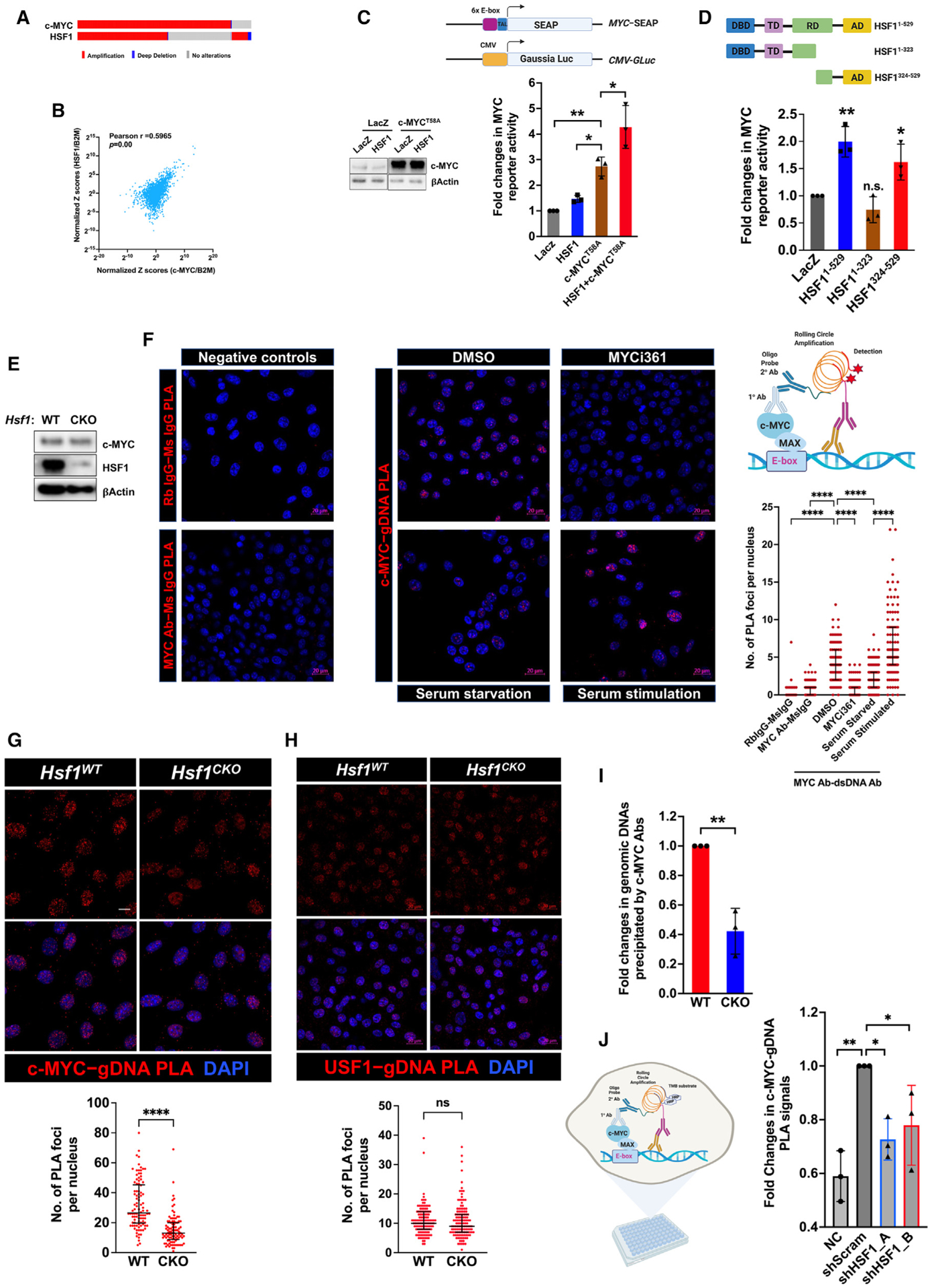
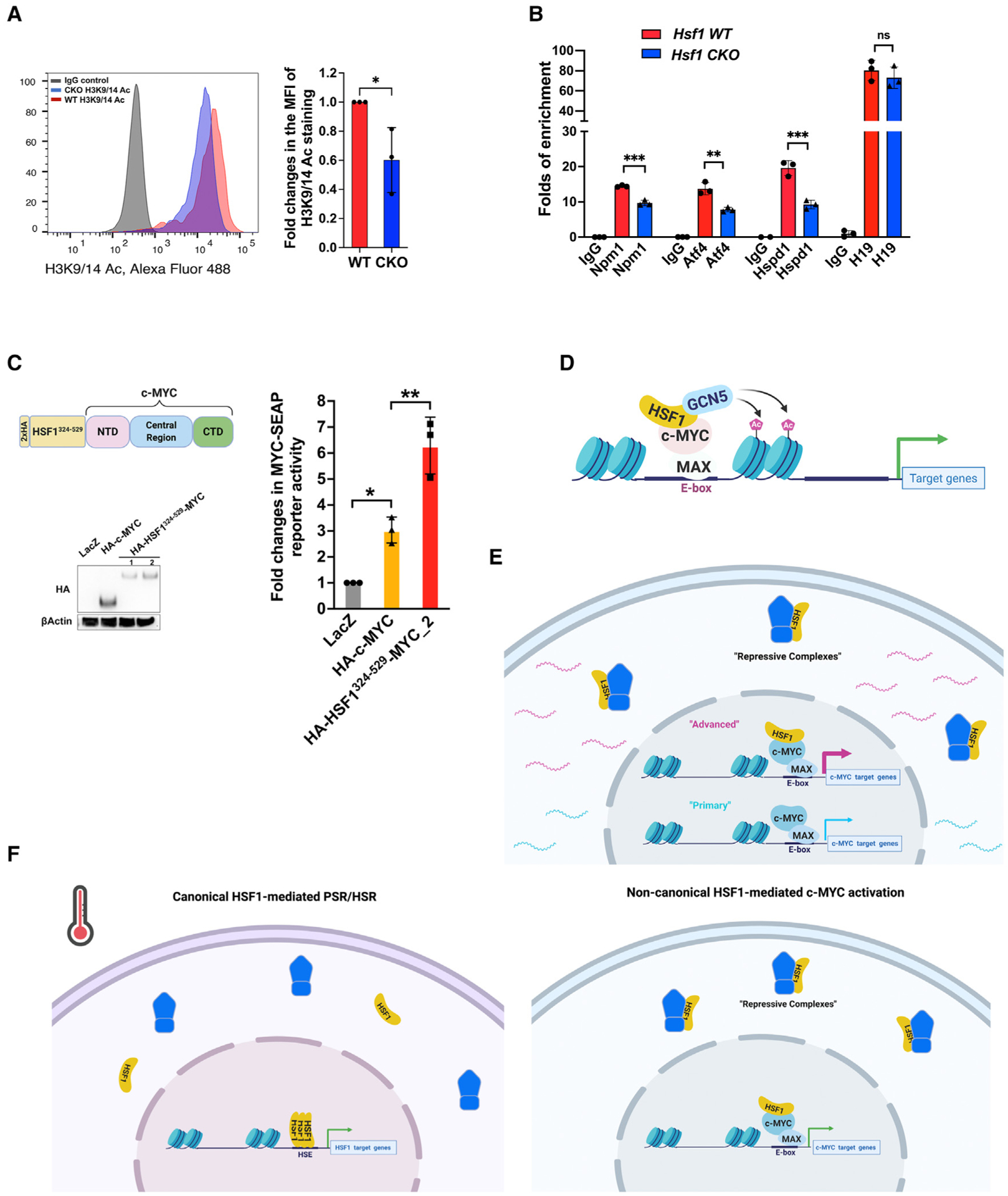
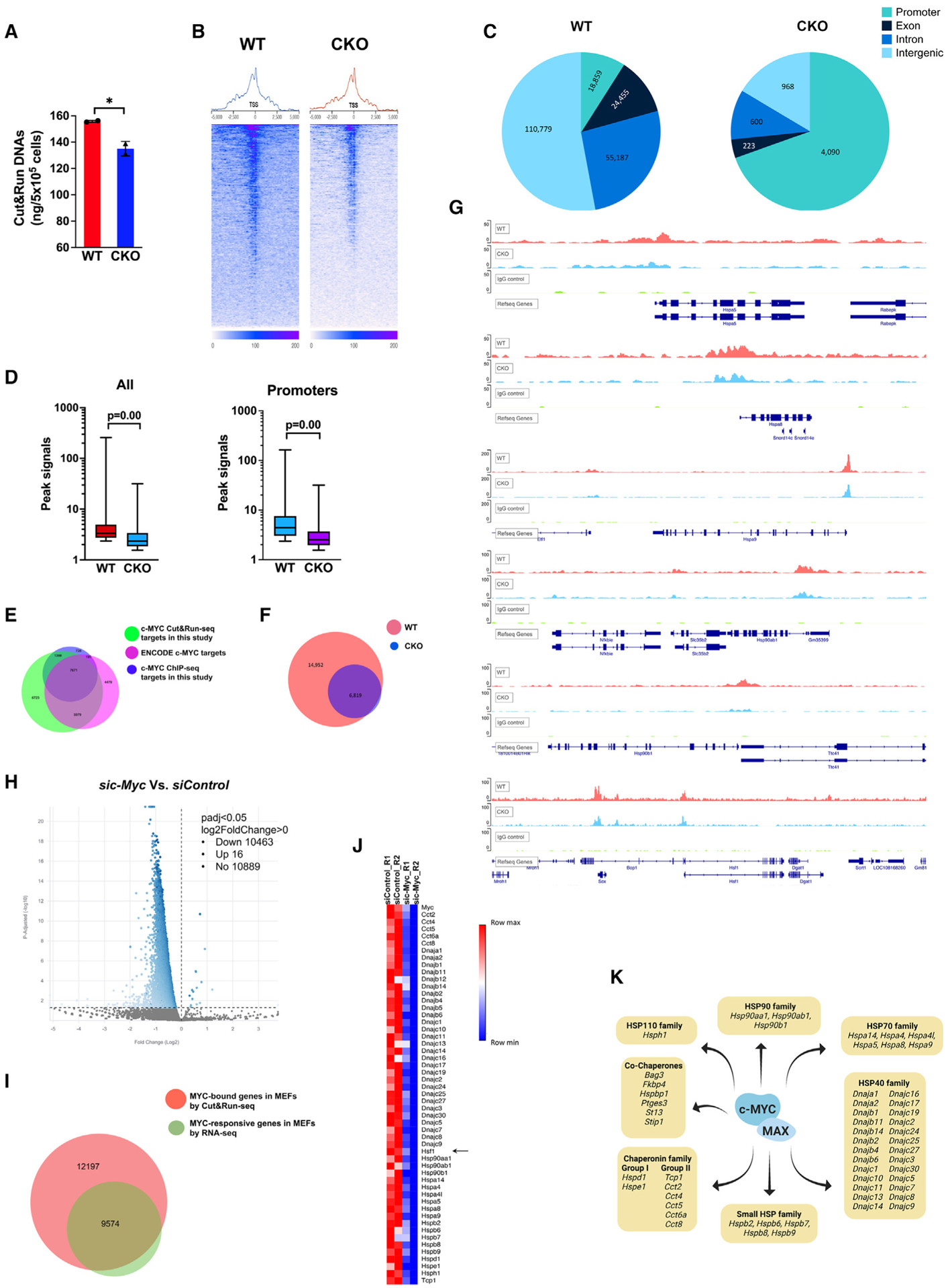
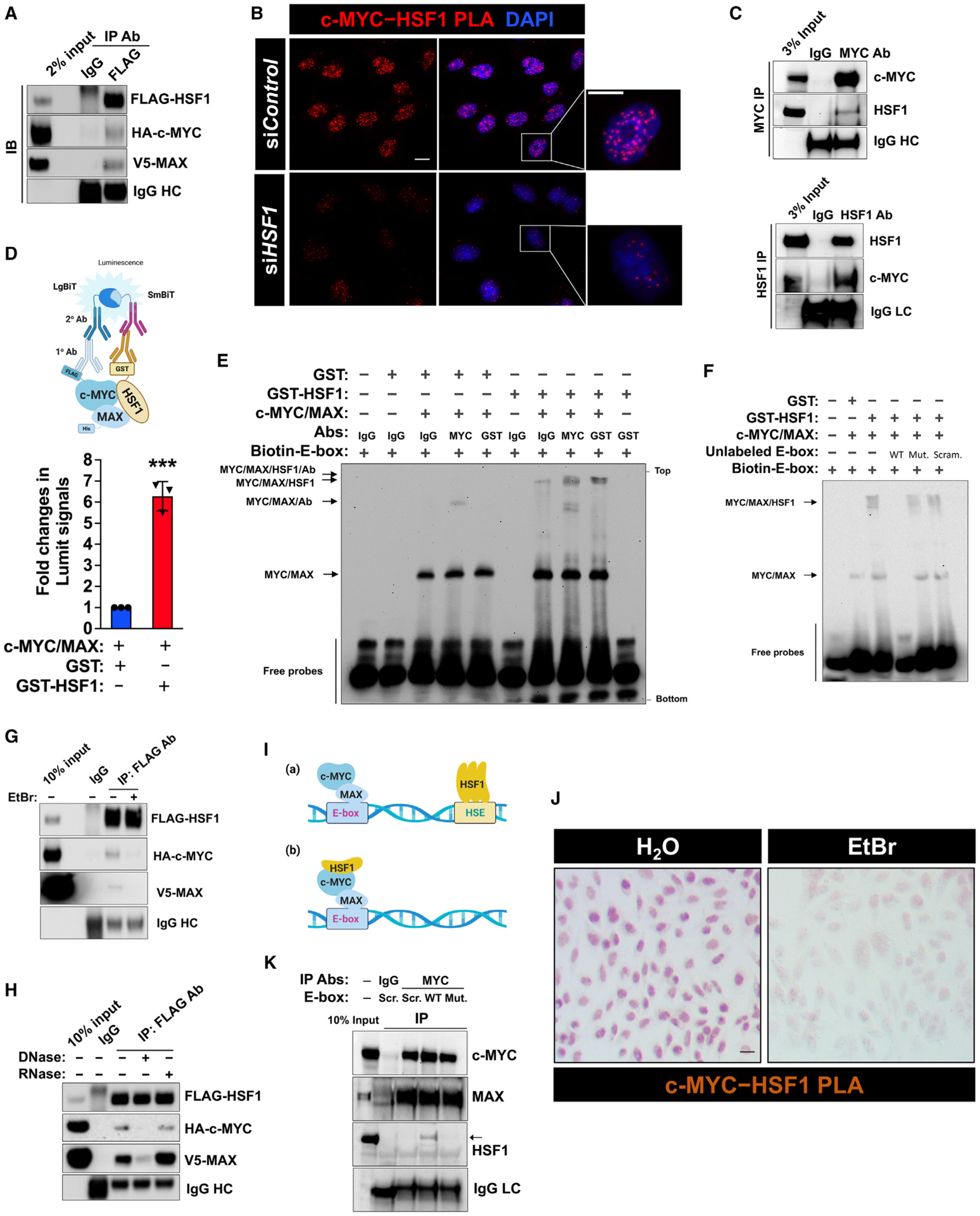
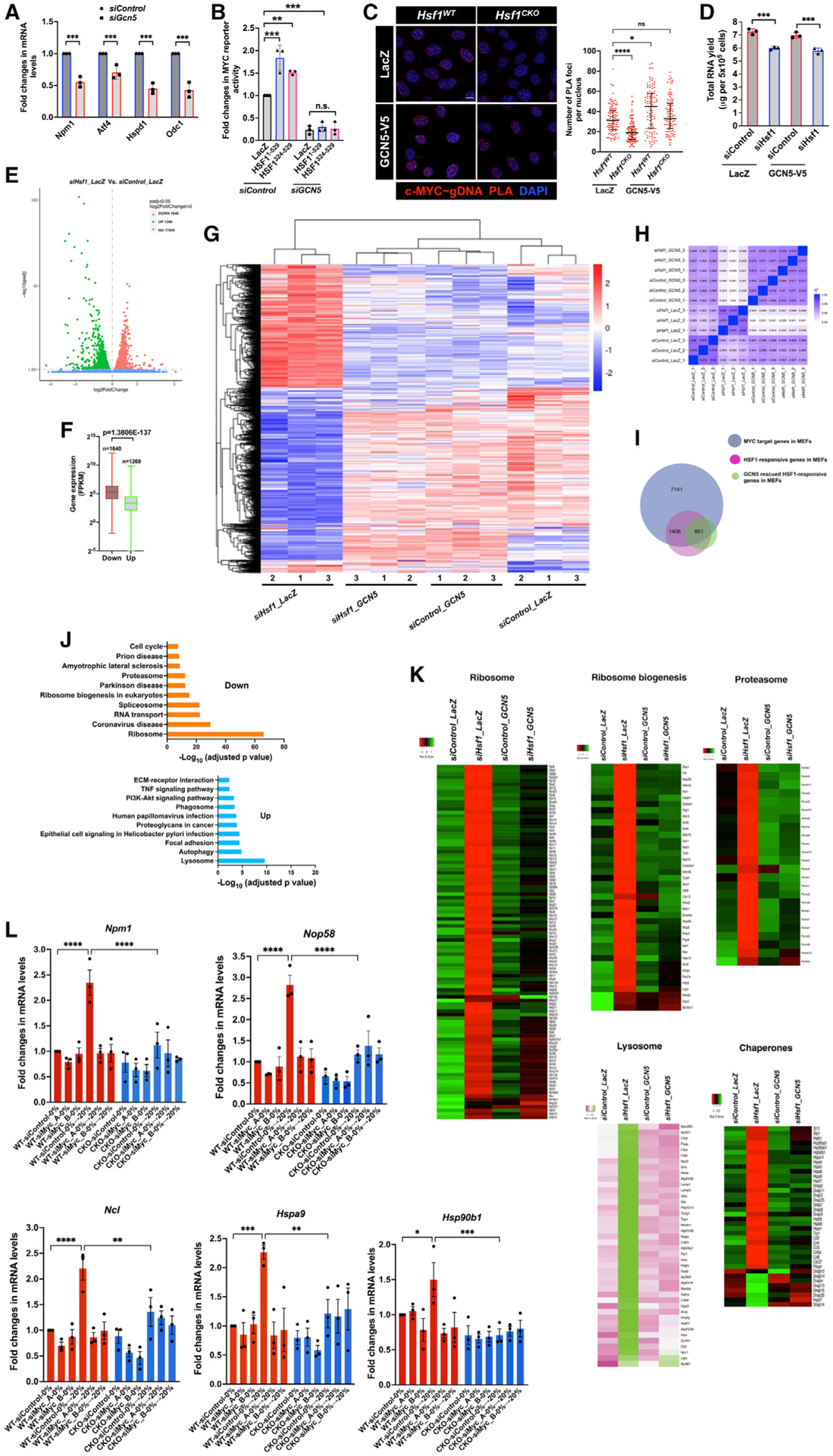
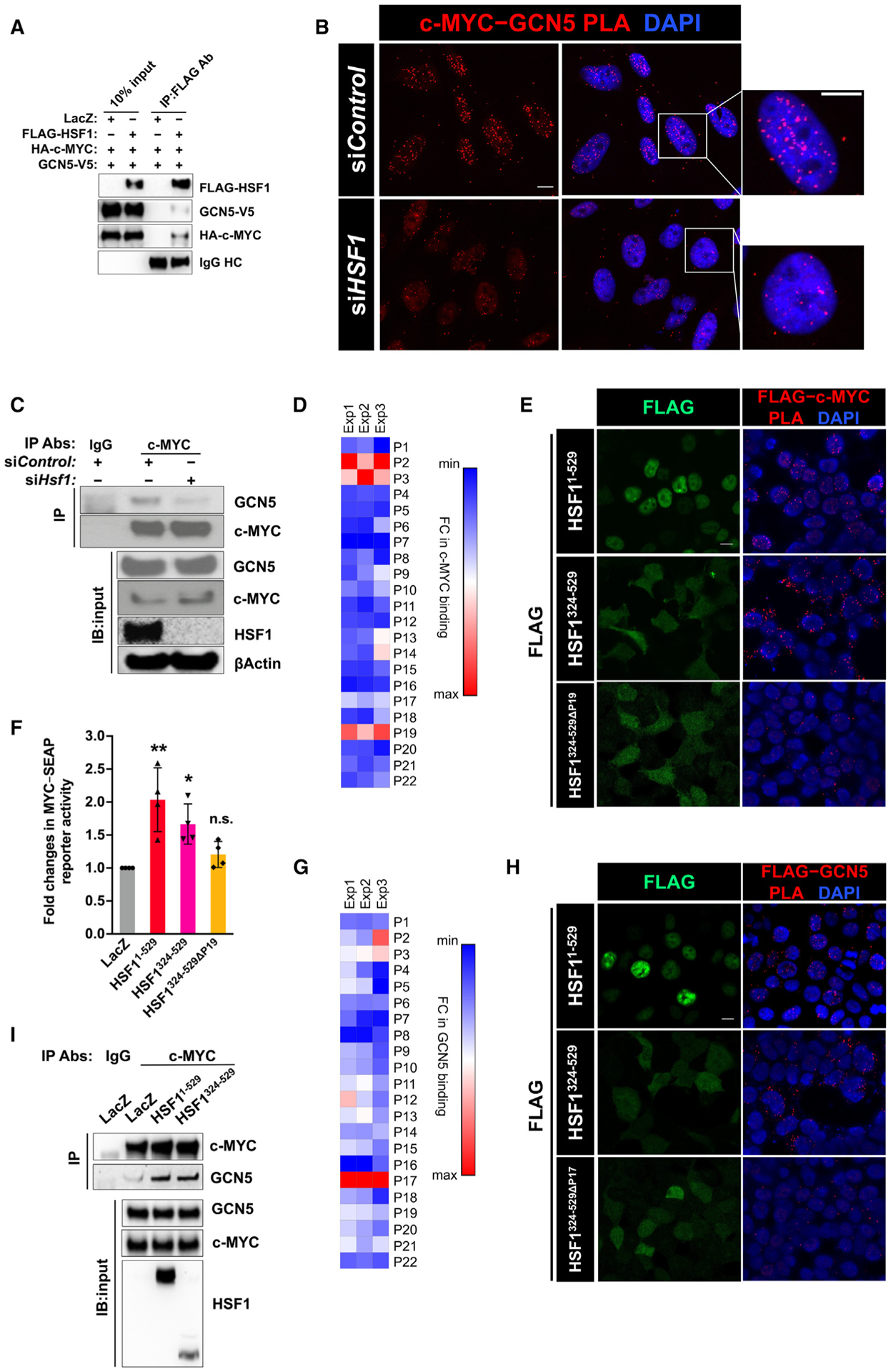
Despite its pivotal roles in biology, how the transcriptional activity of c-MYC is tuned quantitatively remains poorly defined. Here, we show that heat shock factor 1 (HSF1), the master transcriptional regulator of the heat shock response, acts as a prime modifier of the c-MYC-mediated transcription. HSF1 deficiency diminishes c-MYC DNA binding and dampens its transcriptional activity genome wide. Mechanistically, c-MYC, MAX, and HSF1 assemble into a transcription factor complex on genomic DNAs, and surprisingly, the DNA binding of HSF1 is dispensable. Instead, HSF1 physically recruits the histone acetyltransferase general control nonderepressible 5 (GCN5), promoting histone acetylation and augmenting c-MYC transcriptional activity. Thus, we find that HSF1 specifically potentiates the c-MYC-mediated transcription, discrete from its canonical role in countering proteotoxic stress. Importantly, this mechanism of action engenders two distinct c-MYC activation states, primary and advanced, which may be important to accommodate diverse physiological and pathological conditions.
尽管 c-MYC 在生物学中具有关键作用,但 c-MYC 的转录活性如何被定量调节仍未得到很好的定义。在这里,我们表明热休克因子 1(HSF1),即热休克反应的主要转录调节剂,是调节 c-MYC 介导的转录的主要修饰因子。HSF1 缺陷会降低 c-MYC 的 DNA 结合并抑制其全基因组转录活性。从机制上讲,c-MYC、MAX 和 HSF1 可在基因组 DNA 上组装成转录因子复合物,令人惊讶的是,HSF1 的 DNA 结合是可有可无的。相反,HSF1 可直接招募组蛋白乙酰转移酶一般控制不可抑制 5(GCN5),促进组蛋白乙酰化并增强 c-MYC 的转录活性。因此,我们发现 HSF1 特异性增强 c-MYC 介导的转录,与它在对抗蛋白毒性应激中的典型作用不同。重要的是,这种作用机制产生了两种不同的 c-MYC 激活状态,即初级和高级,这可能对适应不同的生理和病理条件很重要。