Department of Neurological Surgery, University of California Davis, Sacramento, CA 95817, USA.
Department of Anesthesia and Pain Medicine, University of California Davis, Sacramento, CA 95817, USA.
Int J Mol Sci. 2023 May 17;24(10):8893. doi: 10.3390/ijms24108893.
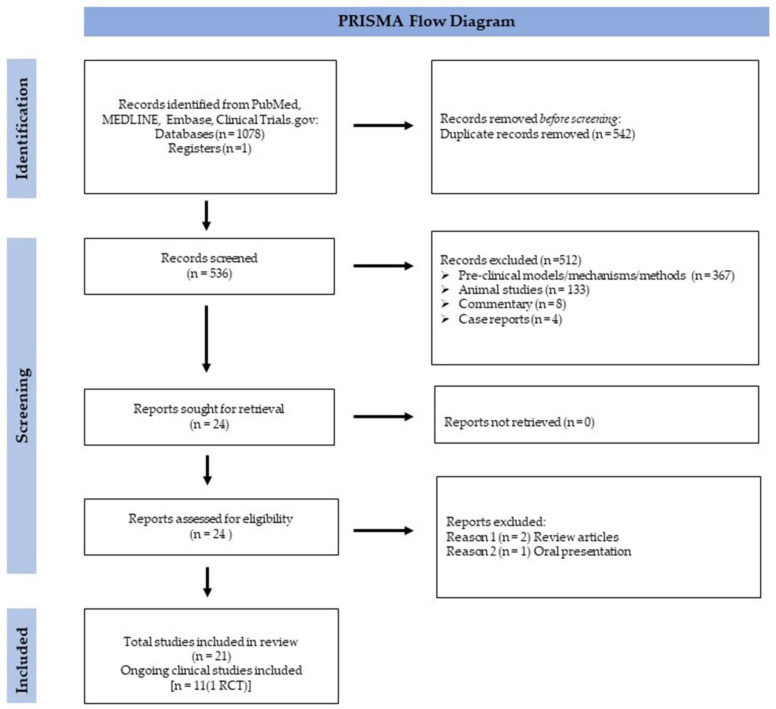
Back pain is the single leading cause of disability worldwide. Despite the prevalence and morbidity of lower back pain, we still lack a gold-standard treatment that restores the physiological function of degenerated intervertebral discs. Recently, stem cells have emerged as a promising strategy for regenerative therapy for degenerative disc disease. In this study, we review the etiology, pathogenesis, and developing treatment strategies for disc degeneration in low back pain with a focus on regenerative stem cell therapies. A systematic search of PubMed/MEDLINE/Embase/Clinical Trials.gov databases was conducted for all human subject abstracts or studies. There was a total of 10 abstracts and 11 clinical studies (1 RCT) that met the inclusion criteria. The molecular mechanism, approach, and progress of the different stem cell strategies in all studies are discussed, including allogenic bone marrow, allogenic discogenic cells, autologous bone marrow, adipose mesenchymal stem cells (MSCs), human umbilical cord MSC, adult juvenile chondrocytes, autologous disc derived chondrocytes, and withdrawn studies. Clinical success with animal model studies is promising; however, the clinical outcomes of stem cell regenerative therapy remain poorly understood. In this systematic review, we found no evidence to support its use in humans. Further studies on efficacy, safety, and optimal patient selection will establish whether this becomes a viable, non-invasive therapeutic option for back pain.
背痛是全球导致残疾的首要原因。尽管下腰痛普遍存在且发病率高,但我们仍然缺乏一种能够恢复退变椎间盘生理功能的金标准治疗方法。最近,干细胞已成为治疗退行性椎间盘疾病的一种很有前途的再生治疗策略。在这项研究中,我们综述了导致下腰痛的椎间盘退变的病因、发病机制和治疗策略的发展,重点是再生干细胞疗法。我们对 PubMed/MEDLINE/Embase/ClinicalTrials.gov 数据库进行了全面检索,以获取所有人类主题摘要或研究。共有 10 篇摘要和 11 项临床研究(1 项 RCT)符合纳入标准。讨论了所有研究中不同干细胞策略的分子机制、方法和进展,包括同种异体骨髓、同种异体椎间盘细胞、自体骨髓、脂肪间充质干细胞(MSCs)、人脐带 MSC、成体幼年软骨细胞、自体椎间盘来源的软骨细胞,以及撤回的研究。动物模型研究的临床成功是有希望的;然而,干细胞再生治疗的临床结果仍不清楚。在这项系统评价中,我们没有发现证据支持其在人类中的应用。进一步研究其疗效、安全性和最佳患者选择将确定其是否成为一种可行的、非侵入性的腰痛治疗选择。