Allen Daniel, Kalter Nechama, Rosenberg Michael, Hendel Ayal
Institute of Nanotechnology and Advanced Materials, The Mina and Everard Goodman Faculty of Life Sciences, Bar-Ilan University, Ramat-Gan 52900, Israel.
Pharmaceutics. 2023 Apr 24;15(5):1329. doi: 10.3390/pharmaceutics15051329.
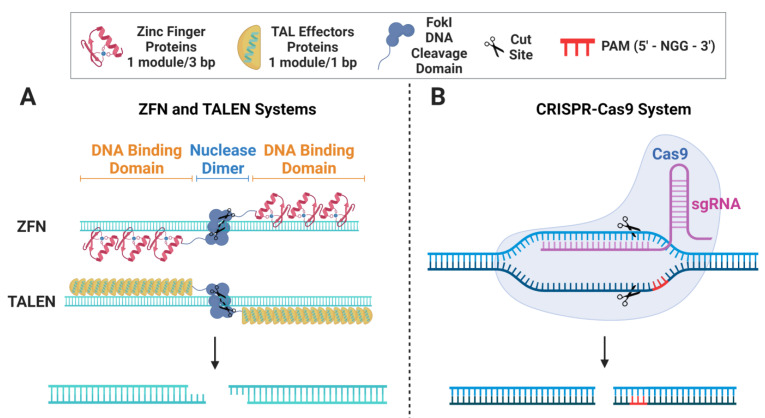
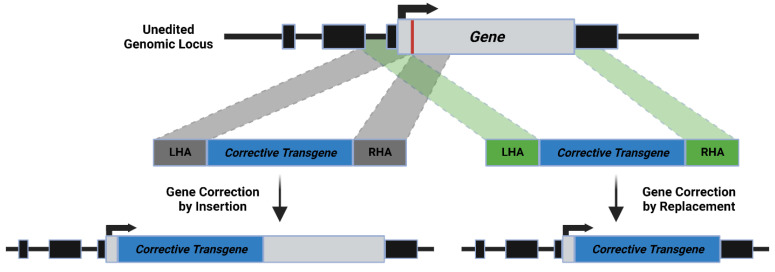
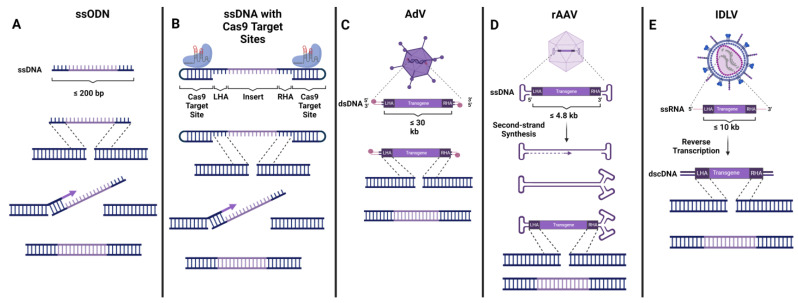
Genome engineering via targeted nucleases, specifically CRISPR-Cas9, has revolutionized the field of gene therapy research, providing a potential treatment for diseases of the blood and immune system. While numerous genome editing techniques have been used, CRISPR-Cas9 homology-directed repair (HDR)-mediated editing represents a promising method for the site-specific insertion of large transgenes for gene knock-in or gene correction. Alternative methods, such as lentiviral/gammaretroviral gene addition, gene knock-out via non-homologous end joining (NHEJ)-mediated editing, and base or prime editing, have shown great promise for clinical applications, yet all possess significant drawbacks when applied in the treatment of patients suffering from inborn errors of immunity or blood system disorders. This review aims to highlight the transformational benefits of HDR-mediated gene therapy and possible solutions for the existing problems holding the methodology back. Together, we aim to help bring HDR-based gene therapy in CD34 hematopoietic stem progenitor cells (HSPCs) from the lab bench to the bedside.
通过靶向核酸酶,特别是CRISPR-Cas9进行基因组工程,已经彻底改变了基因治疗研究领域,为血液和免疫系统疾病提供了一种潜在的治疗方法。虽然已经使用了许多基因组编辑技术,但CRISPR-Cas9同源定向修复(HDR)介导的编辑代表了一种有前景的方法,可用于将大型转基因进行位点特异性插入以实现基因敲入或基因校正。其他方法,如慢病毒/γ-逆转录病毒基因添加、通过非同源末端连接(NHEJ)介导的编辑进行基因敲除以及碱基或碱基编辑,在临床应用中已显示出巨大的前景,但在应用于治疗患有先天性免疫缺陷或血液系统疾病的患者时都存在重大缺陷。本综述旨在强调HDR介导的基因治疗的变革性益处以及阻碍该方法发展的现有问题的可能解决方案。我们共同致力于帮助将基于HDR的基因治疗从实验室带到患有先天性免疫缺陷或血液系统疾病的患者床边,应用于CD34造血干祖细胞(HSPCs)。