Aquatic Environmental Biotechnology and Nanotechnology (AEBN) Division, ICAR-Central Inland Fisheries Research Institute (CIFRI), Barrackpore, 700120, India.
Fisheries Resource Assessment and Informatics (FRAI) Division, ICAR-Central Inland Fisheries Research Institute (CIFRI), Barrackpore, 700120, India.
Microb Cell Fact. 2023 Jun 2;22(1):106. doi: 10.1186/s12934-023-02107-0.
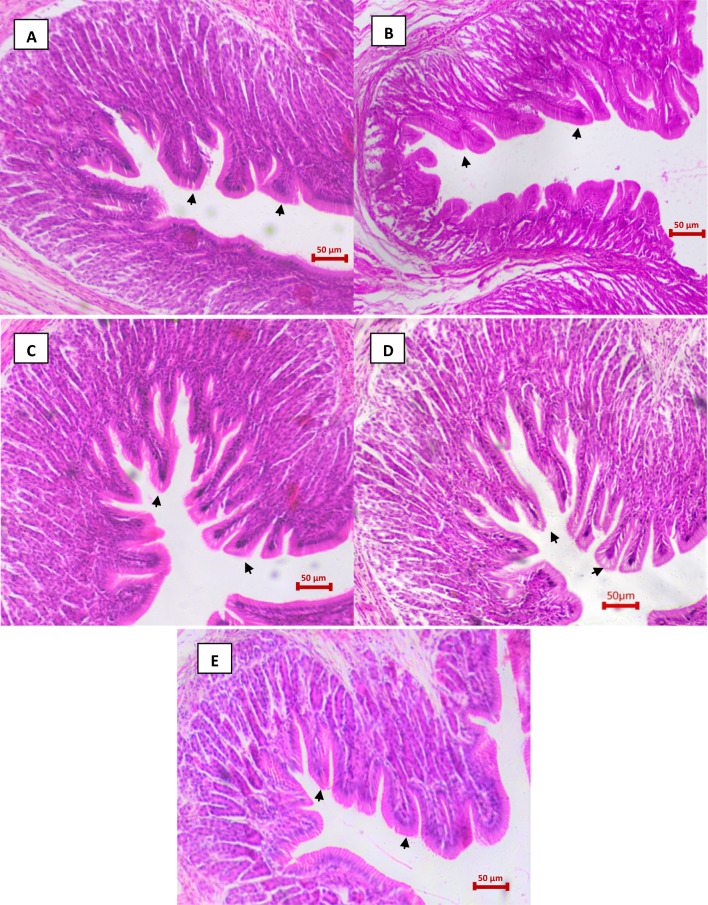
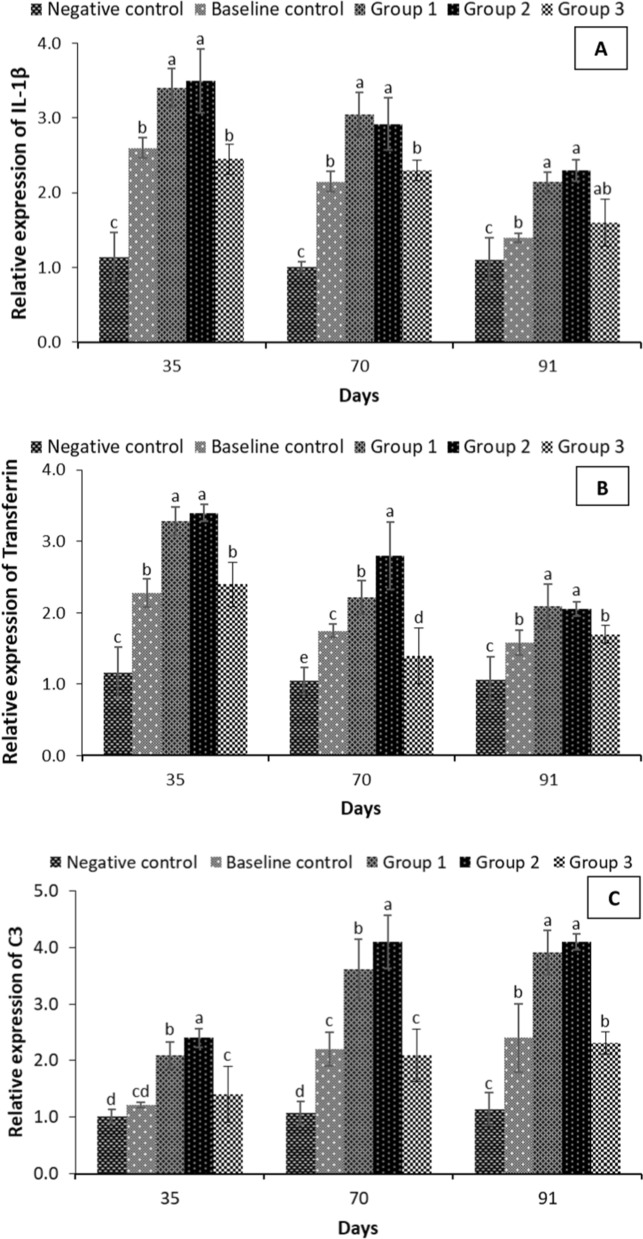
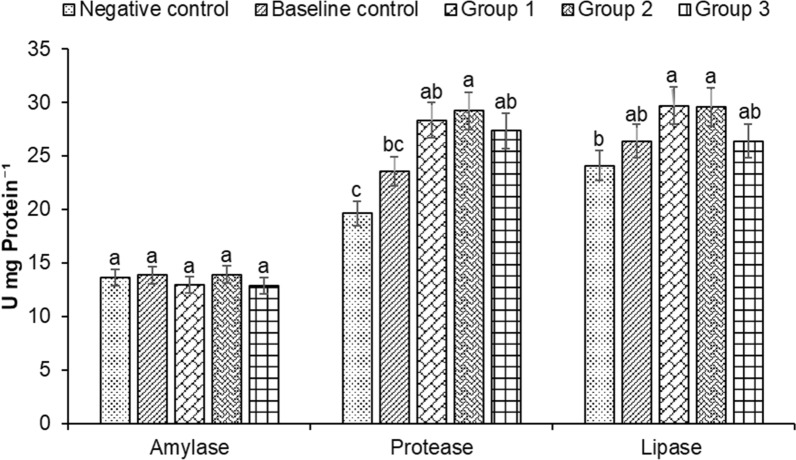
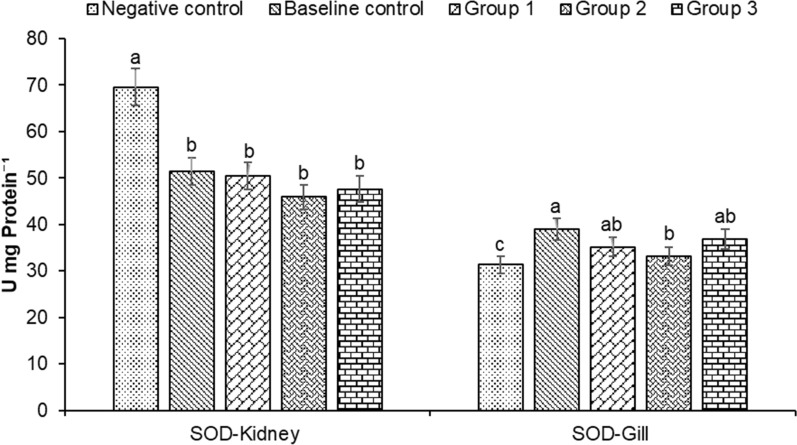
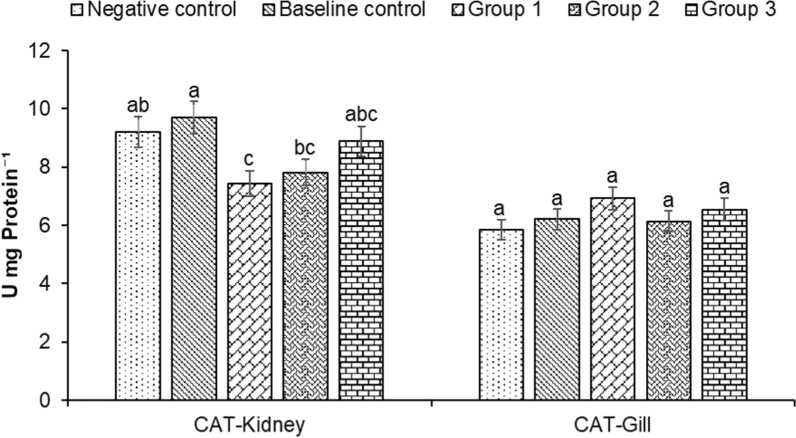
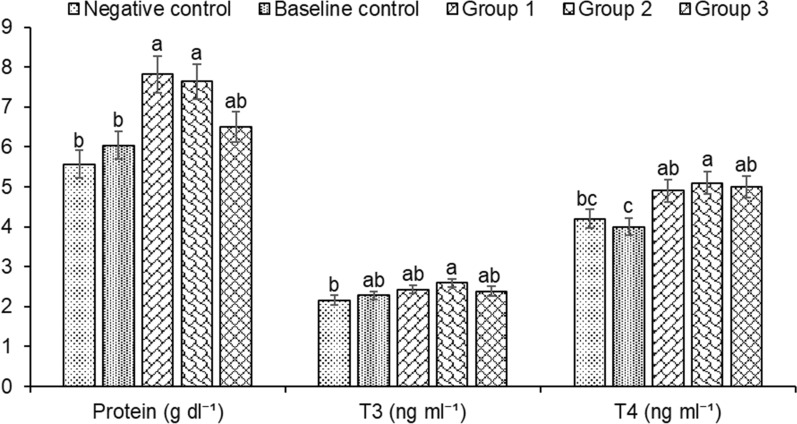
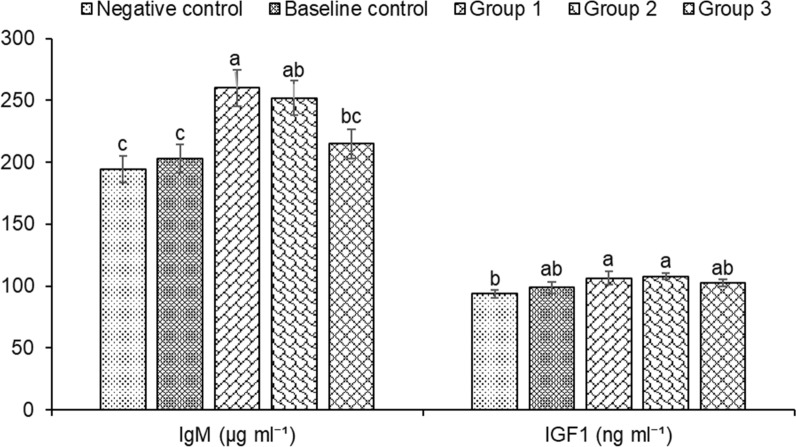
Biofloc technology aims to maximize fish farming productivity by effectively breaking down ammonia and nitrite, promoting healthy flocculation, and enhancing the growth and immunity of cultured animals. However, a major limitation in this field is the suitable starter microbial culture and narrow number of fish species that have been tested with the biofloc system. Here, we investigated various microbial inoculum containing beneficial microbes with probiotics, immunostimulatory and flocs development and bioremediation properties would lead to the development of ideal biofloc development. Three treatment groups with different microbial combinations, viz., group 1 [Bacillus subtilis (AN1) + Pseudomonas putida (PB3) + Saccharomyces cerevisiae (ATCC-2601)], group 2 [B. subtilis (AN2) + P. fluorescens (PC3) + S. cerevisiae (ATCC-2601)] and group 3 [B. subtilis (AN3) + P. aeruginosa (PA2) + S. cerevisiae (ATCC-2601)] were used and compared with the positive control (pond water without microbial inoculums) and negative control (clear water: without microbial inoculums and carbon sources) on biofloc development and its characteristic features to improve the water quality and growth of fish. We demonstrated that microbial inoculums, especially group 2, significantly improve the water quality and microbiota of flocs and gut of the test animal, Heteropneustes fossilis. The study further demonstrates that biofloc system supplemented with microbial inoculums positively regulates gut histomorphology and growth performance, as evidenced by improved villous morphology, amylase, protease and lipase activity, weight gain, FCR, T3, T4 and IGF1 levels. The inoculums induced an antioxidative response marked by significantly higher values of catalase (CAT) and superoxide dismutase (SOD) activity. Furthermore, the supplementation of microbial inoculums enhances both specific and non-specific immune responses and significantly elevated levels of immune genes (transferrin, interleukin-1β and C3), and IgM was recorded. This study provides a proof-of-concept approach for assessing microbial inoculums on fish species that can be further utilized to develop biofloc technology for use in sustainable aquaculture.
生物絮凝技术旨在通过有效分解氨和亚硝酸盐、促进健康的絮凝、以及增强养殖动物的生长和免疫力,最大限度地提高水产养殖的生产力。然而,该领域的一个主要限制因素是合适的起始微生物培养物以及经过生物絮凝系统测试的鱼类种类有限。在这里,我们研究了各种含有益生菌、免疫刺激和絮凝发展以及生物修复特性的有益微生物接种物,这将导致理想的生物絮凝发展。使用了三个具有不同微生物组合的处理组,即第 1 组[枯草芽孢杆菌(AN1)+铜绿假单胞菌(PB3)+酿酒酵母(ATCC-2601)]、第 2 组[枯草芽孢杆菌(AN2)+荧光假单胞菌(PC3)+酿酒酵母(ATCC-2601)]和第 3 组[枯草芽孢杆菌(AN3)+铜绿假单胞菌(PA2)+酿酒酵母(ATCC-2601)],并与阳性对照(无微生物接种物的池塘水)和阴性对照(无微生物接种物和碳源的清水)进行比较,以改善水质量和鱼类的生长。我们证明,微生物接种物,特别是第 2 组,显著改善了絮凝物的水质和微生物群落及其肠道的水质和微生物群落 Heteropneustes fossilis。该研究进一步表明,生物絮凝系统补充微生物接种物可积极调节肠道组织形态和生长性能,表现为绒毛形态改善、淀粉酶、蛋白酶和脂肪酶活性提高、体重增加、FCR、T3、T4 和 IGF1 水平提高。接种物诱导了抗氧化反应,表现为过氧化氢酶 (CAT) 和超氧化物歧化酶 (SOD) 活性显著升高。此外,微生物接种物的补充增强了特异性和非特异性免疫反应,并显著提高了免疫基因(转铁蛋白、白细胞介素-1β 和 C3)的水平,并且记录到 IgM。这项研究提供了一种评估对鱼类物种有益的微生物接种物的概念验证方法,可进一步用于开发用于可持续水产养殖的生物絮凝技术。