Ahmadi Seyed Esmaeil, Shabannezhad Ashkan, Kahrizi Amir, Akbar Armin, Safdari Seyed Mehrab, Hoseinnezhad Taraneh, Zahedi Mohammad, Sadeghi Soroush, Mojarrad Mahsa Golizadeh, Safa Majid
Departments of Hematology and Blood Banking, Faculty of Allied Medicine, Iran University of Medical Sciences, Tehran, Iran.
Department of Immunology, School of Medicine, Mazandaran University of Medical Sciences, Sari, Iran.
Biomark Res. 2023 Jun 6;11(1):60. doi: 10.1186/s40364-023-00504-6.
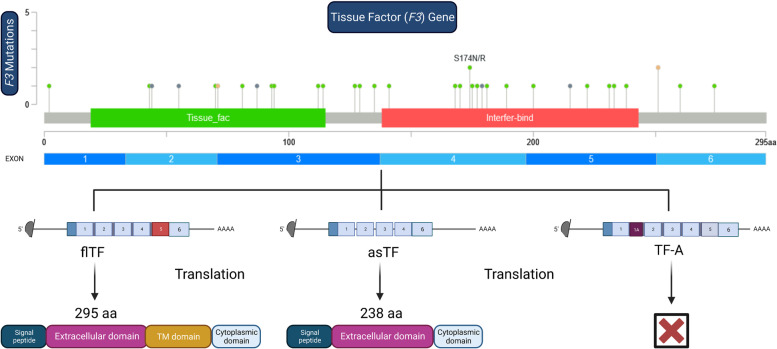
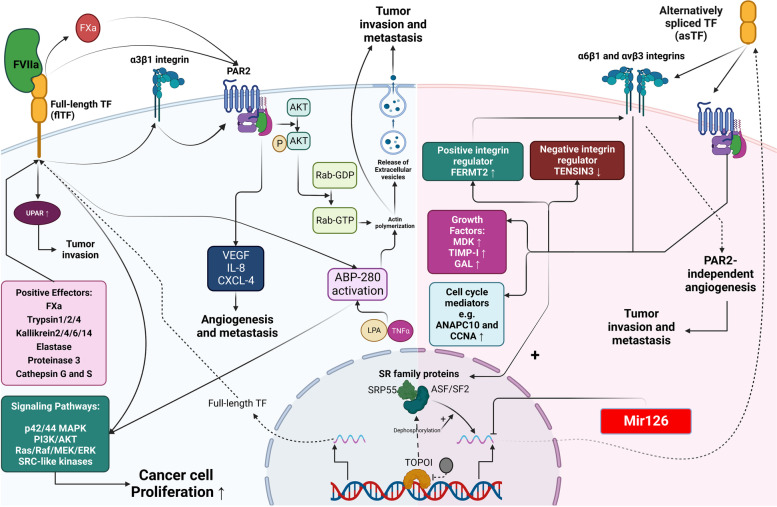
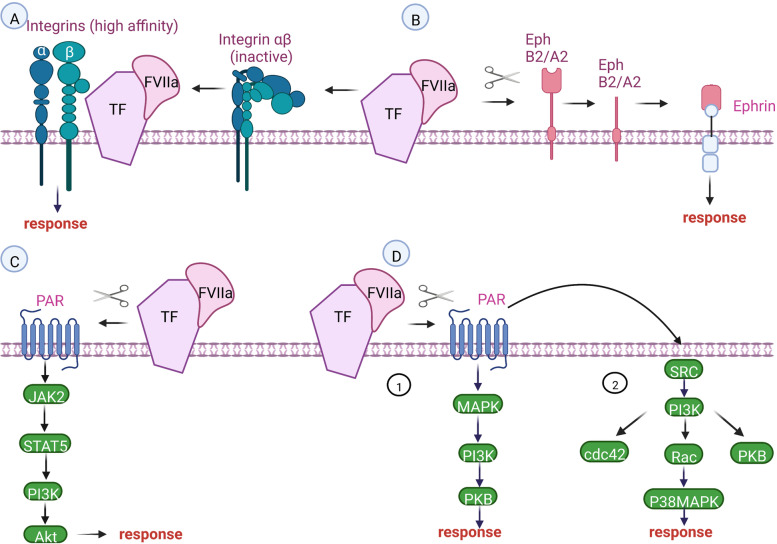
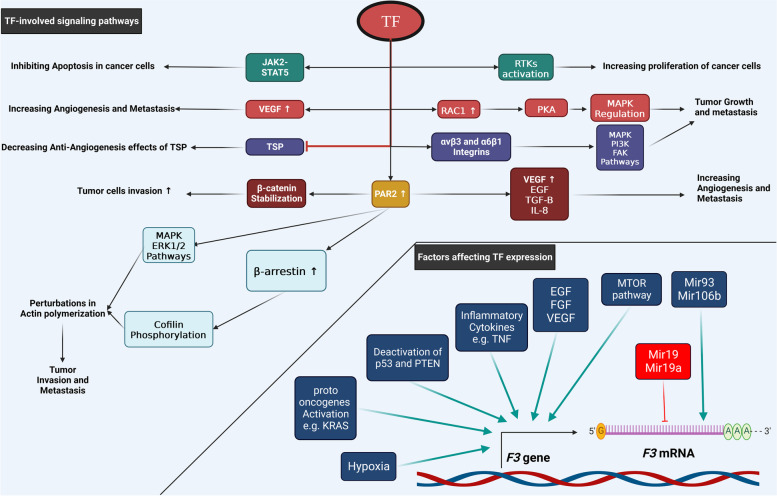
Tissue factor (TF) is a protein that plays a critical role in blood clotting, but recent research has also shown its involvement in cancer development and progression. Herein, we provide an overview of the structure of TF and its involvement in signaling pathways that promote cancer cell proliferation and survival, such as the PI3K/AKT and MAPK pathways. TF overexpression is associated with increased tumor aggressiveness and poor prognosis in various cancers. The review also explores TF's role in promoting cancer cell metastasis, angiogenesis, and venous thromboembolism (VTE). Of note, various TF-targeted therapies, including monoclonal antibodies, small molecule inhibitors, and immunotherapies have been developed, and preclinical and clinical studies demonstrating the efficacy of these therapies in various cancer types are now being evaluated. The potential for re-targeting TF toward cancer cells using TF-conjugated nanoparticles, which have shown promising results in preclinical studies is another intriguing approach in the path of cancer treatment. Although there are still many challenges, TF could possibly be a potential molecule to be used for further cancer therapy as some TF-targeted therapies like Seagen and Genmab's tisotumab vedotin have gained FDA approval for treatment of cervical cancer. Overall, based on the overviewed studies, this review article provides an in-depth overview of the crucial role that TF plays in cancer development and progression, and emphasizes the potential of TF-targeted and re-targeted therapies as potential approaches for the treatment of cancer.
组织因子(TF)是一种在血液凝固中起关键作用的蛋白质,但最近的研究也表明它参与了癌症的发生和发展。在此,我们概述了TF的结构及其在促进癌细胞增殖和存活的信号通路中的作用,如PI3K/AKT和MAPK通路。TF的过表达与各种癌症中肿瘤侵袭性增加和预后不良相关。本综述还探讨了TF在促进癌细胞转移、血管生成和静脉血栓栓塞(VTE)中的作用。值得注意的是,已经开发了各种针对TF的疗法,包括单克隆抗体、小分子抑制剂和免疫疗法,目前正在评估临床前和临床研究以证明这些疗法在各种癌症类型中的疗效。使用TF偶联纳米颗粒将TF重新靶向癌细胞的潜力在临床前研究中已显示出有希望的结果,这是癌症治疗道路上另一种引人入胜的方法。尽管仍然存在许多挑战,但TF可能是一种潜在的分子,可用于进一步的癌症治疗,因为一些针对TF的疗法,如Seagen和Genmab的替索单抗维托辛已获得FDA批准用于治疗宫颈癌。总体而言,基于所综述的研究,本文深入概述了TF在癌症发生和发展中所起的关键作用,并强调了靶向TF和重新靶向TF疗法作为癌症治疗潜在方法的潜力。