Department of Psychiatry and Biobehavioral Sciences, University of California, Los Angeles, CA, USA.
Department of Psychiatry and Biobehavioral Sciences, University of California, Los Angeles, CA, USA.
Brain Behav Immun. 2023 Aug;112:118-124. doi: 10.1016/j.bbi.2023.06.002. Epub 2023 Jun 5.
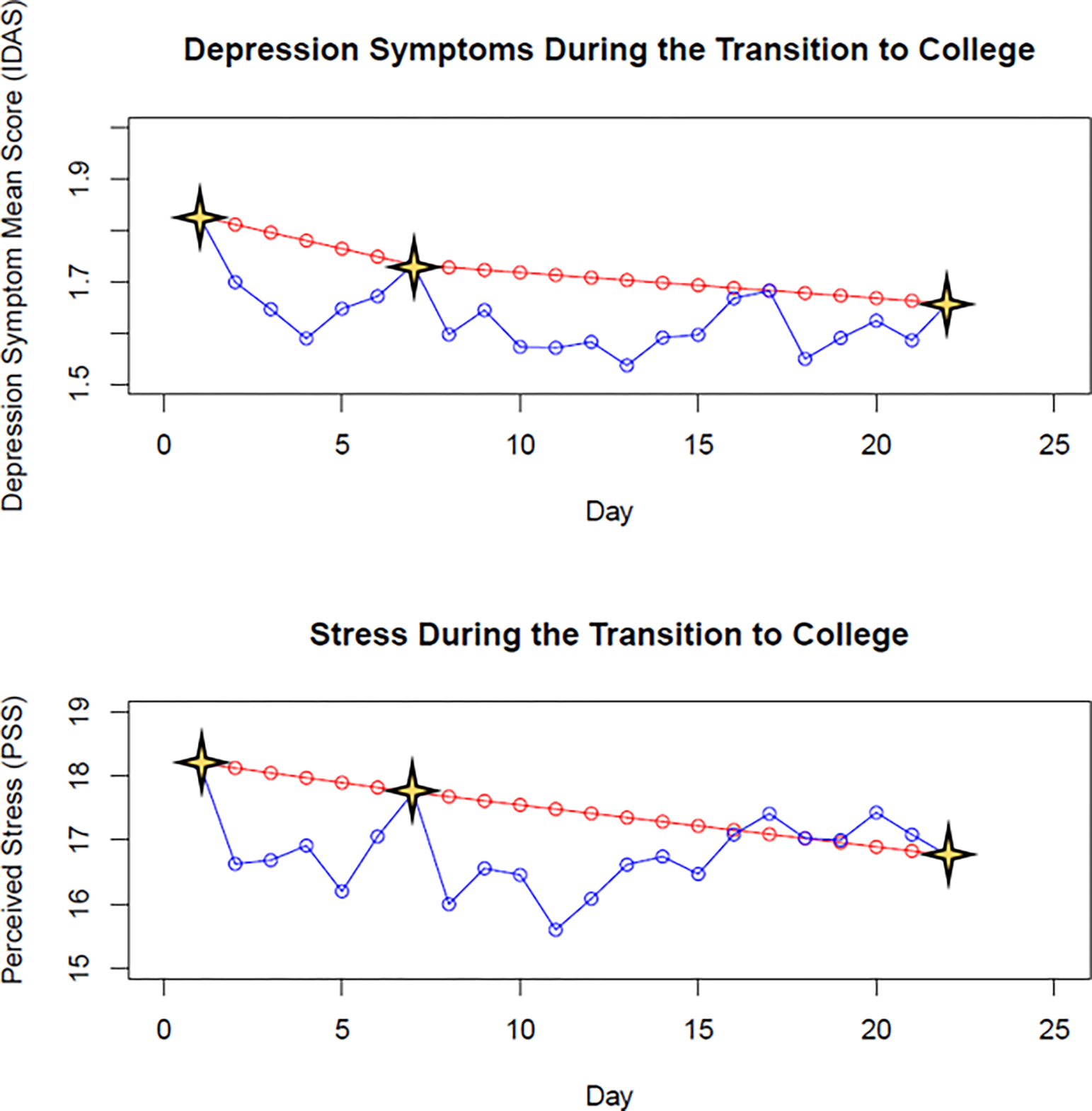
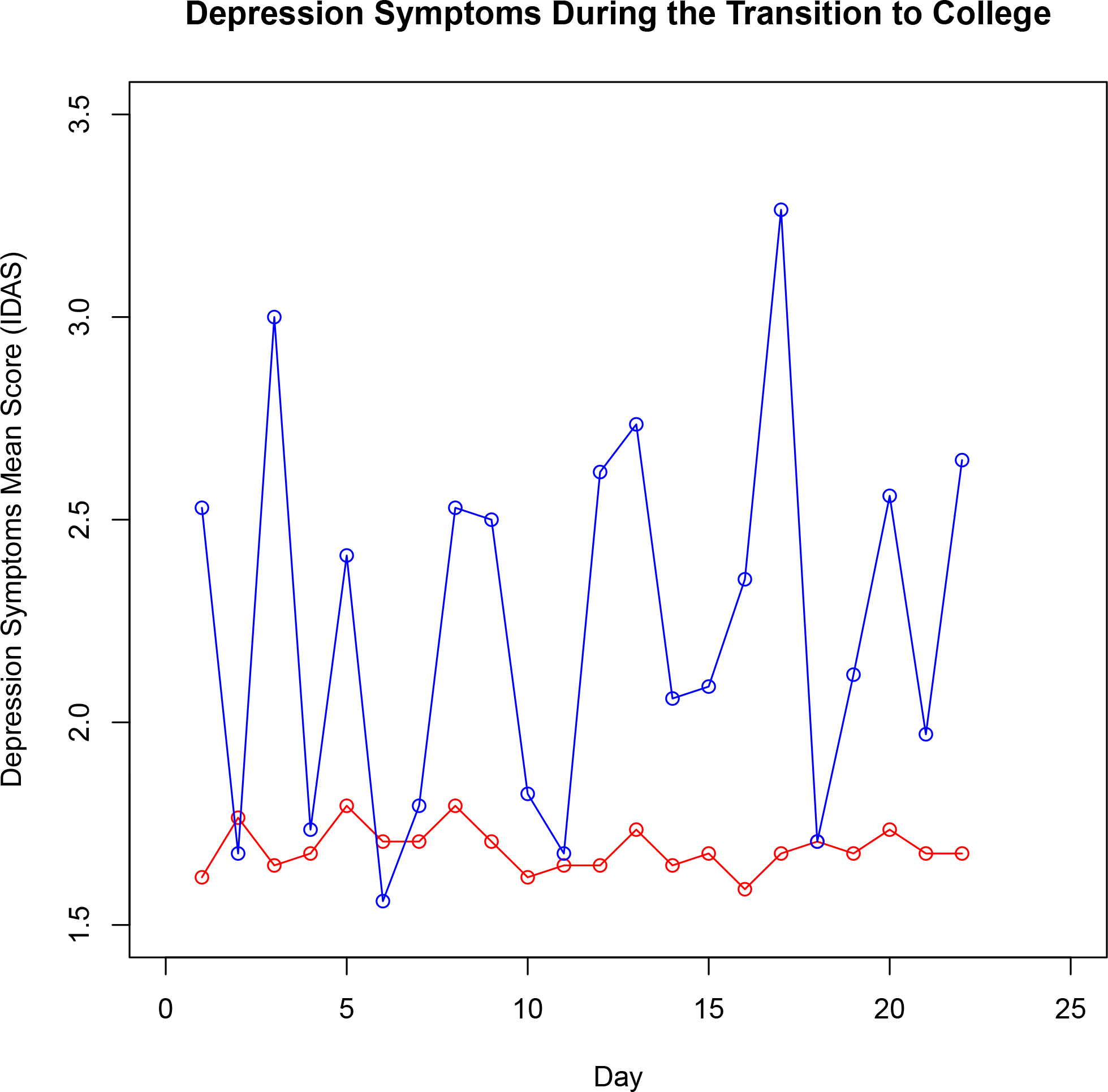
The long-term value of immunopsychiatry will be based on its ability to translate basic science into effective clinical interventions. In this article, we discuss a key obstacle to achieving this important translational goal-namely, the preponderance of studies that are cross-sectional, or that have months-to-years long follow-up periods. Immunopsychiatric processes such as stress, inflammation, and depression symptoms are inherently dynamic and fluctuate over hours, days, and weeks. This fact suggests that higher-density data collection with only days between measurements is necessary to capture-with adequate resolution-the actual dynamics of these systems, determine optimal time lags with which to observe associations between variables of interest, and maximize the translational potential of these data. To illustrate these points, we use pilot data from our own intensive longitudinal immunopsychiatric study. We then conclude by making several recommendations for future research. By learning how to better use existing data for dynamically informative studies as well as collecting intensive longitudinal data, we believe immunopsychiatry will be much better positioned to advance our causal understanding of the interplay between the immune system and health.
免疫精神病学的长期价值将基于其将基础科学转化为有效临床干预的能力。在本文中,我们讨论了实现这一重要转化目标的一个关键障碍,即横断面研究或随访时间为数月至数年的研究居多。应激、炎症和抑郁症状等免疫精神病学过程本质上是动态的,会在数小时、数天和数周内波动。这一事实表明,需要在几天的时间内进行更密集的数据采集,以足够的分辨率来捕捉这些系统的实际动态,确定观察感兴趣变量之间关联的最佳时间滞后,并最大限度地发挥这些数据的转化潜力。为了说明这些观点,我们使用了我们自己的密集纵向免疫精神病学研究的初步数据。然后,我们对未来的研究提出了一些建议。通过学习如何更好地利用现有数据进行动态信息研究以及收集密集的纵向数据,我们相信免疫精神病学将更好地推进我们对免疫系统与健康之间相互作用的因果理解。