China National Center for Food Safety and Risk Assessment, Beijing 100021, China.
Laboratory of Nutrition and Development, Key Laboratory of Major Diseases in Children, Ministry of Education, Beijing Pediatric Research Institute, Beijing Children's Hospital, Capital Medical University, National Center for Children's Health, Beijing 100045, China.
Nutrients. 2023 May 24;15(11):2444. doi: 10.3390/nu15112444.
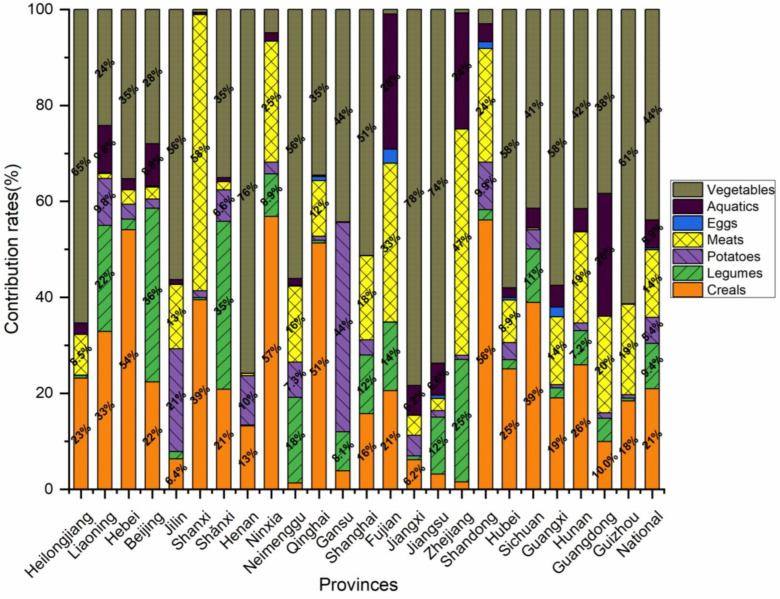
The sixth Total Diet Study (TDS) of China included a countrywide study to assess the health effects of MSG (monosodium glutamate). MSG detection, consumption analysis, and risk assessment were conducted on 168 samples from seven food categories of the most typical Chinese daily diet. The highest value of MSG in the daily diet of the Chinese population was 8.63 g/kg. An MSG intake of 17.63 mg/kg bw/d for the general population of China was obtained from content measurements combined with food consumption, while the data from the apparent consumption survey alone gave 40.20 mg/kg bw/d. The apparent consumption did not consider the loss of MSG during food cooking, resulting in an overestimate. To offer a global perspective, MSG content, food category contributions, and ingestion levels across nations were summarized and thoroughly investigated. A realistic, logical, and precise risk assessment protocol for MSG daily intake was developed in this article.
中国第六次总膳食研究(TDS)包括一项全国性研究,旨在评估味精(谷氨酸单钠)对健康的影响。对来自中国人日常饮食中最具代表性的七种食物类别的 168 个样本进行了味精检测、消费分析和风险评估。中国人日常饮食中味精的最高值为 8.63g/kg。根据含量测量与食物消费相结合的数据,中国普通人群的味精摄入量为 17.63mg/kg bw/d,而仅根据表观消费调查的数据则为 40.20mg/kg bw/d。表观消费没有考虑到食物烹饪过程中味精的损失,因此存在高估。为了提供全球视角,本文对各国的味精含量、食物类别贡献和摄入量进行了总结和深入研究。本文还制定了一个现实、合理和精确的味精日摄入量风险评估方案。