• 文献检索
  • 文档翻译
  • 深度研究
  • 学术资讯
  • Suppr Zotero 插件Zotero 插件
  • 邀请有礼
  • 套餐&价格
  • 历史记录
应用&插件
Suppr Zotero 插件Zotero 插件浏览器插件Mac 客户端Windows 客户端微信小程序
定价
高级版会员购买积分包购买API积分包
服务
文献检索文档翻译深度研究API 文档MCP 服务
关于我们
关于 Suppr公司介绍联系我们用户协议隐私条款
关注我们

Suppr 超能文献

核心技术专利:CN118964589B侵权必究
粤ICP备2023148730 号-1Suppr @ 2026

文献检索

告别复杂PubMed语法,用中文像聊天一样搜索,搜遍4000万医学文献。AI智能推荐,让科研检索更轻松。

立即免费搜索

文件翻译

保留排版,准确专业,支持PDF/Word/PPT等文件格式,支持 12+语言互译。

免费翻译文档

深度研究

AI帮你快速写综述,25分钟生成高质量综述,智能提取关键信息,辅助科研写作。

立即免费体验

使用数据感知读写辅助(DARWA)技术的高能效和抗变异性 11T SRAM 设计,适用于低功耗应用。

Energy-Efficient and Variability-Resilient 11T SRAM Design Using Data-Aware Read-Write Assist (DARWA) Technique for Low-Power Applications.

机构信息

School of Engineering and Computing, Manipal International University, Nilai 71800, Malaysia.

Faculty of Engineering and Technology, Multimedia University, Melaka 75450, Malaysia.

出版信息

Sensors (Basel). 2023 May 26;23(11):5095. doi: 10.3390/s23115095.

DOI:10.3390/s23115095
PMID:37299822
原文链接:https://pmc.ncbi.nlm.nih.gov/articles/PMC10255441/
Abstract

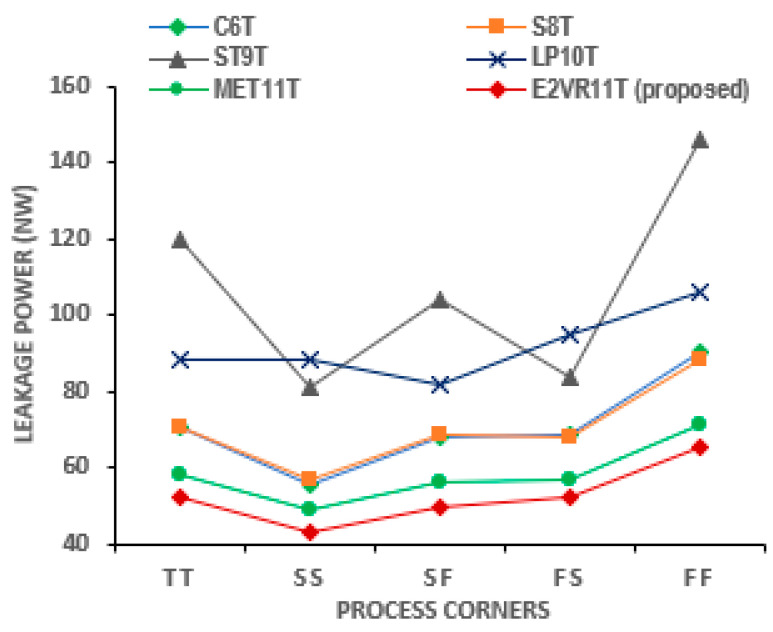
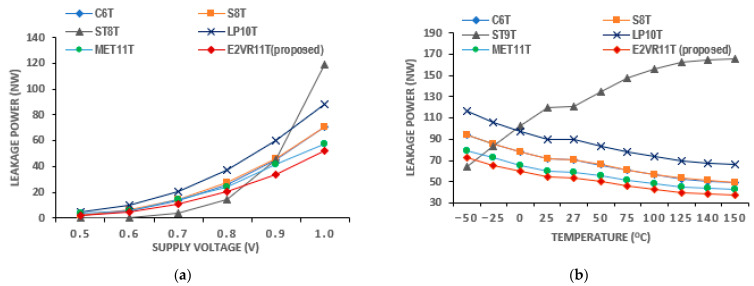
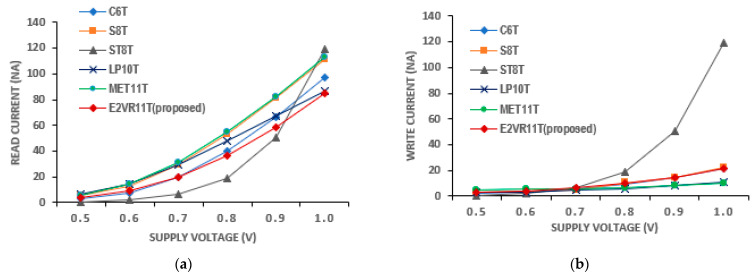
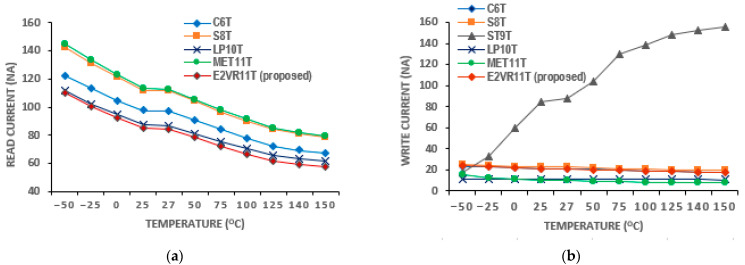
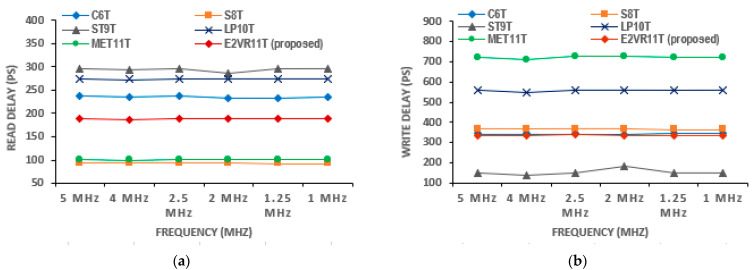
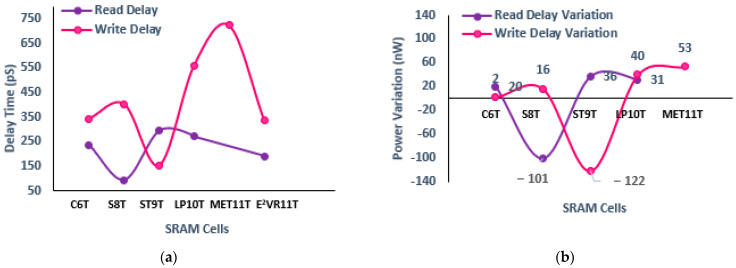
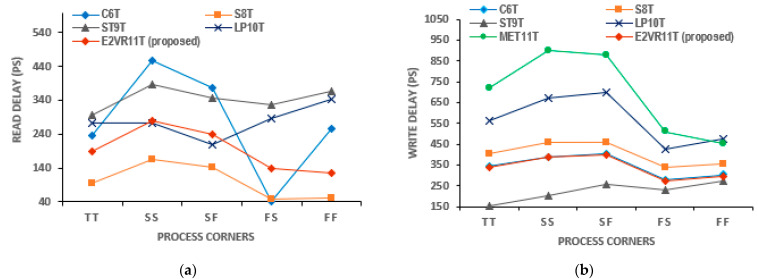
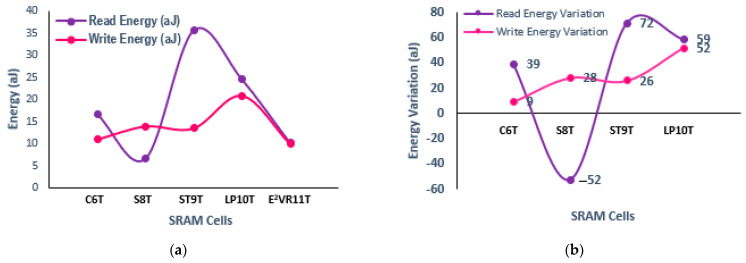
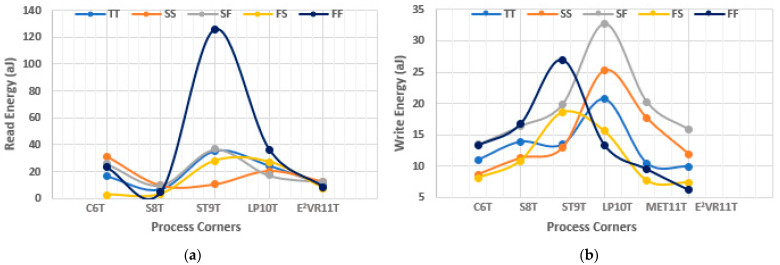
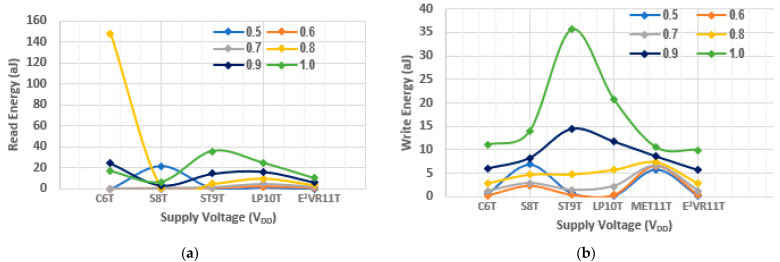
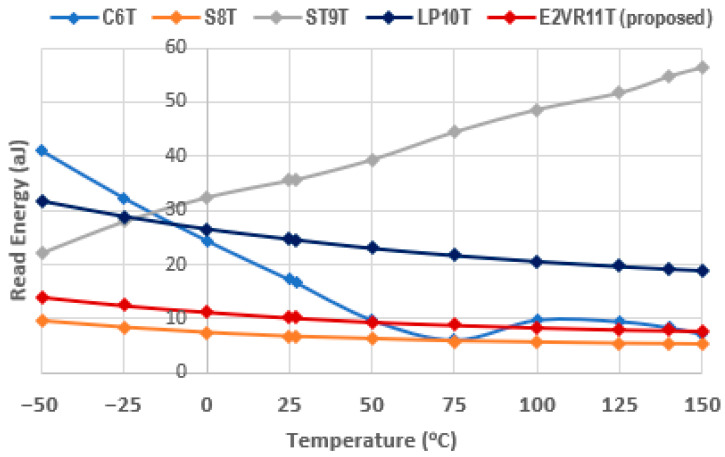
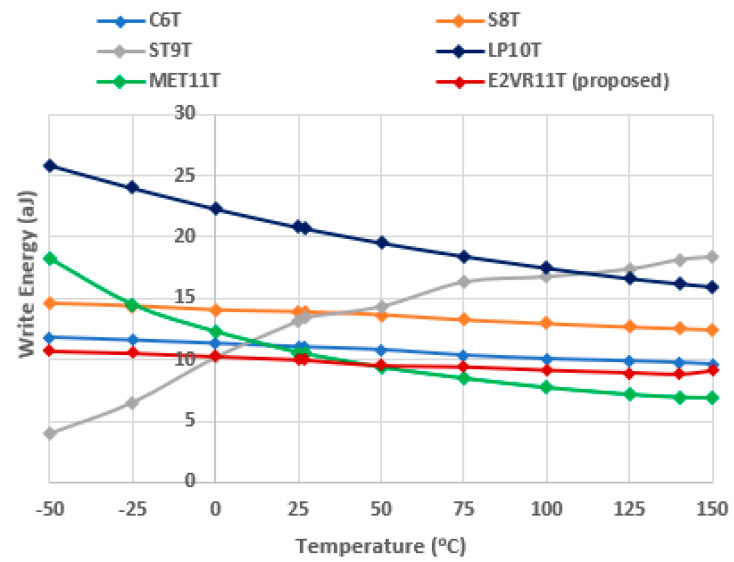
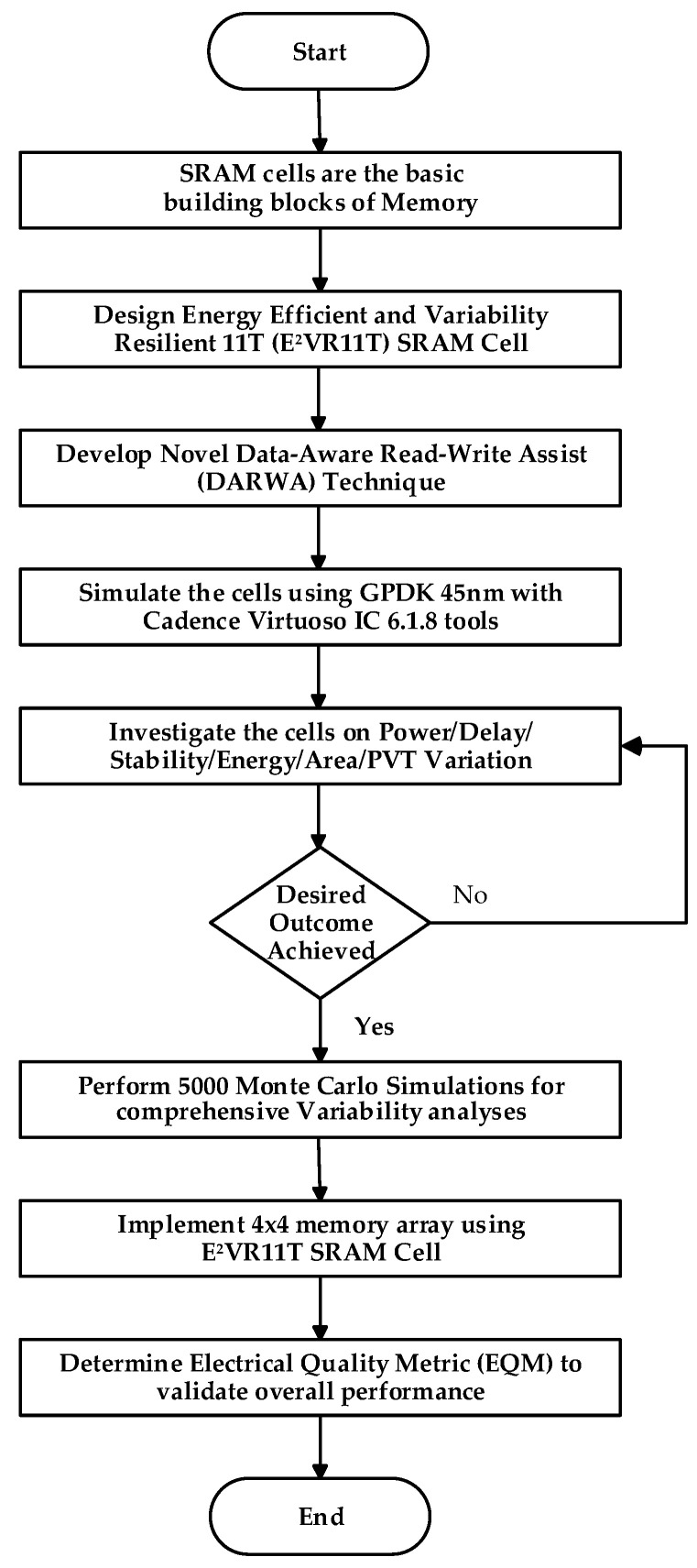
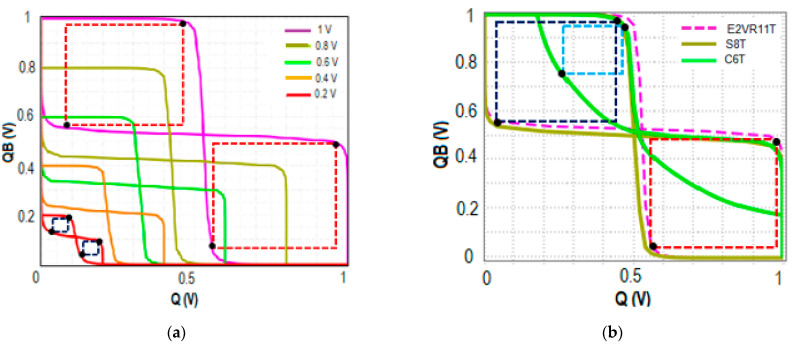
The need for power-efficient devices, such as smart sensor nodes, mobile devices, and portable digital gadgets, is markedly increasing and these devices are becoming commonly used in daily life. These devices continue to demand an energy-efficient cache memory designed on Static Random-Access Memory (SRAM) with enhanced speed, performance, and stability to perform on-chip data processing and faster computations. This paper presents an energy-efficient and variability-resilient 11T (EVR11T) SRAM cell, which is designed with a novel Data-Aware Read-Write Assist (DARWA) technique. The EVR11T cell comprises 11 transistors and operates with single-ended read and dynamic differential write circuits. The simulated results in a 45 nm CMOS technology exhibit 71.63% and 58.77% lower read energy than ST9T and LP10T and lower write energies of 28.25% and 51.79% against S8T and LP10T cells, respectively. The leakage power is reduced by 56.32% and 40.90% compared to ST9T and LP10T cells. The read static noise margin (RSNM) is improved by 1.94× and 0.18×, while the write noise margin (WNM) is improved by 19.57% and 8.70% against C6T and S8T cells. The variability investigation using the Monte Carlo simulation on 5000 samples highly validates the robustness and variability resilience of the proposed cell. The improved overall performance of the proposed EVR11T cell makes it suitable for low-power applications.

摘要

对节能型设备(如智能传感器节点、移动设备和便携式数字小工具)的需求显著增加,这些设备在日常生活中越来越普及。这些设备继续要求设计基于静态随机存取存储器 (SRAM) 的节能型高速缓存,以提高速度、性能和稳定性,从而实现片上数据处理和更快的计算。本文提出了一种节能且具有变异性鲁棒性的 11T(EVR11T)SRAM 单元,它采用了一种新颖的数据感知读写辅助 (DARWA) 技术进行设计。EVR11T 单元由 11 个晶体管组成,采用单端读取和动态差分写入电路进行操作。在 45nm CMOS 技术中的模拟结果显示,与 ST9T 和 LP10T 相比,读取能量降低了 71.63%和 58.77%,与 S8T 和 LP10T 相比,写入能量降低了 28.25%和 51.79%。与 ST9T 和 LP10T 相比,漏电流功率降低了 56.32%和 40.90%。读取静态噪声容限(RSNM)提高了 1.94×和 0.18×,而写入噪声容限(WNM)提高了 19.57%和 8.70%,分别与 C6T 和 S8T 相比。使用 5000 个样本的蒙特卡罗模拟进行的变异性研究高度验证了提出的单元的鲁棒性和变异性鲁棒性。所提出的 EVR11T 单元的整体性能得到改善,使其适用于低功耗应用。
https://cdn.ncbi.nlm.nih.gov/pmc/blobs/1a48/10255441/b51d127ac8ca/sensors-23-05095-g031.jpg
https://cdn.ncbi.nlm.nih.gov/pmc/blobs/1a48/10255441/7f8a54afc293/sensors-23-05095-g001.jpg
https://cdn.ncbi.nlm.nih.gov/pmc/blobs/1a48/10255441/03db0f46eb97/sensors-23-05095-g002.jpg
https://cdn.ncbi.nlm.nih.gov/pmc/blobs/1a48/10255441/3fbfd9e22d55/sensors-23-05095-g003.jpg
https://cdn.ncbi.nlm.nih.gov/pmc/blobs/1a48/10255441/f63a7549a2aa/sensors-23-05095-g004.jpg
https://cdn.ncbi.nlm.nih.gov/pmc/blobs/1a48/10255441/e0e7a36564b7/sensors-23-05095-g005.jpg
https://cdn.ncbi.nlm.nih.gov/pmc/blobs/1a48/10255441/a072b649a19c/sensors-23-05095-g006.jpg
https://cdn.ncbi.nlm.nih.gov/pmc/blobs/1a48/10255441/2463b66abd34/sensors-23-05095-g007.jpg
https://cdn.ncbi.nlm.nih.gov/pmc/blobs/1a48/10255441/404cf5508021/sensors-23-05095-g008.jpg
https://cdn.ncbi.nlm.nih.gov/pmc/blobs/1a48/10255441/238024e62e16/sensors-23-05095-g009.jpg
https://cdn.ncbi.nlm.nih.gov/pmc/blobs/1a48/10255441/c9ed7544af1a/sensors-23-05095-g010.jpg
https://cdn.ncbi.nlm.nih.gov/pmc/blobs/1a48/10255441/016622508a17/sensors-23-05095-g011.jpg
https://cdn.ncbi.nlm.nih.gov/pmc/blobs/1a48/10255441/8cf35597a23f/sensors-23-05095-g012.jpg
https://cdn.ncbi.nlm.nih.gov/pmc/blobs/1a48/10255441/4065635b0c57/sensors-23-05095-g013.jpg
https://cdn.ncbi.nlm.nih.gov/pmc/blobs/1a48/10255441/27e435f64629/sensors-23-05095-g014.jpg
https://cdn.ncbi.nlm.nih.gov/pmc/blobs/1a48/10255441/fbc2e4378388/sensors-23-05095-g015.jpg
https://cdn.ncbi.nlm.nih.gov/pmc/blobs/1a48/10255441/c8793f5ad85b/sensors-23-05095-g016.jpg
https://cdn.ncbi.nlm.nih.gov/pmc/blobs/1a48/10255441/7cae0cfd9545/sensors-23-05095-g017.jpg
https://cdn.ncbi.nlm.nih.gov/pmc/blobs/1a48/10255441/0cad95fdf5d4/sensors-23-05095-g018.jpg
https://cdn.ncbi.nlm.nih.gov/pmc/blobs/1a48/10255441/01cd973ad333/sensors-23-05095-g019.jpg
https://cdn.ncbi.nlm.nih.gov/pmc/blobs/1a48/10255441/cea74fb367d8/sensors-23-05095-g020.jpg
https://cdn.ncbi.nlm.nih.gov/pmc/blobs/1a48/10255441/e5e7dd6cac16/sensors-23-05095-g021.jpg
https://cdn.ncbi.nlm.nih.gov/pmc/blobs/1a48/10255441/f4e0a7d8c554/sensors-23-05095-g022.jpg
https://cdn.ncbi.nlm.nih.gov/pmc/blobs/1a48/10255441/3bd20f910986/sensors-23-05095-g023.jpg
https://cdn.ncbi.nlm.nih.gov/pmc/blobs/1a48/10255441/a36c31c2909c/sensors-23-05095-g024.jpg
https://cdn.ncbi.nlm.nih.gov/pmc/blobs/1a48/10255441/73462a8bde02/sensors-23-05095-g025.jpg
https://cdn.ncbi.nlm.nih.gov/pmc/blobs/1a48/10255441/f7fc8a53c5e2/sensors-23-05095-g026.jpg
https://cdn.ncbi.nlm.nih.gov/pmc/blobs/1a48/10255441/715121f1ff70/sensors-23-05095-g027.jpg
https://cdn.ncbi.nlm.nih.gov/pmc/blobs/1a48/10255441/9c2466a041eb/sensors-23-05095-g028.jpg
https://cdn.ncbi.nlm.nih.gov/pmc/blobs/1a48/10255441/b1312476f151/sensors-23-05095-g029.jpg
https://cdn.ncbi.nlm.nih.gov/pmc/blobs/1a48/10255441/b51d127ac8ca/sensors-23-05095-g031.jpg
https://cdn.ncbi.nlm.nih.gov/pmc/blobs/1a48/10255441/7f8a54afc293/sensors-23-05095-g001.jpg
https://cdn.ncbi.nlm.nih.gov/pmc/blobs/1a48/10255441/03db0f46eb97/sensors-23-05095-g002.jpg
https://cdn.ncbi.nlm.nih.gov/pmc/blobs/1a48/10255441/3fbfd9e22d55/sensors-23-05095-g003.jpg
https://cdn.ncbi.nlm.nih.gov/pmc/blobs/1a48/10255441/f63a7549a2aa/sensors-23-05095-g004.jpg
https://cdn.ncbi.nlm.nih.gov/pmc/blobs/1a48/10255441/e0e7a36564b7/sensors-23-05095-g005.jpg
https://cdn.ncbi.nlm.nih.gov/pmc/blobs/1a48/10255441/a072b649a19c/sensors-23-05095-g006.jpg
https://cdn.ncbi.nlm.nih.gov/pmc/blobs/1a48/10255441/2463b66abd34/sensors-23-05095-g007.jpg
https://cdn.ncbi.nlm.nih.gov/pmc/blobs/1a48/10255441/404cf5508021/sensors-23-05095-g008.jpg
https://cdn.ncbi.nlm.nih.gov/pmc/blobs/1a48/10255441/238024e62e16/sensors-23-05095-g009.jpg
https://cdn.ncbi.nlm.nih.gov/pmc/blobs/1a48/10255441/c9ed7544af1a/sensors-23-05095-g010.jpg
https://cdn.ncbi.nlm.nih.gov/pmc/blobs/1a48/10255441/016622508a17/sensors-23-05095-g011.jpg
https://cdn.ncbi.nlm.nih.gov/pmc/blobs/1a48/10255441/8cf35597a23f/sensors-23-05095-g012.jpg
https://cdn.ncbi.nlm.nih.gov/pmc/blobs/1a48/10255441/4065635b0c57/sensors-23-05095-g013.jpg
https://cdn.ncbi.nlm.nih.gov/pmc/blobs/1a48/10255441/27e435f64629/sensors-23-05095-g014.jpg
https://cdn.ncbi.nlm.nih.gov/pmc/blobs/1a48/10255441/fbc2e4378388/sensors-23-05095-g015.jpg
https://cdn.ncbi.nlm.nih.gov/pmc/blobs/1a48/10255441/c8793f5ad85b/sensors-23-05095-g016.jpg
https://cdn.ncbi.nlm.nih.gov/pmc/blobs/1a48/10255441/7cae0cfd9545/sensors-23-05095-g017.jpg
https://cdn.ncbi.nlm.nih.gov/pmc/blobs/1a48/10255441/0cad95fdf5d4/sensors-23-05095-g018.jpg
https://cdn.ncbi.nlm.nih.gov/pmc/blobs/1a48/10255441/01cd973ad333/sensors-23-05095-g019.jpg
https://cdn.ncbi.nlm.nih.gov/pmc/blobs/1a48/10255441/cea74fb367d8/sensors-23-05095-g020.jpg
https://cdn.ncbi.nlm.nih.gov/pmc/blobs/1a48/10255441/e5e7dd6cac16/sensors-23-05095-g021.jpg
https://cdn.ncbi.nlm.nih.gov/pmc/blobs/1a48/10255441/f4e0a7d8c554/sensors-23-05095-g022.jpg
https://cdn.ncbi.nlm.nih.gov/pmc/blobs/1a48/10255441/3bd20f910986/sensors-23-05095-g023.jpg
https://cdn.ncbi.nlm.nih.gov/pmc/blobs/1a48/10255441/a36c31c2909c/sensors-23-05095-g024.jpg
https://cdn.ncbi.nlm.nih.gov/pmc/blobs/1a48/10255441/73462a8bde02/sensors-23-05095-g025.jpg
https://cdn.ncbi.nlm.nih.gov/pmc/blobs/1a48/10255441/f7fc8a53c5e2/sensors-23-05095-g026.jpg
https://cdn.ncbi.nlm.nih.gov/pmc/blobs/1a48/10255441/715121f1ff70/sensors-23-05095-g027.jpg
https://cdn.ncbi.nlm.nih.gov/pmc/blobs/1a48/10255441/9c2466a041eb/sensors-23-05095-g028.jpg
https://cdn.ncbi.nlm.nih.gov/pmc/blobs/1a48/10255441/b1312476f151/sensors-23-05095-g029.jpg
https://cdn.ncbi.nlm.nih.gov/pmc/blobs/1a48/10255441/b51d127ac8ca/sensors-23-05095-g031.jpg

相似文献

1
Energy-Efficient and Variability-Resilient 11T SRAM Design Using Data-Aware Read-Write Assist (DARWA) Technique for Low-Power Applications.使用数据感知读写辅助(DARWA)技术的高能效和抗变异性 11T SRAM 设计,适用于低功耗应用。
Sensors (Basel). 2023 May 26;23(11):5095. doi: 10.3390/s23115095.
2
A 0.3 V PNN Based 10T SRAM with Pulse Control Based Read-Assist and Write Data-Aware Schemes for Low Power Applications.一种基于0.3V脉冲神经网络的10T静态随机存取存储器,采用基于脉冲控制的读辅助和写数据感知方案,用于低功耗应用。
Sensors (Basel). 2021 Oct 2;21(19):6591. doi: 10.3390/s21196591.
3
Power optimized variation aware dual-threshold SRAM cell design technique.功率优化的变异感知双阈值SRAM单元设计技术。
Nanotechnol Sci Appl. 2011 Feb 10;4:25-33. doi: 10.2147/NSA.S15719. eCollection 2011.
4
2D Materials-Based Static Random-Access Memory.基于二维材料的静态随机存取存储器。
Adv Mater. 2022 Dec;34(48):e2107894. doi: 10.1002/adma.202107894. Epub 2022 Jan 21.
5
A High-Reliability 12T SRAM Radiation-Hardened Cell for Aerospace Applications.一种用于航空航天应用的高可靠性12T SRAM抗辐射单元。
Micromachines (Basel). 2023 Jun 25;14(7):1305. doi: 10.3390/mi14071305.
6
FinFET 6T-SRAM All-Digital Compute-in-Memory for Artificial Intelligence Applications: An Overview and Analysis.用于人工智能应用的FinFET 6T-SRAM全数字内存计算:概述与分析
Micromachines (Basel). 2023 Jul 31;14(8):1535. doi: 10.3390/mi14081535.
7
Projected performance of Si- and 2D-material-based SRAM circuits ranging from 16 nm to 1 nm technology nodes.从16纳米到1纳米技术节点的基于硅和二维材料的静态随机存取存储器(SRAM)电路的预测性能。
Nat Nanotechnol. 2024 Jul;19(7):1066-1072. doi: 10.1038/s41565-024-01693-3. Epub 2024 Jun 21.
8
SRAM Cell Design Challenges in Modern Deep Sub-Micron Technologies: An Overview.现代深亚微米技术中的静态随机存取存储器(SRAM)单元设计挑战:概述
Micromachines (Basel). 2022 Aug 17;13(8):1332. doi: 10.3390/mi13081332.
9
A novel design of high performance and robust ultra-low power SRAM cell based on memcapacitor.一种基于忆阻器的高性能、稳健的超低功耗静态随机存取存储器单元的新颖设计。
Nanotechnology. 2022 Jan 24;33(16). doi: 10.1088/1361-6528/ac46d6.
10
A RRAM Integrated 4T SRAM with Self-Inhibit Resistive Switching Load by Pure CMOS Logic Process.一种采用纯CMOS逻辑工艺的具有自抑制电阻切换负载的RRAM集成4T SRAM。
Nanoscale Res Lett. 2017 Dec;12(1):418. doi: 10.1186/s11671-017-2191-9. Epub 2017 Jun 15.

本文引用的文献

1
SRAM Cell Design Challenges in Modern Deep Sub-Micron Technologies: An Overview.现代深亚微米技术中的静态随机存取存储器(SRAM)单元设计挑战:概述
Micromachines (Basel). 2022 Aug 17;13(8):1332. doi: 10.3390/mi13081332.