Research Center for Child Mental Development, Kanazawa University, Kanazawa, Japan.
Division of Socio-Cognitive-Neuroscience, United Graduate School of Child Development, Osaka University, Kanazawa University, Hamamatsu University School of Medicine, Chiba University and University of Fukui, Kanazawa, Japan.
Front Immunol. 2023 May 29;14:1197265. doi: 10.3389/fimmu.2023.1197265. eCollection 2023.
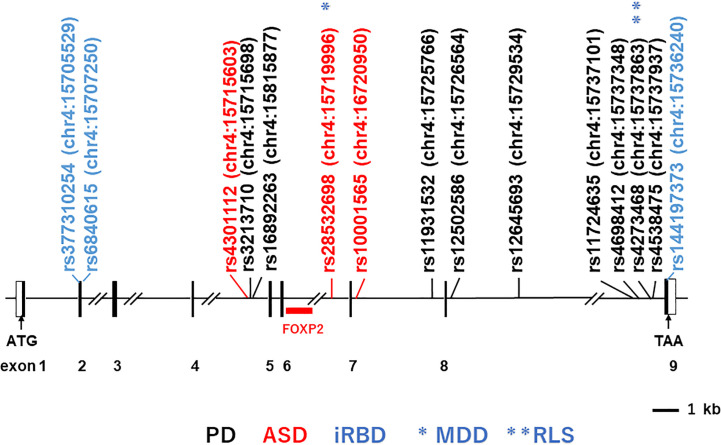
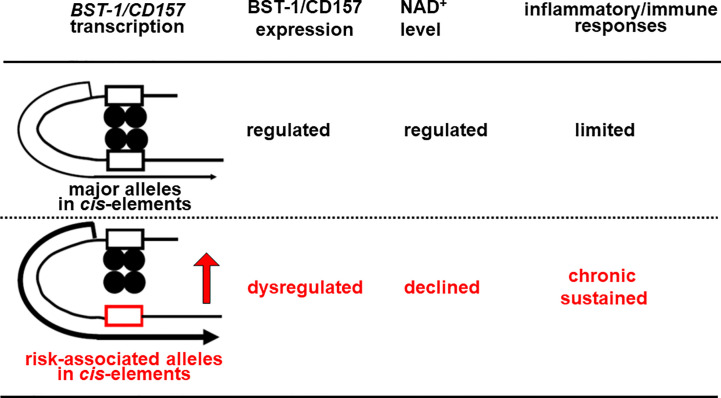
Bone marrow stromal cell antigen-1 (BST-1/CD157) is an immune/inflammatory regulator that functions as both nicotinamide adenine dinucleotide-metabolizing ectoenzyme and cell-surface signaling receptor. BST-1/CD157 is expressed not only in peripheral tissues, but in the central nervous system (CNS). Although its pathophysiological significance in the CNS is still unclear, clinical genetic studies over a decade have begun revealing relationships between BST-1/CD157 and neuropsychiatric diseases including Parkinson's disease, autism spectrum disorders, sleep disorders, depressive disorders and restless leg syndrome. This review summarizes the accumulating evidence for the involvement of BST-1/CD157 in these disorders.
骨髓基质细胞抗原-1(BST-1/CD157)是一种免疫/炎症调节因子,既是烟酰胺腺嘌呤二核苷酸代谢的外切酶,也是细胞表面信号受体。BST-1/CD157 不仅在周围组织中表达,而且在中枢神经系统(CNS)中表达。尽管其在中枢神经系统中的病理生理意义尚不清楚,但十多年的临床遗传学研究已经开始揭示 BST-1/CD157 与神经精神疾病之间的关系,包括帕金森病、自闭症谱系障碍、睡眠障碍、抑郁症和不宁腿综合征。本综述总结了 BST-1/CD157 参与这些疾病的累积证据。