Jais Suriadi, Pratama Kharisma, Pradika Jaka, Haryanto Haryanto
School of Nursing, The Institute of Technology and Health Muhammadiyah KALBAR, Pontianak, Indonesia.
Kitamura Wound Clinic, Pontianak, Indonesia.
SAGE Open Nurs. 2023 Jun 12;9:23779608231179549. doi: 10.1177/23779608231179549. eCollection 2023 Jan-Dec.
It is important to reduce foot problems by preventing the recurrence of ulcers in diabetes mellitus (DM) patients. In Indonesia, interventions for the prevention of ulcer recurrence remain scarce.
The present study aimed to evaluate the validity and efficacy of a proposed intervention model for preventing the recurrence of ulcers in DM patients.
Sixty-four DM patients were selected to participate in this quasi-experimental study and divided into two groups: intervention ( = 32) and control ( = 32). The intervention group received preventive treatment while the control group received standard care. Two trained nurses supported this study.
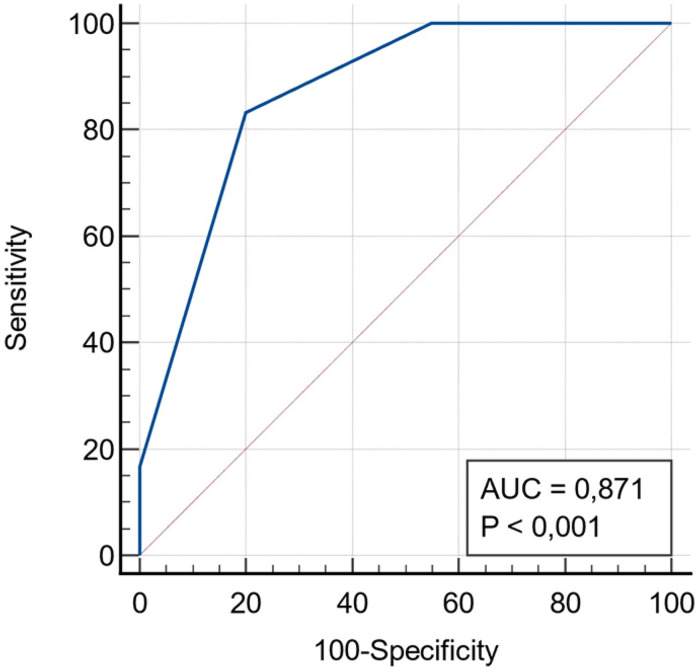
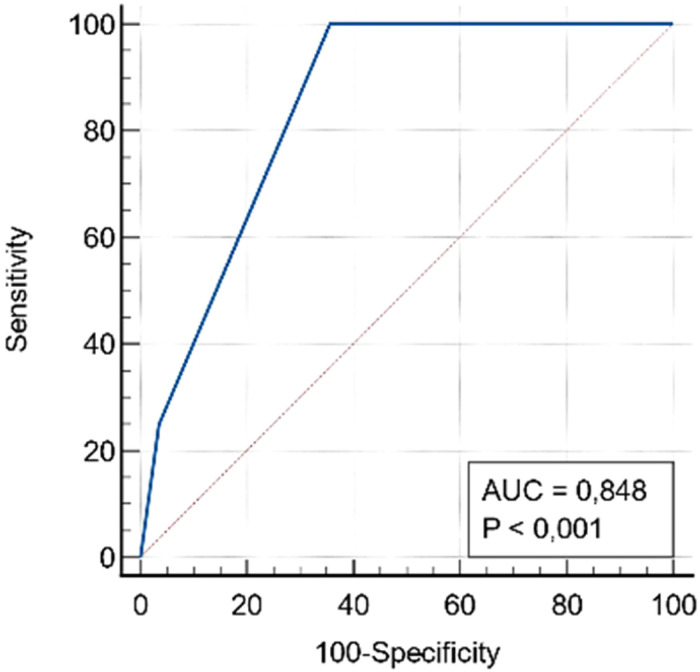
Of the 32 participants in the intervention group, 18 (56.20%) were male, 25 (78.10%) were non-smokers, 23 (71.90%) had neuropathy, 14 (43.80%) had foot deformities, four (12.50%) had recurring ulcers, and 20 (62.50%) had a previous ulcer < 12 months ago. Of the 32 participants in the control group, 17 (53.10%) were male, 26 (81.25%) were non-smokers, 17 (46.90%) had neuropathy, 19 (69.40%) had foot deformities, 12 (37.50%) had recurring ulcers, and 24 (75.00%) had a previous ulcer < 12 months ago. The mean (SD) age [62 (11.28) and 59 (11.11) years], ankle-brachial index [1.19 (0.24) and 1.11 (0.17)], HbA1C [9.18 (2.14%) and 8.91 (2.75%)], and DM duration [10.22 (6.71) and 10.13 (7.54)] of the intervention and control groups did not differ significantly. The content validity of the proposed intervention model was strong (I-CVI > 0.78). When the proposed screening tool for predicting the risk of ulcer recurrence in DM patients (NASFoHSkin) was used in the intervention group, its predictive validity, sensitivity, and specificity were 4, 100%, and 80%, respectively, while in the control group it was 4, 83%, and 80%, respectively.
Inspection/examination, foot care, and blood glucose control can decrease ulcer recurrence in DM patients.
降低糖尿病(DM)患者溃疡复发率以减少足部问题至关重要。在印度尼西亚,预防溃疡复发的干预措施仍然匮乏。
本研究旨在评估一种预防DM患者溃疡复发的干预模型的有效性和效能。
选取64例DM患者参与这项准实验研究,并分为两组:干预组(n = 32)和对照组(n = 32)。干预组接受预防性治疗,而对照组接受标准护理。两名经过培训的护士协助开展本研究。
干预组的32名参与者中,男性18名(56.20%),非吸烟者25名(78.10%),患有神经病变者23名(71.90%),有足部畸形者14名(43.80%),有复发性溃疡者4名(12.50%),在12个月前有过溃疡者20名(62.50%)。对照组的32名参与者中,男性17名(53.10%),非吸烟者26名(81.25%),患有神经病变者17名(46.90%),有足部畸形者19名(69.40%),有复发性溃疡者12名(37.50%),在12个月前有过溃疡者24名(75.00%)。干预组和对照组的平均(标准差)年龄[62(11.28)岁和59(11.11)岁]、踝肱指数[1.19(0.24)和1.11(0.17)]、糖化血红蛋白[9.18(2.14%)和8.91(2.75%)]以及DM病程[10.22(6.71)年和10.13(7.54)年]差异均无统计学意义。所提出的干预模型的内容效度较高(I-CVI>0.78)。当干预组使用所提出的预测DM患者溃疡复发风险的筛查工具(NASFoHSkin)时,其预测效度、敏感度和特异度分别为4、100%和80%,而在对照组中分别为4、83%和80%。
检查/检测、足部护理和血糖控制可降低DM患者溃疡的复发率。