Mars Wrigley, 1132 West Blackhawk Street, Chicago, IL, 60642, USA.
Mentis Sa, Avenue Louise 367, 1050, Brussels, Belgium.
BMC Oral Health. 2023 Jun 20;23(1):406. doi: 10.1186/s12903-023-03084-x.
Xerostomia negatively affects quality of life. Symptoms include oral dryness; thirst; difficulty speaking, chewing, and swallowing food; oral discomfort; mouth soft tissue soreness and infections; and rampant tooth decay. The objective of this systematic review and meta-analysis was to investigate if gum chewing is an intervention that results in objective improvements in salivary flow rates and subjective relief from xerostomia.
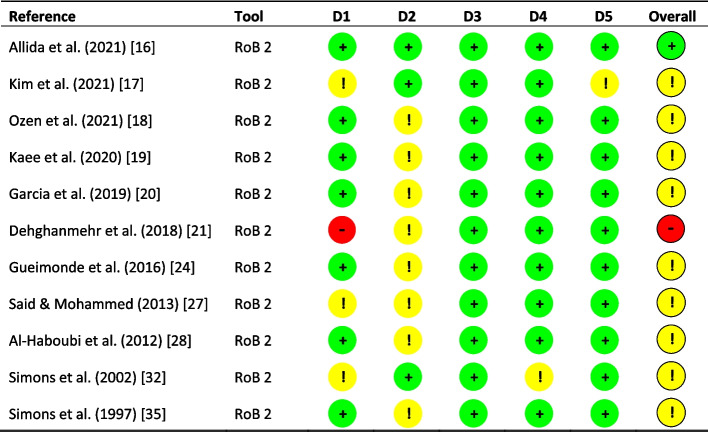
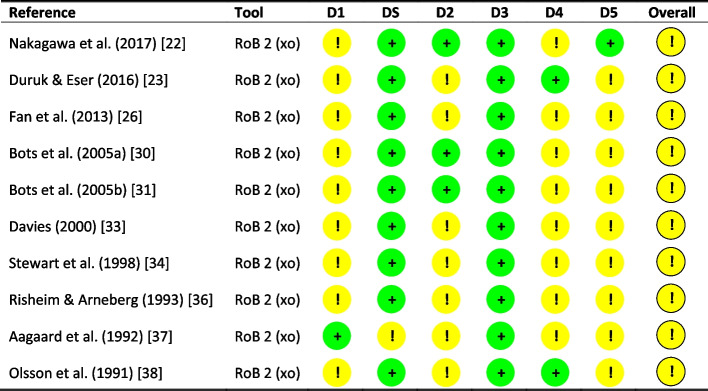
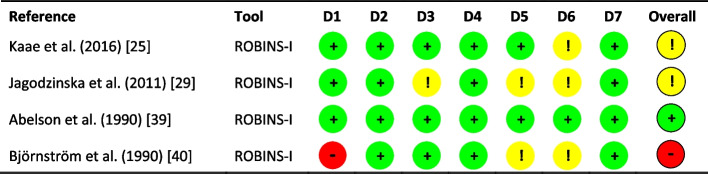
We searched electronic databases including Medline, Scopus, Web of Science, Embase, Cochrane Library (CDSR and Central), Google Scholar and the citations of review papers (last searched 31/03/23). The study populations included: 1) elderly people with xerostomia (> 60 years old, any gender, and severity of xerostomia), and 2) medically compromised people with xerostomia. The intervention of interest was gum chewing. Comparisons included gum chewing vs. no gum chewing. The outcomes included salivary flow rate, self-reported xerostomia, and thirst. All settings and study designs were included. We conducted a meta-analysis on studies where measurements of unstimulated whole salivary flow rate for both a gum chewing, and no gum chewing intervention (daily chewing of gum for two weeks or longer) were reported. We assessed risk of bias using Cochrane's RoB 2 and ROBINS-I tools.
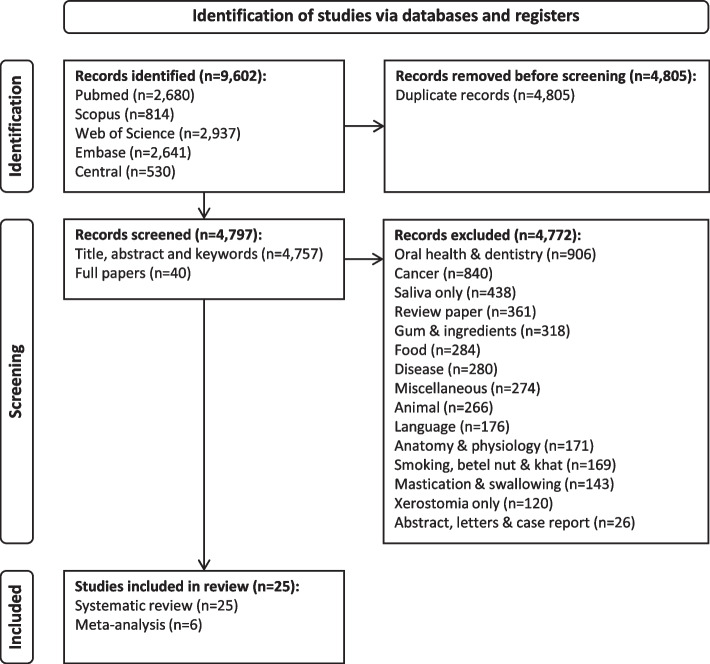
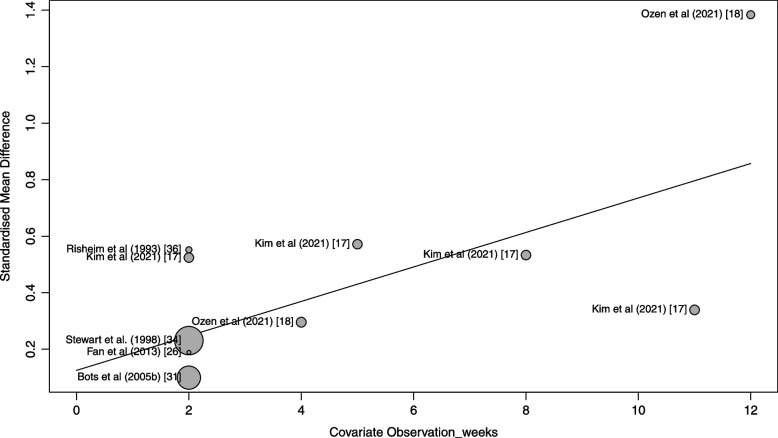
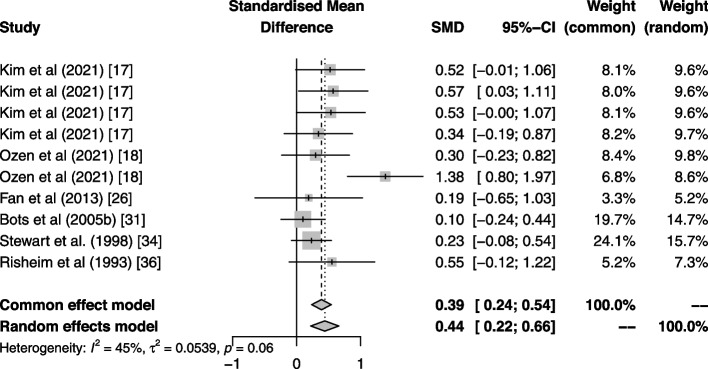
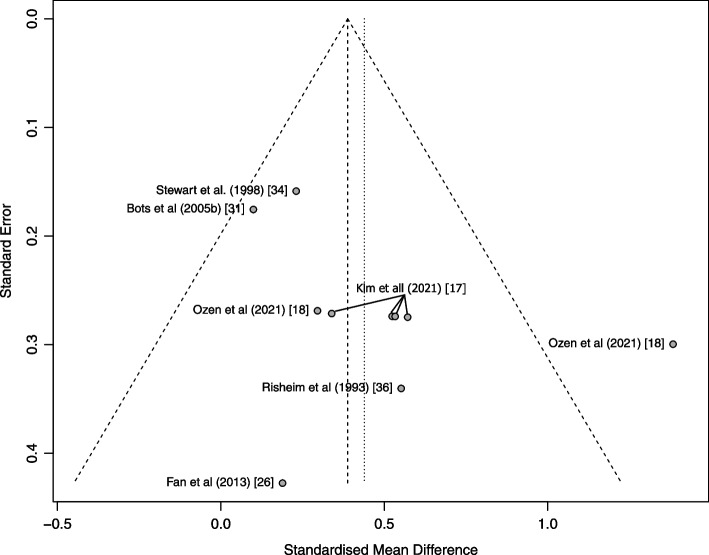
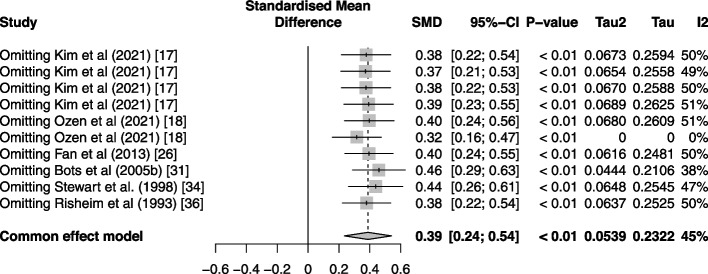
Nine thousand six hundred and two studies were screened and 0.26% (n = 25) met the inclusion criteria for the systematic review. Two of the 25 papers had a high overall risk of bias. Of the 25 papers selected for the systematic review, six met the criteria to be included in the meta-analysis which confirmed a significant overall effect of gum on saliva flow outcomes compared to control (SMD = 0.44, 95% CI: 0.22-0.66; p = 0.00008; I = 46.53%).
Chewing gum can increase unstimulated salivary flow rate in elderly and medically compromised people with xerostomia. Increasing the number of days over which gum is chewed increases the improvement in the rate of salivation. Gum chewing is linked with improvements in self-reported levels of xerostomia (although it is noted that no significant effects were detected in five of the studies reviewed). Future studies should eliminate sources of bias, standardise methods to measure salivary flow rate, and use a common instrument to measure subjective relief from xerostomia.
PROSPERO CRD42021254485.
口干症会降低生活质量。其症状包括口腔干燥、口渴、言语、咀嚼和吞咽困难、口腔不适、口腔软组织疼痛和感染以及猖獗的龋齿。本系统评价和荟萃分析的目的是研究咀嚼口香糖是否是一种干预措施,可导致唾液流量的客观改善和口干症的主观缓解。
我们搜索了电子数据库,包括 Medline、Scopus、Web of Science、Embase、Cochrane 图书馆(CDSR 和中央)、Google Scholar 和综述论文的参考文献(最后一次搜索是在 2023 年 3 月 31 日)。研究人群包括:1)口干症的老年人(>60 岁,无论性别和口干症的严重程度),2)口干症的医学并发症患者。感兴趣的干预措施是咀嚼口香糖。比较包括咀嚼口香糖与不咀嚼口香糖。结果包括唾液流量、自我报告的口干症和口渴。所有设置和研究设计都包括在内。我们对报告了咀嚼口香糖和不咀嚼口香糖(每天咀嚼口香糖两周或更长时间)的唾液自然流出率测量值的研究进行了荟萃分析。我们使用 Cochrane 的 RoB 2 和 ROBINS-I 工具评估偏倚风险。
筛选了 9602 项研究,其中 0.26%(n=25)符合系统评价的纳入标准。25 篇论文中有 2 篇总体偏倚风险较高。在纳入系统评价的 25 篇论文中,有 6 篇符合纳入荟萃分析的标准,这证实了与对照组相比,口香糖对唾液流结果有显著的总体影响(SMD=0.44,95%CI:0.22-0.66;p=0.00008;I=46.53%)。
咀嚼口香糖可以增加口干症的老年和医学并发症患者的非刺激性唾液流量。增加咀嚼口香糖的天数会增加唾液分泌率的提高。咀嚼口香糖与自我报告的口干程度改善有关(尽管在综述的五项研究中未检测到显著效果)。未来的研究应消除偏倚源,标准化唾液流量测量方法,并使用通用工具来测量口干症的主观缓解。
PROSPERO CRD42021254485。