Song Baohong, Wang Wei, Tang Xuemei, Goh Robby Miguel Wen-Jing, Thuya Win Lwin, Ho Paul Chi Lui, Chen Lu, Wang Lingzhi
State Key Laboratory of Southwestern Chinese Medicine Resources, School of Pharmacy, Chengdu University of Traditional Chinese Medicine, Chengdu 611137, China.
Cancer Science Institute of Singapore, National University of Singapore, Singapore 117599, Singapore.
Cancers (Basel). 2023 May 14;15(10):2758. doi: 10.3390/cancers15102758.
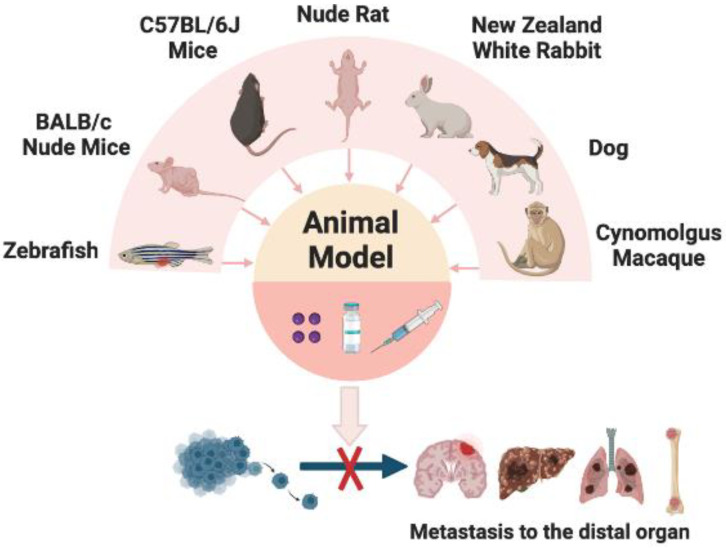
Cancer metastasis is a significant challenge in cancer treatment, and most existing drugs are designed to inhibit tumor growth but are often ineffective in treating metastatic cancer, which is the leading cause of cancer-related deaths. Resveratrol, a polyphenol found in grapes, berries, and peanuts, has shown potential in preclinical studies as an anticancer agent to suppress metastasis. However, despite positive results in preclinical studies, little progress has been made in clinical trials. To develop resveratrol as an effective anticancer agent, it is crucial to understand its cellular processes and signaling pathways in tumor metastasis. This review article evaluates the current state and future development strategies of resveratrol to enhance its potency against cancer metastasis within its therapeutic dose. In addition, we critically evaluate the animal models used in preclinical studies for cancer metastasis and discuss novel techniques to accelerate the translation of resveratrol from bench to bedside. The appropriate selection of animal models is vital in determining whether resveratrol can be further developed as an antimetastatic drug in cancer therapy.
癌症转移是癌症治疗中的一项重大挑战,大多数现有药物旨在抑制肿瘤生长,但在治疗转移性癌症方面往往无效,而转移性癌症是癌症相关死亡的主要原因。白藜芦醇是一种存在于葡萄、浆果和花生中的多酚,在临床前研究中已显示出作为抗癌剂抑制转移的潜力。然而,尽管临床前研究取得了积极成果,但临床试验进展甚微。为了将白藜芦醇开发成一种有效的抗癌剂,了解其在肿瘤转移中的细胞过程和信号通路至关重要。这篇综述文章评估了白藜芦醇的现状和未来发展策略,以增强其在治疗剂量范围内对抗癌症转移的效力。此外,我们批判性地评估了临床前研究中用于癌症转移的动物模型,并讨论了加速白藜芦醇从实验室到临床应用转化的新技术。动物模型的适当选择对于确定白藜芦醇是否可以进一步开发成为癌症治疗中的抗转移药物至关重要。