Catalysts and Organic Synthesis Research Laboratory, Department of Chemistry, Iran University of Science and Technology, Tehran, 16846‑13114, Iran.
Sci Rep. 2023 Jun 22;13(1):10133. doi: 10.1038/s41598-023-36521-6.
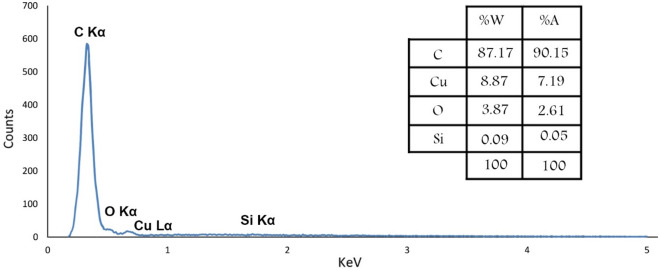
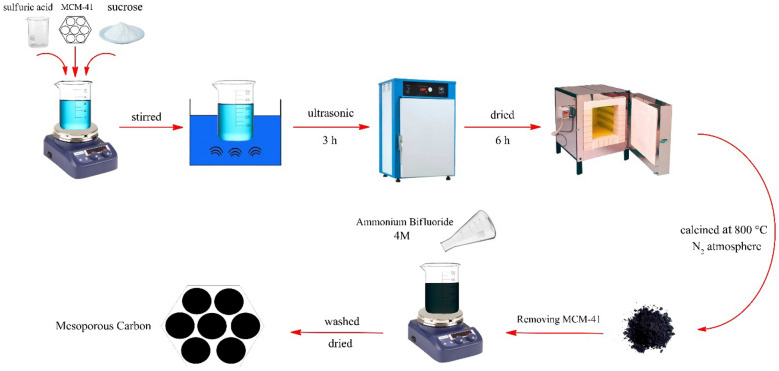
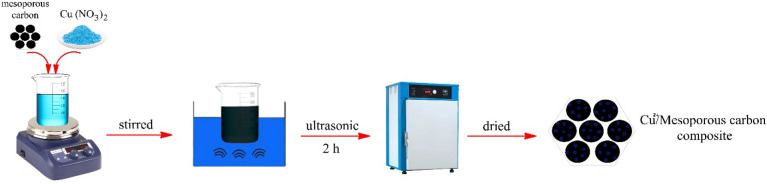
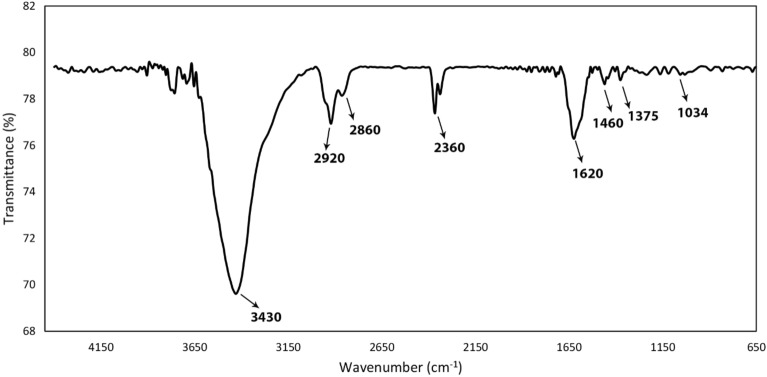
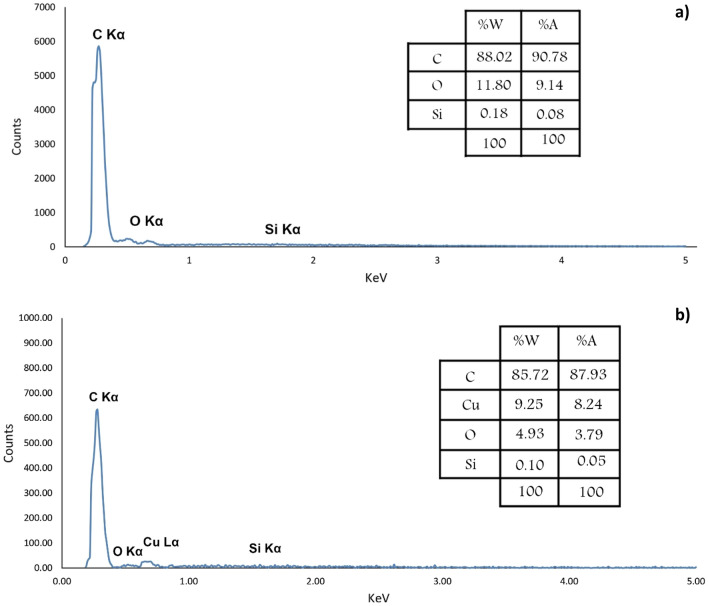
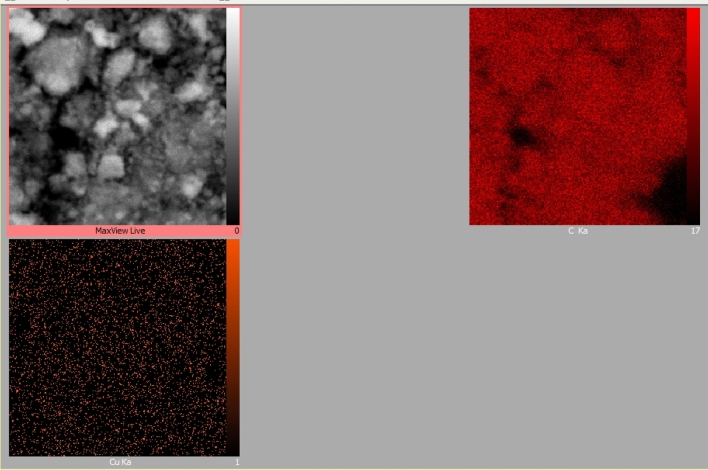
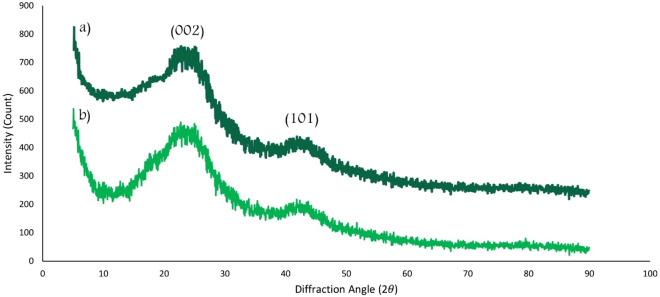
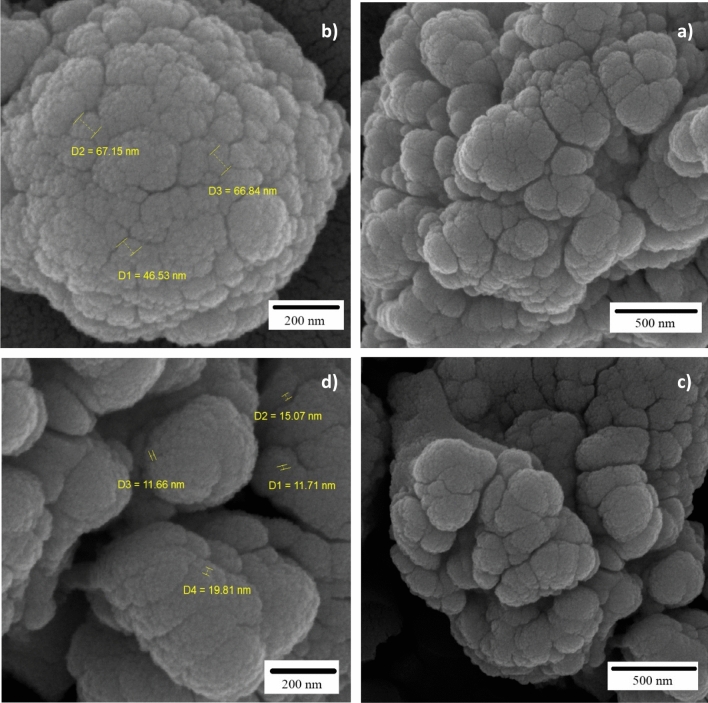
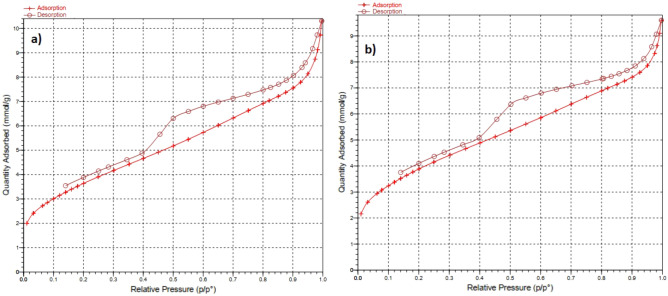
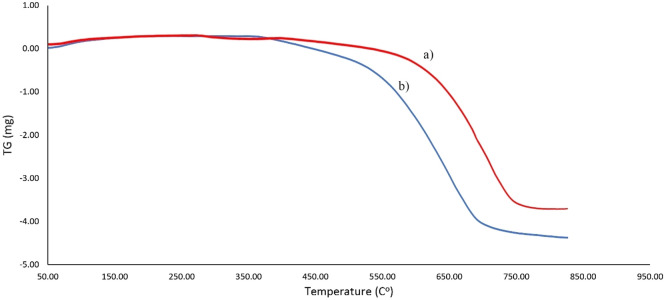
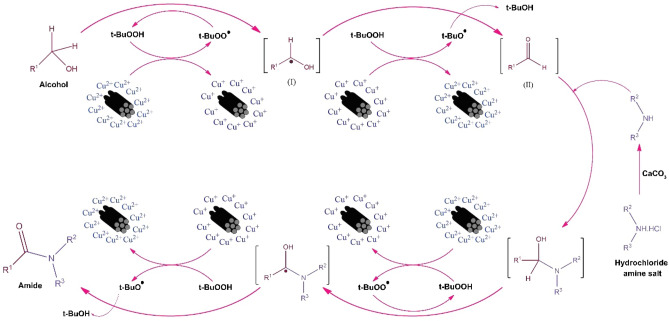
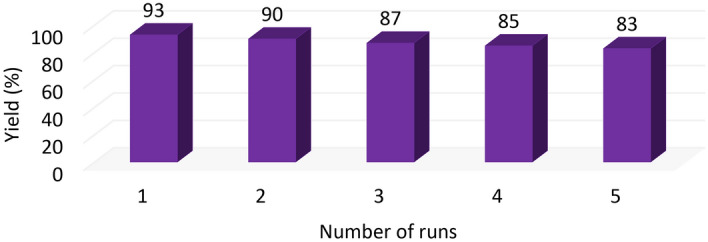
In this research, mesoporous carbon (MC) with high efficiency (0.65 g yield from 1.0 g MCM-41 and 1.25 g sucrose) was successfully prepared by adding carbon precursor (sucrose) in a single step with ultrasonic waves, which reduces time and energy cost. Then, the Cu/Mesoporous carbon nanocatalyst (Cu/MC) was synthesized by adding Cu(NO) in a single step and applied as a catalyst in amidation reactions of alcohols. Also, Cu/MC was characterized using different spectroscopic methods and techniques, including Fourier transform infrared spectroscopy (FT-IR), Field Emission Scanning Electron Microscopy (FE-SEM), N adsorption analysis (BET), X-ray diffraction analysis (XRD), Energy Dispersive X-ray (EDX), and Thermogravimetric Analysis (TGA). Moreover, to show the catalytic merits of Cu/MC, various primary and secondary amines and ammonium salts were applied in the amidation of alcohols. Easy synthesis method, recyclability, excellent yields (80-93%), and simple work-up are some noticeable strengths of using Cu/MC as a catalyst in this reaction.
在这项研究中,通过在超声作用下一步添加碳前体(蔗糖),成功制备了高效的介孔碳(MC)(1.0 g MCM-41 和 1.25 g 蔗糖的产率为 0.65 g),从而降低了时间和能源成本。然后,通过一步添加 Cu(NO)合成了 Cu/介孔碳纳米催化剂(Cu/MC),并将其用作醇的酰胺化反应中的催化剂。此外,使用不同的光谱方法和技术对 Cu/MC 进行了表征,包括傅里叶变换红外光谱(FT-IR)、场发射扫描电子显微镜(FE-SEM)、N 吸附分析(BET)、X 射线衍射分析(XRD)、能谱(EDX)和热重分析(TGA)。此外,为了展示 Cu/MC 的催化优点,在醇的酰胺化反应中使用了各种伯胺和仲胺以及季铵盐。使用 Cu/MC 作为催化剂的优点包括:合成方法简单、可回收、产率高(80-93%)、后处理简单。