
CRISPR-Cas9 技术在转化医学中的进展与展望。
Progress and Perspective of CRISPR-Cas9 Technology in Translational Medicine.
机构信息
Joint Centre of Translational Medicine, The First Affiliated Hospital of Wenzhou Medical University, Wenzhou, Zhejiang, 325000, P. R. China.
Division of Pulmonary Medicine, The First Affiliated Hospital, Wenzhou Medical University, Wenzhou, Zhejiang, 325000, P. R. China.
出版信息
Adv Sci (Weinh). 2023 Sep;10(25):e2300195. doi: 10.1002/advs.202300195. Epub 2023 Jun 25.
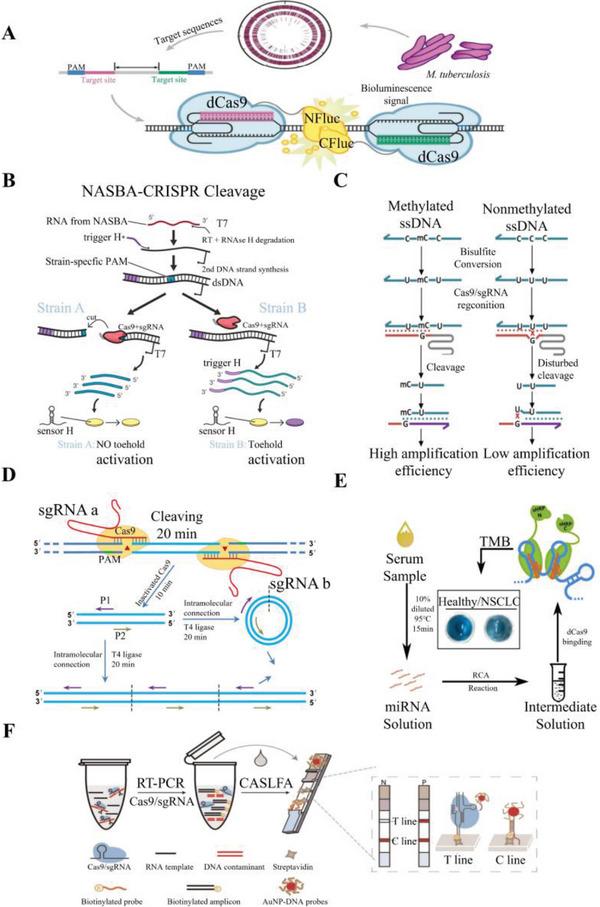
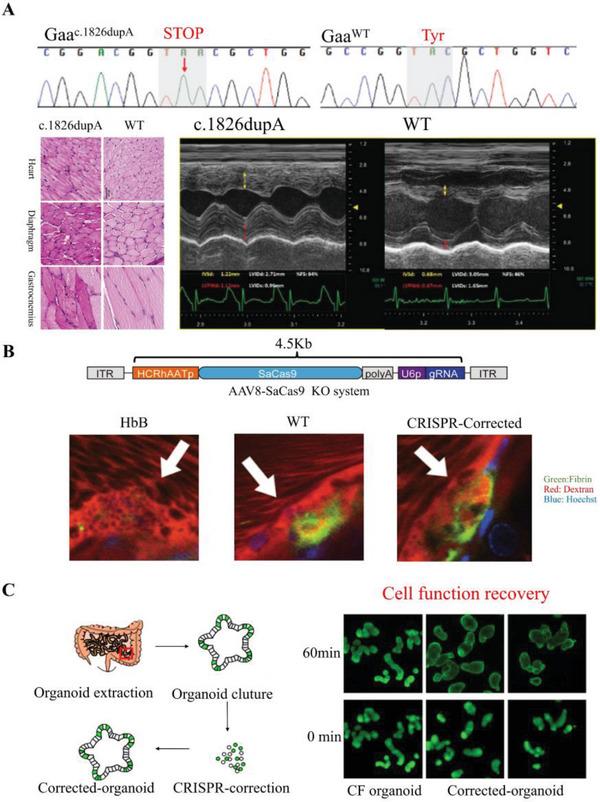
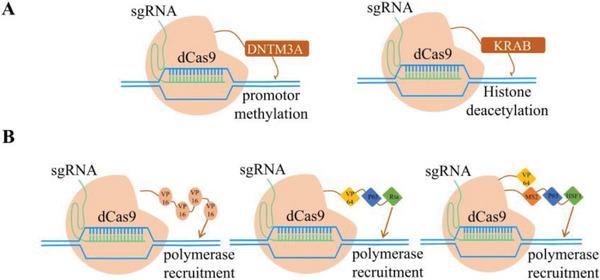
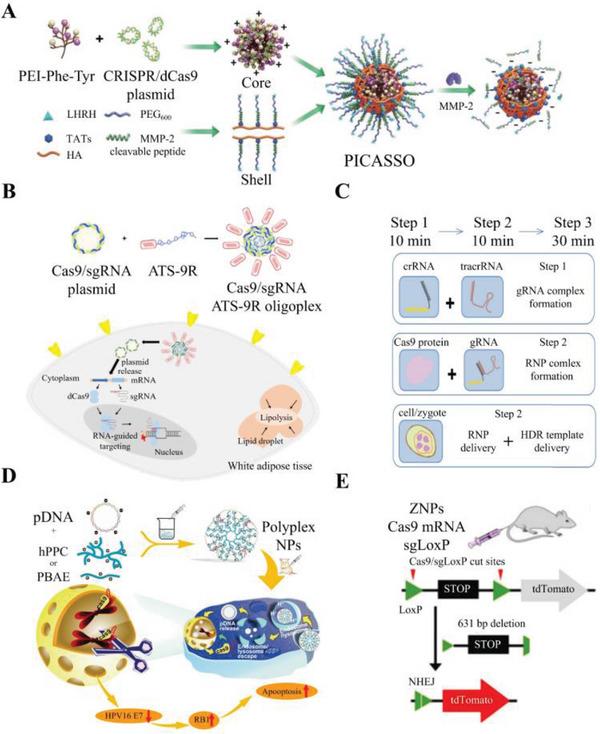
Translational medicine aims to improve human health by exploring potential treatment methods developed during basic scientific research and applying them to the treatment of patients in clinical settings. The advanced perceptions of gene functions have remarkably revolutionized clinical treatment strategies for target agents. However, the progress in gene editing therapy has been hindered due to the severe off-target effects and limited editing sites. Fortunately, the development in the clustered regularly interspaced short palindromic repeats associated protein 9 (CRISPR-Cas9) system has renewed hope for gene therapy field. The CRISPR-Cas9 system can fulfill various simple or complex purposes, including gene knockout, knock-in, activation, interference, base editing, and sequence detection. Accordingly, the CRISPR-Cas9 system is adaptable to translational medicine, which calls for the alteration of genomic sequences. This review aims to present the latest CRISPR-Cas9 technology achievements and prospect to translational medicine advances. The principle and characterization of the CRISPR-Cas9 system are firstly introduced. The authors then focus on recent pre-clinical and clinical research directions, including the construction of disease models, disease-related gene screening and regulation, and disease treatment and diagnosis for multiple refractory diseases. Finally, some clinical challenges including off-target effects, in vivo vectors, and ethical problems, and future perspective are also discussed.
转化医学旨在通过探索基础科学研究中开发的潜在治疗方法,并将其应用于临床环境中患者的治疗,从而改善人类健康。基因功能的深入认识极大地改变了靶向药物的临床治疗策略。然而,由于严重的脱靶效应和有限的编辑位点,基因编辑治疗的进展受到了阻碍。幸运的是,CRISPR-Cas9 系统的发展为基因治疗领域带来了新的希望。CRISPR-Cas9 系统可以实现多种简单或复杂的目的,包括基因敲除、敲入、激活、干扰、碱基编辑和序列检测。因此,CRISPR-Cas9 系统适用于需要改变基因组序列的转化医学。本综述旨在介绍最新的 CRISPR-Cas9 技术成就和转化医学进展的前景。首先介绍了 CRISPR-Cas9 系统的原理和特点。然后,作者重点介绍了最近的临床前和临床研究方向,包括疾病模型的构建、疾病相关基因的筛选和调控,以及多种难治性疾病的治疗和诊断。最后,还讨论了一些临床挑战,包括脱靶效应、体内载体和伦理问题,以及未来展望。





 Zotero 插件