Department of Medical Biophysics, University of Toronto, Toronto, ON, Canada.
Princess Margaret Cancer Centre, University Health Network, Toronto, ON, Canada.
Genome Biol. 2023 Jun 27;24(1):142. doi: 10.1186/s13059-023-02926-9.
Human papillomavirus (HPV) drives almost all cervical cancers and up to 70% of head and neck cancers. Frequent integration into the host genome occurs predominantly in tumorigenic types of HPV. We hypothesize that changes in chromatin state at the location of integration can result in changes in gene expression that contribute to the tumorigenicity of HPV.
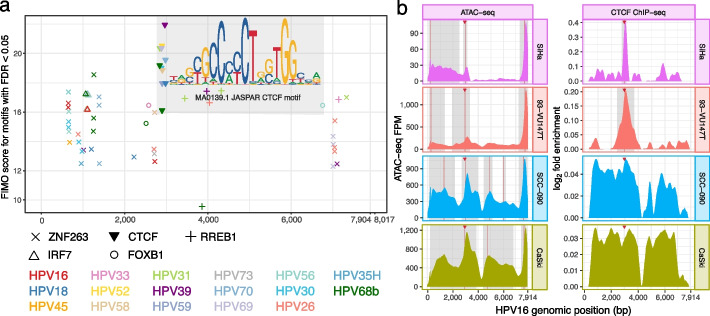
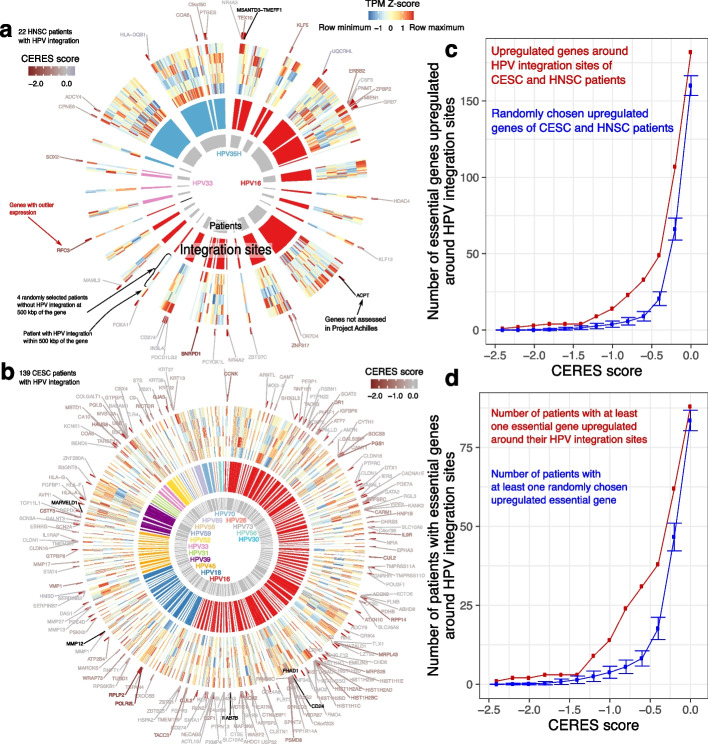
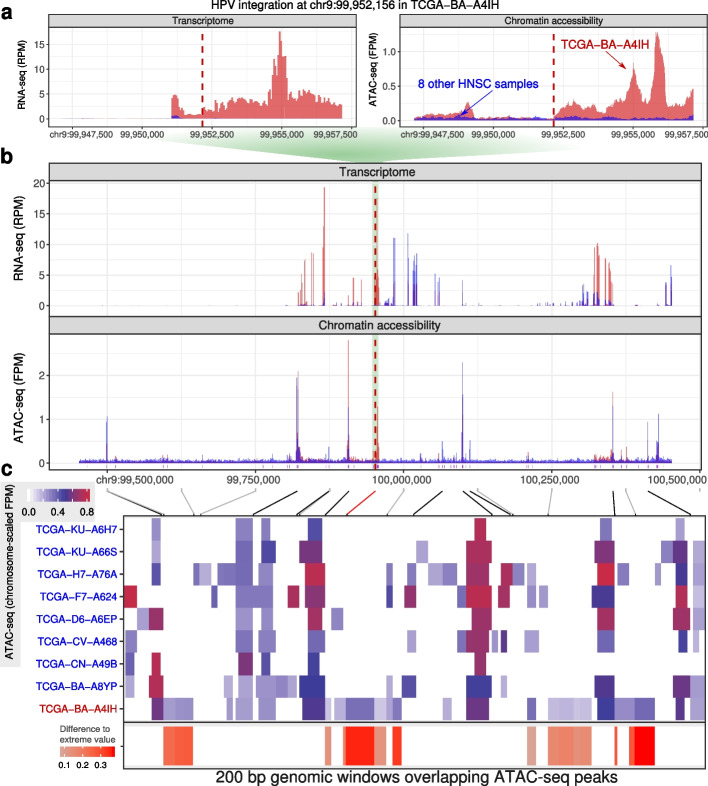
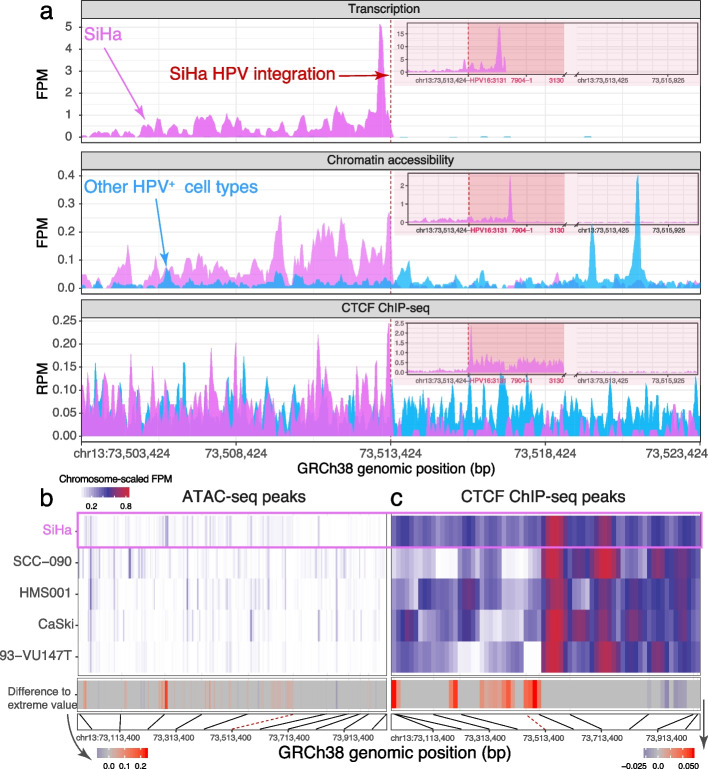
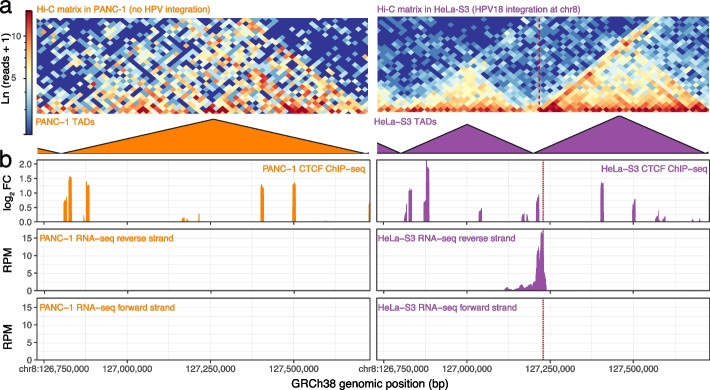
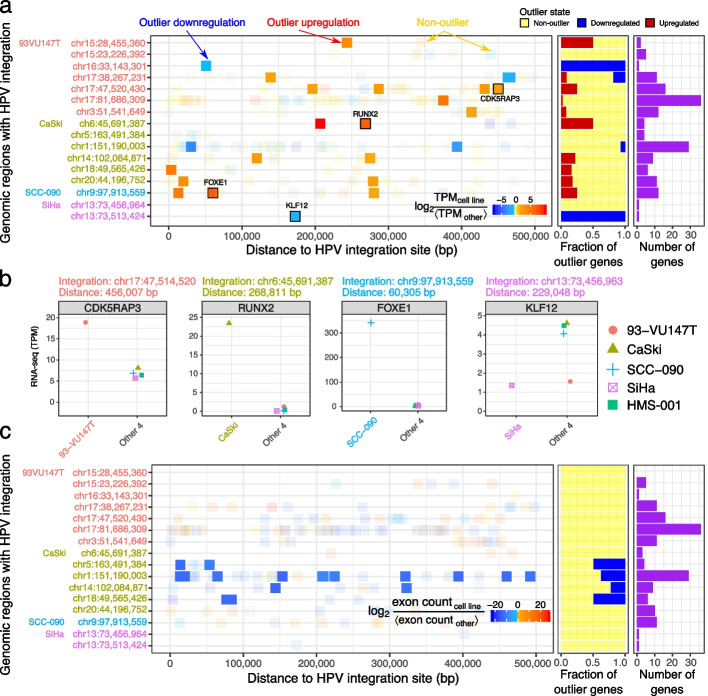
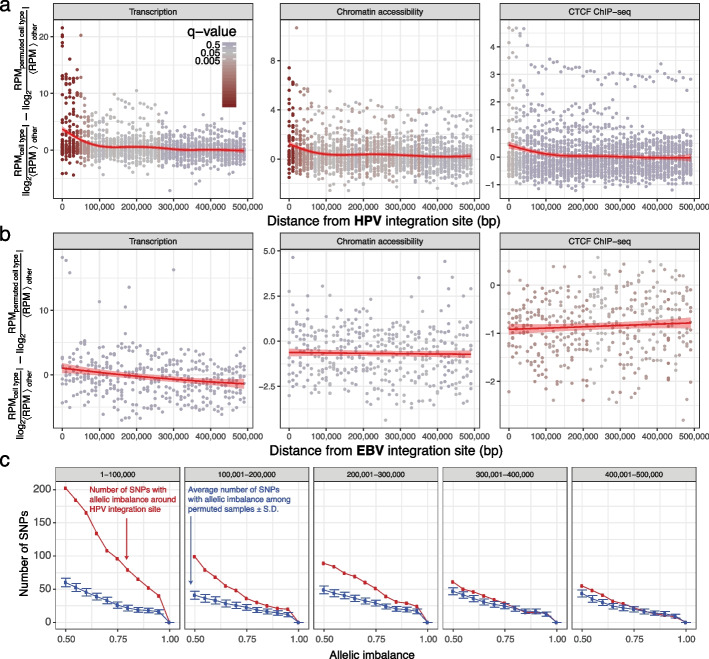
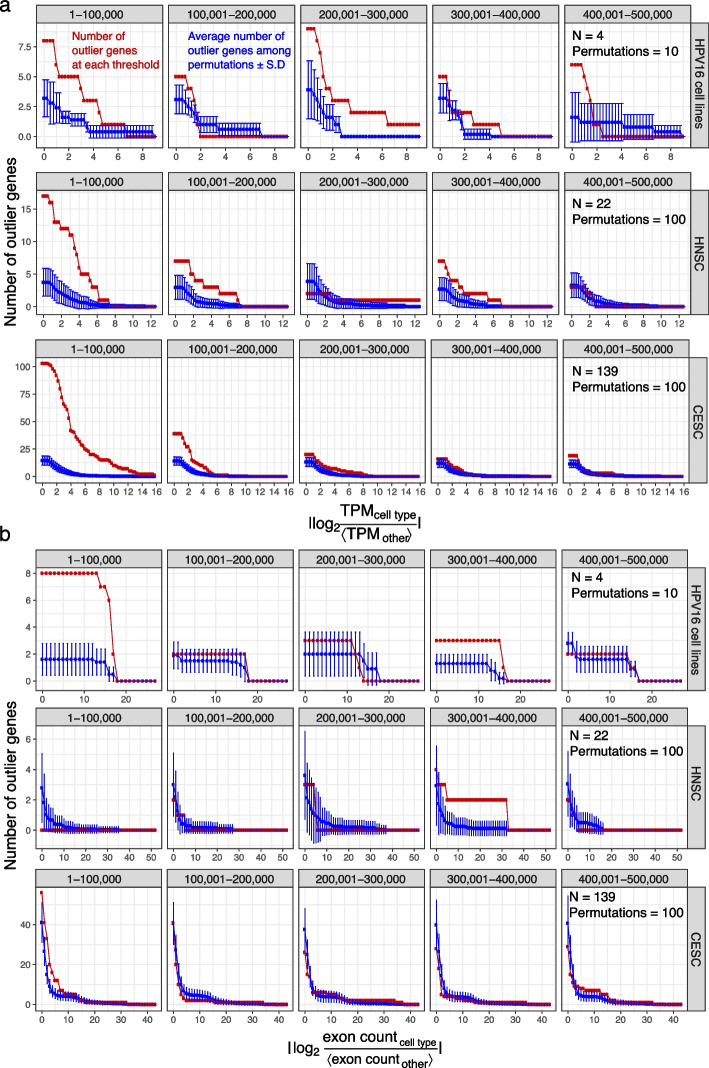
We find that viral integration events often occur along with changes in chromatin state and expression of genes near the integration site. We investigate whether introduction of new transcription factor binding sites due to HPV integration could invoke these changes. Some regions within the HPV genome, particularly the position of a conserved CTCF binding site, show enriched chromatin accessibility signal. ChIP-seq reveals that the conserved CTCF binding site within the HPV genome binds CTCF in 4 HPV cancer cell lines. Significant changes in CTCF binding pattern and increases in chromatin accessibility occur exclusively within 100 kbp of HPV integration sites. The chromatin changes co-occur with out-sized changes in transcription and alternative splicing of local genes. Analysis of The Cancer Genome Atlas (TCGA) HPV tumors indicates that HPV integration upregulates genes which have significantly higher essentiality scores compared to randomly selected upregulated genes from the same tumors.
Our results suggest that introduction of a new CTCF binding site due to HPV integration reorganizes chromatin state and upregulates genes essential for tumor viability in some HPV tumors. These findings emphasize a newly recognized role of HPV integration in oncogenesis.
人乳头瘤病毒(HPV)几乎可导致所有宫颈癌,高达 70%的头颈部癌症也与之相关。病毒的频繁整合主要发生在致癌性 HPV 类型中。我们假设整合部位染色质状态的变化可能导致基因表达的改变,从而促进 HPV 的致瘤性。
我们发现病毒整合事件常伴随着整合部位附近染色质状态和基因表达的改变。我们研究了 HPV 整合导致新转录因子结合位点的引入是否会引起这些变化。HPV 基因组内的一些区域,特别是保守的 CTCF 结合位点的位置,显示出富集的染色质可及性信号。ChIP-seq 显示,HPV 基因组内的保守 CTCF 结合位点在 4 种 HPV 癌细胞系中结合 CTCF。仅在 HPV 整合位点的 100kbp 内,CTCF 结合模式发生显著变化,染色质可及性增加。这些染色质变化与局部基因转录和可变剪接的巨大变化同时发生。对癌症基因组图谱(TCGA)HPV 肿瘤的分析表明,与从同一肿瘤中随机选择的上调基因相比,HPV 整合上调的基因具有显著更高的必需性评分。
我们的结果表明,HPV 整合引入新的 CTCF 结合位点会重新组织染色质状态,并上调一些 HPV 肿瘤中对肿瘤存活至关重要的基因。这些发现强调了 HPV 整合在致癌作用中的新作用。