Department of Pathology, The University of the West Indies, Mona Campus, Kingston 7, Jamaica.
The Transitional Year Programme, University of Toronto, Toronto, ON M5S 2E8, Canada.
Biomolecules. 2023 Jun 10;13(6):972. doi: 10.3390/biom13060972.
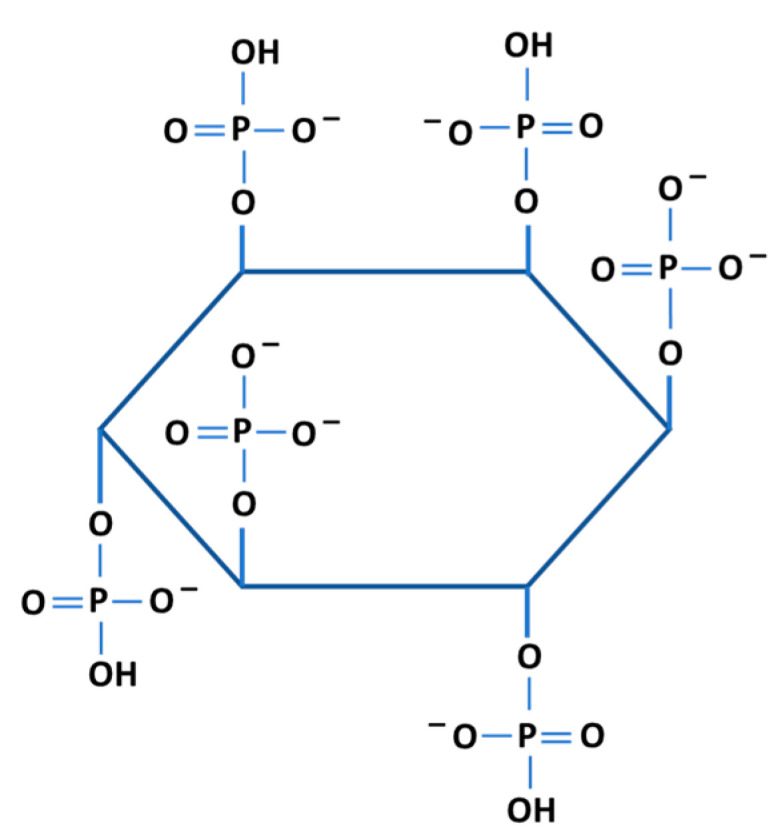
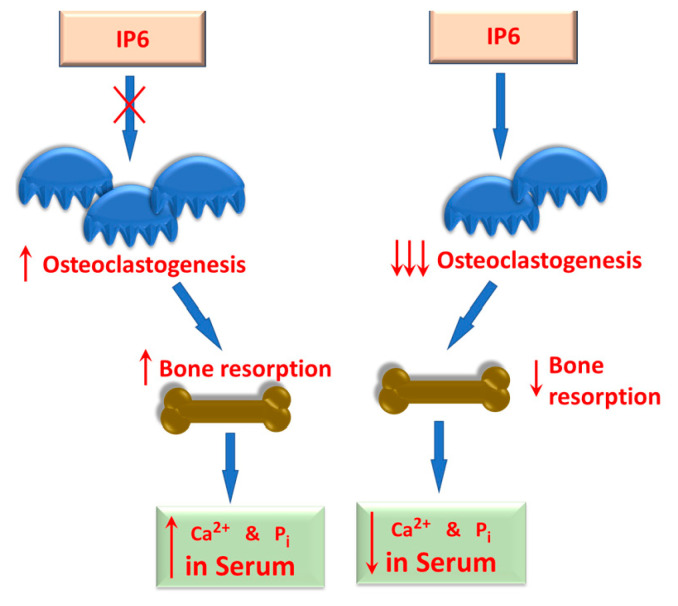
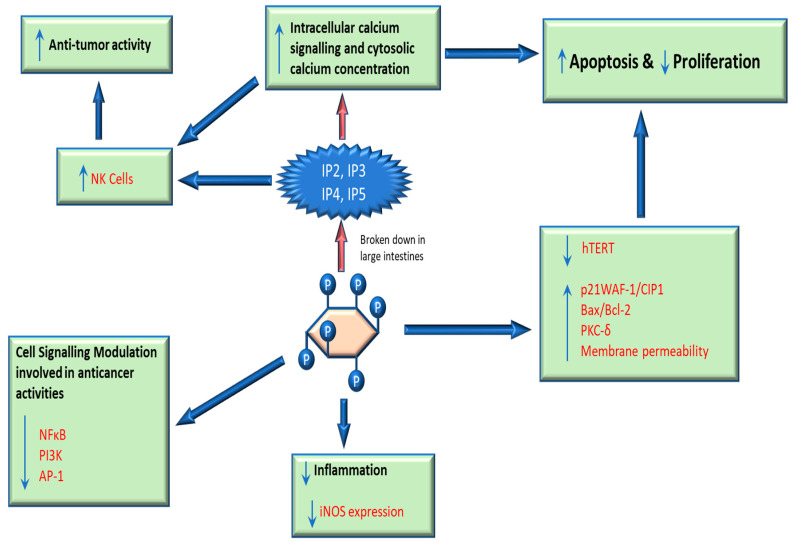
IP6 (phytic acid) is a naturally occurring compound in plant seeds and grains. It is a poly-phosphorylated inositol derivative that has been shown to exhibit many biological activities that accrue benefits in health and diseases (cancer, diabetes, renal lithiasis, cardiovascular diseases, etc.). IP6 has been shown to have several cellular and molecular activities associated with its potential role in disease prevention. These activities include anti-oxidant properties, chelation of metal ions, inhibition of inflammation, modulation of cell signaling pathways, and modulation of the activities of enzymes and hormones that are involved in carbohydrate and lipid metabolism. Studies have shown that IP6 has anti-oxidant properties and can scavenge free radicals known to cause cellular damage and contribute to the development of chronic diseases such as cancers and cardiovascular diseases, as well as diabetes mellitus. It has also been shown to possess anti-inflammatory properties that may modulate immune responses geared towards the prevention of inflammatory conditions. Moreover, IP6 exhibits anti-cancer properties through the induction of cell cycle arrest, promoting apoptosis and inhibiting cancer cell growth. Additionally, it has been shown to have anti-mutagenic properties, which reduce the risk of malignancies by preventing DNA damage and mutations. IP6 has also been reported to have a potential role in bone health. It inhibits bone resorption and promotes bone formation, which may help in the prevention of bone diseases such as osteoporosis. Overall, IP6's cellular and molecular activities make it a promising candidate for disease prevention. As reported in many studies, its anti-inflammatory, anti-oxidant, and anti-cancer properties support its inclusion as a dietary supplement that may protect against the development of chronic diseases. However, further studies are needed to understand the mechanisms of action of this dynamic molecule and its derivatives and determine the optimal doses and appropriate delivery methods for effective therapeutic use.
肌醇六磷酸(植酸)是植物种子和谷物中天然存在的化合物。它是一种多磷酸化肌醇衍生物,具有多种生物活性,对健康和疾病(癌症、糖尿病、肾结石、心血管疾病等)都有益处。研究表明,肌醇六磷酸具有多种细胞和分子活性,与其在疾病预防中的潜在作用有关。这些活性包括抗氧化特性、螯合金属离子、抑制炎症、调节细胞信号通路,以及调节参与碳水化合物和脂质代谢的酶和激素的活性。研究表明,肌醇六磷酸具有抗氧化特性,可以清除自由基,自由基已知会导致细胞损伤,并导致慢性疾病(如癌症和心血管疾病以及糖尿病)的发展。它还具有抗炎特性,可以调节免疫反应,预防炎症状态。此外,肌醇六磷酸通过诱导细胞周期停滞、促进细胞凋亡和抑制癌细胞生长来发挥抗癌作用。此外,它还具有抗突变特性,可以通过防止 DNA 损伤和突变来降低恶性肿瘤的风险。肌醇六磷酸也被报道在骨骼健康中具有潜在作用。它抑制骨质吸收并促进骨质形成,这有助于预防骨质疏松等骨骼疾病。总的来说,肌醇六磷酸的细胞和分子活性使其成为预防疾病的有前途的候选物。正如许多研究报告的那样,其抗炎、抗氧化和抗癌特性支持将其作为膳食补充剂纳入,以预防慢性疾病的发展。然而,需要进一步的研究来了解这种动态分子及其衍生物的作用机制,并确定有效治疗用途的最佳剂量和适当的给药方法。