Sodré Maria Eduarda, Wießner Isabel, Irfan Muna, Schenck Carlos H, Mota-Rolim Sergio A
Medical College, Potiguar University, Natal 59076-550, RN, Brazil.
Brain Institute, Federal University of Rio Grande do Norte, Natal 59078-970, RN, Brazil.
J Clin Med. 2023 Jun 6;12(12):3876. doi: 10.3390/jcm12123876.
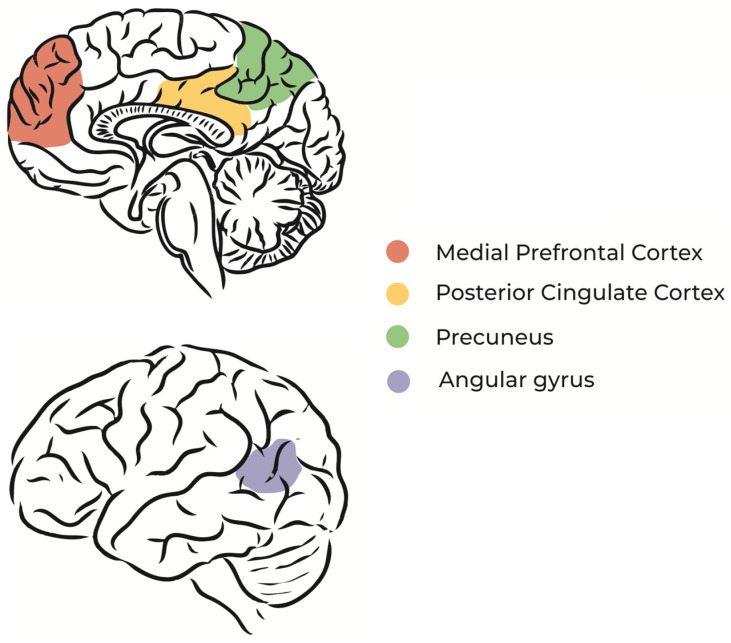
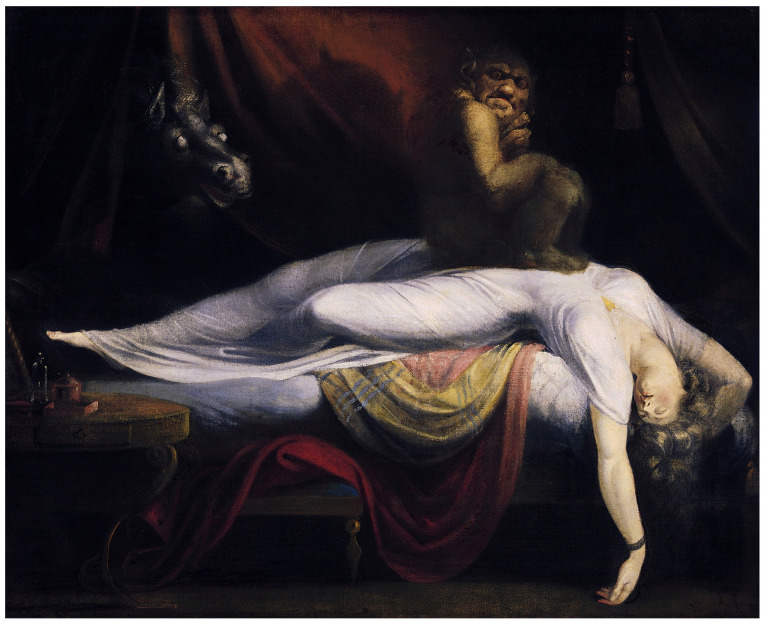
Recent studies have begun to understand sleep not only as a whole-brain process but also as a complex local phenomenon controlled by specific neurotransmitters that act in different neural networks, which is called "local sleep". Moreover, the basic states of human consciousness-wakefulness, sleep onset (N1), light sleep (N2), deep sleep (N3), and rapid eye movement (REM) sleep-can concurrently appear, which may result in different sleep-related dissociative states. In this article, we classify these sleep-related dissociative states into physiological, pathological, and altered states of consciousness. Physiological states are daydreaming, lucid dreaming, and false awakenings. Pathological states include sleep paralysis, sleepwalking, and REM sleep behavior disorder. Altered states are hypnosis, anesthesia, and psychedelics. We review the neurophysiology and phenomenology of these sleep-related dissociative states of consciousness and update them with recent studies. We conclude that these sleep-related dissociative states have a significant basic and clinical impact since their study contributes to the understanding of consciousness and the proper treatment of neuropsychiatric diseases.
最近的研究已开始认识到,睡眠不仅是一个全脑过程,也是一种由特定神经递质控制的复杂局部现象,这些神经递质在不同神经网络中发挥作用,这被称为“局部睡眠”。此外,人类意识的基本状态——清醒、入睡期(N1)、浅睡眠(N2)、深睡眠(N3)和快速眼动(REM)睡眠——可能会同时出现,这可能导致不同的与睡眠相关的分离状态。在本文中,我们将这些与睡眠相关的分离状态分为生理状态、病理状态和意识改变状态。生理状态包括白日梦、清醒梦和假醒。病理状态包括睡眠瘫痪、梦游和快速眼动睡眠行为障碍。意识改变状态包括催眠、麻醉和迷幻剂。我们回顾了这些与睡眠相关的意识分离状态的神经生理学和现象学,并根据最近的研究对其进行更新。我们得出结论,这些与睡眠相关的分离状态具有重大的基础和临床影响,因为对它们的研究有助于理解意识以及对神经精神疾病的合理治疗。