Musenge Emmanuel M, Nzala Selestine H, Kabinga-Makukula Marjorie, Wahila Ruth, Machona Penelope, Kalungia Aubrey C, Daka Harrison, Simpamba Micah, Imakando Mercy M, Kayamba Violet, Mwiinga-Kalusopa Victoria, Soko George, Simuyemba Moses C, Kampata-Olowski Linda, Zyambo Cosmas, Katowa-Mukwato Patricia, Chigunta Micheal, Phiri Masauso M, Mwiinga Christabell, Kwaleyela Concepta, Kaile Trevor, Vwalika Bellington, Kafumukache Elliot, Maimbolwa Margaret C, Goma Fastone M
School of Nursing Sciences, University of Zambia, Lusaka, Zambia.
School of Medicine, University of Zambia, Lusaka, Zambia.
Med J Zambia. 2022;49(2):185-197. doi: 10.55320/mjz.49.2.1118.
There is evidence that multidisciplinary healthcare teams can provide better quality of care and treatment outcomes compared to that delivered by individuals from a single health discipline. The project on which this article is based applied the interprofessional education model to university pre-licensure health students in the management of chronic care conditions in Zambia.
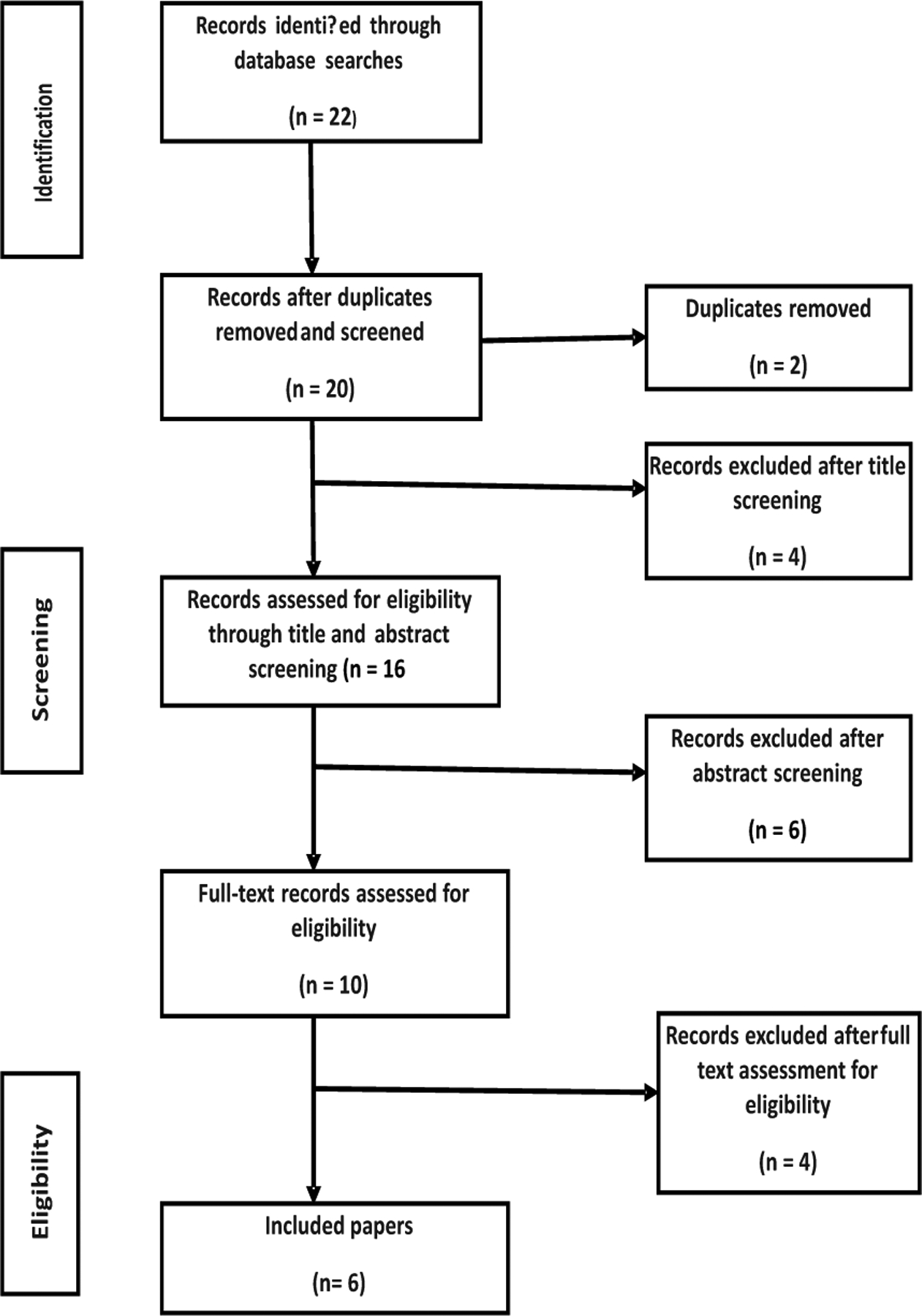
Four distinct but interrelated approaches, namely desk review; module development workshops; review and validation of modules by experts; piloting and review of the training modules were employed.
Several models of interprofessional education currently in existence and used successfully by higher education institutions in other settings were identified. While several models of Interprofessional Education were identified, our project adapted the "didactic program, community-based experience, and interprofessional-simulation experience" models. To apply the models, modules of seven chronic care conditions were developed and piloted. The extent to which the module activities promoted interprofessional education were rated between 74 - 87% (agree or strongly agree) by the students.
Three models of Interprofessional Education were identified and adapted in the project, and seven modules were developed and administered to the students. The process was effective for putting forth an interprofessional training program at the undergraduate level, with the potential to improve quality of care for patients.
有证据表明,与单一健康学科的个体提供的护理相比,多学科医疗团队能够提供更高质量的护理和治疗结果。本文所基于的项目将跨专业教育模式应用于赞比亚大学预执业健康专业学生的慢性病护理管理中。
采用了四种不同但相互关联的方法,即案头审查;模块开发研讨会;专家对模块进行审查和验证;培训模块的试点和审查。
确定了目前存在且在其他环境中被高等教育机构成功使用的几种跨专业教育模式。虽然确定了几种跨专业教育模式,但我们的项目采用了“理论课程、社区实践经验和跨专业模拟经验”模式。为应用这些模式,开发并试点了七种慢性病护理情况的模块。学生对模块活动促进跨专业教育的程度评价为74% - 87%(同意或强烈同意)。
在该项目中确定并采用了三种跨专业教育模式,为学生开发并实施了七个模块。该过程对于在本科层面推出跨专业培训项目是有效的,有可能提高患者护理质量。