Zhang Chao, Yang Hong-Ying, Gao Long, Bai Ming-Zhen, Fu Wen-Kang, Huang Chong-Fei, Mi Ning-Ning, Ma Hai-Dong, Lu Ya-Wen, Jiang Ning-Zu, Tian Liang, Cai Teng, Lin Yan-Yan, Zheng Xing-Xing, Gao Kun, Chen Jian-Jun, Meng Wen-Bo
The First Clinical Medical College, Lanzhou University, Lanzhou, Gansu, China.
Department of Orthopedics, The First Hospital of Lanzhou University, Lanzhou, Gansu, China.
Front Pharmacol. 2023 Jun 15;14:1098915. doi: 10.3389/fphar.2023.1098915. eCollection 2023.
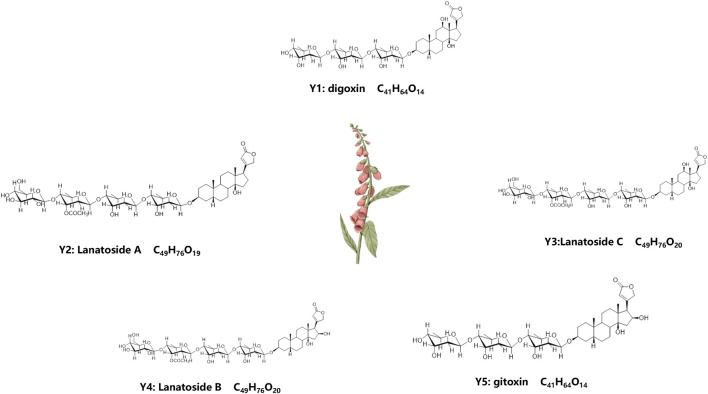
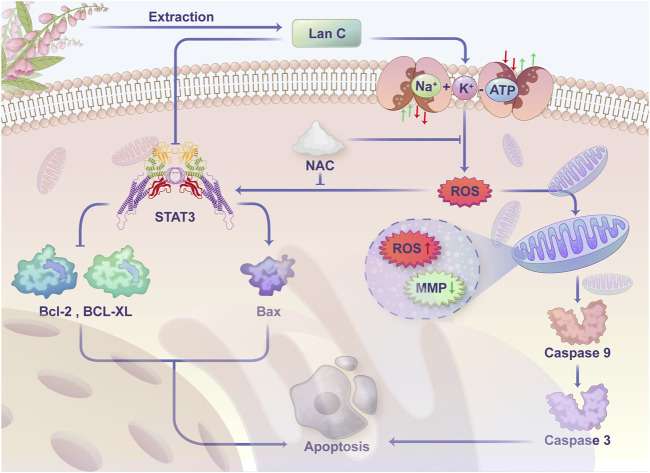
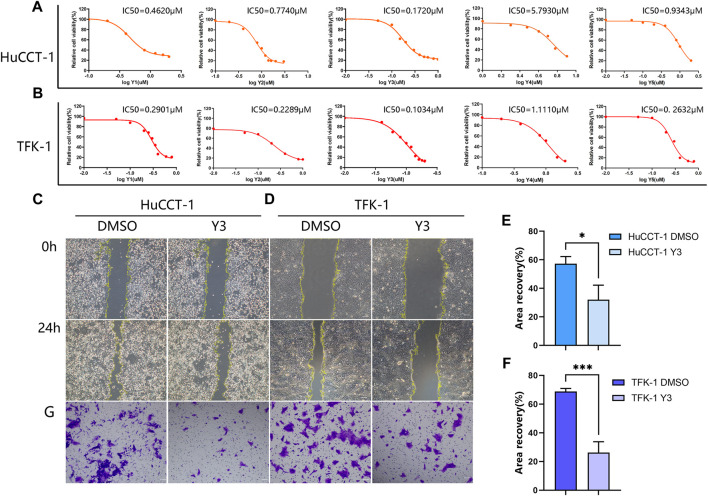
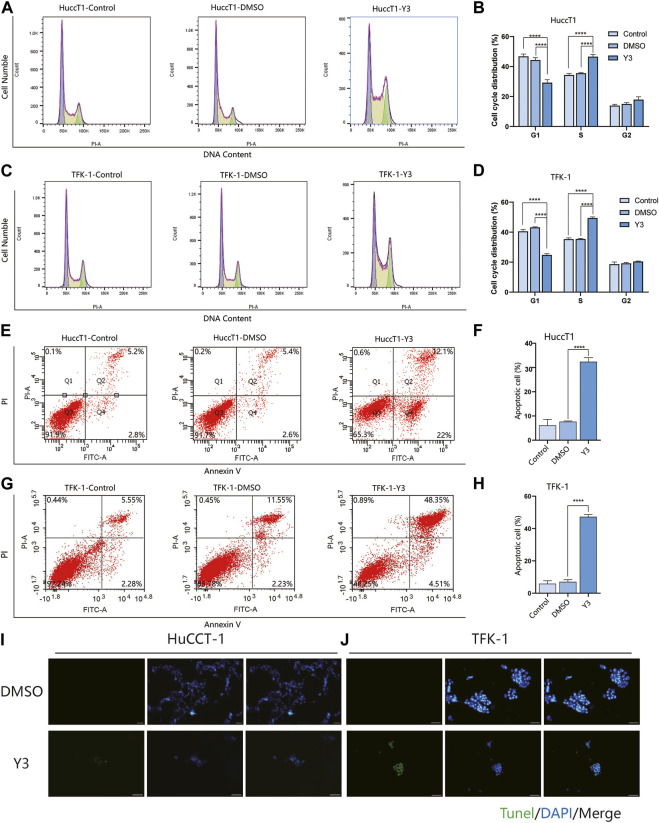
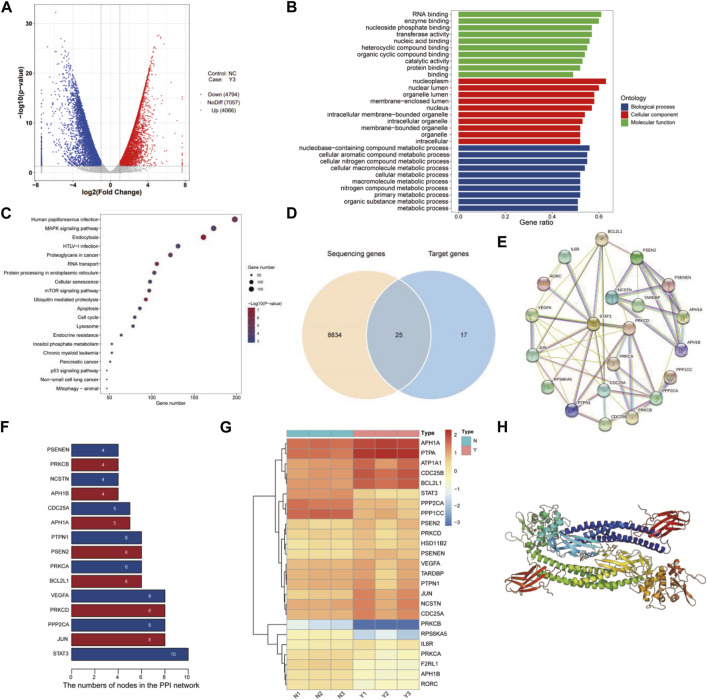
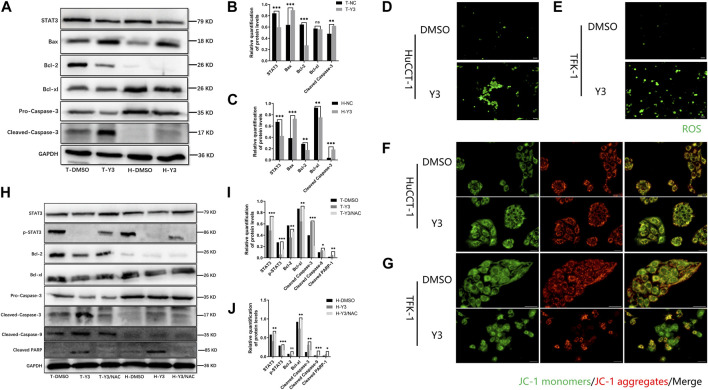
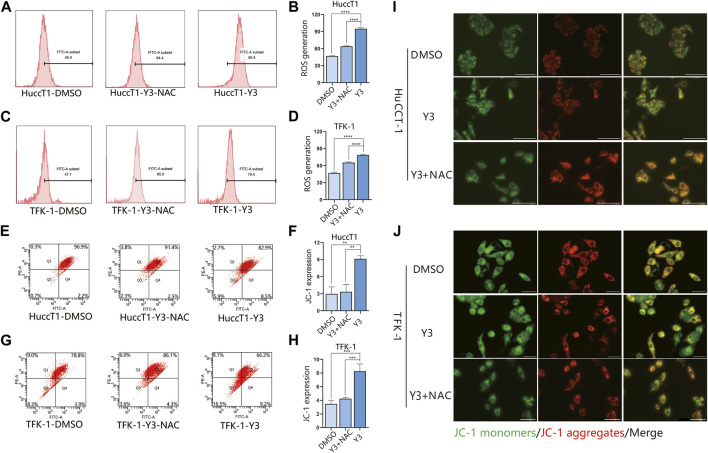
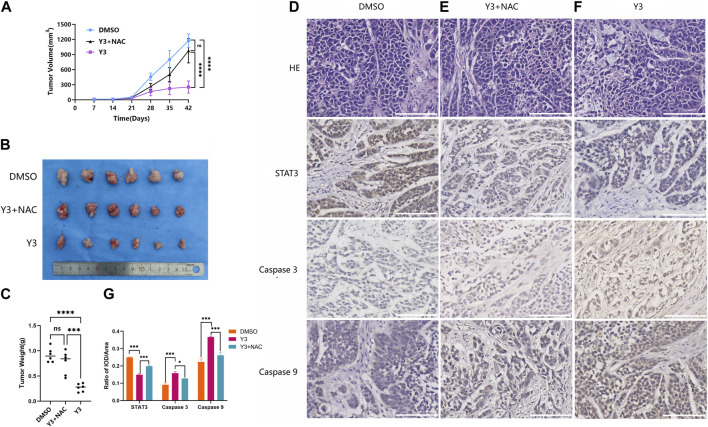
The incidence of cholangiocarcinoma (CCA) has increased worldwide in recent years. Given the poor prognosis associated with the current management approach of CCA, new therapeutic agents are warranted to improve the prognosis of this patient population. In this study, we extracted five cardiac glycosides (CGs) from natural plants: digoxin, lanatoside A, lanatoside C, lanatoside B, and gitoxin. Follow-up experiments were performed to assess the effect of these five extracts on cholangiocarcinoma cells and compounds with the best efficacy were selected. Lanatoside C (Lan C) was selected as the most potent natural extract for subsequent experiments. We explored the potential mechanism underlying the anticancer activity of Lan C on cholangiocarcinoma cells by flow cytometry, western blot, immunofluorescence, transcriptomics sequencing, network pharmacology and experiments. We found that Lan C time-dependently inhibited the growth and induced apoptosis of HuCCT-1 and TFK-1 cholangiocarcinoma cells. Besides Lan C increased the reactive oxygen species (ROS) content in cholangiocarcinoma cells, decreased the mitochondrial membrane potential (MMP) and resulted in apoptosis. Besides, Lan C downregulated the protein expression of STAT3, leading to decreased expression of Bcl-2 and Bcl-xl, increased expression of Bax, activation of caspase-3, and initiation of apoptosis. N-acetyl-L-cysteine (NAC) pretreatment reversed the effect of Lan C. , we found that Lan C inhibited the growth of cholangiocarcinoma xenografts without toxic effects on normal cells. Tumor immunohistochemistry showed that nude mice transplanted with human cholangiocarcinoma cells treated with Lan C exhibited decreased STAT3 expression and increased caspase-9 and caspase-3 expression in tumors, consistent with the results. In summary, our results substantiates that cardiac glycosides have strong anti-CCA effects. Interestingly the biological activity of Lan C provides a new anticancer candidate for the treatment of cholangiocarcinoma.
近年来,胆管癌(CCA)的发病率在全球范围内呈上升趋势。鉴于当前CCA治疗方法的预后较差,有必要研发新的治疗药物以改善该患者群体的预后。在本研究中,我们从天然植物中提取了五种强心苷(CGs):地高辛、毛花苷A、毛花苷C、毛花苷B和吉托辛。进行后续实验以评估这五种提取物对胆管癌细胞的作用,并选择疗效最佳的化合物。毛花苷C(Lan C)被选为后续实验中最有效的天然提取物。我们通过流式细胞术、蛋白质印迹、免疫荧光、转录组测序、网络药理学和实验,探索了Lan C对胆管癌细胞抗癌活性的潜在机制。我们发现Lan C能时间依赖性地抑制HuCCT-1和TFK-1胆管癌细胞的生长并诱导其凋亡。此外,Lan C增加了胆管癌细胞中的活性氧(ROS)含量,降低了线粒体膜电位(MMP)并导致细胞凋亡。此外,Lan C下调了STAT3的蛋白表达,导致Bcl-2和Bcl-xl表达降低,Bax表达增加,caspase-3激活并引发细胞凋亡。N-乙酰-L-半胱氨酸(NAC)预处理可逆转Lan C的作用。我们发现Lan C抑制胆管癌异种移植瘤的生长,对正常细胞无毒性作用。肿瘤免疫组织化学显示,用Lan C处理的人胆管癌细胞移植的裸鼠肿瘤中STAT3表达降低,caspase-9和caspase-3表达增加,与体外实验结果一致。总之,我们的结果证实强心苷具有强大的抗CCA作用。有趣的是,Lan C的生物学活性为胆管癌的治疗提供了一种新的抗癌候选药物。