Laboratory of Neuroimaging, National Institute on Alcohol Abuse and Alcoholism, National Institutes of Health, Bethesda, MD, 20892-1013, USA.
Transl Psychiatry. 2023 Jul 3;13(1):238. doi: 10.1038/s41398-023-02530-2.
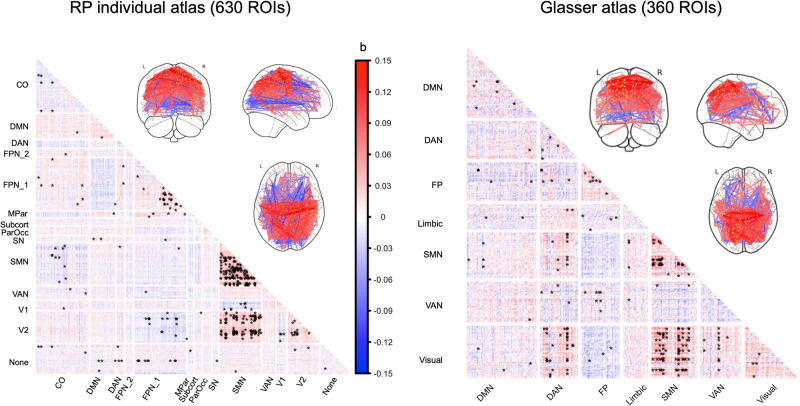
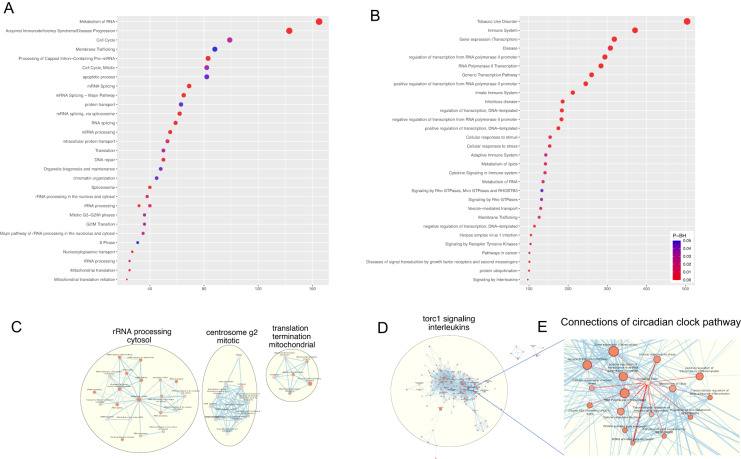
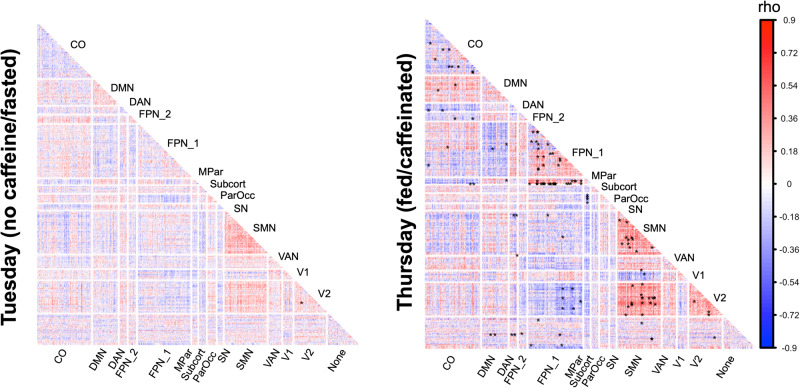
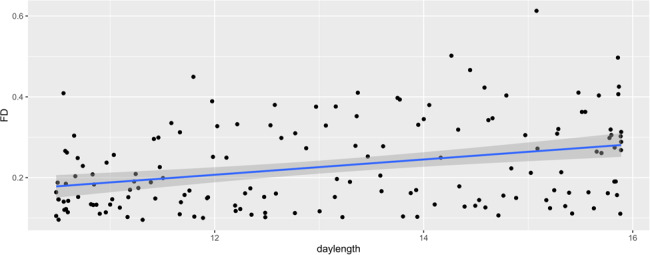
In neuroimaging research, seasonal effects are often neglected or controlled as confounding factors. However, seasonal fluctuations in mood and behavior have been observed in both psychiatric disorders and healthy participants. There are vast opportunities for neuroimaging studies to understand seasonal variations in brain function. In this study, we used two longitudinal single-subject datasets with weekly measures over more than a year to investigate seasonal effects on intrinsic brain networks. We found that the sensorimotor network displayed a strong seasonal pattern. The sensorimotor network is not only relevant for integrating sensory inputs and coordinating movement, but it also affects emotion regulation and executive function. Therefore, the observed seasonality effects in the sensorimotor network could contribute to seasonal variations in mood and behavior. Genetic analyses revealed seasonal modulation of biological processes and pathways relevant to immune function, RNA metabolism, centrosome separation, and mitochondrial translation that have a significant impact on human physiology and pathology. In addition, we revealed critical factors such as head motion, caffeine use, and scan time that could interfere with seasonal effects and need to be considered in future studies.
在神经影像学研究中,季节效应通常被忽视或作为混杂因素加以控制。然而,情绪和行为的季节性波动在精神障碍和健康参与者中都有观察到。神经影像学研究有很大的机会来了解大脑功能的季节性变化。在这项研究中,我们使用了两个具有超过一年每周测量的纵向单个体数据集,来研究内在脑网络的季节性效应。我们发现感觉运动网络显示出强烈的季节性模式。感觉运动网络不仅与整合感觉输入和协调运动有关,还影响情绪调节和执行功能。因此,在感觉运动网络中观察到的季节性效应可能导致情绪和行为的季节性变化。遗传分析显示,与免疫功能、RNA 代谢、中心体分离和线粒体翻译相关的生物学过程和途径存在季节性调节,这些过程和途径对人类生理学和病理学有重大影响。此外,我们还揭示了一些关键因素,如头部运动、咖啡因使用和扫描时间,这些因素可能会干扰季节性效应,需要在未来的研究中加以考虑。