Likitnukul Sutharinee, Tepaarmorndech Surapun, Kaewamatawong Theerayuth, Yangchum Arunrat, Duangtha Chanathip, Jongjang Pimrapat, Mangmool Supachoke, Pinthong Darawan, Isaka Masahiko
Department of Pharmacology, Faculty of Science, Mahidol University, Bangkok, Thailand.
Faculty of Medicine, Chulalongkorn University, Bangkok, Thailand.
Front Mol Biosci. 2023 Jun 22;10:1208215. doi: 10.3389/fmolb.2023.1208215. eCollection 2023.
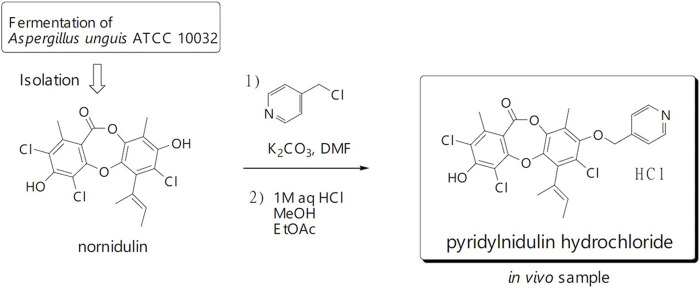
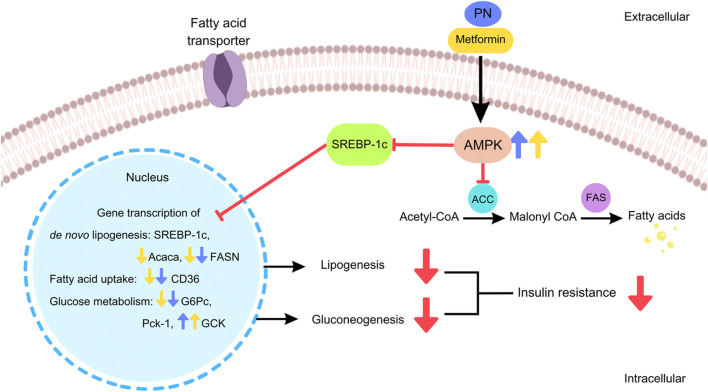
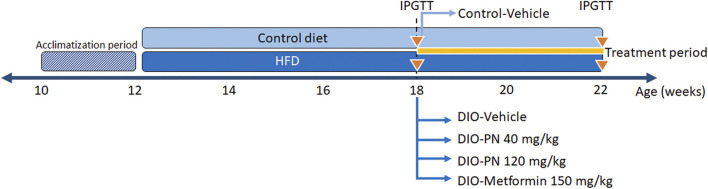
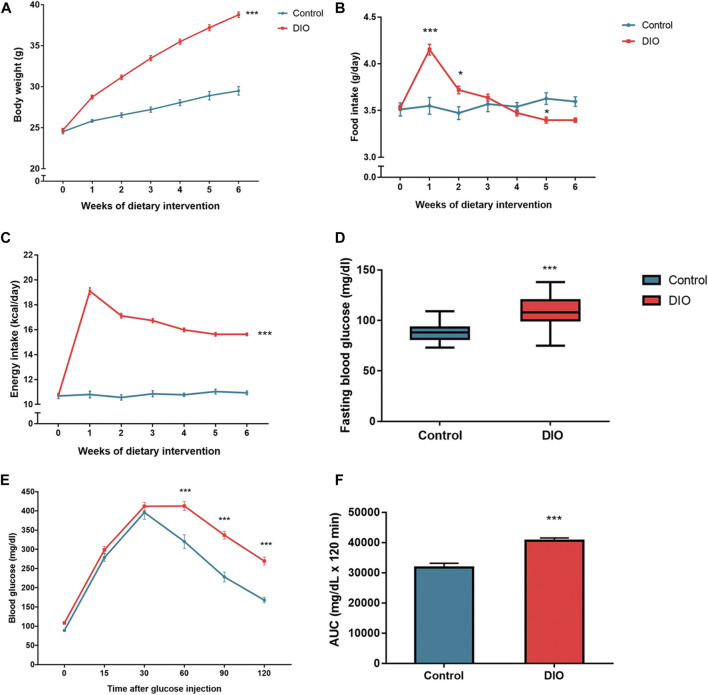
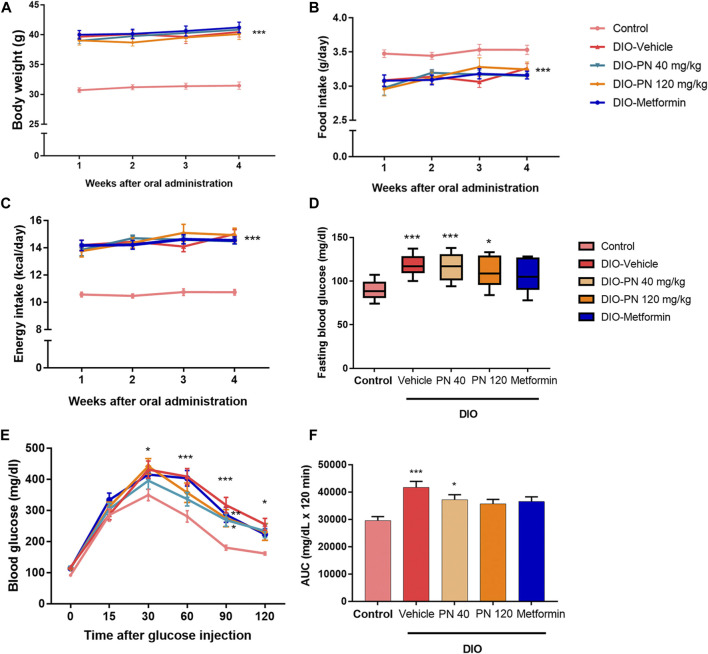
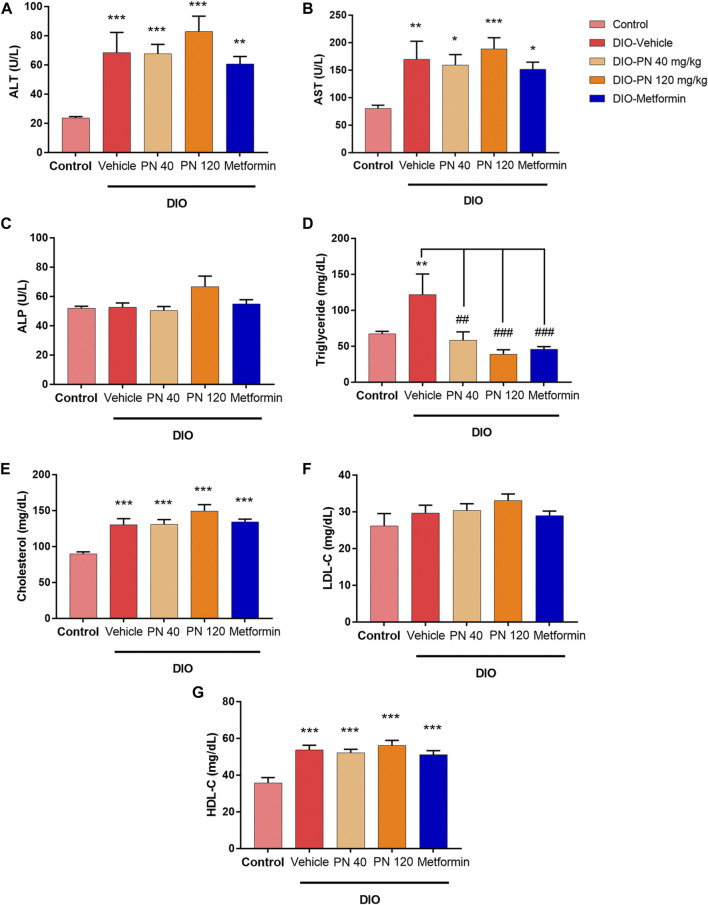
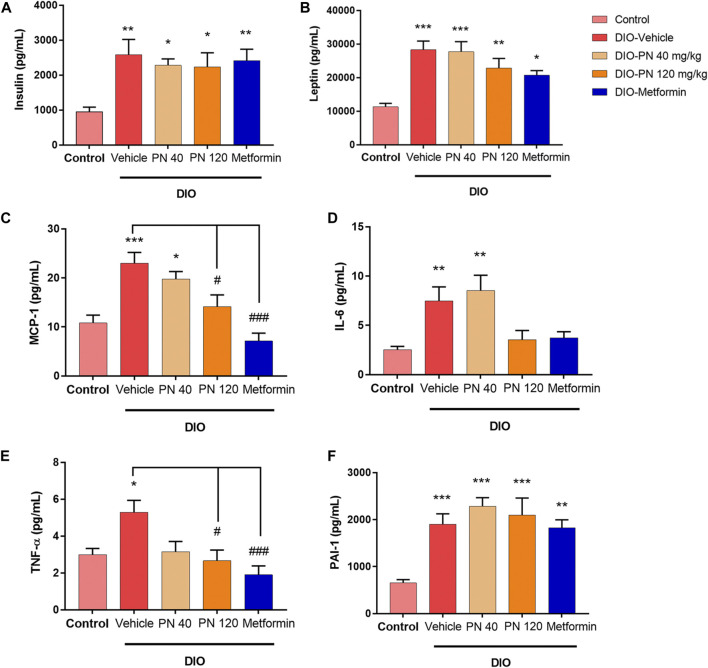
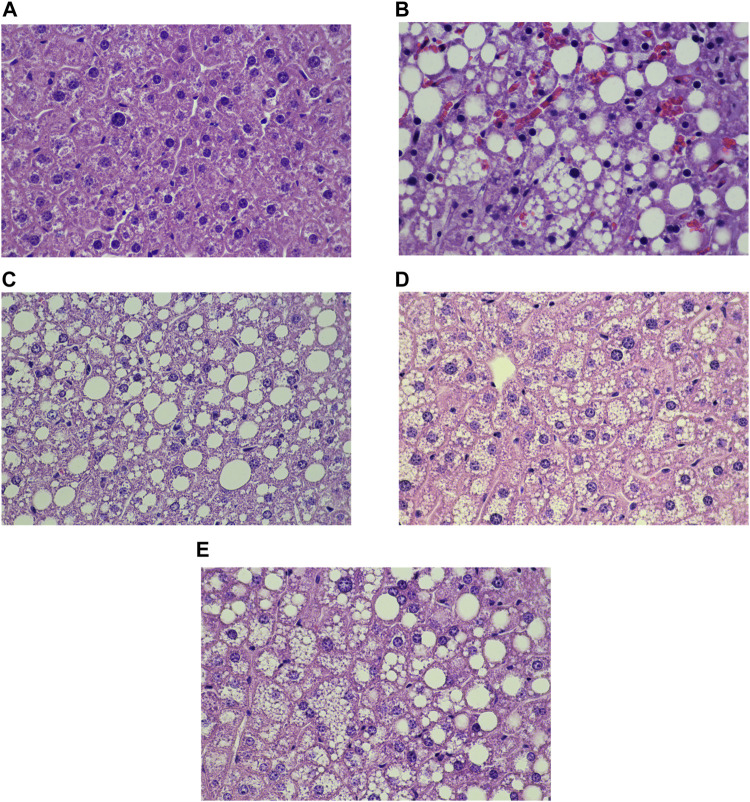
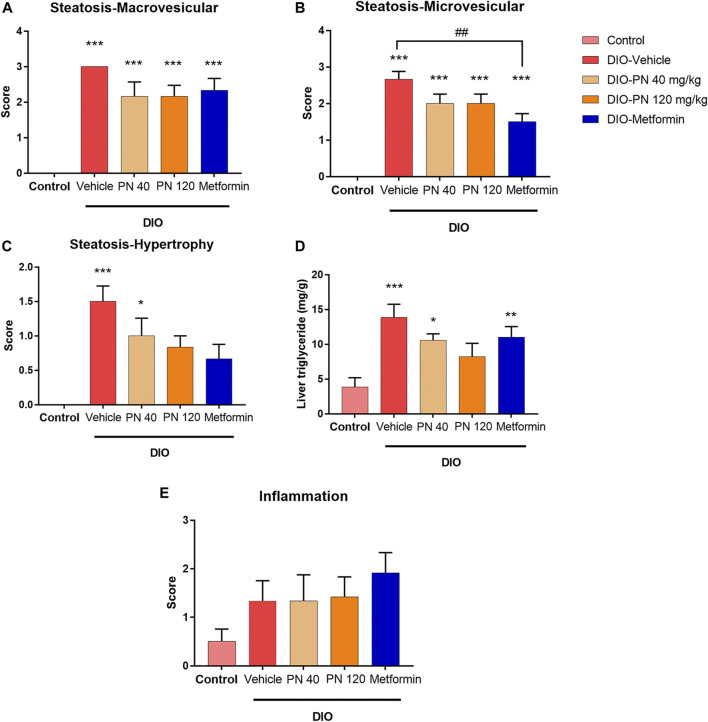
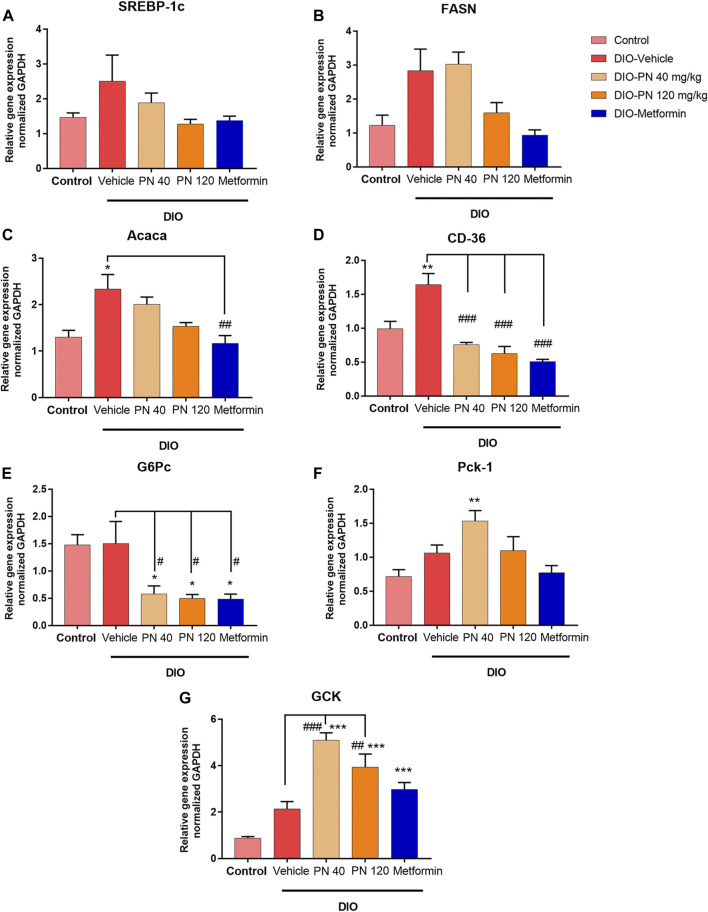
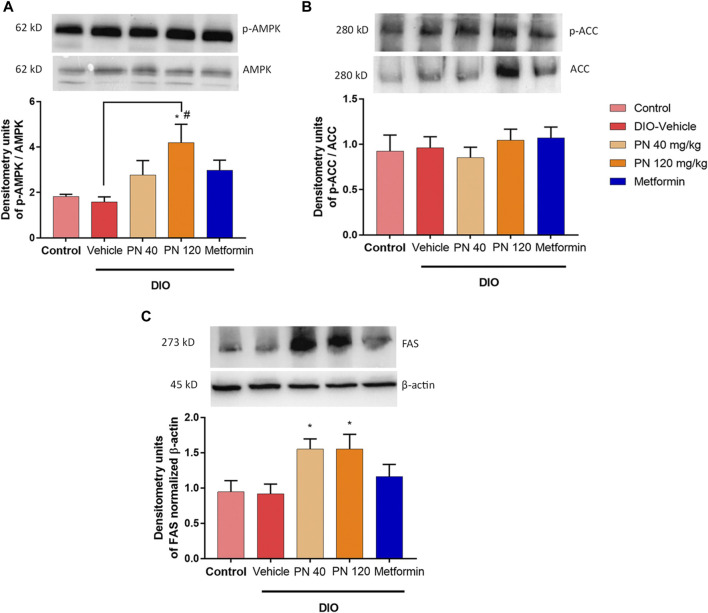
Non-alcoholic fatty liver disease (NAFLD) is one of the metabolic disorders related to the pathophysiology of type 2 diabetes mellitus (T2DM). Therapeutic strategies are focused on the improvement of energy balance and lifestyle modification. Additionally, the derivative of the bioactive fungal metabolite is of interest to provide health benefits, especially in obese and pre-diabetic conditions. In our screening of anti-diabetic compounds from fungal metabolites and semisynthetic derivatives, a depsidone derivative, namely pyridylnidulin (PN), showed potent glucose uptake-inducing activity. The present study aimed to investigate the liver lipid metabolism and anti-diabetic properties of PN in diet-induced obesity mice. Male C57BL/6 mice were induced obesity and pre-diabetic conditions by dietary intervention with a high-fat diet (HFD) for 6 weeks. These obese mice were orally administered with PN (40 or 120 mg/kg), metformin (150 mg/kg), or vehicle for 4 weeks. Glucose tolerance, plasma adipocytokines, hepatic gene and protein expressions were assessed after treatment. Improved glucose tolerance and reduced fasting blood glucose levels were found in the PN and metformin-treated mice. Additionally, hepatic triglyceride levels were consistent with the histopathological steatosis score regarding hepatocellular hypertrophy in the PN and metformin groups. The levels of plasma adipocytokines such as tumor necrosis factor-α (TNF-α) and monocyte chemoattractant protein-1 (MCP-1) were reduced in the PN (120 mg/kg) and metformin-treated mice. In addition, hepatic gene expression involved in lipid metabolism, including lipogenic enzymes was significantly reduced in the PN (120 mg/kg) and metformin-treated mice. The increased protein expression levels of phosphorylated AMP-activated protein kinase (p-AMPK) was also found in PN and metformin-treated mice. Considering the increased p-AMPK protein expression levels in PN and metformin-treated mice were revealed as the underlying mechanisms to improve metabolic parameters. These results suggested that PN provided the health benefit to slow the progression of NAFLD and T2DM in obese and pre-diabetic conditions.
非酒精性脂肪性肝病(NAFLD)是与2型糖尿病(T2DM)病理生理学相关的代谢紊乱之一。治疗策略集中在改善能量平衡和改变生活方式。此外,生物活性真菌代谢产物的衍生物因其对健康有益而受到关注,尤其是在肥胖和糖尿病前期状态下。在我们从真菌代谢产物和半合成衍生物中筛选抗糖尿病化合物的过程中,一种缩酚酸酮衍生物,即吡啶基尼杜林(PN),显示出强大的诱导葡萄糖摄取活性。本研究旨在探讨PN对饮食诱导肥胖小鼠肝脏脂质代谢和抗糖尿病特性的影响。雄性C57BL/6小鼠通过高脂饮食(HFD)干预6周诱导肥胖和糖尿病前期状态。这些肥胖小鼠口服给予PN(40或120mg/kg)、二甲双胍(150mg/kg)或赋形剂4周。治疗后评估葡萄糖耐量、血浆脂肪细胞因子、肝脏基因和蛋白质表达。在PN和二甲双胍治疗的小鼠中发现葡萄糖耐量改善和空腹血糖水平降低。此外,PN组和二甲双胍组的肝脏甘油三酯水平与肝细胞肥大的组织病理学脂肪变性评分一致。在PN(120mg/kg)和二甲双胍治疗的小鼠中,血浆脂肪细胞因子如肿瘤坏死因子-α(TNF-α)和单核细胞趋化蛋白-1(MCP-1)的水平降低。此外,在PN(120mg/kg)和二甲双胍治疗的小鼠中,参与脂质代谢的肝脏基因表达,包括生脂酶,显著降低。在PN和二甲双胍治疗小鼠中还发现磷酸化AMP激活蛋白激酶(p-AMPK)的蛋白质表达水平增加。考虑到PN和二甲双胍治疗小鼠中p-AMPK蛋白质表达水平增加被揭示为改善代谢参数的潜在机制。这些结果表明,PN对肥胖和糖尿病前期状态下减缓NAFLD和T2DM的进展具有健康益处。