Jovanovic Aleksandra, Xu Bing, Zhu Chaoqun, Ren Di, Wang Hao, Krause-Hauch Meredith, Abel E Dale, Li Ji, Xiang Yang K
Department of Pharmacology, University of California at Davis, Davis, California, USA.
Veterans Affairs Northern California Health Care System, Mather, California, USA.
JACC Basic Transl Sci. 2023 Feb 22;8(6):638-655. doi: 10.1016/j.jacbts.2022.11.008. eCollection 2023 Jun.
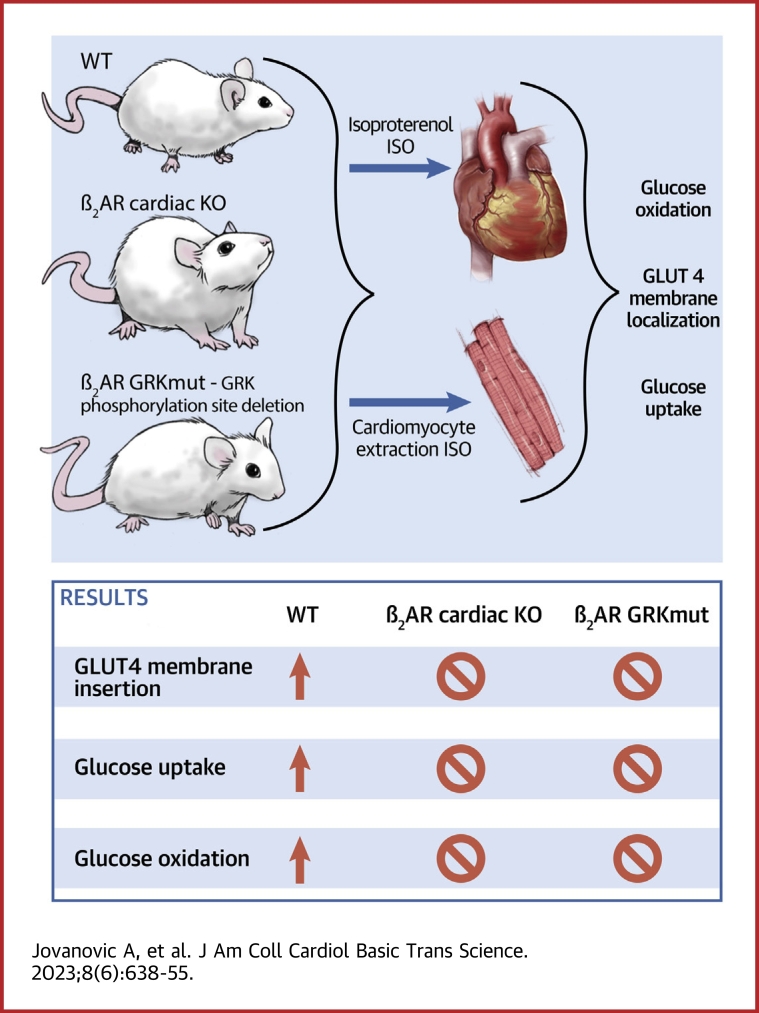
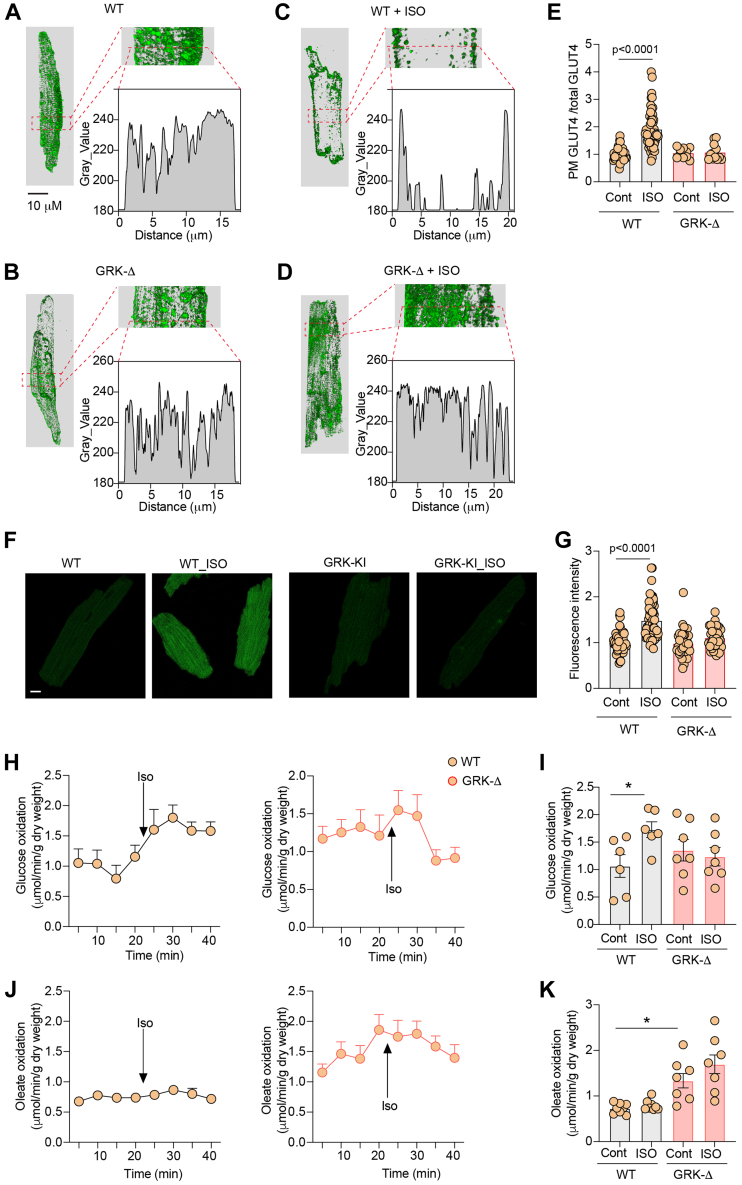
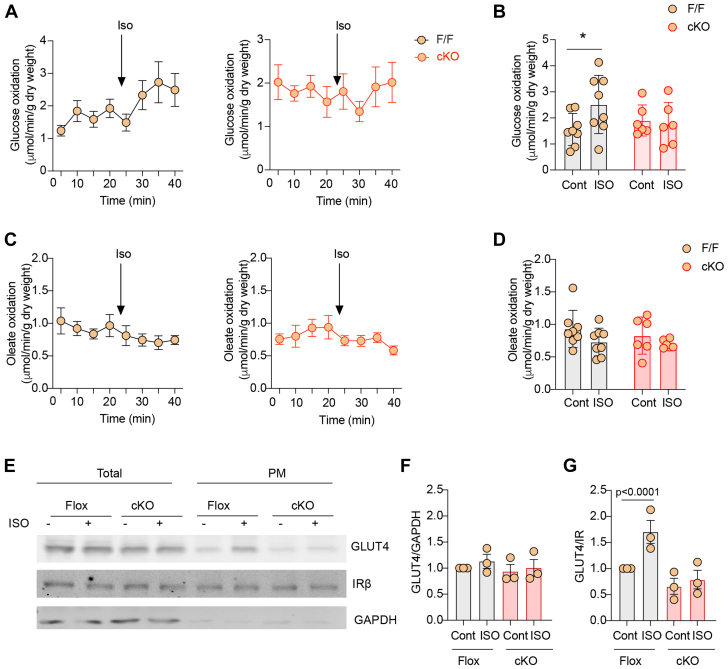
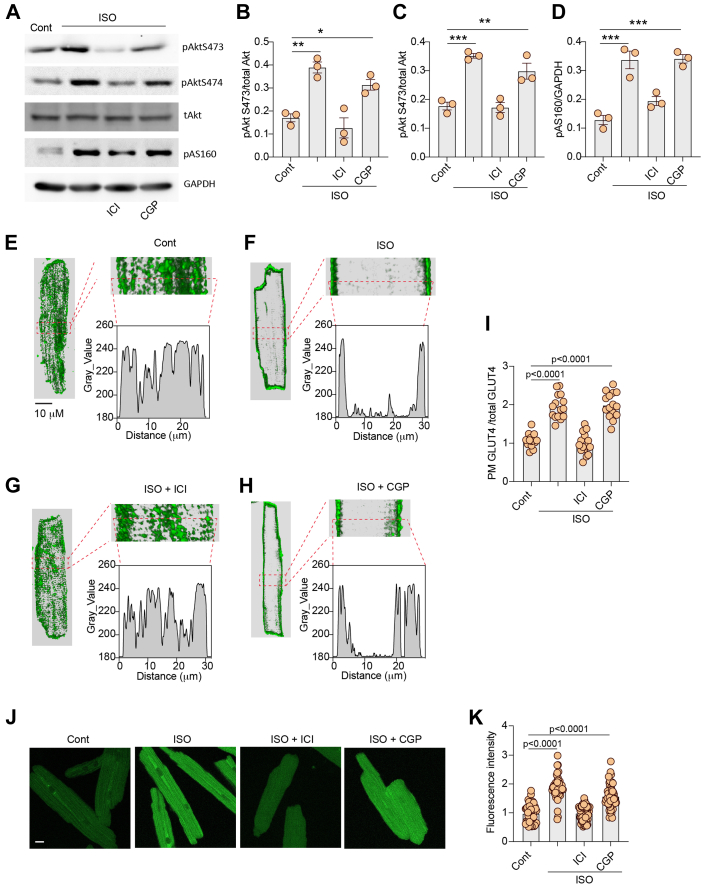
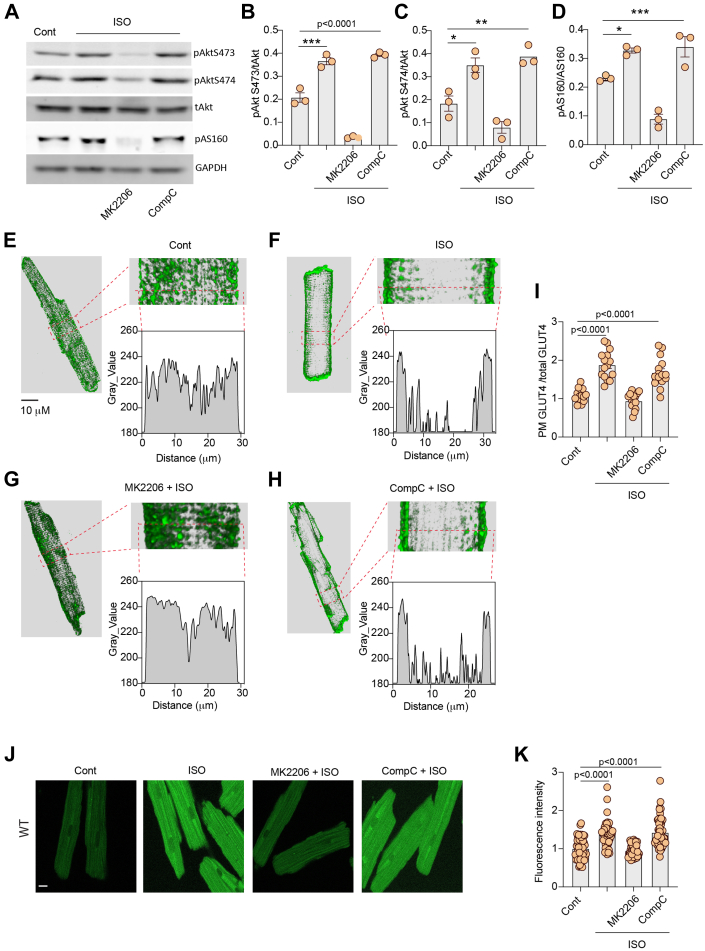
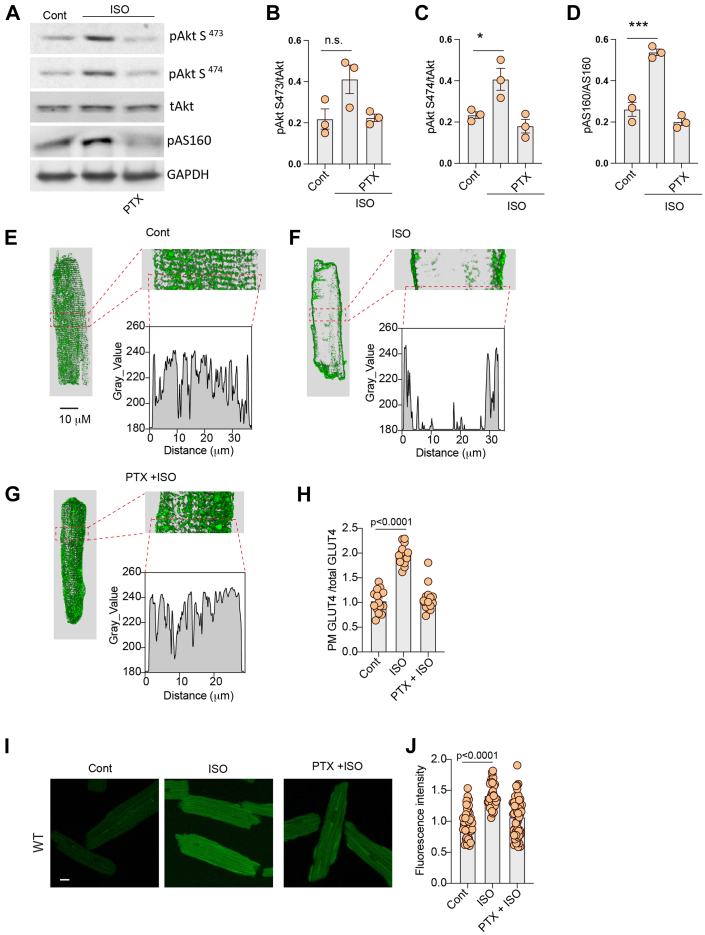
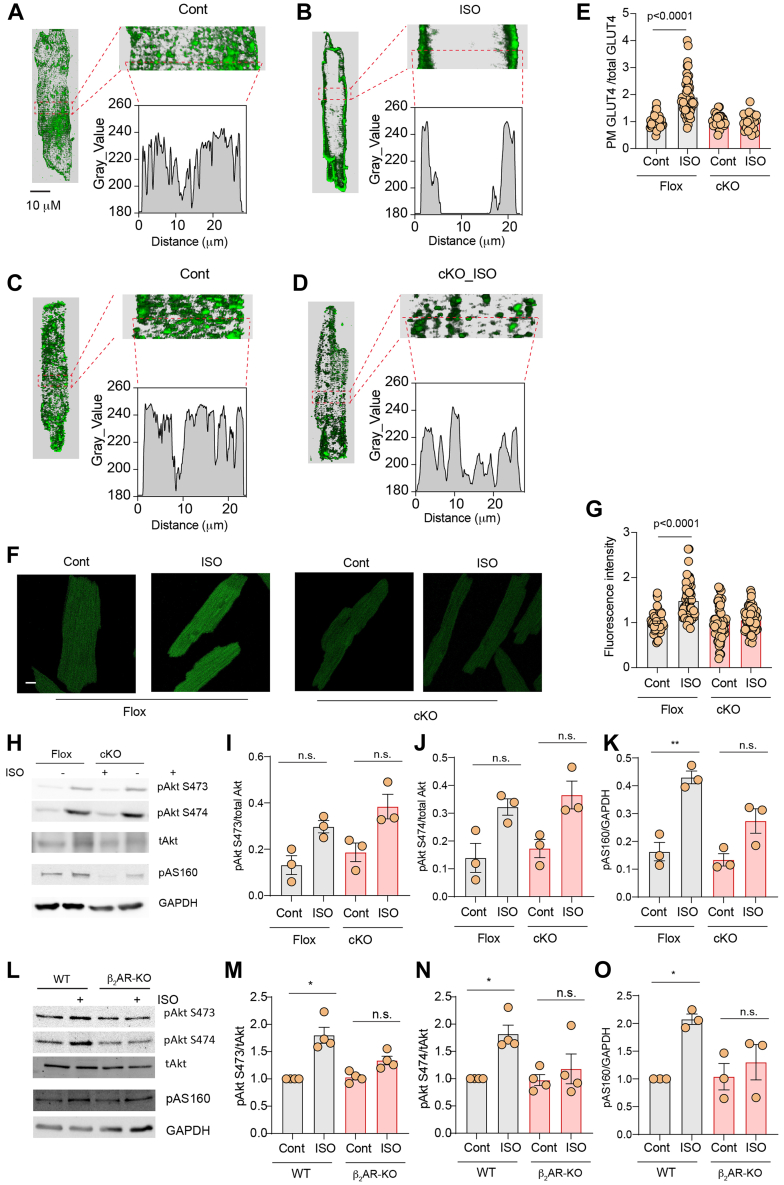
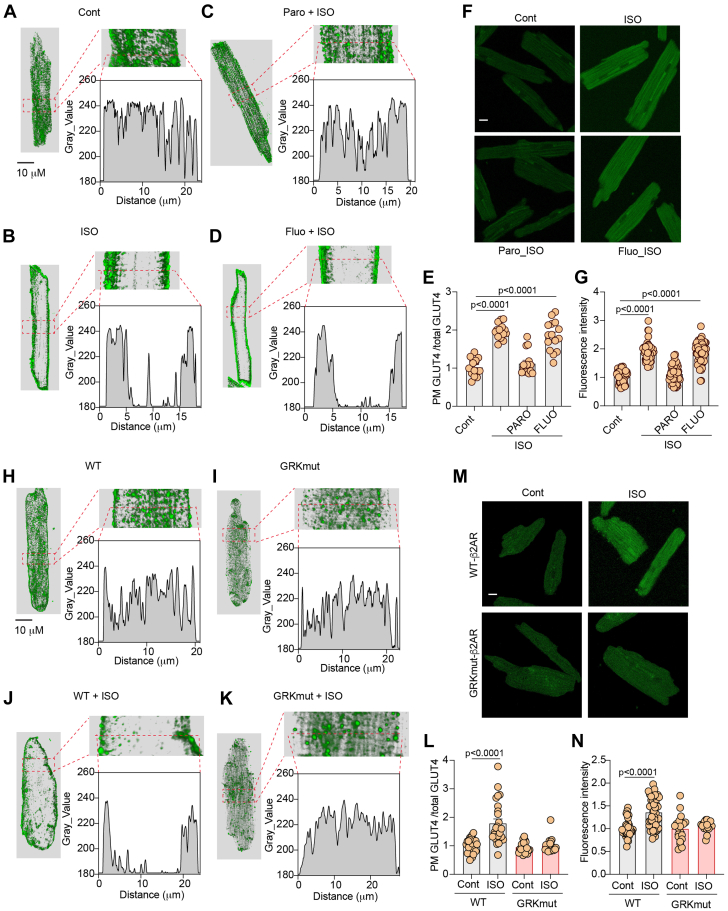
Whereas adrenergic stimulation promotes cardiac function that demands more fuel and energy, how this receptor controls cardiac glucose metabolism is not defined. This study shows that the cardiac β adrenoreceptor (βAR) is required to increase glucose transporter 4 (GLUT4)-mediated glucose uptake in myocytes and glucose oxidation in working hearts via activating the cardiac βAR and promotes the G inhibitory-phosphoinositide 3-kinase-protein kinase B cascade to increase phosphorylation of TBC1D4 (aka AS160), a Rab guanosine triphosphatase-activating protein, which is a key enzyme to mobilize GLUT4. Furthermore, deleting G-protein receptor kinase phosphorylation sites of βAR blocked adrenergic stimulation of GLUT4-mediated glucose uptake in myocytes and hearts. This study defines a molecular pathway that controls cardiac GLUT4-mediated glucose uptake and metabolism under adrenergic stimulation.
虽然肾上腺素能刺激可促进心脏功能,而这需要更多的燃料和能量,但该受体如何控制心脏葡萄糖代谢尚不清楚。本研究表明,心脏β肾上腺素能受体(βAR)通过激活心脏βAR,促进G抑制性磷酸肌醇3激酶-蛋白激酶B级联反应,以增加TBC1D4(又名AS160,一种Rab鸟苷三磷酸酶激活蛋白,是动员葡萄糖转运蛋白4(GLUT4)的关键酶)的磷酸化,从而增加心肌细胞中GLUT4介导的葡萄糖摄取以及工作心脏中的葡萄糖氧化。此外,删除βAR的G蛋白受体激酶磷酸化位点可阻断肾上腺素能对心肌细胞和心脏中GLUT4介导的葡萄糖摄取的刺激作用。本研究确定了一条在肾上腺素能刺激下控制心脏GLUT4介导的葡萄糖摄取和代谢的分子途径。