Department of Emergency Medicine, Shengjing Hospital of China Medical University, Shenyang, China.
Mol Med. 2023 Jul 11;29(1):95. doi: 10.1186/s10020-023-00690-x.
The main cause of high mortality from sepsis is that immunosuppression leads to life-threatening organ dysfunction, and reversing immunosuppression is key to sepsis treatment. Interferon γ (IFNγ) is a potential therapy for immunosuppression of sepsis, promoting glycolysis to restore metabolic defects in monocytes, but the mechanism of treatment is unclear.
To explore the immunotherapeutic mechanism of IFNγ, this study linked the Warburg effect (aerobic glycolysis) to immunotherapy for sepsis and used cecal ligation perforation (CLP) and lipopolysaccharide (LPS) to stimulate dendritic cells (DC) to establish in vivo and in vitro sepsis models, Warburg effect inhibitors (2-DG) and PI3K pathway inhibitors (LY294002) were used to explore the mechanism by which IFNγ regulates immunosuppression in mice with sepsis through the Warburg effect.
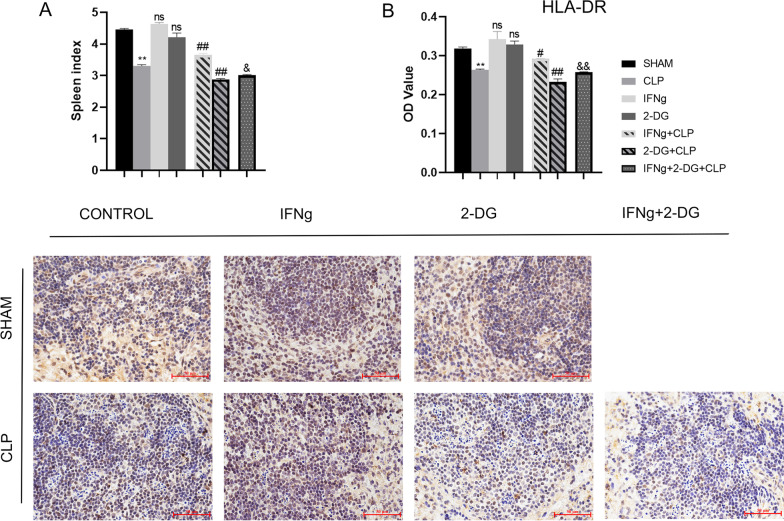
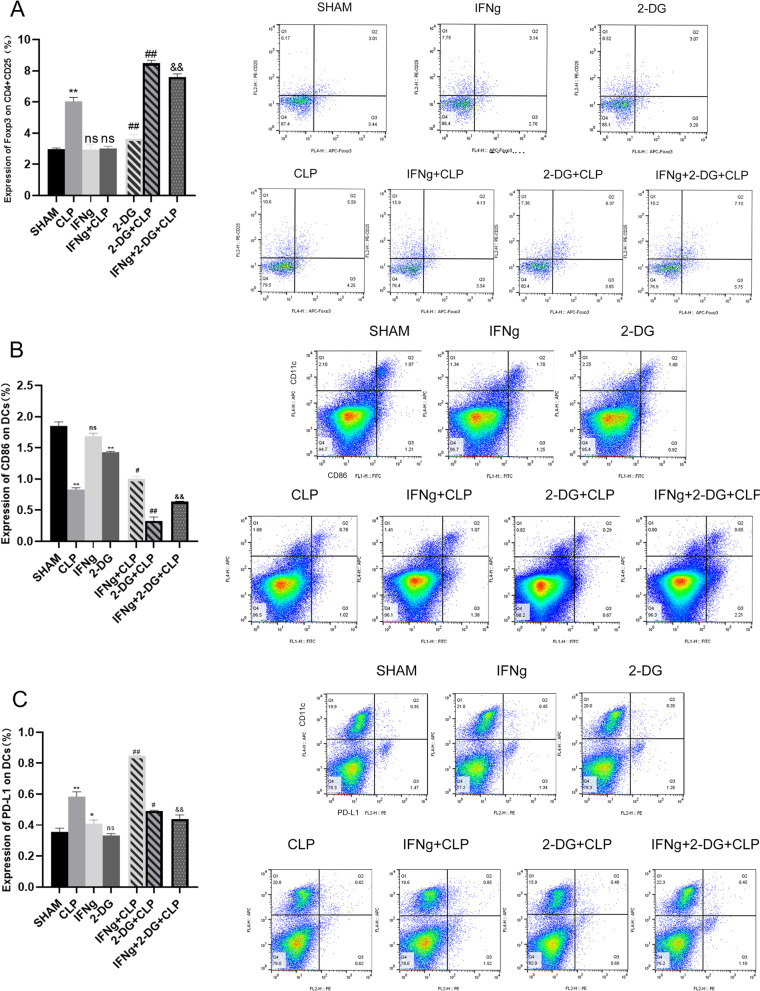
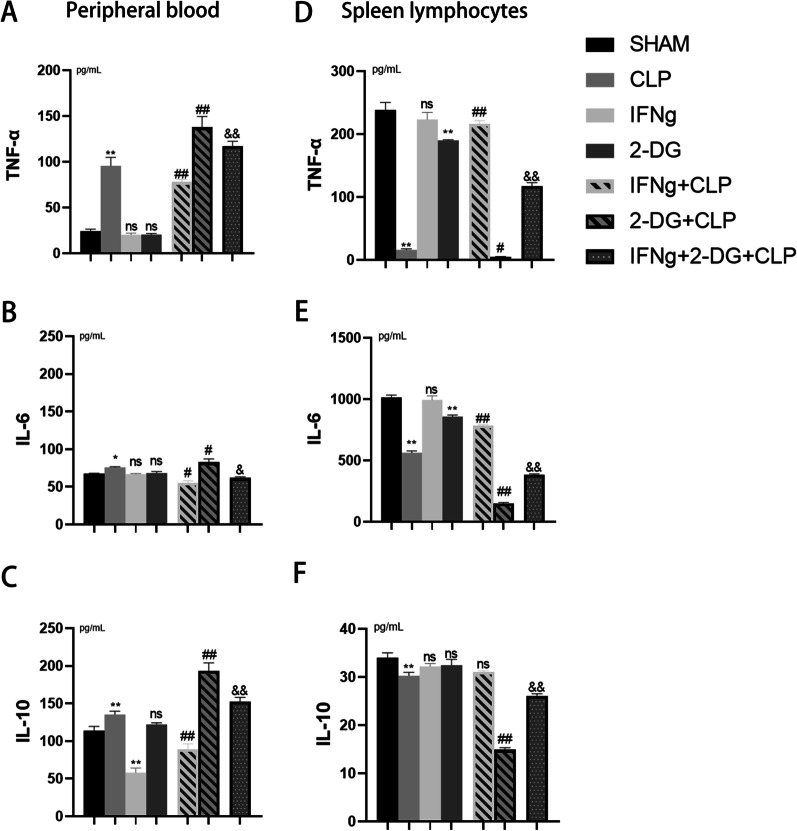
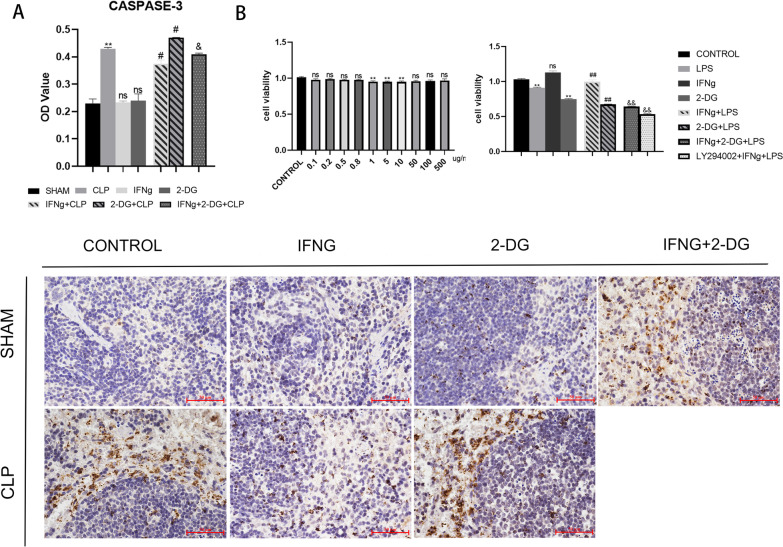
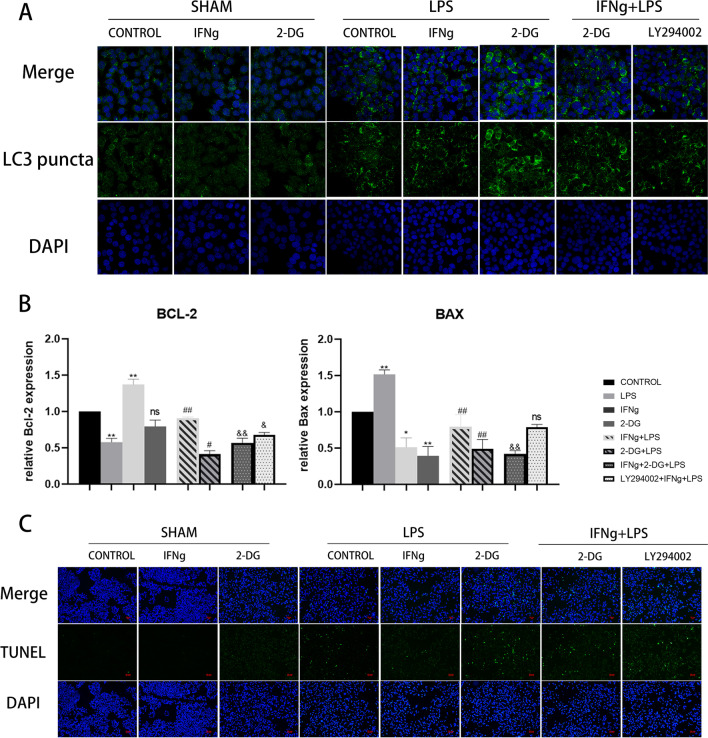
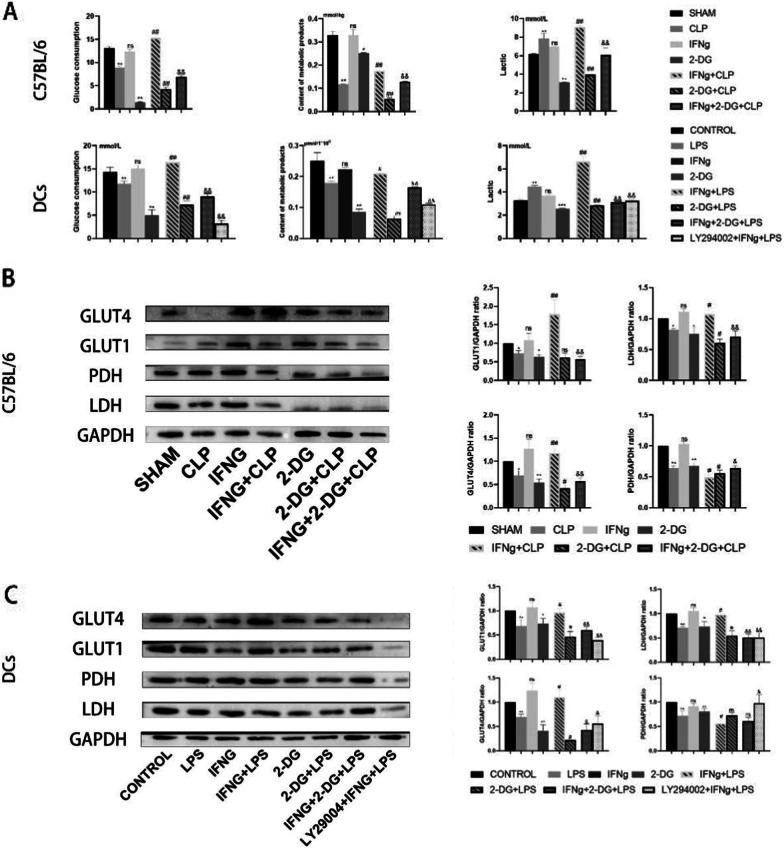
IFNγ markedly inhibited the reduction in cytokine secretion from lipopolysaccharide (LPS)-stimulated splenocytes. IFNγ-treated mice had significantly increased the percentages of positive costimulatory receptor CD86 on Dendritic cells expressing and expression of splenic HLA-DR. IFNγ markedly reduced DC-cell apoptosis by upregulating the expression of Bcl-2 and downregulating the expression of Bax. CLP-induced formation of regulatory T cells in the spleen was abolished in IFNγ -treated mice. IFNγ treatment reduced the expression of autophagosomes in DC cells. IFNγ significant reduce the expression of Warburg effector-related proteins PDH, LDH, Glut1, and Glut4, and promote glucose consumption, lactic acid, and intracellular ATP production. After the use of 2-DG to suppress the Warburg effect, the therapeutic effect of IFNγ was suppressed, demonstrating that IFNγ reverses immunosuppression by promoting the Warburg effect. Moreover, IFNγ increased the expression of phosphoinositide 3-kinases (PI3K), protein kinase B (Akt), rapamycin target protein (mTOR), hypoxia-inducible factor-1 (HIF-1α), pyruvate dehydrogenase kinase (PDK1) protein, the use of 2-DG and LY294002 can inhibit the expression of the above proteins, LY294002 also inhibits the therapeutic effect of IFNγ.
It was finally proved that IFNγ promoted the Warburg effect through the PI3K/Akt/mTOR pathway to reverse the immunosuppression caused by sepsis. This study elucidates the potential mechanism of the immunotherapeutic effect of IFNγ in sepsis, providing a new target for the treatment of sepsis.
脓毒症高死亡率的主要原因是免疫抑制导致危及生命的器官功能障碍,逆转免疫抑制是脓毒症治疗的关键。干扰素 γ(IFNγ)是治疗脓毒症免疫抑制的一种潜在疗法,它促进糖酵解以恢复单核细胞的代谢缺陷,但治疗机制尚不清楚。
为了探索 IFNγ 的免疫治疗机制,本研究将有氧糖酵解(Warburg 效应)与脓毒症免疫治疗联系起来,使用盲肠结扎穿孔(CLP)和脂多糖(LPS)刺激树突状细胞(DC),建立体内和体外脓毒症模型,使用 2-脱氧葡萄糖(2-DG)和 PI3K 通路抑制剂(LY294002)来探讨 IFNγ 通过 Warburg 效应调节脓毒症小鼠免疫抑制的机制。
IFNγ 显著抑制脂多糖(LPS)刺激的脾细胞细胞因子分泌减少。IFNγ 处理的小鼠中,表达 HLA-DR 的树突状细胞上共刺激受体 CD86 的阳性率和表达显著增加。IFNγ 通过上调 Bcl-2 和下调 Bax 的表达,显著减少 DC 细胞凋亡。IFNγ 处理的小鼠中,CLP 诱导的脾调节性 T 细胞的形成被消除。IFNγ 处理降低了 DC 细胞中的自噬体表达。IFNγ 显著降低 Warburg 效应相关蛋白 PDH、LDH、Glut1 和 Glut4 的表达,并促进葡萄糖消耗、乳酸和细胞内 ATP 的产生。使用 2-DG 抑制 Warburg 效应后,IFNγ 的治疗效果受到抑制,表明 IFNγ 通过促进 Warburg 效应来逆转免疫抑制。此外,IFNγ 增加了磷酸肌醇 3-激酶(PI3K)、蛋白激酶 B(Akt)、雷帕霉素靶蛋白(mTOR)、缺氧诱导因子-1(HIF-1α)、丙酮酸脱氢酶激酶(PDK1)蛋白的表达,使用 2-DG 和 LY294002 可以抑制上述蛋白的表达,LY294002 也抑制 IFNγ 的治疗效果。
最终证明 IFNγ 通过 PI3K/Akt/mTOR 通路促进 Warburg 效应,逆转脓毒症引起的免疫抑制。本研究阐明了 IFNγ 在脓毒症中的免疫治疗作用的潜在机制,为脓毒症的治疗提供了新的靶点。