Department of Immunobiology, Yale University School of Medicine, New Haven, CT, USA.
School of Life Sciences, Arizona State University, Tempe, AZ, USA.
Nature. 2023 Aug;620(7974):643-650. doi: 10.1038/s41586-023-06362-4. Epub 2023 Jul 12.
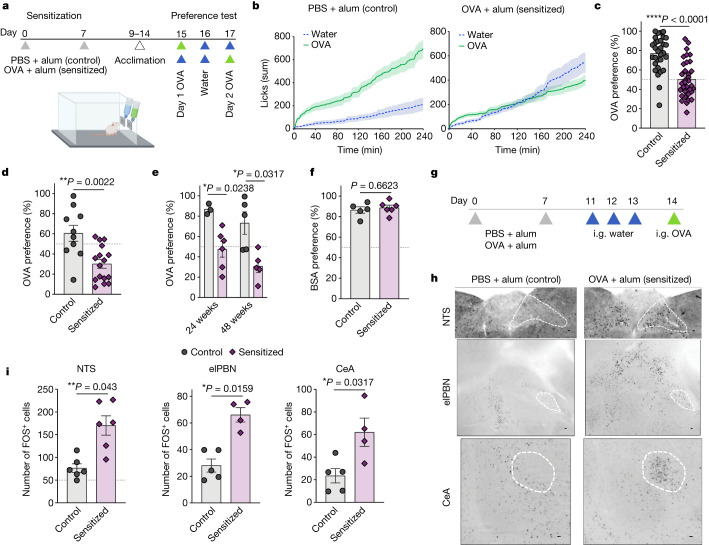
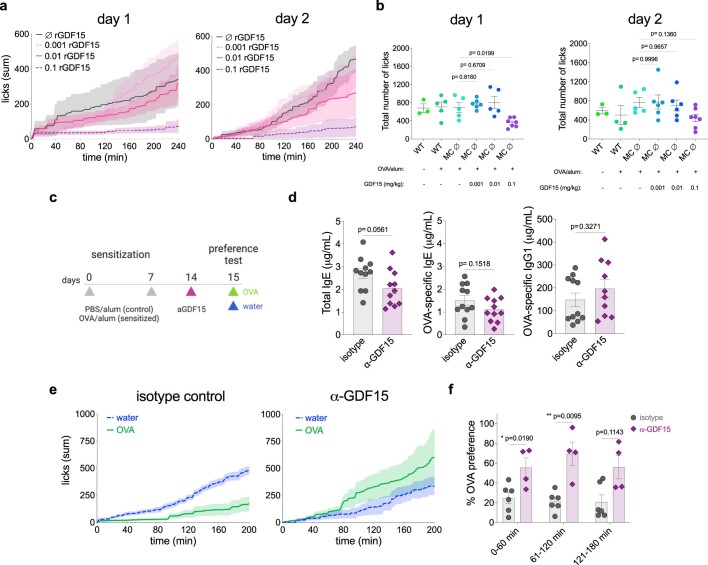
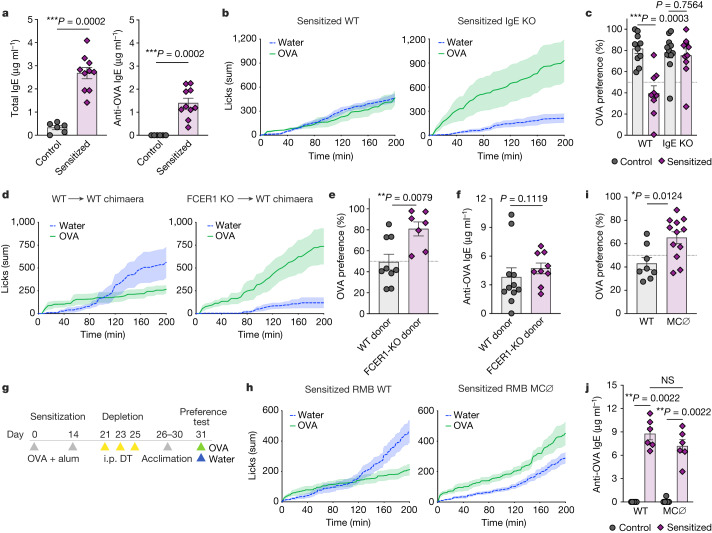
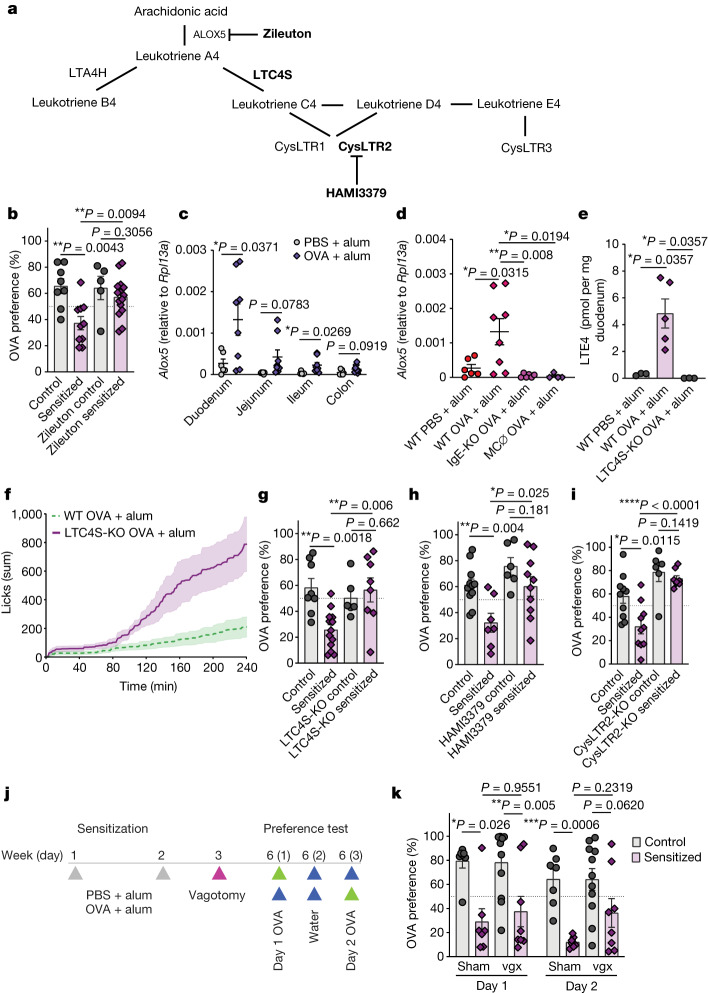
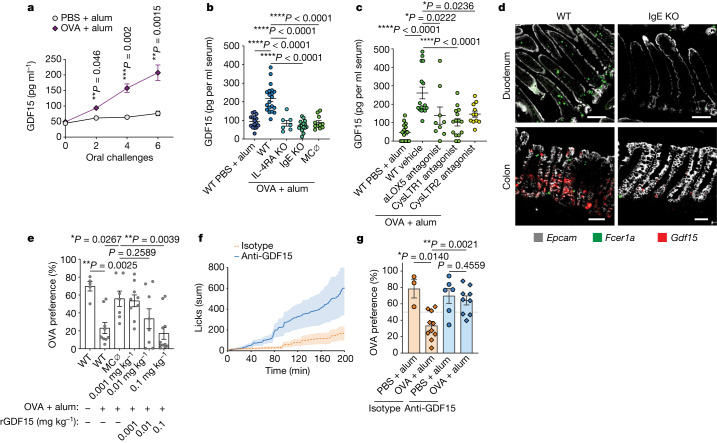
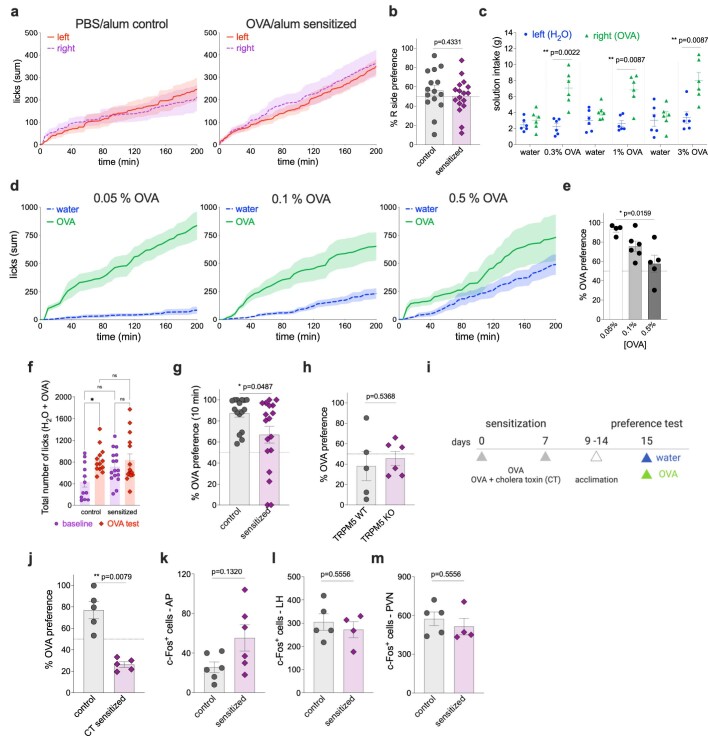
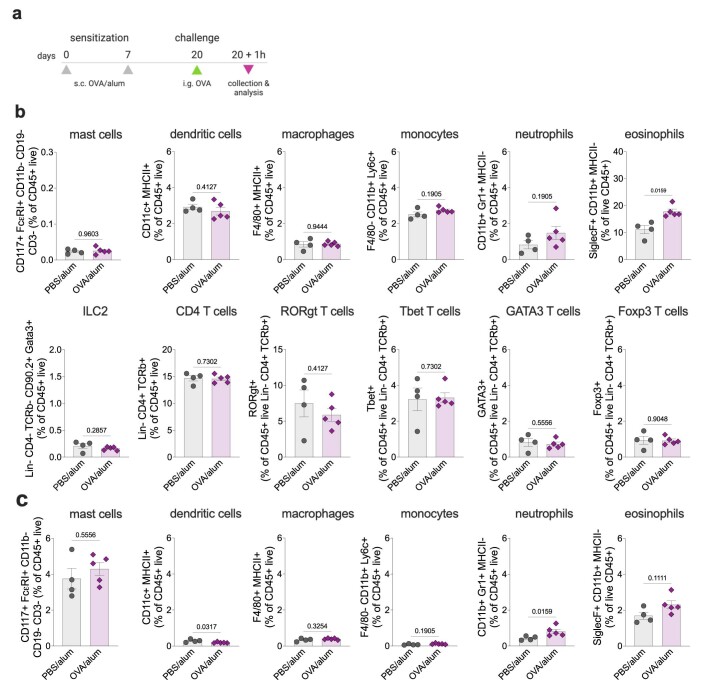
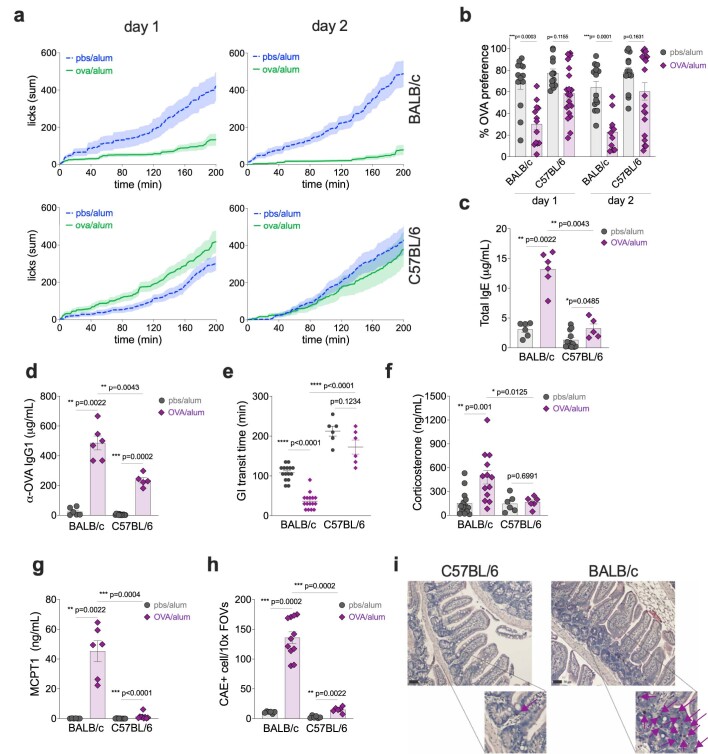
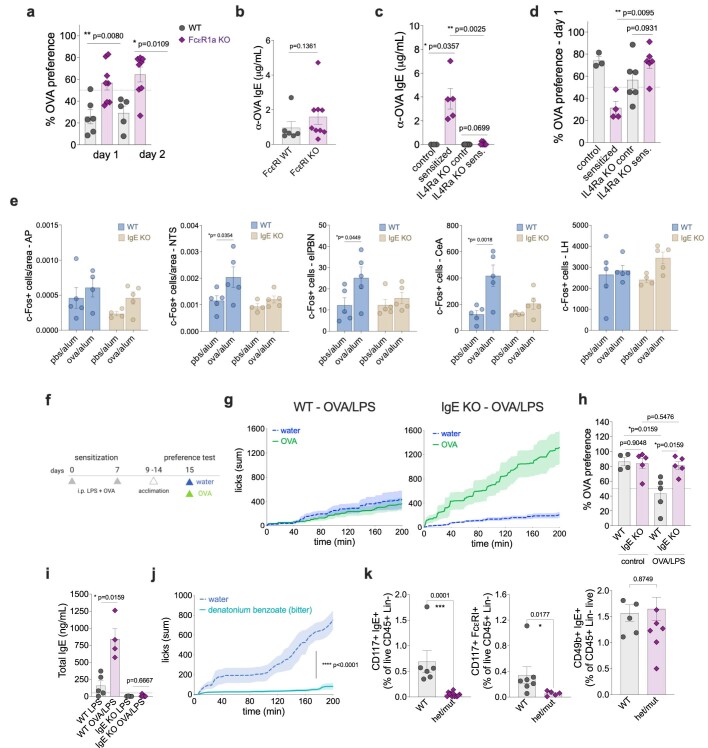
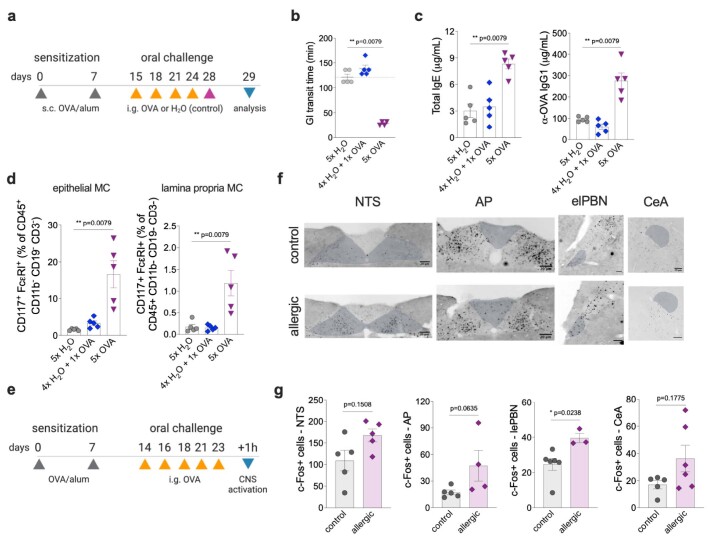
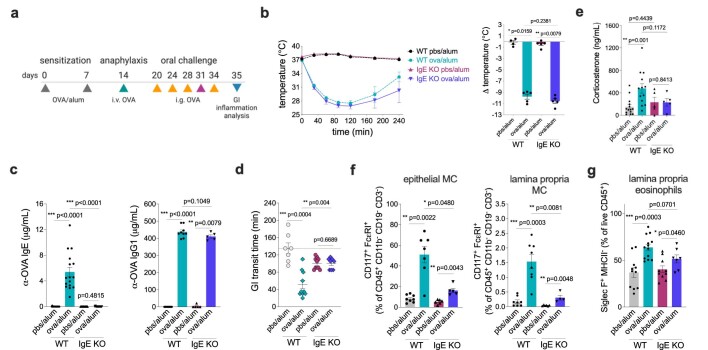
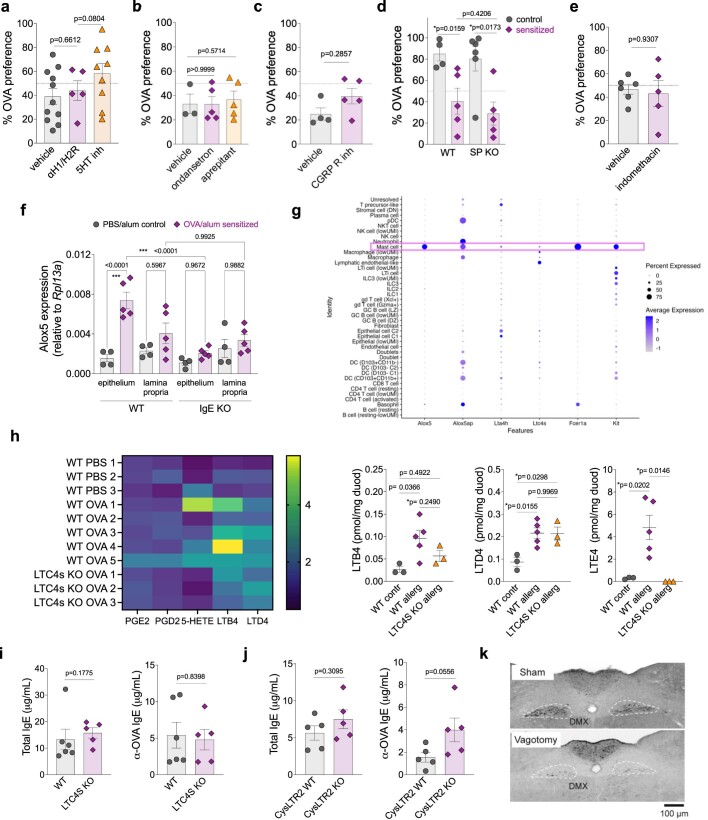
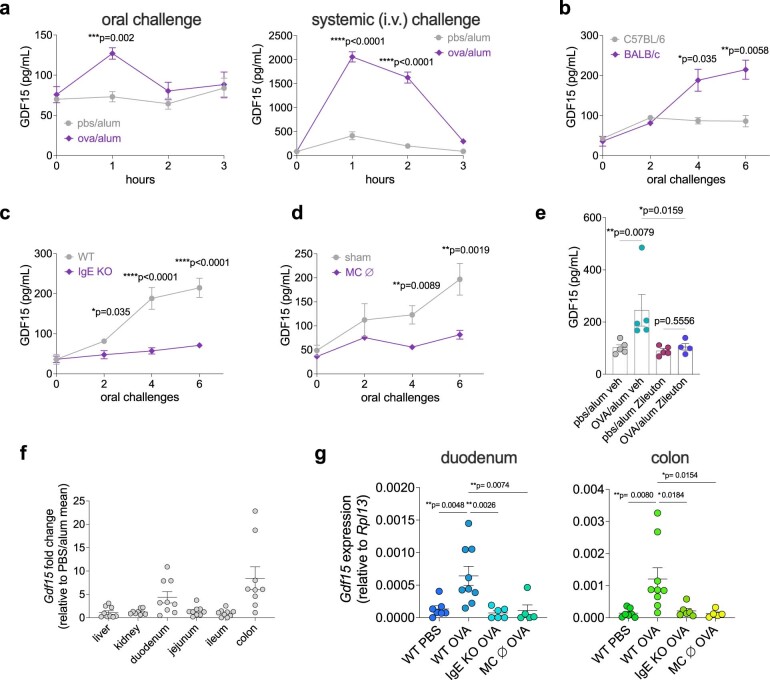
In addition to its canonical function of protection from pathogens, the immune system can also alter behaviour. The scope and mechanisms of behavioural modifications by the immune system are not yet well understood. Here, using mouse models of food allergy, we show that allergic sensitization drives antigen-specific avoidance behaviour. Allergen ingestion activates brain areas involved in the response to aversive stimuli, including the nucleus of tractus solitarius, parabrachial nucleus and central amygdala. Allergen avoidance requires immunoglobulin E (IgE) antibodies and mast cells but precedes the development of gut allergic inflammation. The ability of allergen-specific IgE and mast cells to promote avoidance requires cysteinyl leukotrienes and growth and differentiation factor 15. Finally, a comparison of C57BL/6 and BALB/c mouse strains revealed a strong effect of the genetic background on the avoidance behaviour. These findings thus point to antigen-specific behavioural modifications that probably evolved to promote niche selection to avoid unfavourable environments.
除了其作为病原体保护的常规功能外,免疫系统还可以改变行为。免疫系统对行为的改变的范围和机制尚不完全清楚。在这里,我们使用食物过敏的小鼠模型表明,过敏致敏会导致抗原特异性回避行为。过敏原摄入会激活参与对厌恶刺激反应的大脑区域,包括孤束核、臂旁核和杏仁中央核。过敏原回避需要免疫球蛋白 E(IgE)抗体和肥大细胞,但先于肠道过敏炎症的发展。过敏原特异性 IgE 和肥大细胞促进回避的能力需要半胱氨酰白三烯和生长分化因子 15。最后,对 C57BL/6 和 BALB/c 两种小鼠品系的比较表明,遗传背景对回避行为有很强的影响。这些发现表明,抗原特异性的行为改变可能是为了促进小生境选择以避免不利环境而进化的。