Sanchez-Ballesta M Teresa, Marti-Anders Carmen, Álvarez M Dolores, Escribano M Isabel, Merodio Carmen, Romero Irene
Department of Characterization, Quality and Safety, Institute of Food Science, Technology and Nutrition (ICTAN-CSIC), Ciudad Universitaria, E-28040 Madrid, Spain.
Foods. 2023 Jul 6;12(13):2621. doi: 10.3390/foods12132621.
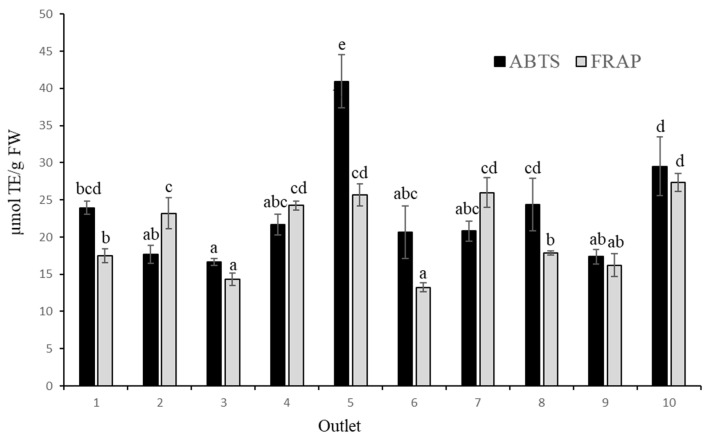
Blueberries ( L.) are becoming increasingly popular for their nutritional and health benefits, and their economic value is therefore increasing. The loss of quality that can occur due to softening and fungal attack is an important consideration when marketing blueberries. Despite the added value of blueberries, no studies have been carried out on how the fruit arrives at the outlets just before purchase by the consumer in terms of firmness, physico-chemical parameters, phenolic compounds, and fungal growth. The aim of this work has been, therefore, to investigate possible differences in quality parameters between blueberries purchased from ten different outlets, regardless of the supplier. The results showed that all the samples were of acceptable quality, although they all had a low maturity index at the point of sale. None of the samples studied showed clear signs of fungal decay at the time of purchase, although we were able to grow and identify some pathogen specimens after cultivation. In terms of total phenolic and anthocyanin content, as well as antioxidant activity, all the samples showed low values, possibly due to their postharvest storage, but they were within the expected range for this fruit. On the other hand, differences in the measured parameters were observed between samples of the same cultivar while no differences were found between conventionally and organically grown blueberries. This suggests that preharvest (such as edaphoclimatic conditions, agricultural practices, and cultivars) and postharvest factors (such as treatments used, storage, and transport temperatures) could influence the berry quality when they reach the consumer.
蓝莓(L.)因其营养和健康益处而越来越受欢迎,因此其经济价值也在不断提高。在销售蓝莓时,因软化和真菌感染导致的品质损失是一个重要的考虑因素。尽管蓝莓具有附加值,但尚未有研究探讨在消费者购买前,水果在到达销售点时在硬度、理化参数、酚类化合物和真菌生长方面的情况。因此,这项工作的目的是调查从十个不同销售点购买的蓝莓在品质参数上可能存在的差异,而不考虑供应商。结果表明,所有样品的质量都可以接受,尽管它们在销售时的成熟指数都较低。在所研究的样品中,没有一个在购买时显示出明显的真菌腐烂迹象,尽管我们在培养后能够培养并鉴定出一些病原体标本。就总酚和花青素含量以及抗氧化活性而言,所有样品的值都较低,这可能是由于它们的采后储存,但仍在该水果的预期范围内。另一方面,在同一品种的样品之间观察到了测量参数的差异,而在传统种植和有机种植的蓝莓之间未发现差异。这表明收获前因素(如土壤气候条件、农业实践和品种)和收获后因素(如使用的处理方法、储存和运输温度)在蓝莓到达消费者手中时可能会影响其果实品质。