Chemical Engineering Department, Universidade de Santiago de Compostela, Campus Vida, 15782 Santiago de Compostela, Spain.
School of Mechanical and Materials Engineering, University College Dublin, Stillorgan Rd, Belfield, Dublin 4, D04 V1W8 Dublin, Ireland.
Molecules. 2023 Jun 23;28(13):4937. doi: 10.3390/molecules28134937.
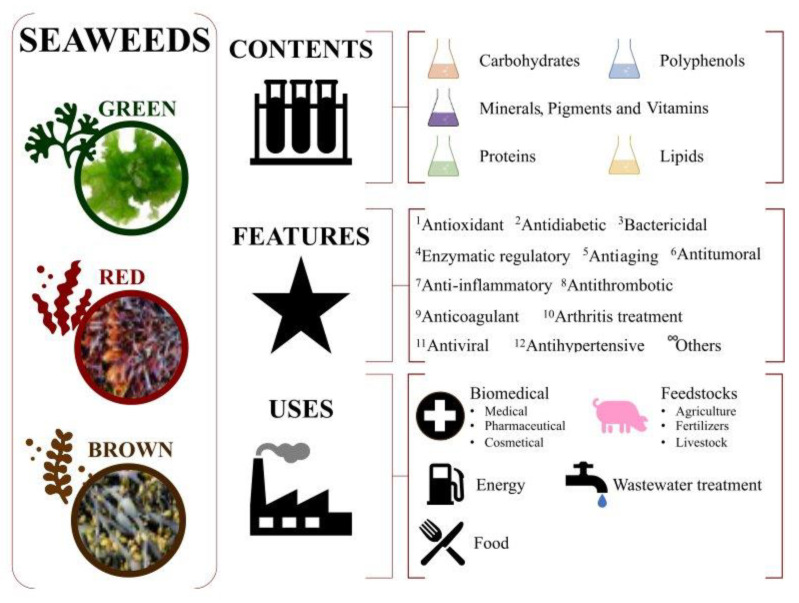
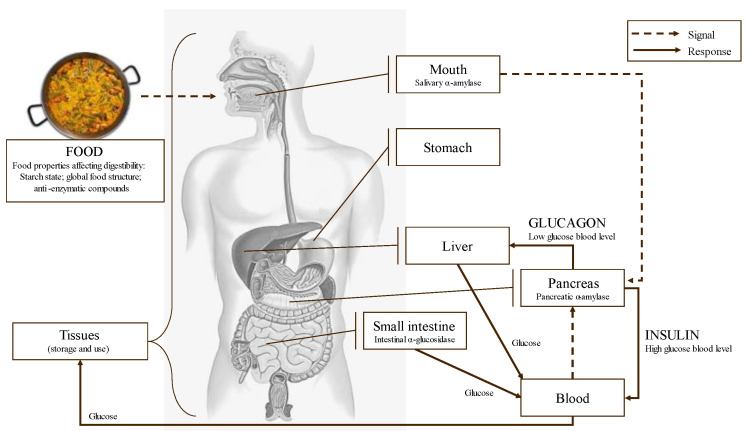
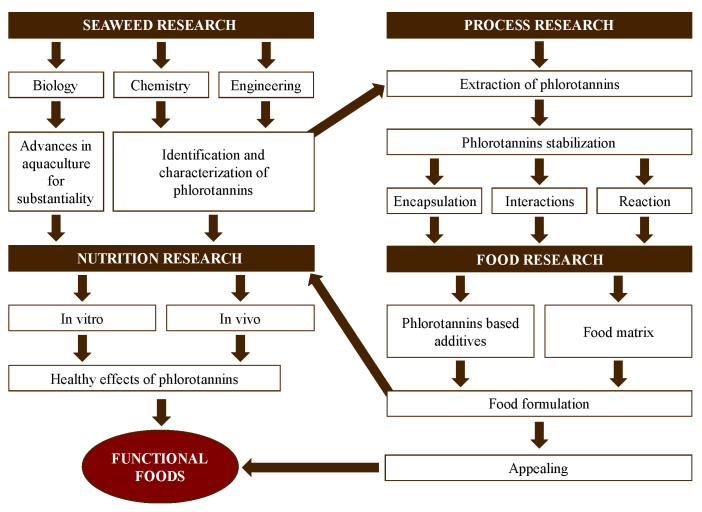
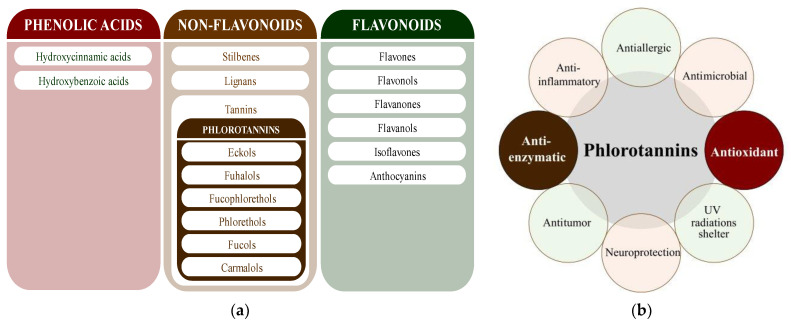
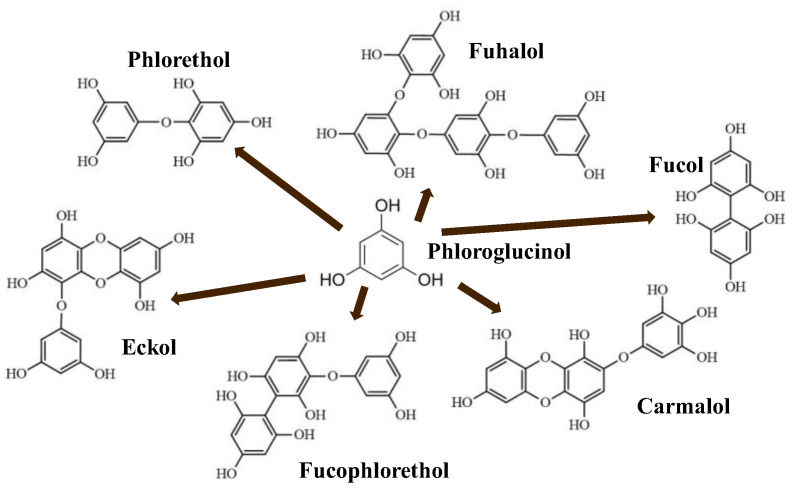
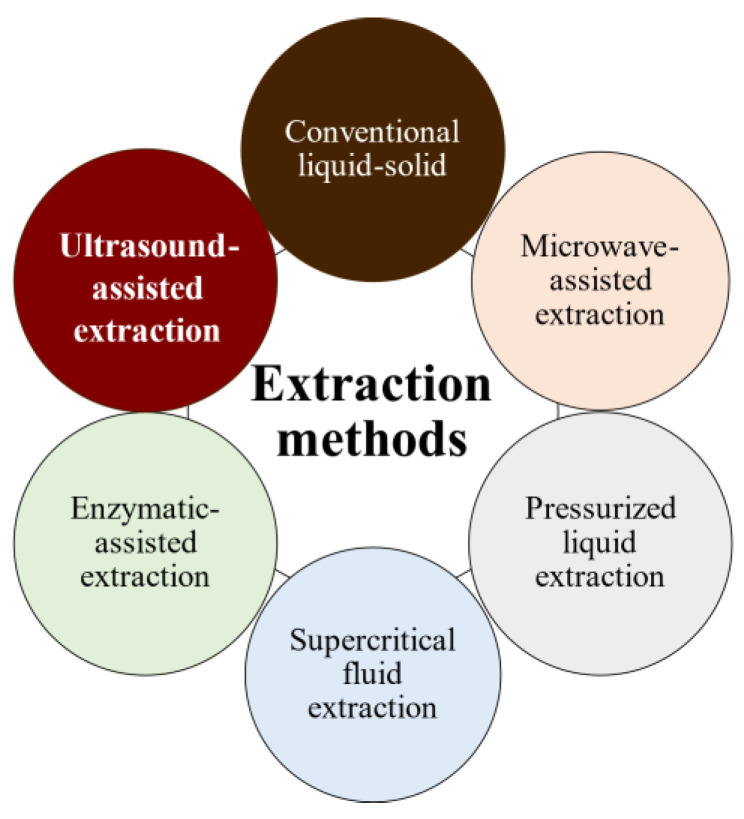
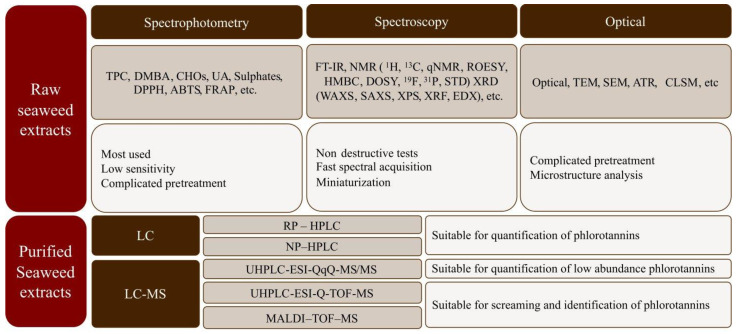
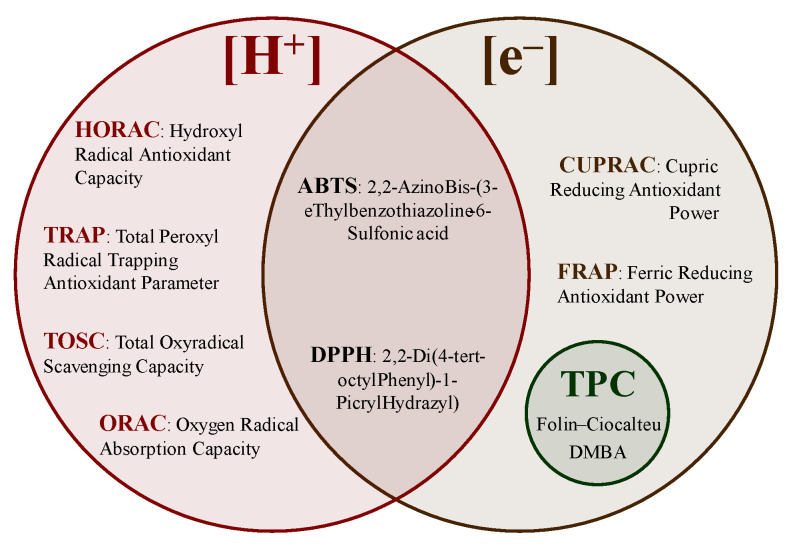
Seaweeds have gained considerable attention in recent years due to their potential health benefits and high contents of bioactive compounds. This review focuses on the exploration of seaweed's health-promoting properties, with particular emphasis on phlorotannins, a class of bioactive compounds known for their antioxidant and antidiabetic properties. Various novel and ecofriendly extraction methods, including solid-liquid extraction, ultrasound-assisted extraction, and microwave-assisted extraction are examined for their effectiveness in isolating phlorotannins. The chemical structure and isolation of phlorotannins are discussed, along with methods for their characterization, such as spectrophotometry, nuclear magnetic resonance, Fourier transform infrared spectroscopy, and chromatography. Special attention is given to the antioxidant activity of phlorotannins. The inhibitory capacities of polyphenols, specifically phlorotannins from against digestive enzymes, such as α-amylase and α-glucosidase, are explored. The results suggest that polyphenols from seaweed hold significant potential as enzyme inhibitors, although the inhibitory activity may vary depending on the extraction conditions and the specific enzyme involved. In conclusion, seaweed exhibits great potential as a functional food ingredient for promoting health and preventing chronic diseases. Overall, this review aims to condense a comprehensive collection of high-yield, low-cost, and ecofriendly extraction methods for obtaining phlorotannins with remarkable antioxidant and antidiabetic capacities.
近年来,由于海藻具有潜在的健康益处和丰富的生物活性化合物,因此受到了广泛关注。本综述重点探讨了海藻的促进健康的特性,特别是探讨了具有抗氧化和抗糖尿病特性的生物活性化合物——岩藻多酚。本文研究了各种新颖且环保的提取方法,包括固液萃取、超声辅助提取和微波辅助提取,以评估它们在分离岩藻多酚方面的有效性。讨论了岩藻多酚的化学结构和分离方法,以及它们的特征化方法,如分光光度法、核磁共振、傅里叶变换红外光谱和色谱法。特别关注了岩藻多酚的抗氧化活性。研究了多酚,特别是来自 的岩藻多酚对消化酶(如α-淀粉酶和α-葡萄糖苷酶)的抑制能力。结果表明,来自 海藻的多酚作为酶抑制剂具有很大的潜力,尽管抑制活性可能因提取条件和具体涉及的酶而异。总之,海藻作为促进健康和预防慢性疾病的功能性食品成分具有巨大的潜力。总的来说,本综述旨在总结出一套全面的、高产量、低成本和环保的提取方法,以获得具有显著抗氧化和抗糖尿病能力的岩藻多酚。