Department of Physiology, School of Integrative Medicine, Shanghai University of Traditional Chinese Medicine, Shanghai, China.
School of Rehabilitation Science, Shanghai University of Traditional Chinese Medicine, Shanghai, China.
Front Immunol. 2023 Jul 3;14:1185570. doi: 10.3389/fimmu.2023.1185570. eCollection 2023.
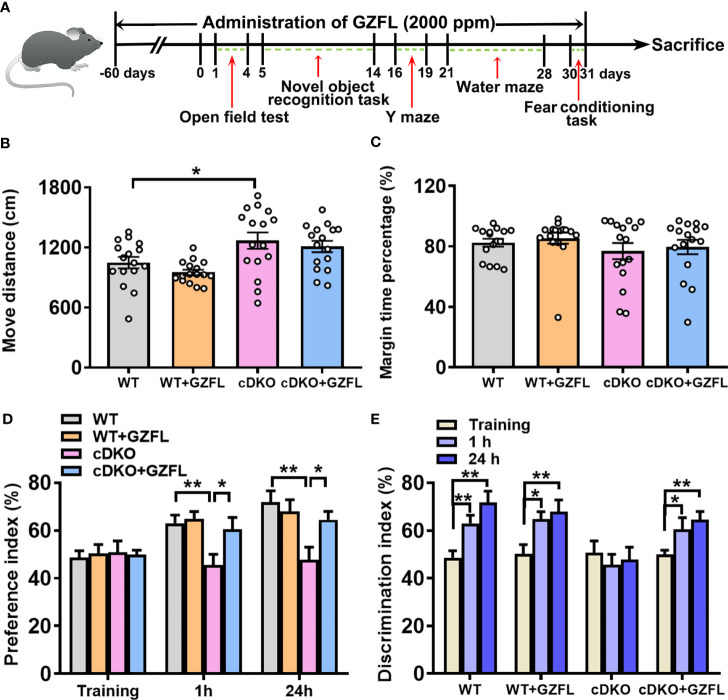
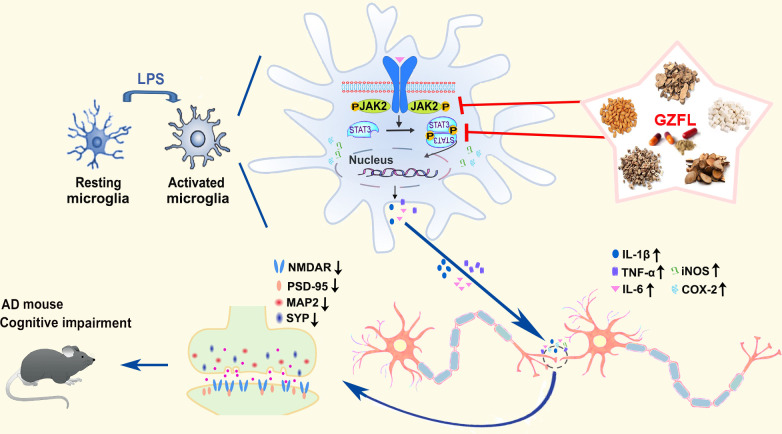
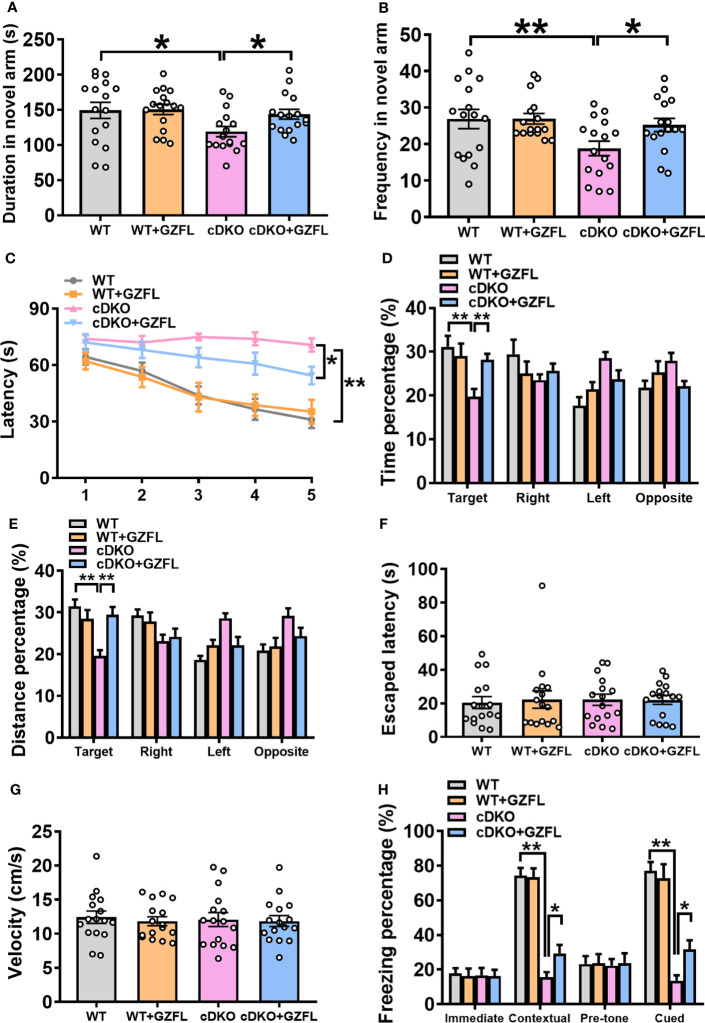
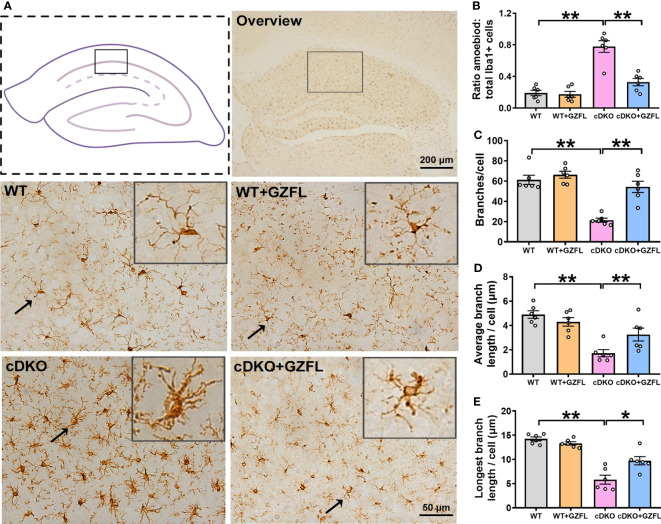
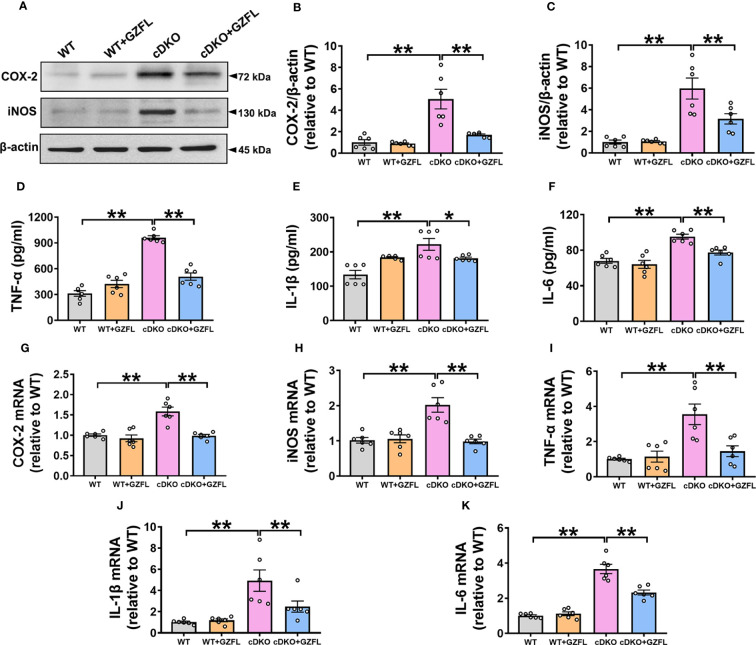
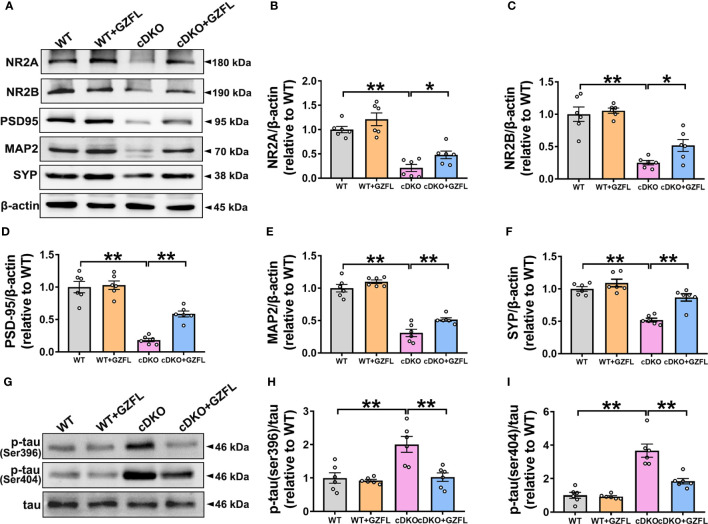
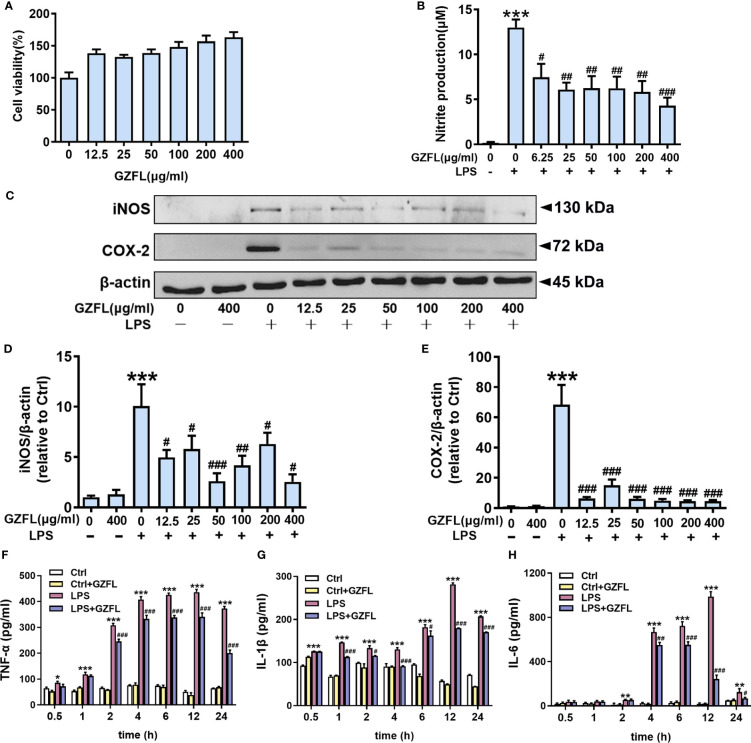
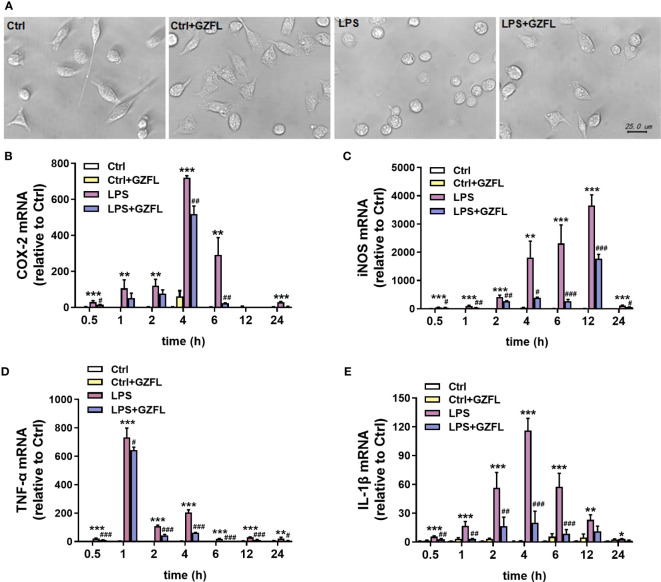
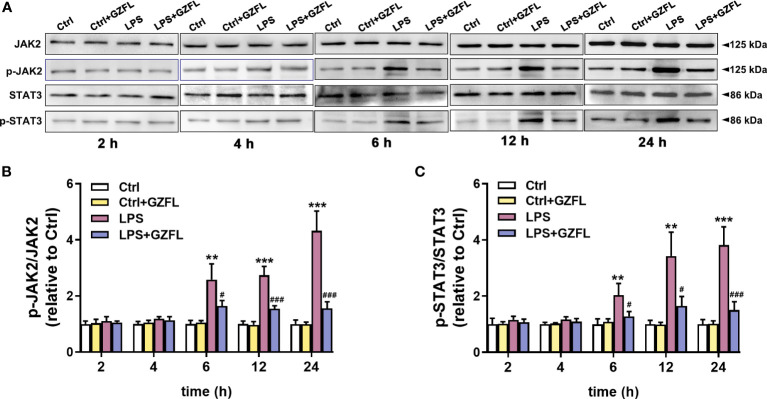
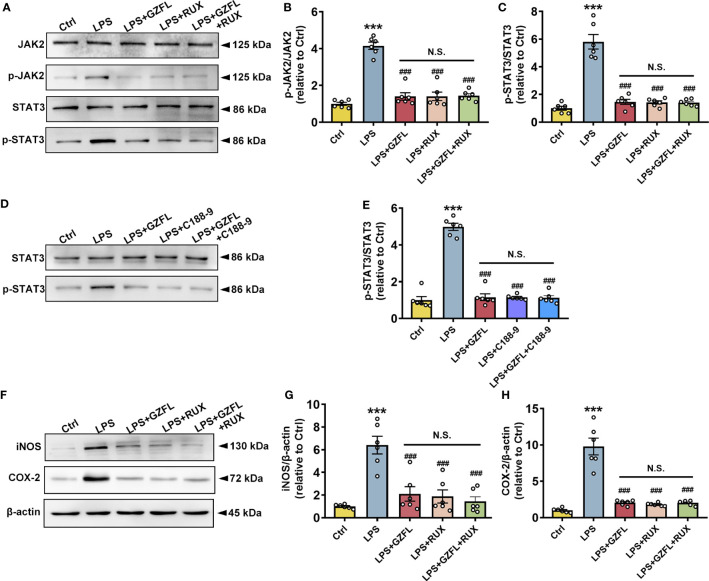
Chronic neuroinflammation has been regarded as an important part of the pathological initiation of Alzheimer's disease (AD), which is associated with the regulation of microglial activation. Preventing microglial activation to inhibit neuroinflammation may become a potential target for the treatment of neurodegenerative diseases. Guizhi Fuling capsule (GZFL) has a strong repression on inflammatory responses. Here, the presenilin1/2 conditional double knockout (PS cDKO) mice, a well-established mouse model of AD, were divided into: WT mice (WT), WT mice+GZFL (WT+GZFL), PS cDKO mice (cDKO), and PS cDKO mice+GZFL (cDKO+GZFL). Mice in the WT+GZFL and cDKO+GZFL group were fed standard chow containing 2000 ppm GZFL for 90 days. After 60 days of GZFL treatment, mice were given to behavioral tests for 30 days in order to explore the effects of GZFL on cognitive and motor function. Then, mice were sacrificed for examining the effects of GZFL on inflammation. Furthermore, primary microglia were obtained from neonatal Sprague-Dawley rats and pretreated with or without GZFL (50 μg/ml) for 1 h in the absence or presence of lipopolysaccharide (LPS) (100 ng/ml) stimulation to speculate whether the underlying mechanism of GZFL's anti-inflammatory potential was closely associated with Janus kinase 2 (JAK2)/signal transducer and activator of transcription 3 (STAT3) signaling pathway. Our findings indicated that GZFL has the ability to alleviate memory deficits in PS cDKO mice, which attributes to the improvement of neuroinflammation by inhibiting microglial activation and the levels of pro-inflammatory mediators. In addition, GZFL could inverse the tau hyperphosphorylation and the lessened expression of synaptic proteins in hippocampus of PS cDKO mice. Furthermore, GZFL prevented LPS-induced neuroinflammatory responses in primary microglia by decreasing the levels of pro-inflammatory mediators. It is noteworthy that therapeutic effects of GZFL on memory impairment are depended on the inhibition of neuroinflammatory responses by the blockage of JAK2/STAT3 signaling pathway. Taken together, GZFL may be an effective compound Chinese medicine for the improvement and postponement of neurodegenerative progression in AD.
慢性神经炎症被认为是阿尔茨海默病(AD)病理发生的重要组成部分,与小胶质细胞激活的调节有关。抑制小胶质细胞激活以抑制神经炎症可能成为治疗神经退行性疾病的潜在靶点。桂枝茯苓胶囊(GZFL)对炎症反应有很强的抑制作用。在这里,使用早老素 1/2 条件性双敲除(PS cDKO)小鼠,一种成熟的 AD 小鼠模型,分为:野生型(WT)小鼠、野生型(WT)+GZFL 喂养(WT+GZFL)、早老素 1/2 条件性双敲除(PS cDKO)小鼠(cDKO)和早老素 1/2 条件性双敲除(PS cDKO)+GZFL 喂养(cDKO+GZFL)。WT+GZFL 和 cDKO+GZFL 组的小鼠喂食含 2000ppm GZFL 的标准饲料 90 天。经过 60 天的 GZFL 处理后,对小鼠进行 30 天的行为测试,以探讨 GZFL 对认知和运动功能的影响。然后,处死小鼠以检查 GZFL 对炎症的影响。此外,从新生 Sprague-Dawley 大鼠中获得原代小胶质细胞,并在 LPS(100ng/ml)刺激存在或不存在的情况下,用或不用 GZFL(50μg/ml)预处理 1 小时,以推测 GZFL 的抗炎潜力的潜在机制是否与 Janus 激酶 2(JAK2)/信号转导和转录激活因子 3(STAT3)信号通路密切相关。我们的研究结果表明,GZFL 能够缓解 PS cDKO 小鼠的记忆缺陷,这归因于通过抑制小胶质细胞激活和促炎介质水平来改善神经炎症。此外,GZFL 可以逆转 PS cDKO 小鼠海马中 tau 的过度磷酸化和突触蛋白表达的减少。此外,GZFL 通过降低促炎介质的水平来防止 LPS 诱导的原代小胶质细胞中的神经炎症反应。值得注意的是,GZFL 对记忆损伤的治疗效果取决于通过阻断 JAK2/STAT3 信号通路抑制神经炎症反应。综上所述,GZFL 可能是一种有效的治疗 AD 神经退行性进展的中药。