Department of Pathology, Stanford University, Stanford, CA, USA.
Department of Obstetrics and Gynecology, Hadassah-Hebrew University Medical Center, Jerusalem, Israel.
Nature. 2023 Jul;619(7970):595-605. doi: 10.1038/s41586-023-06298-9. Epub 2023 Jul 19.
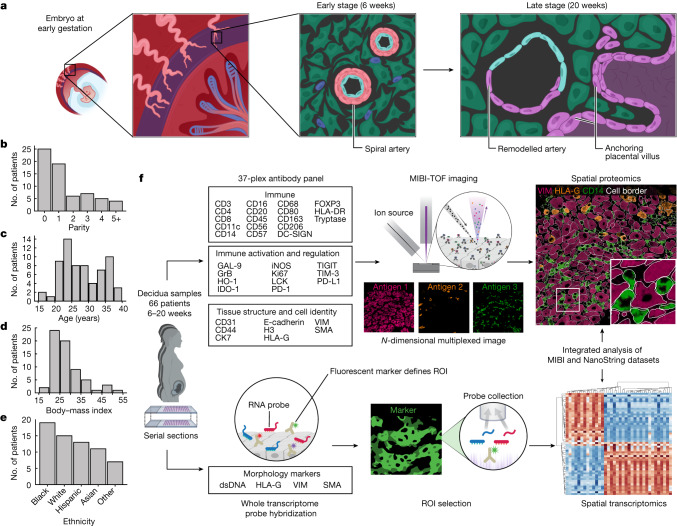
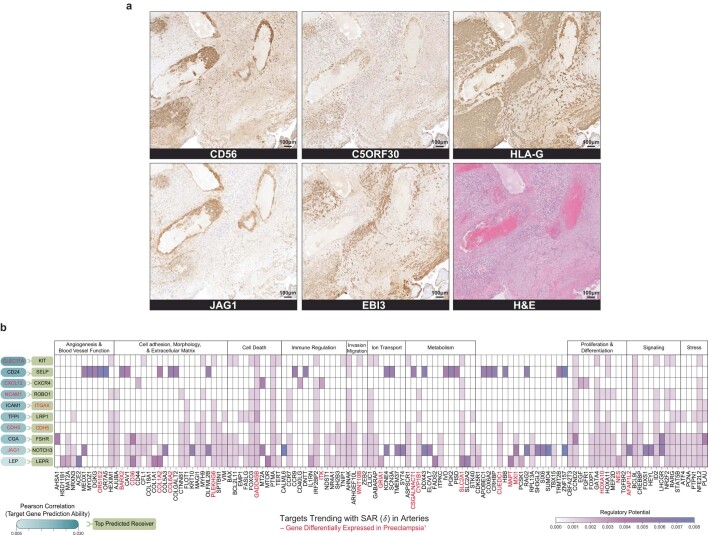
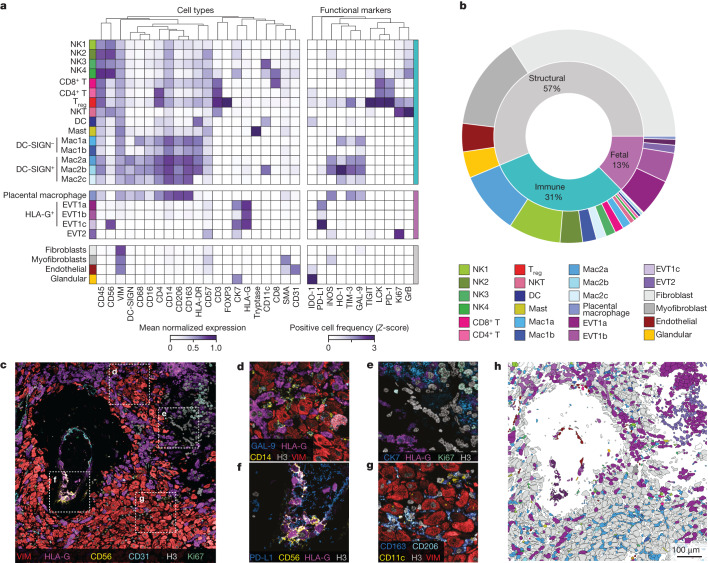
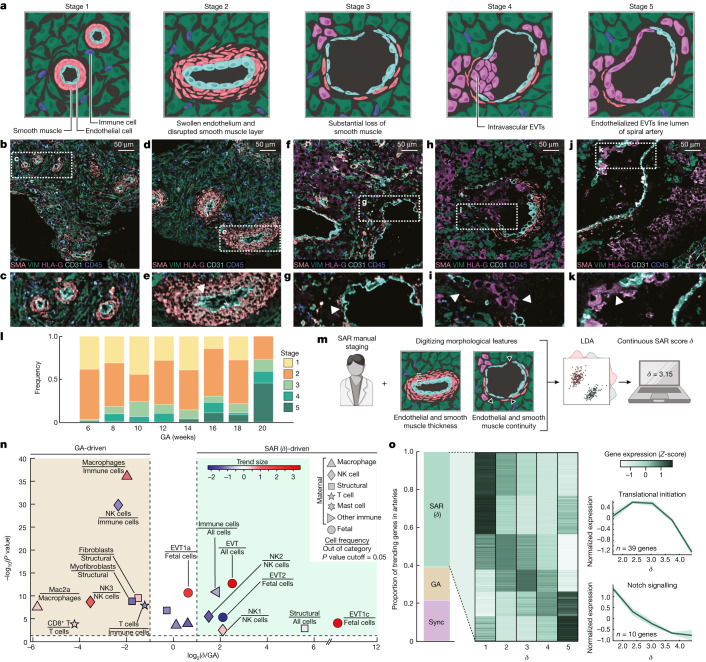
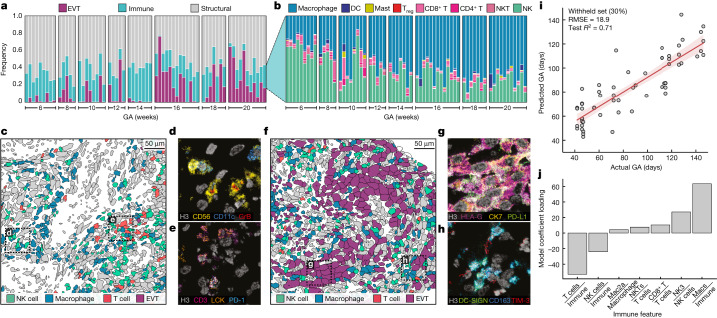
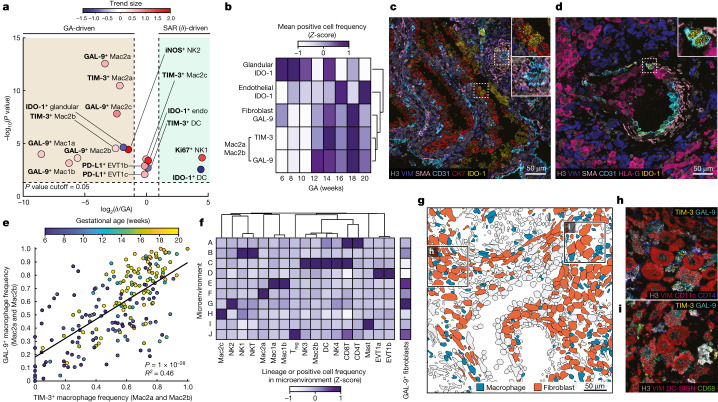
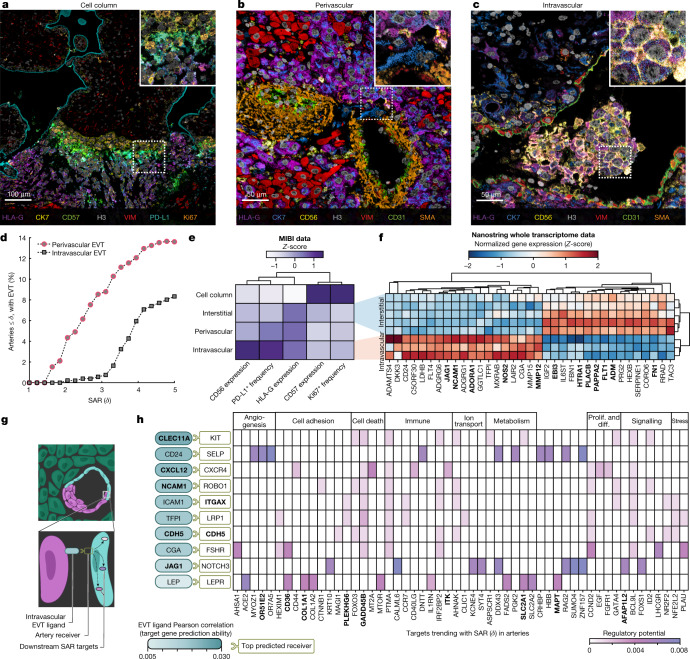
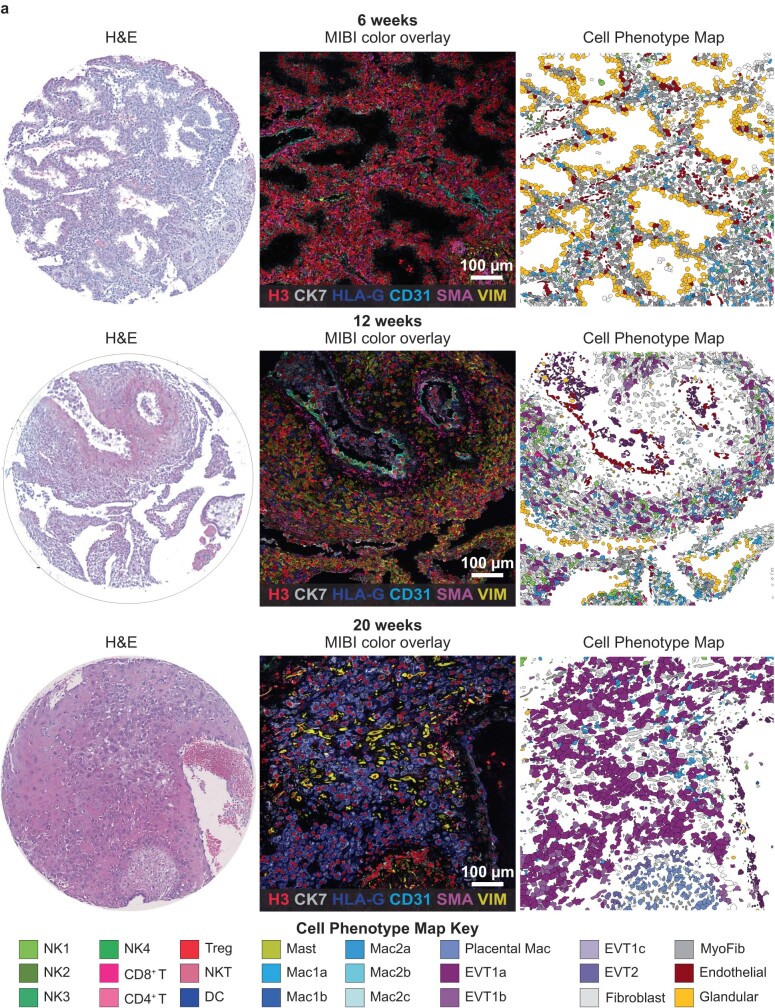
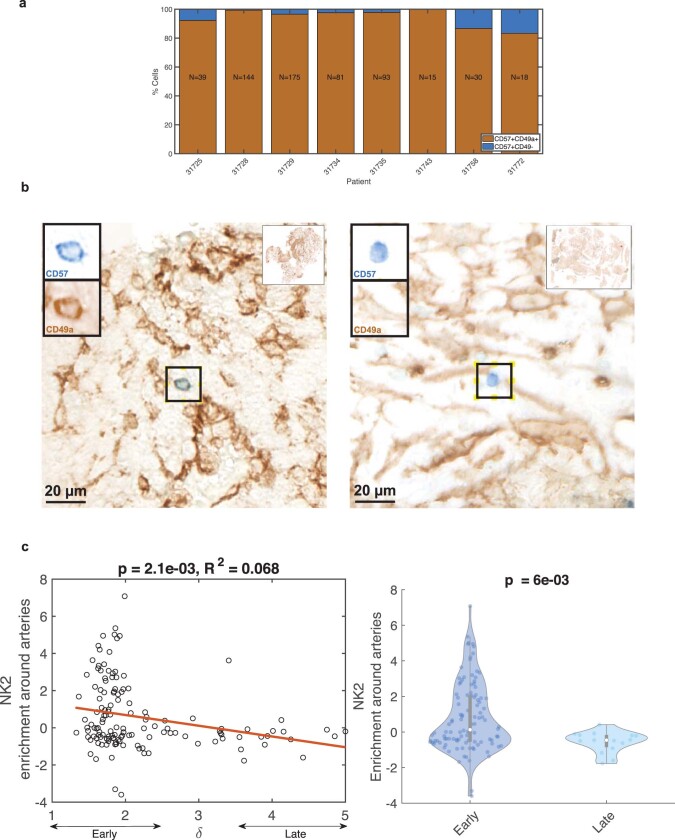
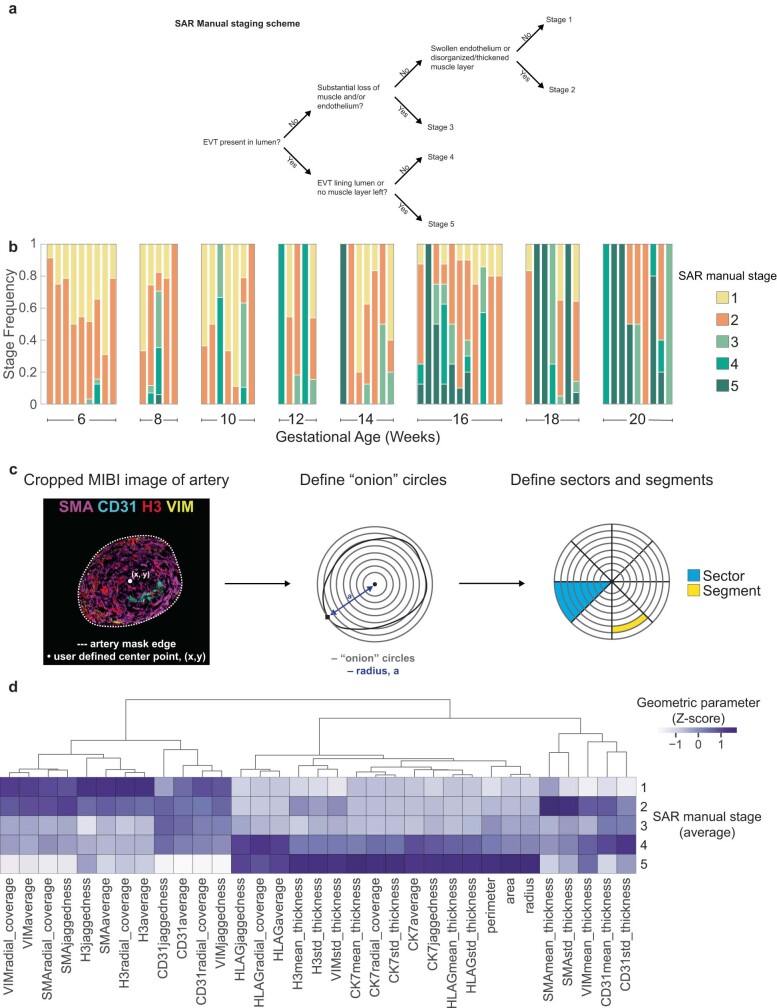
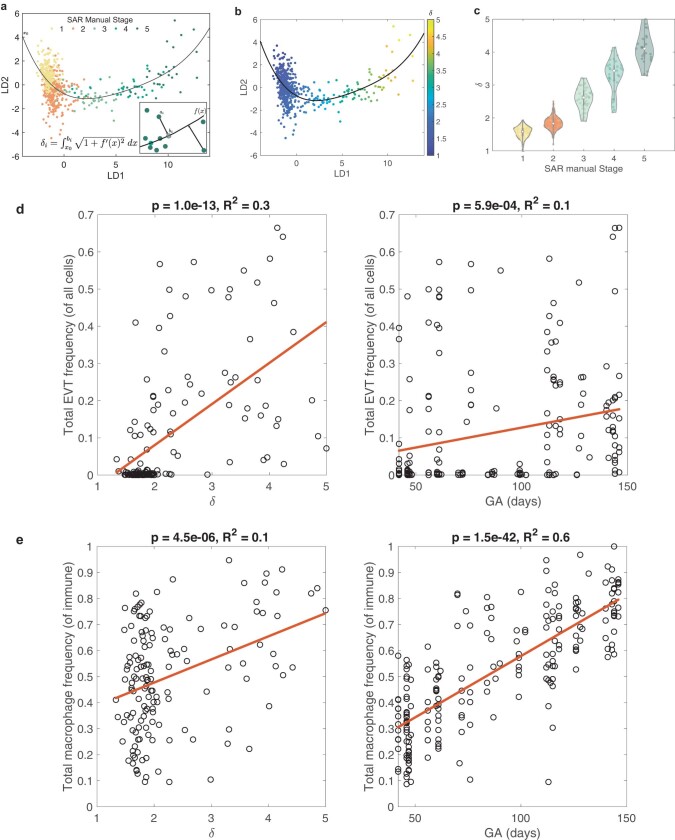
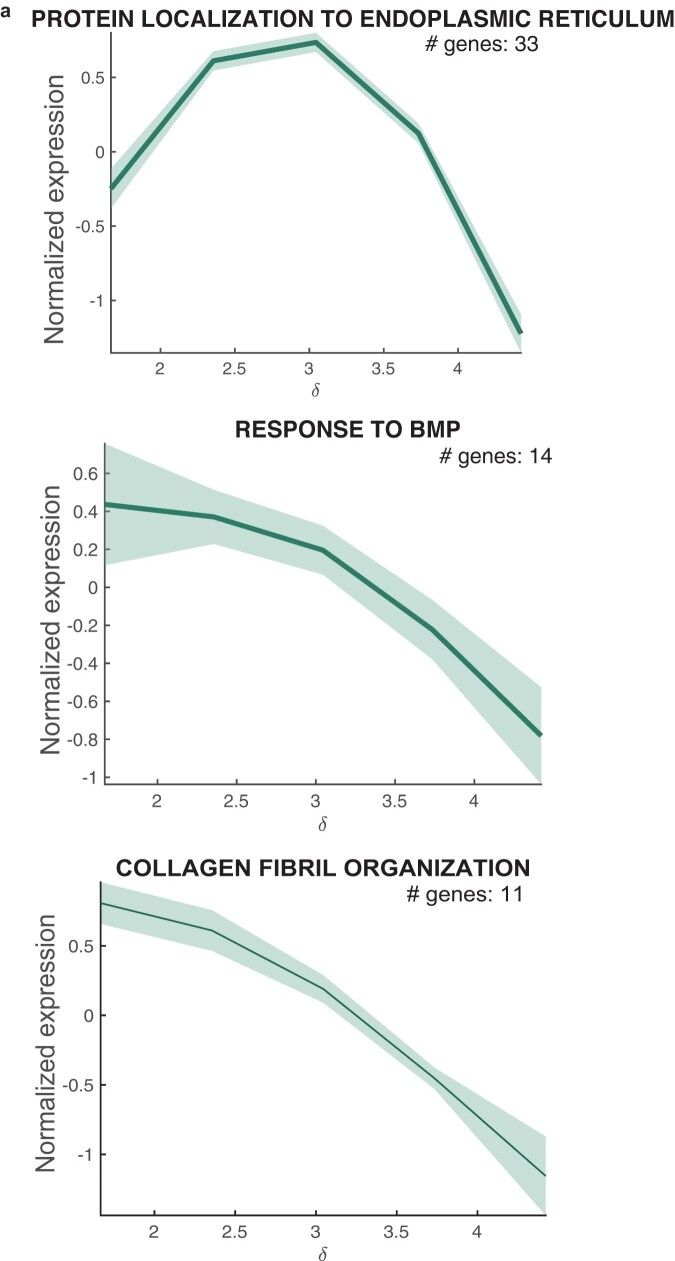
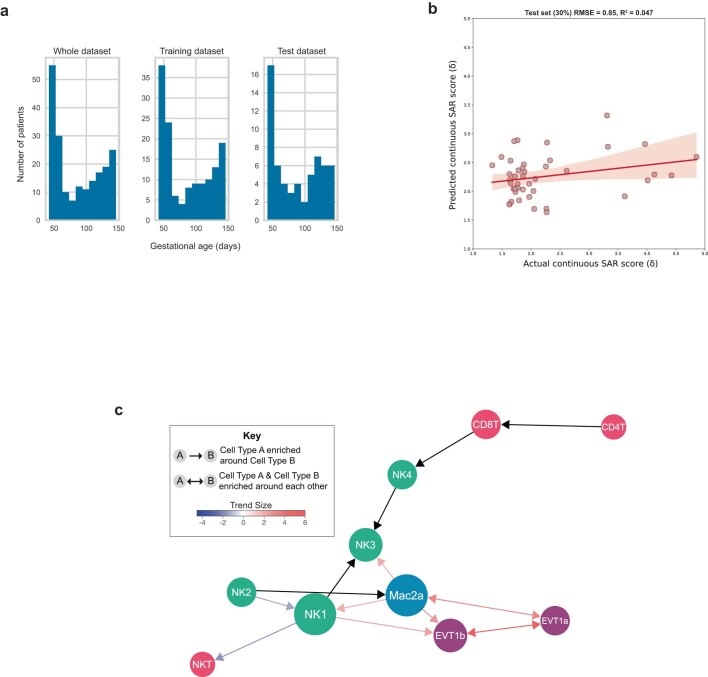
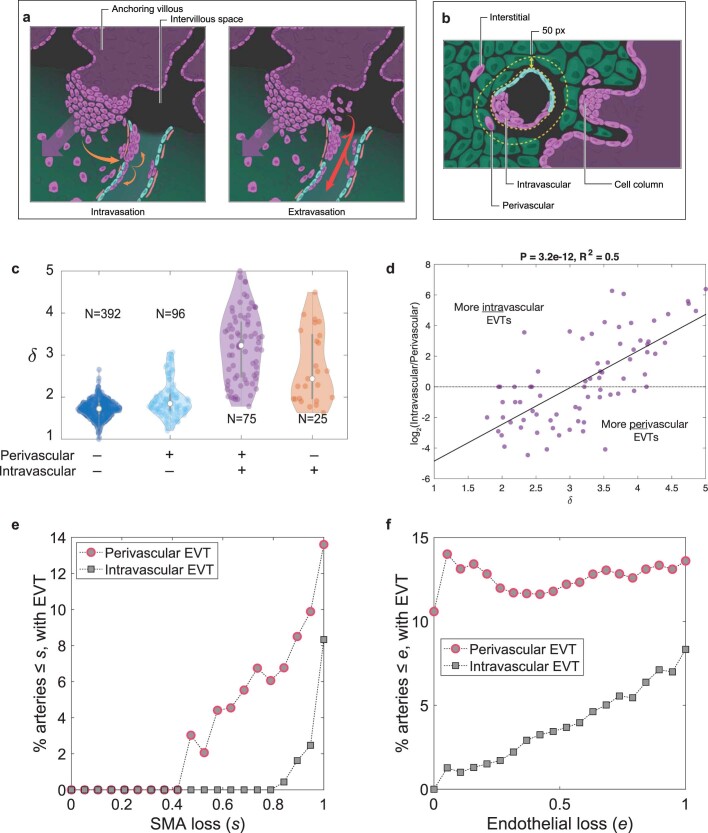
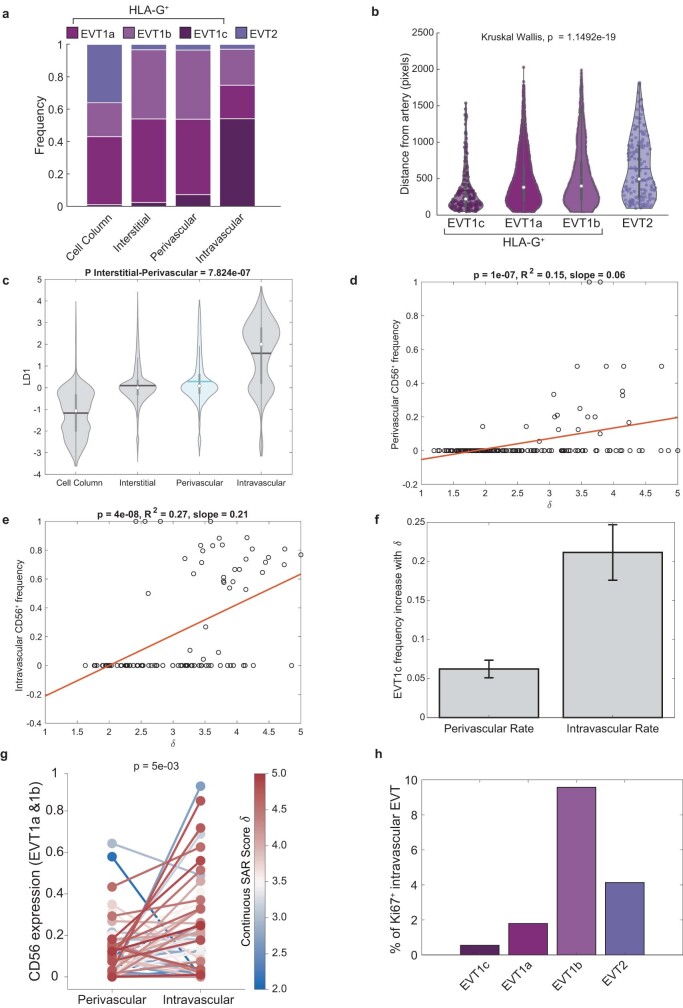
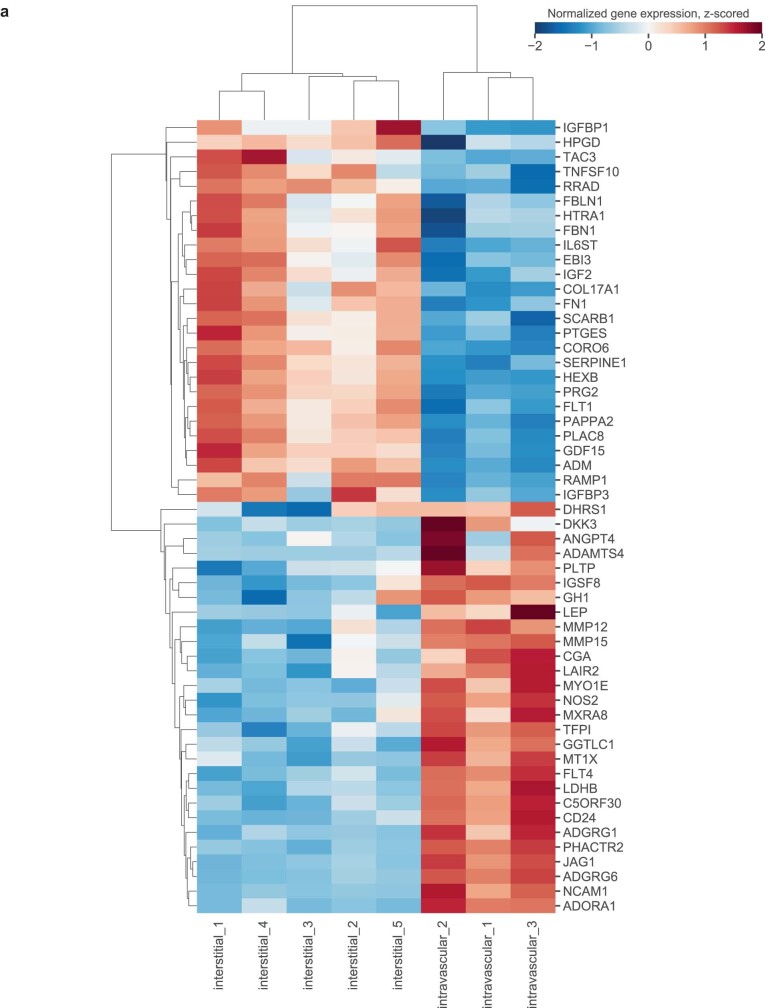
Beginning in the first trimester, fetally derived extravillous trophoblasts (EVTs) invade the uterus and remodel its spiral arteries, transforming them into large, dilated blood vessels. Several mechanisms have been proposed to explain how EVTs coordinate with the maternal decidua to promote a tissue microenvironment conducive to spiral artery remodelling (SAR). However, it remains a matter of debate regarding which immune and stromal cells participate in these interactions and how this evolves with respect to gestational age. Here we used a multiomics approach, combining the strengths of spatial proteomics and transcriptomics, to construct a spatiotemporal atlas of the human maternal-fetal interface in the first half of pregnancy. We used multiplexed ion beam imaging by time-of-flight and a 37-plex antibody panel to analyse around 500,000 cells and 588 arteries within intact decidua from 66 individuals between 6 and 20 weeks of gestation, integrating this dataset with co-registered transcriptomics profiles. Gestational age substantially influenced the frequency of maternal immune and stromal cells, with tolerogenic subsets expressing CD206, CD163, TIM-3, galectin-9 and IDO-1 becoming increasingly enriched and colocalized at later time points. By contrast, SAR progression preferentially correlated with EVT invasion and was transcriptionally defined by 78 gene ontology pathways exhibiting distinct monotonic and biphasic trends. Last, we developed an integrated model of SAR whereby invasion is accompanied by the upregulation of pro-angiogenic, immunoregulatory EVT programmes that promote interactions with the vascular endothelium while avoiding the activation of maternal immune cells.
从妊娠早期开始,胎儿来源的绒毛外滋养层细胞(EVTs)侵入子宫并重塑其螺旋动脉,将其转化为大而扩张的血管。已经提出了几种机制来解释 EVTs 如何与母体蜕膜协调以促进有利于螺旋动脉重塑(SAR)的组织微环境。然而,关于哪些免疫细胞和基质细胞参与这些相互作用以及随着妊娠年龄的变化这些如何演变,仍存在争议。在这里,我们使用了一种多组学方法,结合空间蛋白质组学和转录组学的优势,构建了妊娠早期人类母胎界面的时空图谱。我们使用多重离子束成像时间飞行和 37 种抗体面板来分析来自 66 名 6 至 20 周妊娠个体的完整蜕膜中约 500,000 个细胞和 588 条动脉,将该数据集与共注册的转录组学谱整合在一起。妊娠年龄极大地影响了母体免疫细胞和基质细胞的频率,具有耐受性的亚群表达 CD206、CD163、TIM-3、半乳糖凝集素-9 和 IDO-1,它们在后期变得越来越丰富并发生共定位。相比之下,SAR 进展与 EVT 入侵密切相关,并且通过表现出不同单调和双相趋势的 78 个基因本体途径的转录定义。最后,我们开发了一种 SAR 的综合模型,其中入侵伴随着促血管生成、免疫调节的 EVT 程序的上调,这些程序促进与血管内皮的相互作用,同时避免母体免疫细胞的激活。