The Fourth Clinical Medical College of Guangzhou University of Chinese Medicine, Shenzhen, Guangdong, China.
Medicine (Baltimore). 2023 Jul 21;102(29):e34446. doi: 10.1097/MD.0000000000034446.
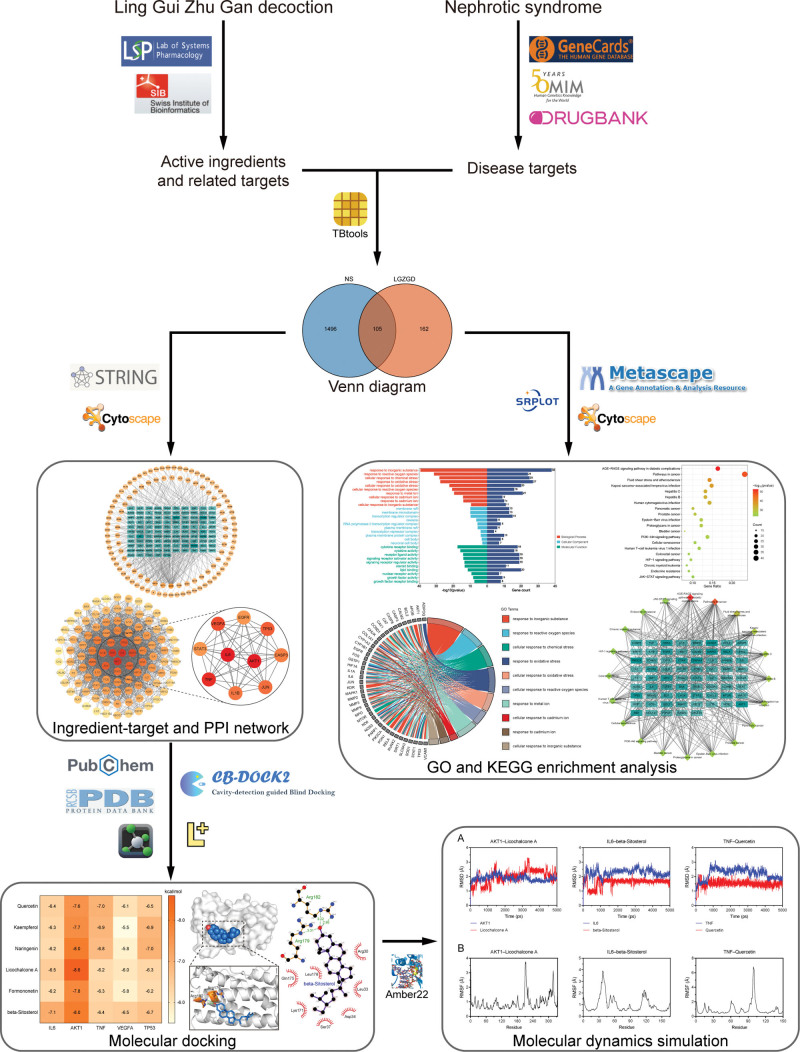
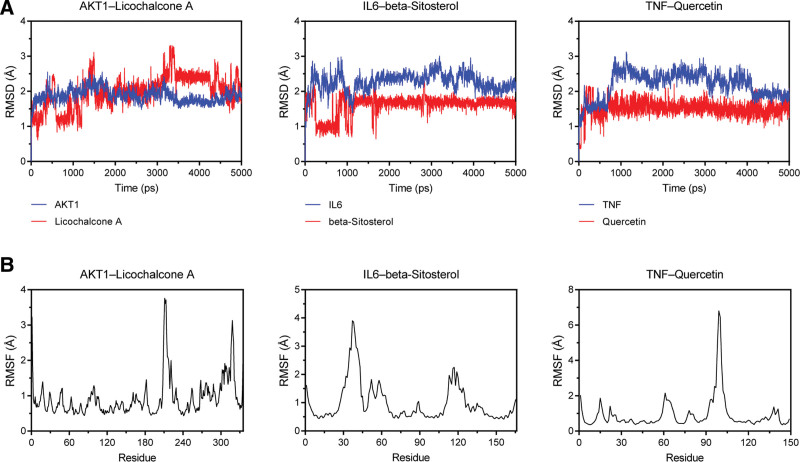
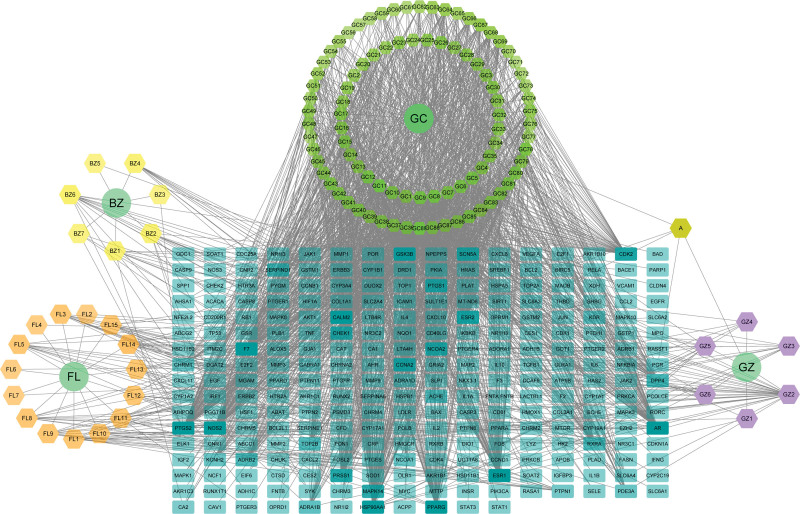
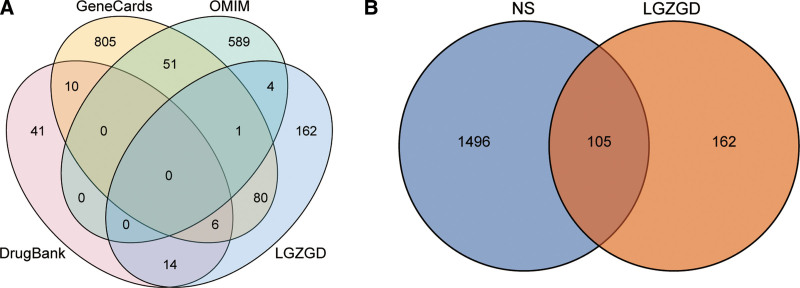
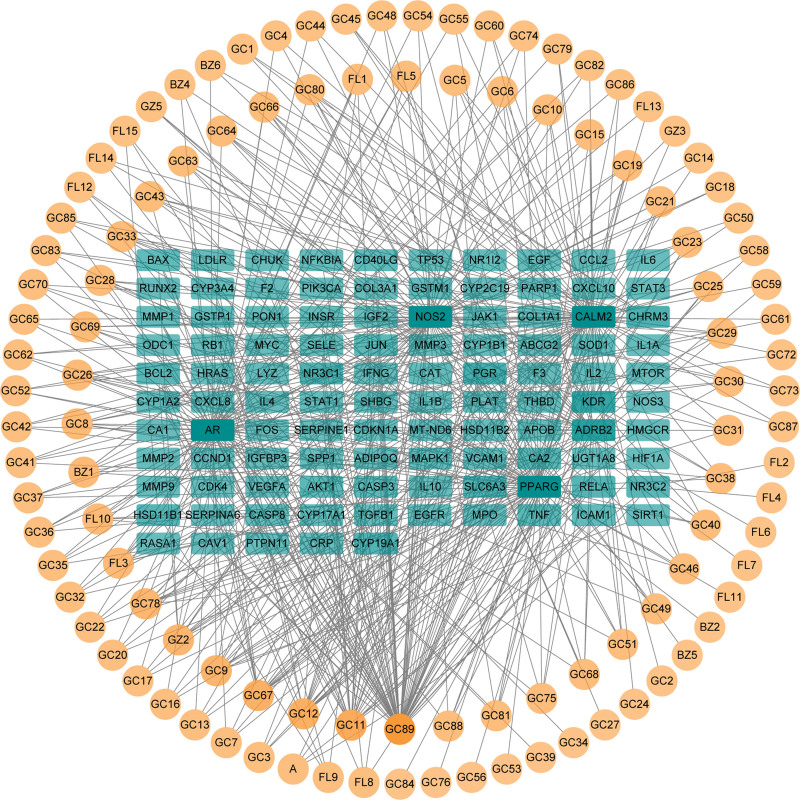
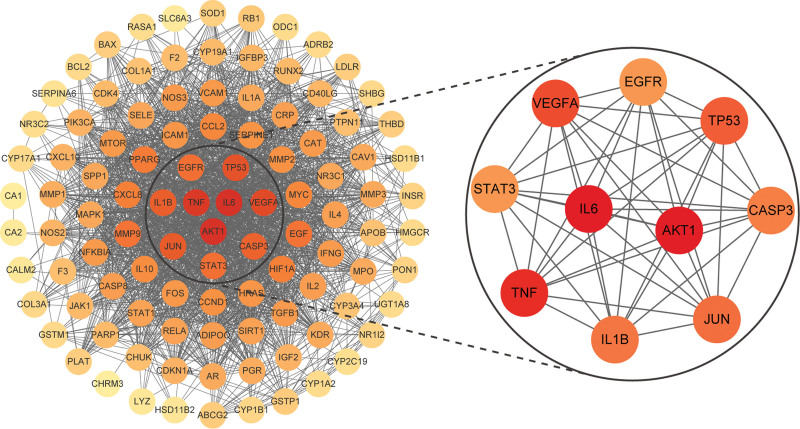
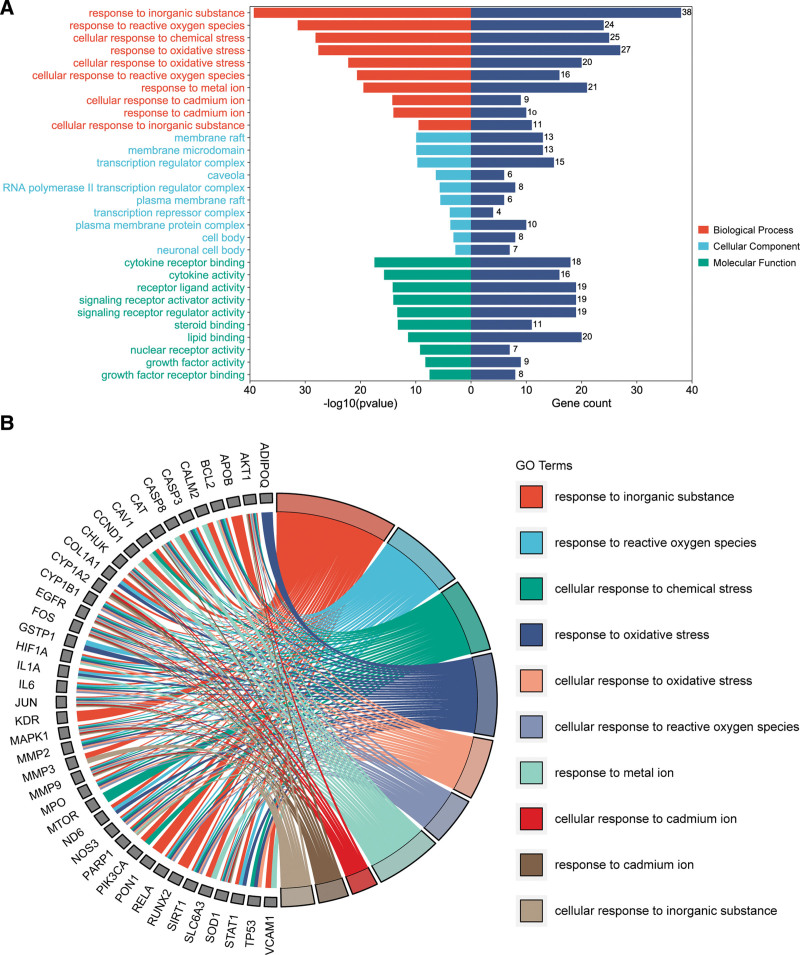
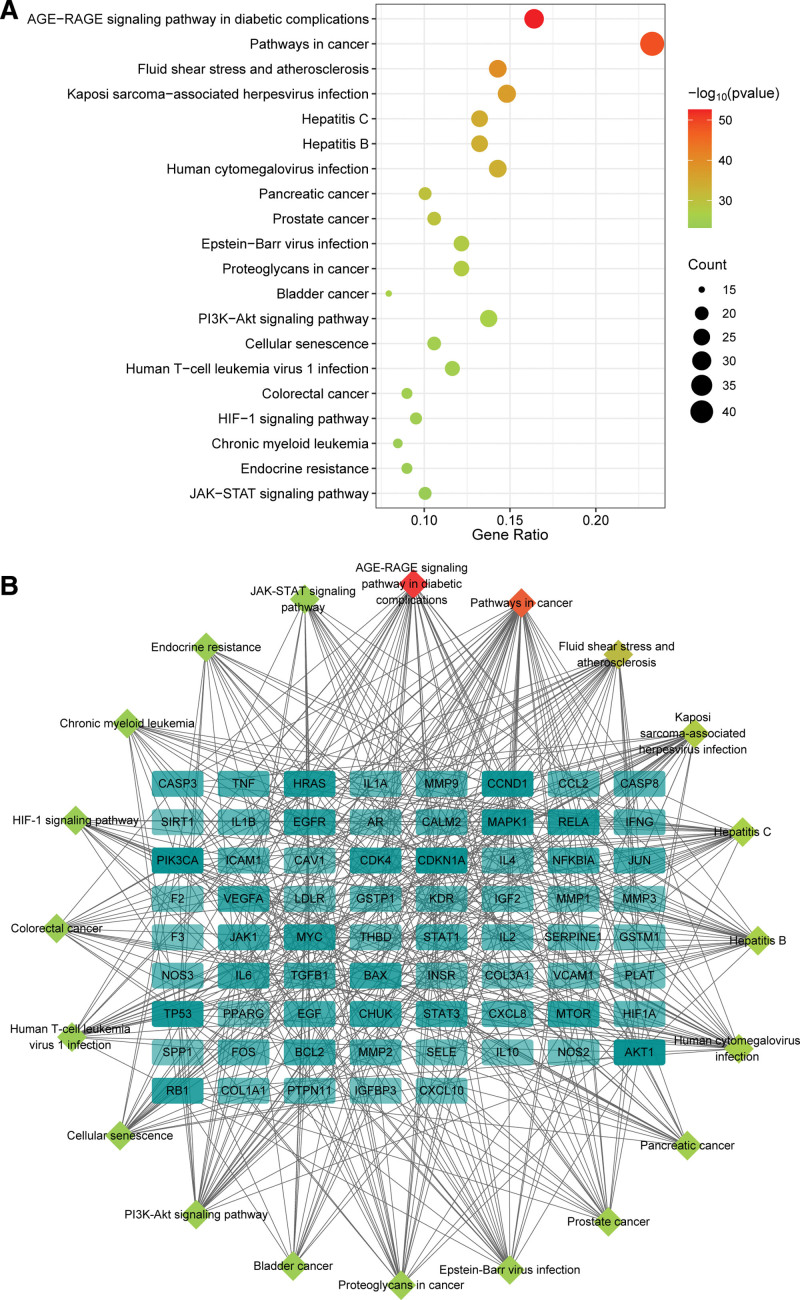
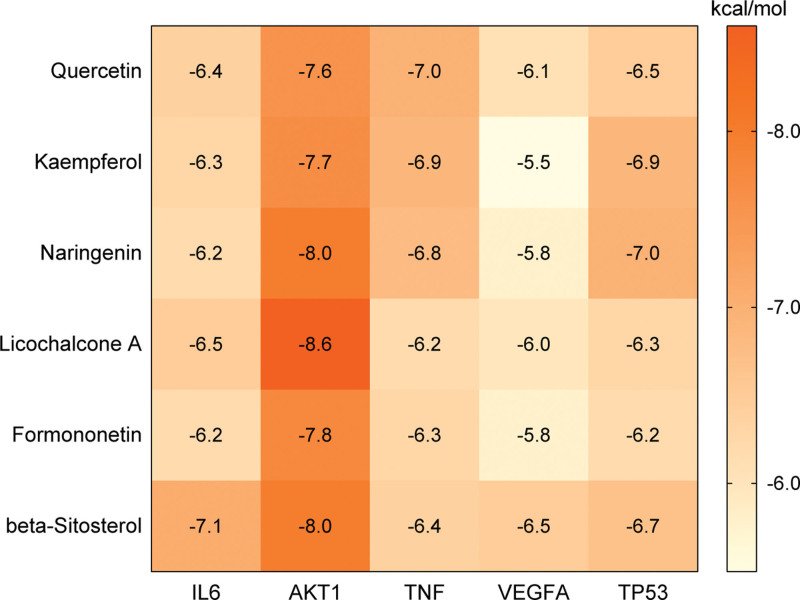
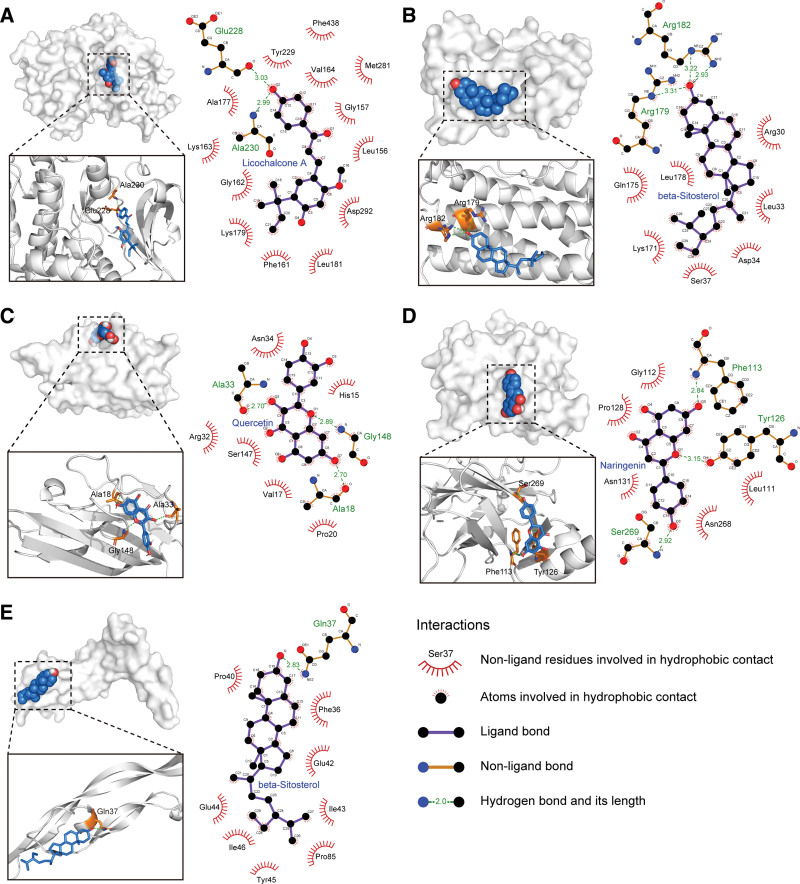
This study aimed to explore the possible mechanisms of Ling Gui Zhu Gan decoction (LGZGD) in the treatment of nephrotic syndrome (NS) using network pharmacology combined with molecular docking and molecular dynamics simulation. The active ingredients of LGZGD and their targets were retrieved from Traditional Chinese Medicine Systems Pharmacology Database and Swiss Target Prediction database. The NS targets were retrieved from Genecards, OMIM and Drugbank databases. Next, the intersecting targets of drug and disease were imported into the String database for protein-protein interaction network analysis, and the core targets were identified through topological analysis. Gene Ontology (GO) and Kyoto Encyclopedia of Genes and Genomes enrichment analyses were performed in the Metascape platform. Finally, molecular docking and molecular dynamics simulation were performed for further validation. The network analysis showed that 109 active ingredients of LGZGD were associated with 105 targets in NS. The key active ingredients (quercetin, kaempferol, naringenin, licochalcone A, formononetin, beta-sitosterol) and the core targets (IL6, AKT1, TNF, VEGFA, TP53, JUN, IL1B, CASP3, EGFR, and STAT3) were further identified. Enrichment analysis indicated that multiple biological processes and pathways, including AGE-RAGE, PI3K-Akt, JAK-STAT, and HIF-1 signaling pathways, might be regulated by LGZGD in the treatment of NS. Molecular docking and molecular dynamics simulation results further indicated that the key active ingredients of LGZGD could stably bind to the core targets through hydrogen bonding and hydrophobic interaction. This study demonstrates that the active ingredients of LGZGD may regulate multiple targets, biological processes and signaling pathways in NS. Our findings may provide a theoretical basis for further studies on LGZGD in the treatment of NS.
本研究旨在采用网络药理学结合分子对接和分子动力学模拟方法探讨苓桂术甘汤治疗肾病综合征(NS)的可能作用机制。从中药系统药理学数据库和瑞士TARGET 预测数据库中检索苓桂术甘汤的活性成分及其靶点,从 Genecards、OMIM 和 Drugbank 数据库中检索 NS 靶点。然后将药物与疾病的交集靶点导入 STRING 数据库进行蛋白质-蛋白质相互作用网络分析,并通过拓扑分析确定核心靶点。在 Metascape 平台上进行基因本体(GO)和京都基因与基因组百科全书(KEGG)富集分析。最后,进行分子对接和分子动力学模拟以进一步验证。网络分析表明,苓桂术甘汤的 109 种活性成分与 NS 的 105 个靶点相关。关键的活性成分(槲皮素、山奈酚、柚皮苷、甘草素 A、大豆苷元、β-谷甾醇)和核心靶点(IL6、AKT1、TNF、VEGFA、TP53、JUN、IL1B、CASP3、EGFR 和 STAT3)进一步被确定。富集分析表明,苓桂术甘汤可能通过 AGE-RAGE、PI3K-Akt、JAK-STAT 和 HIF-1 信号通路等多种生物学过程和途径调节 NS 的发生发展。分子对接和分子动力学模拟结果进一步表明,苓桂术甘汤的关键活性成分可以通过氢键和疏水相互作用稳定地与核心靶点结合。本研究表明,苓桂术甘汤的活性成分可能通过调节多个靶点、生物学过程和信号通路来治疗 NS。我们的研究结果为进一步研究苓桂术甘汤治疗 NS 提供了理论依据。