Laboratory of Behavioral and Genomic Neuroscience, National Institute on Alcohol Abuse and Alcoholism, NIH, Bethesda, MD 20892, USA.
Laboratory of Behavioral and Genomic Neuroscience, National Institute on Alcohol Abuse and Alcoholism, NIH, Bethesda, MD 20892, USA.
Neuron. 2023 Oct 4;111(19):3053-3067.e10. doi: 10.1016/j.neuron.2023.06.023. Epub 2023 Jul 21.
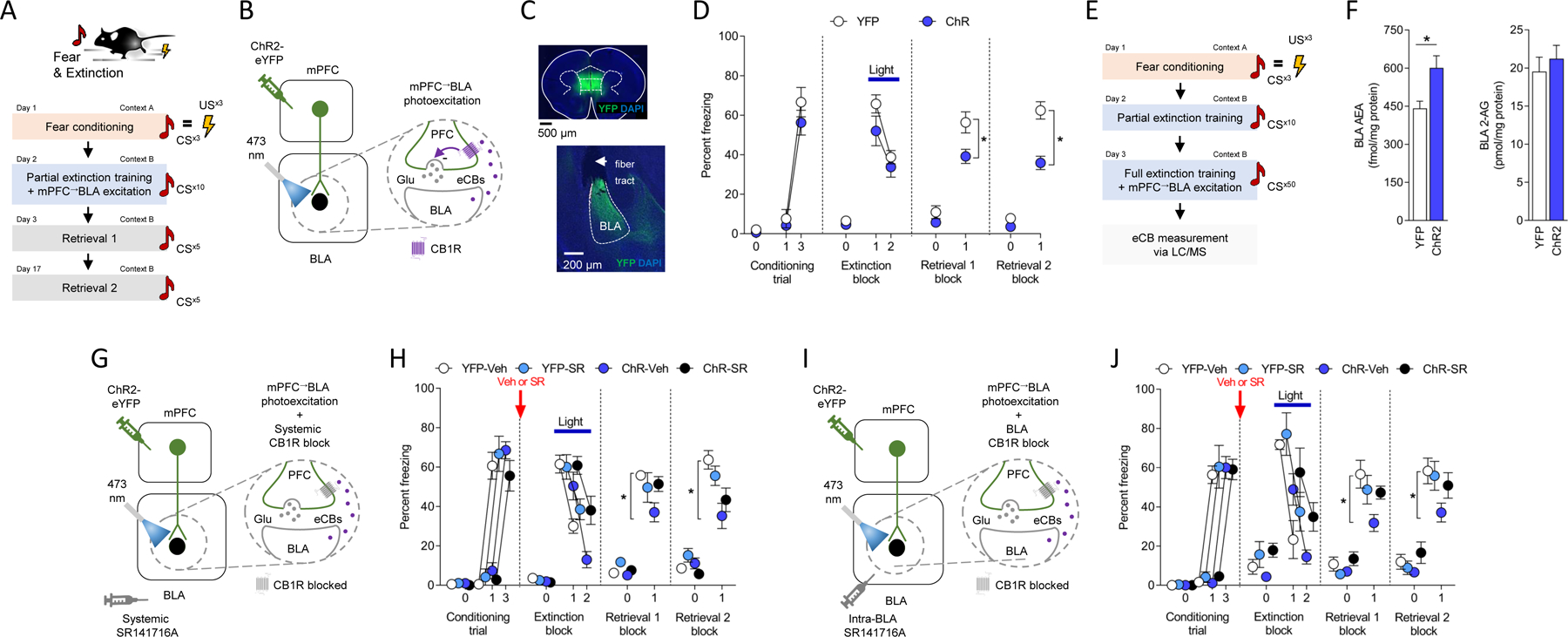
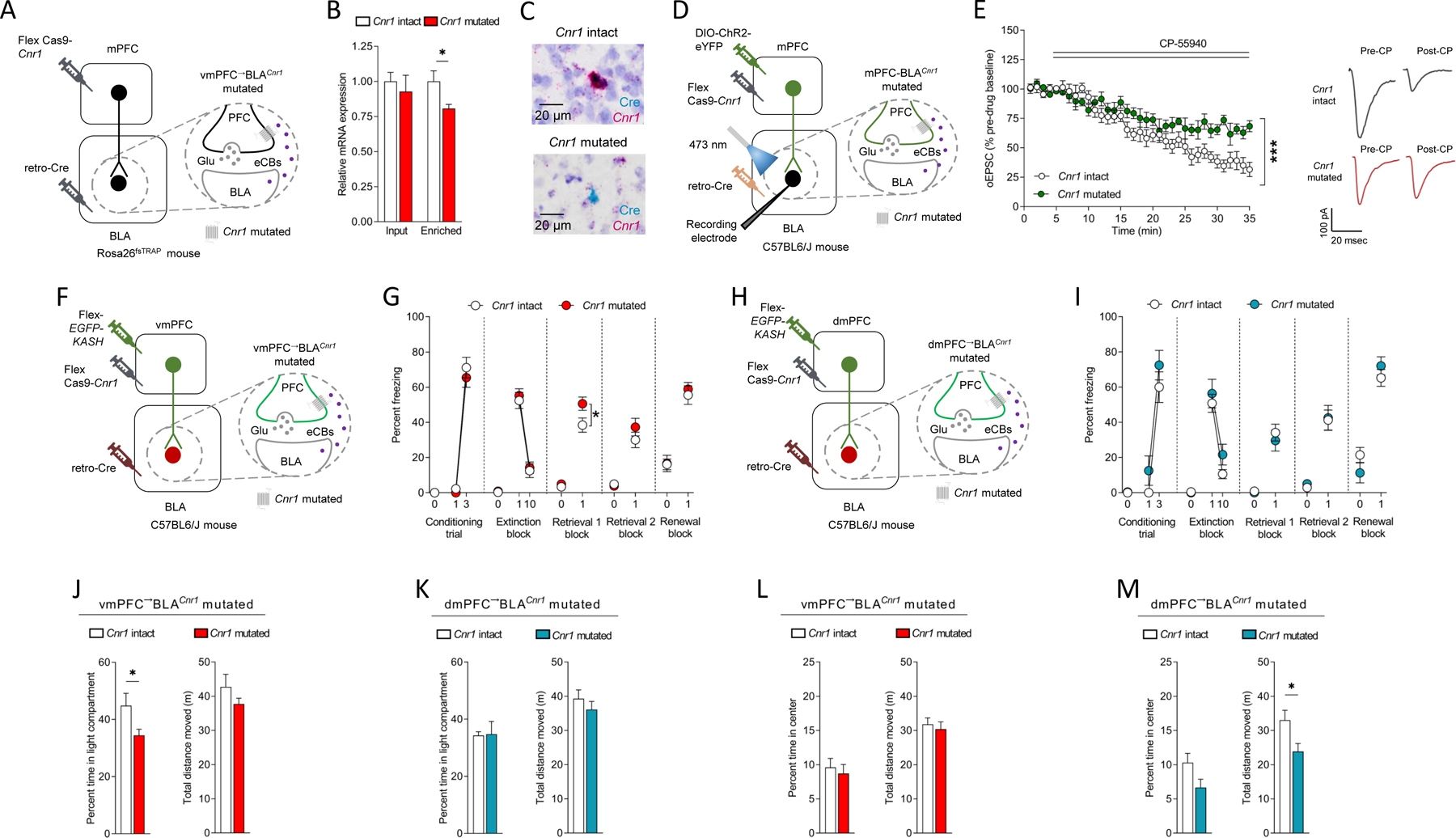
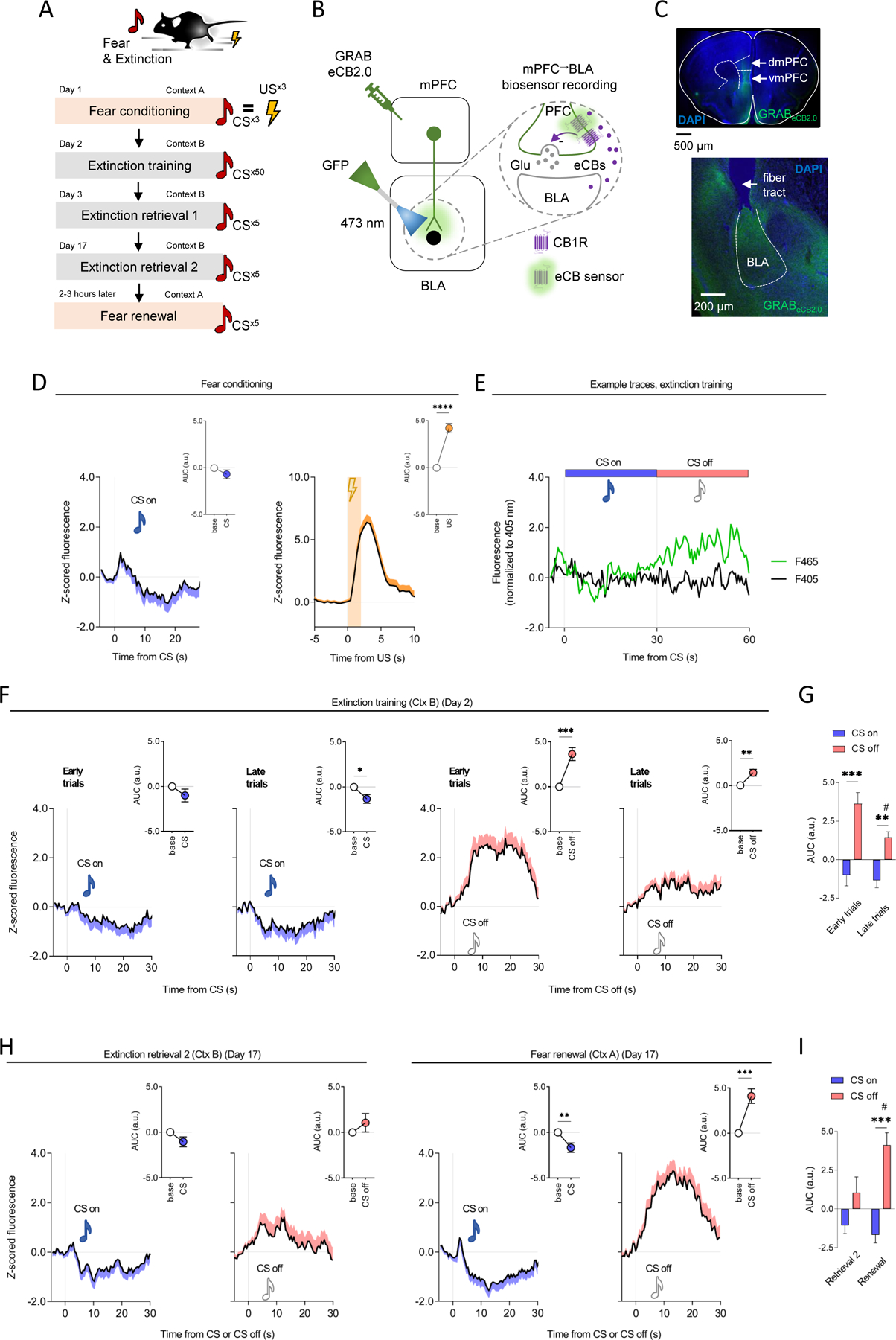
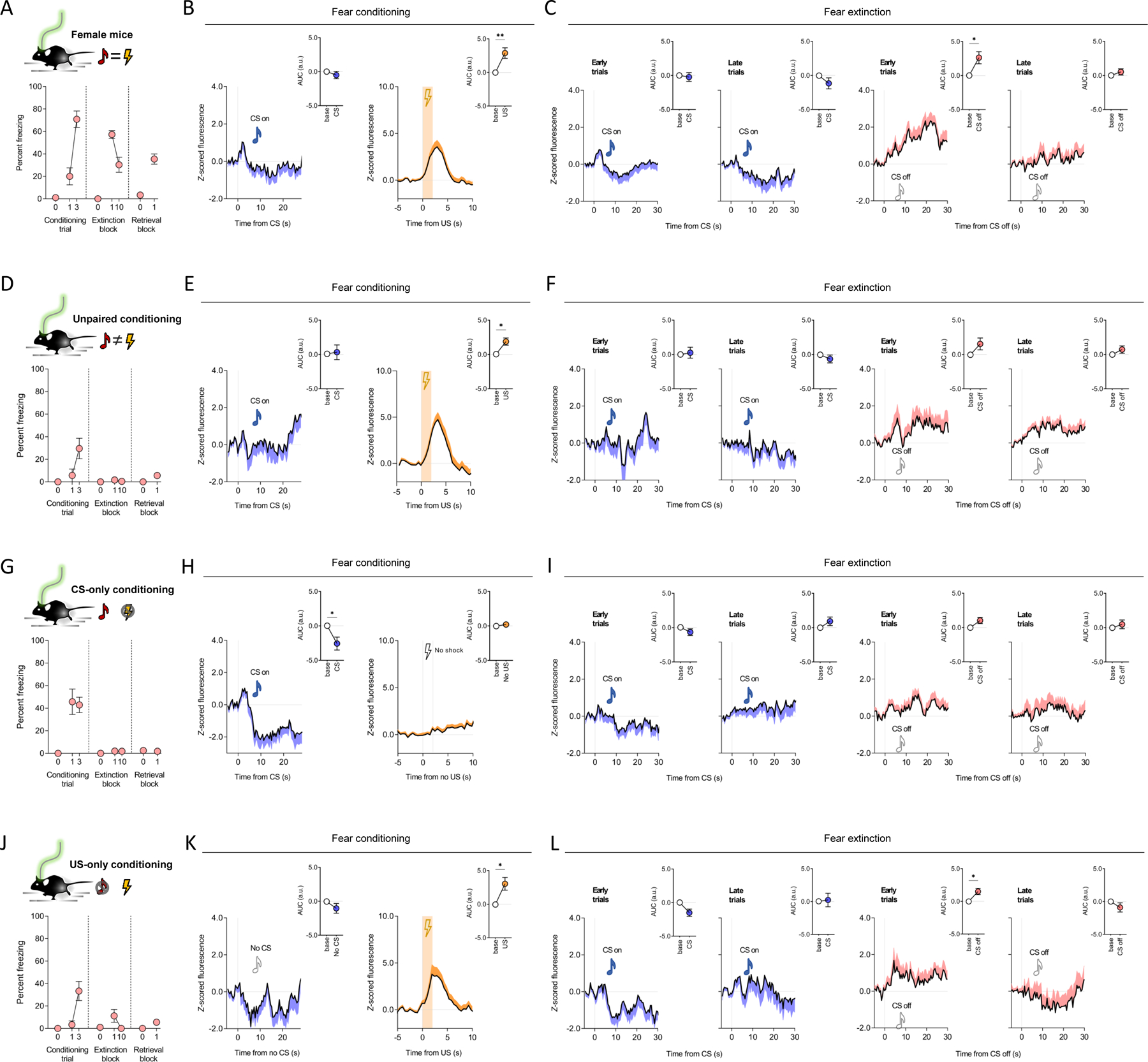
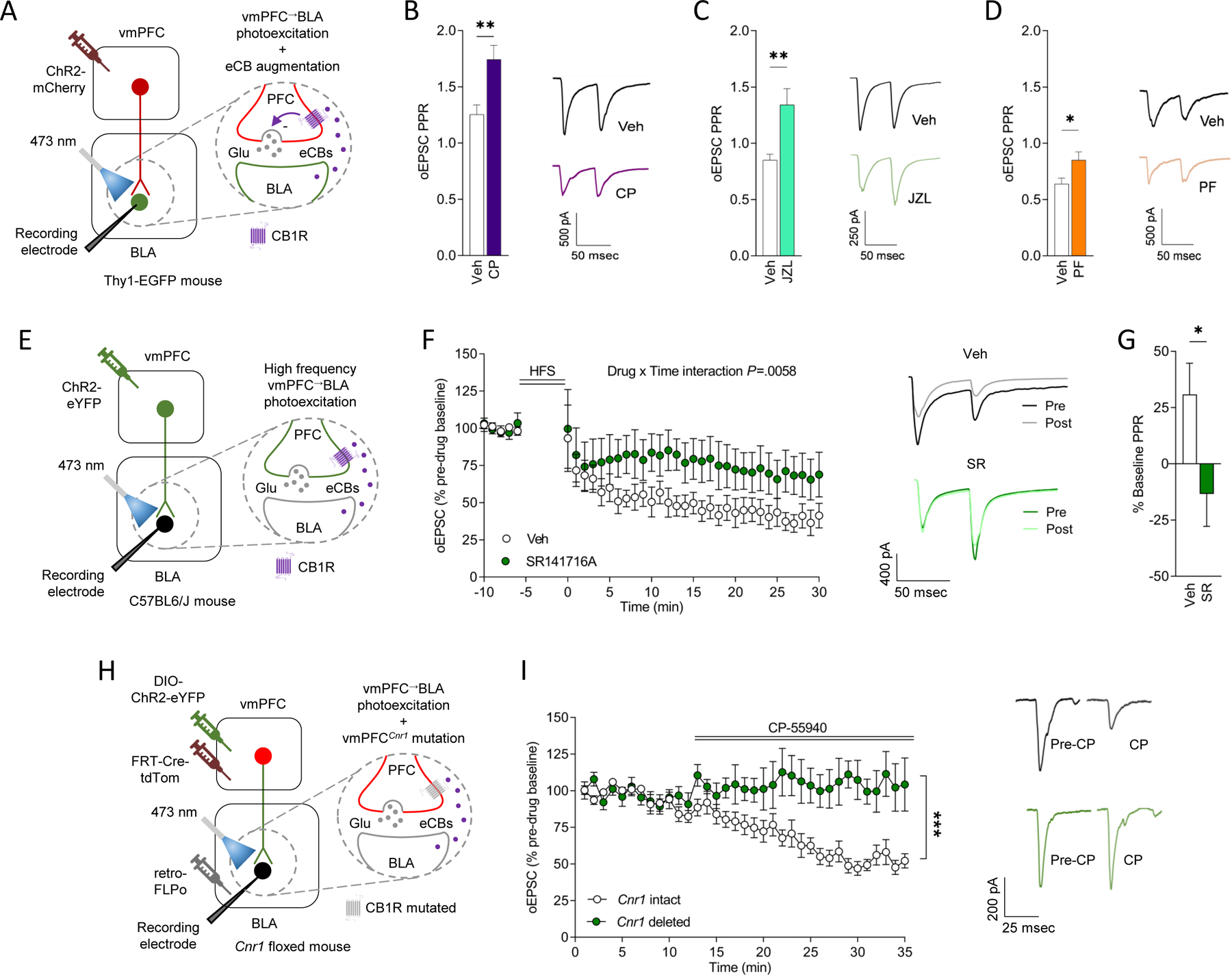
Preclinical and clinical studies implicate endocannabinoids (eCBs) in fear extinction, but the underlying neural circuit basis of these actions is unclear. Here, we employed in vivo optogenetics, eCB biosensor imaging, ex vivo electrophysiology, and CRISPR-Cas9 gene editing in mice to examine whether basolateral amygdala (BLA)-projecting medial prefrontal cortex (mPFC) neurons represent a neural substrate for the effects of eCBs on extinction. We found that photoexcitation of mPFC axons in BLA during extinction mobilizes BLA eCBs. eCB biosensor imaging showed that eCBs exhibit a dynamic stimulus-specific pattern of activity at mPFCBLA neurons that tracks extinction learning. Furthermore, using CRISPR-Cas9-mediated gene editing, we demonstrated that extinction memory formation involves eCB activity at cannabinoid CB1 receptors expressed at vmPFCBLA synapses. Our findings reveal the temporal characteristics and a neural circuit basis of eCBs' effects on fear extinction and inform efforts to target the eCB system as a therapeutic approach in extinction-deficient neuropsychiatric disorders.
临床前和临床研究表明内源性大麻素(eCBs)参与了恐惧的消退,但这些作用的潜在神经回路基础尚不清楚。在这里,我们使用活体光遗传学、eCB 生物传感器成像、离体电生理学和 CRISPR-Cas9 基因编辑在小鼠中检查了外侧杏仁核(BLA)投射到内侧前额叶皮层(mPFC)的神经元是否代表了 eCBs 对消退作用的神经基础。我们发现,在消退过程中,mPFC 轴突在 BLA 中的光激发会动员 BLA 的 eCB。eCB 生物传感器成像显示,eCBs 在 mPFC-BLA 神经元上表现出一种与消退学习相关的动态刺激特异性活动模式。此外,使用 CRISPR-Cas9 介导的基因编辑,我们证明了 CB1 受体表达在 vmPFC-BLA 突触上的 eCB 活性涉及到消退记忆的形成。我们的发现揭示了 eCBs 对恐惧消退影响的时间特征和神经回路基础,并为靶向 eCB 系统作为消退缺陷性神经精神障碍的治疗方法提供了信息。