Qin Rennie X, Yoon Sangchul, Fowler Zachary G, Jayaram Anusha, Stankey Makela, Samad Lubna, Maoate Kiki, Park Kee B
The Program in Global Surgery and Social Change, the Department of Global Health and Social Medicine, Harvard Medical School, 641 Huntington Ave, Boston, MA, 02115, USA.
Department of Medical Humanities and Social Sciences, College of Medicine, Yonsei University, Seoul, South Korea.
BMC Proc. 2023 Jul 25;17(Suppl 5):10. doi: 10.1186/s12919-023-00256-z.
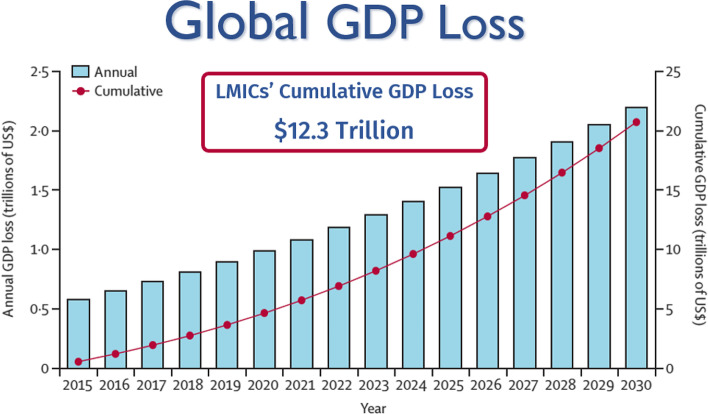
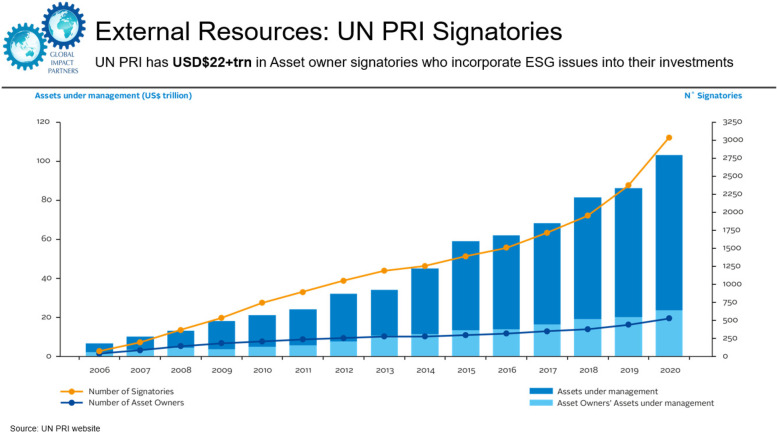
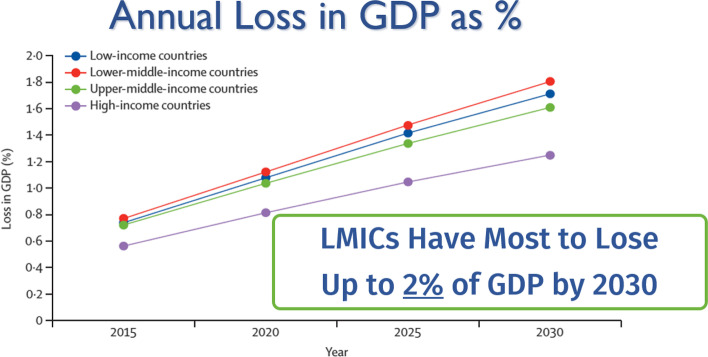
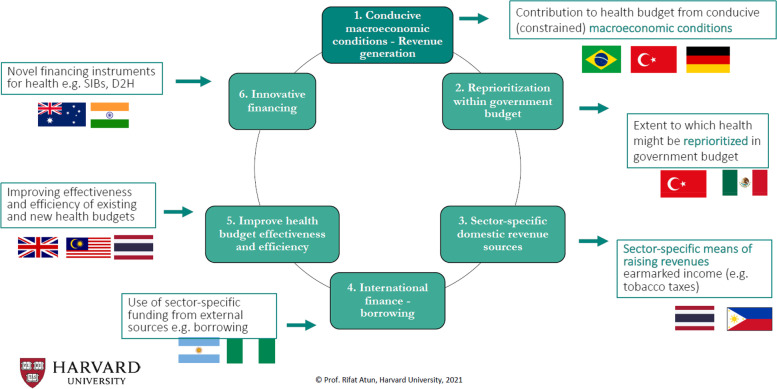
Surgical, obstetric, and anaesthesia care saves lives, prevents disability, promotes economic prosperity, and is a fundamental human right. Session two of the three-part virtual meeting series on Strategic Planning to Improve Surgical, Obstetric, Anaesthesia, and Trauma Care in the Asia-Pacific Region discussed financing strategies for surgical care. During this session, participants made a robust case for investing in surgical care given its cost-effectiveness, macroeconomic benefits, and contribution to health security and pandemic preparedness. Funding for surgical system strengthening could arise from both domestic and international sources. Numerous strategies are available for mobilising funding for surgical care, including conducive macroeconomic growth, reprioritisation of health within government budgets, sector-specific domestic revenue, international financing, improving the effectiveness and efficiency of health budgets, and innovative financing. A wide range of funders recognised the importance of investing in surgical care and shared their currently funded projects in surgical, obstetric, anaesthesia, and trauma care as well as their funding priorities. Advocacy efforts to mobilise funding for surgical care to align with the existing funder priorities, such as primary health care, maternal and child health, health security, and the COVID-19 pandemic. Although the COVID-19 pandemic has constricted the fiscal space for surgical care, it has also brought unprecedented attention to health. Short-term investment in critical care, medical oxygen, and infection prevention and control as a part of the COVID-19 response must be leveraged to generate sustained strengthening of surgical systems beyond the pandemic.
外科、产科和麻醉护理能够挽救生命、预防残疾、促进经济繁荣,是一项基本人权。亚太地区改善外科、产科、麻醉和创伤护理战略规划系列虚拟会议的三部分中的第二场会议讨论了外科护理的融资策略。在本次会议期间,鉴于外科护理的成本效益、宏观经济效益以及对卫生安全和大流行防范的贡献,与会者有力地论证了投资外科护理的必要性。加强外科系统的资金可来自国内和国际来源。为外科护理筹集资金有多种策略,包括促进宏观经济增长、在政府预算中重新调整卫生领域的优先次序、特定部门的国内收入、国际融资、提高卫生预算的有效性和效率以及创新融资。众多资助者认识到投资外科护理的重要性,并分享了他们目前在外科、产科、麻醉和创伤护理方面资助的项目以及他们的资助重点。为使外科护理资金筹集工作与现有资助者的优先事项保持一致而开展的宣传努力,例如初级卫生保健、母婴健康、卫生安全和新冠疫情。尽管新冠疫情压缩了外科护理的财政空间,但它也给卫生领域带来了前所未有的关注。必须利用作为新冠疫情应对措施一部分的对重症护理、医用氧气以及感染预防和控制的短期投资,以在疫情过后持续加强外科系统。