School of Pharmaceutical Sciences, Zhejiang Chinese Medical University, Hangzhou, Zhejiang, 214122, People's Republic of China.
Department of Pharmaceutics, Jiaxing Key Laboratory for Photonanomedicine and Experimental Therapeutics, College of Medicine, Jiaxing University, Jiaxing, 314001, People's Republic of China.
Drug Des Devel Ther. 2023 Jul 19;17:2087-2106. doi: 10.2147/DDDT.S414758. eCollection 2023.
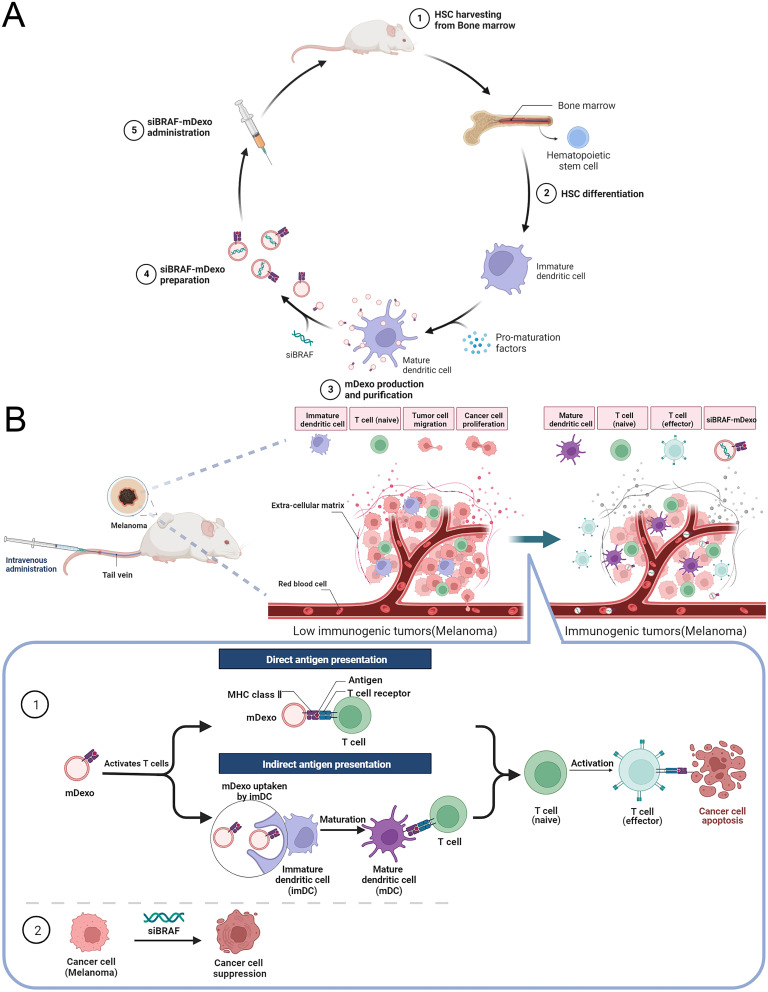
Malignant melanoma (MM), the most lethal skin cancer, is highly invasive and metastatic. These qualities are related to not only genetic mutations in MM itself but also the interaction of MM cells with the immune system and microenvironment. This study aimed to construct a combined immunotherapy and gene therapy drug delivery system for the effective treatment of MM.
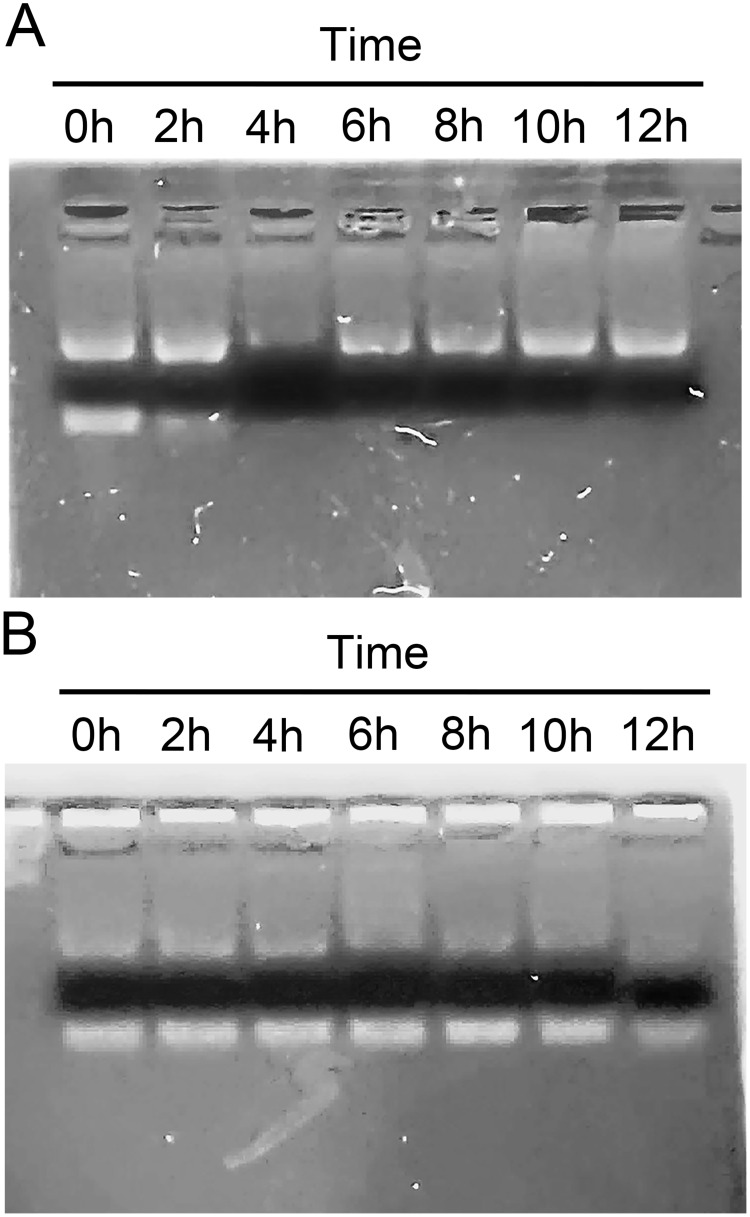
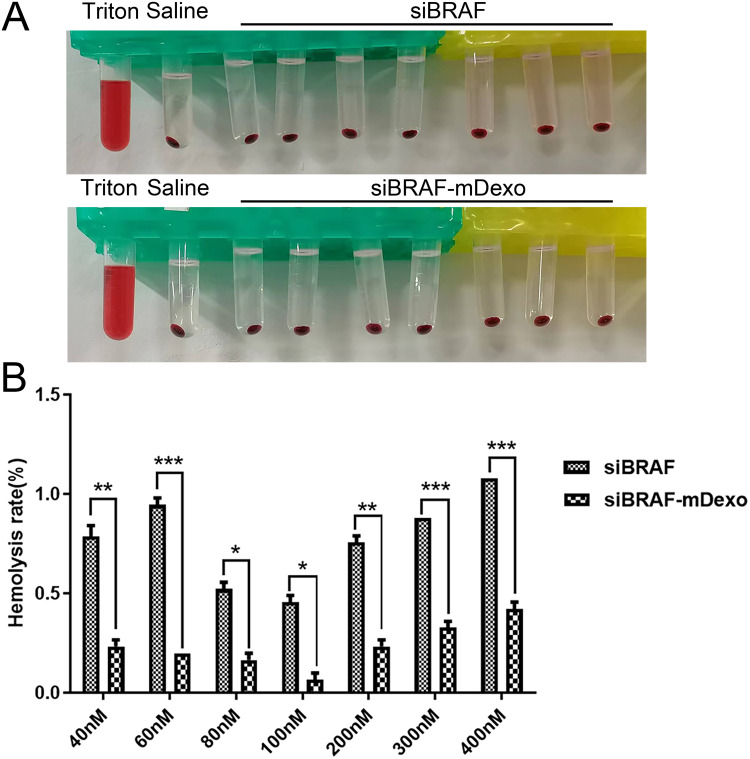
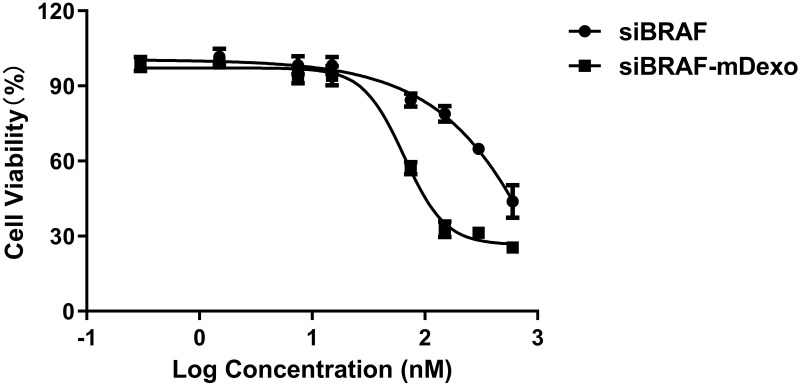
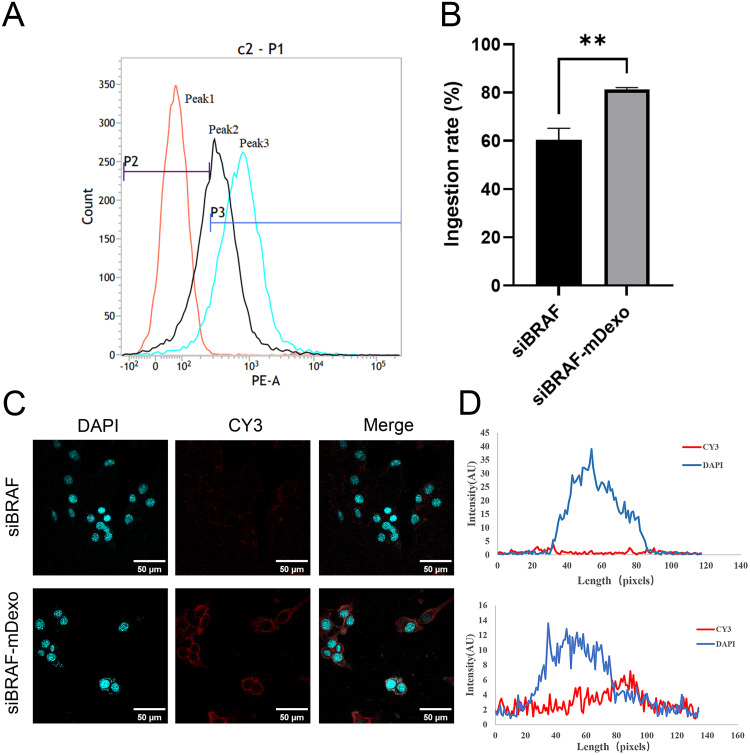
Mature dendritic cell (mDC) exosomes (mDexos) with immune induction functions were used as carriers. BRAF siRNA (siBRAF) with the ability to silence mutated BRAF in MM was encapsulated in mDexos by electroporation to construct a biomimetic nanosystem for the codelivery of immunotherapy and gene therapy drugs (siBRAF-mDexos) to the MM microenvironment. Then, we investigated the nanosystem's serum stability and biocompatibility, uptake efficiency in mouse melanoma cells (B16-F10 cells), cytotoxicity against B16-F10 cells and inhibitory effect on BRAF expression. Furthermore, we evaluated its antimelanoma activity and safety in vivo.
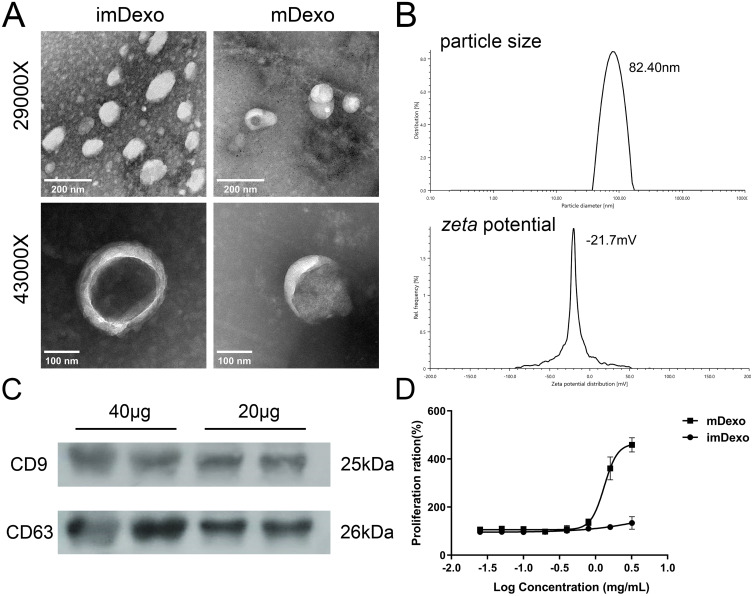
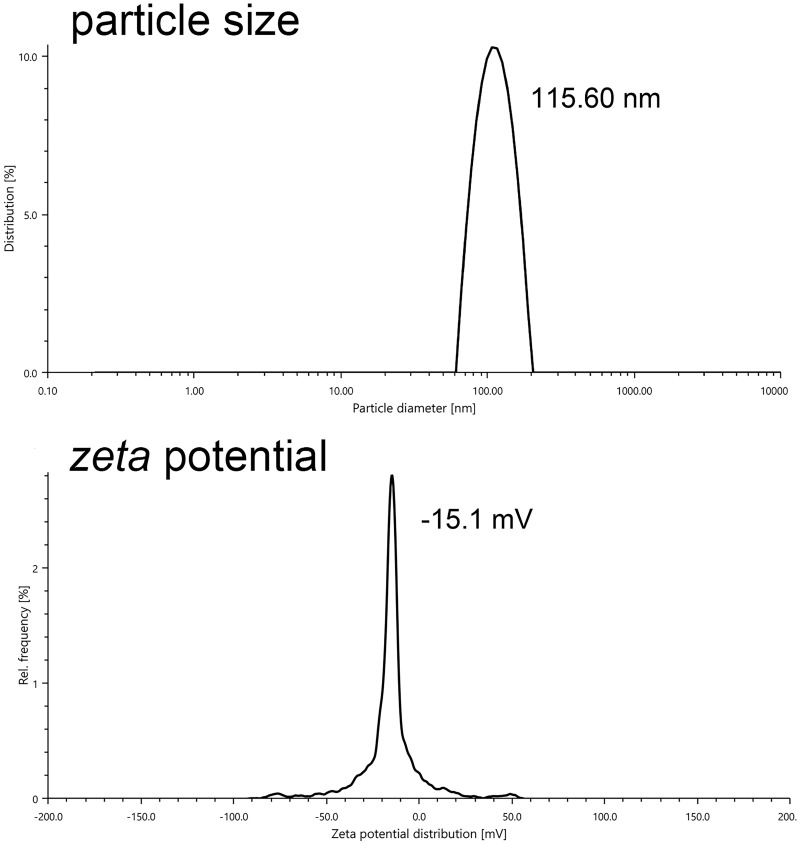
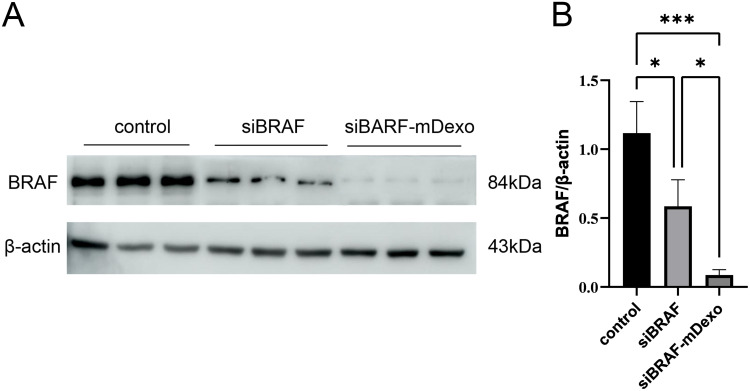
SiBRAF-mDexos were nanosized. Compared to siBRAF, siBRAF-mDexos displayed significantly increased serum stability, biocompatibility, uptake efficiency in B16-F10 cells, and cytotoxicity to B16-F10 melanoma cells; they also had a significantly greater inhibitory effect on BRAF expression and induced T-lymphocyte proliferation. Moreover, compared with siBRAF, siBRAF-mDexos showed significantly enhanced anti-MM activity and a high level of safety in vivo.
The study suggests that the siBRAF-mDexo biomimetic drug codelivery system can be used to effectively treat MM, which provides a new strategy for combined gene therapy and immunotherapy for MM.
恶性黑色素瘤(MM)是最致命的皮肤癌,具有高度侵袭性和转移性。这些特性不仅与 MM 自身的基因突变有关,还与 MM 细胞与免疫系统和微环境的相互作用有关。本研究旨在构建一种联合免疫治疗和基因治疗的药物递送系统,以有效治疗 MM。
利用具有免疫诱导功能的成熟树突状细胞(mDC)外泌体(mDexos)作为载体。通过电穿孔将具有沉默 MM 中突变 BRAF 能力的 BRAF siRNA(siBRAF)包封在 mDexos 中,构建一种仿生纳米系统,用于向 MM 微环境共递送免疫治疗和基因治疗药物(siBRAF-mDexos)。然后,我们研究了纳米系统的血清稳定性和生物相容性、在小鼠黑色素瘤细胞(B16-F10 细胞)中的摄取效率、对 B16-F10 细胞的细胞毒性以及对 BRAF 表达的抑制作用。此外,我们还评估了其在体内的抗黑色素瘤活性和安全性。
siBRAF-mDexos 为纳米尺寸。与 siBRAF 相比,siBRAF-mDexos 表现出明显增加的血清稳定性、生物相容性、在 B16-F10 细胞中的摄取效率以及对 B16-F10 黑色素瘤细胞的细胞毒性;它们对 BRAF 表达的抑制作用更强,并诱导 T 淋巴细胞增殖。此外,与 siBRAF 相比,siBRAF-mDexos 在体内显示出明显增强的抗 MM 活性和高安全性。
本研究表明,siBRAF-mDexo 仿生药物共递系统可有效治疗 MM,为 MM 的联合基因治疗和免疫治疗提供了新策略。